May 21–22, 2026 | Alcoy Municipal Hall, Alcoy, Cebu
Ecotourism offers communities a way to generate income while protecting the ecosystems that attract visitors. Unlike conventional tourism, it emphasizes stewardship—ensuring that natural and cultural assets are preserved while providing livelihood opportunities.
To achieve this balance, municipalities implement environmental user fee (EUF) systems. In ecotourism, these fees are collected from visitors engaging in activities such as entering marine sanctuaries, trekking protected areas, or joining guided tours. Revenues are then reinvested into conservation programs, community initiatives, and livelihood support. This creates a transparent mechanism where tourism growth directly strengthens environmental protection and local development.
EUFs are vital because ecotourism depends on maintaining pristine environments. Without proper management, tourist influxes can degrade habitats through pollution, overcrowding, and habitat destruction. By applying the “user pays” and “polluter pays” principles, EUFs shift the financial responsibility of conservation onto those who benefit most—the visitors.Funds are typically allocated to:
- Ecosystem Protection: coastal clean‑ups, wildlife monitoring, trail maintenance, reforestation.
- Local Livelihoods: seed funding for eco‑friendly jobs such as tour guiding, homestays, and handicrafts.
- Visitor Facilities: sanitation stations, waste segregation centers, and educational signage.
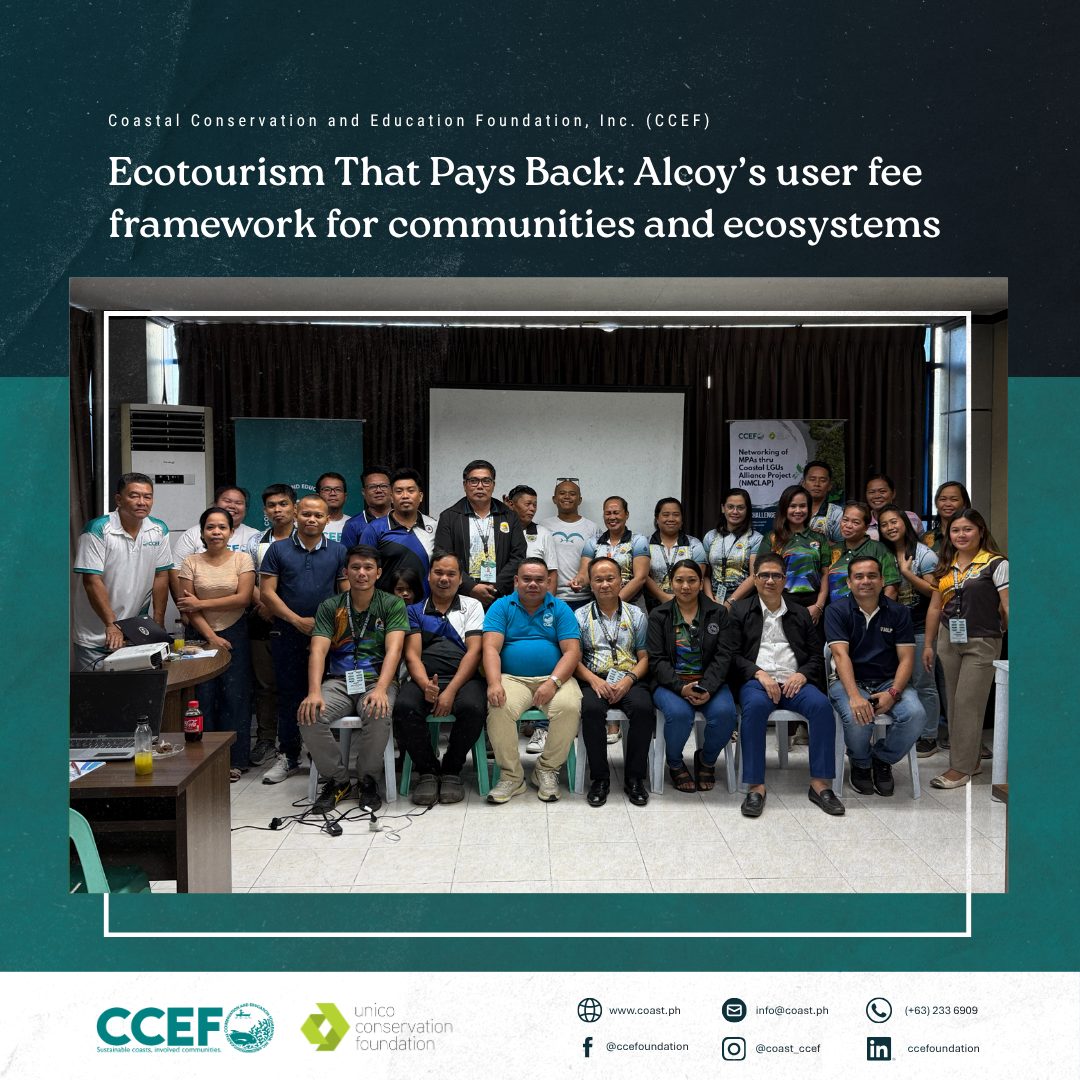
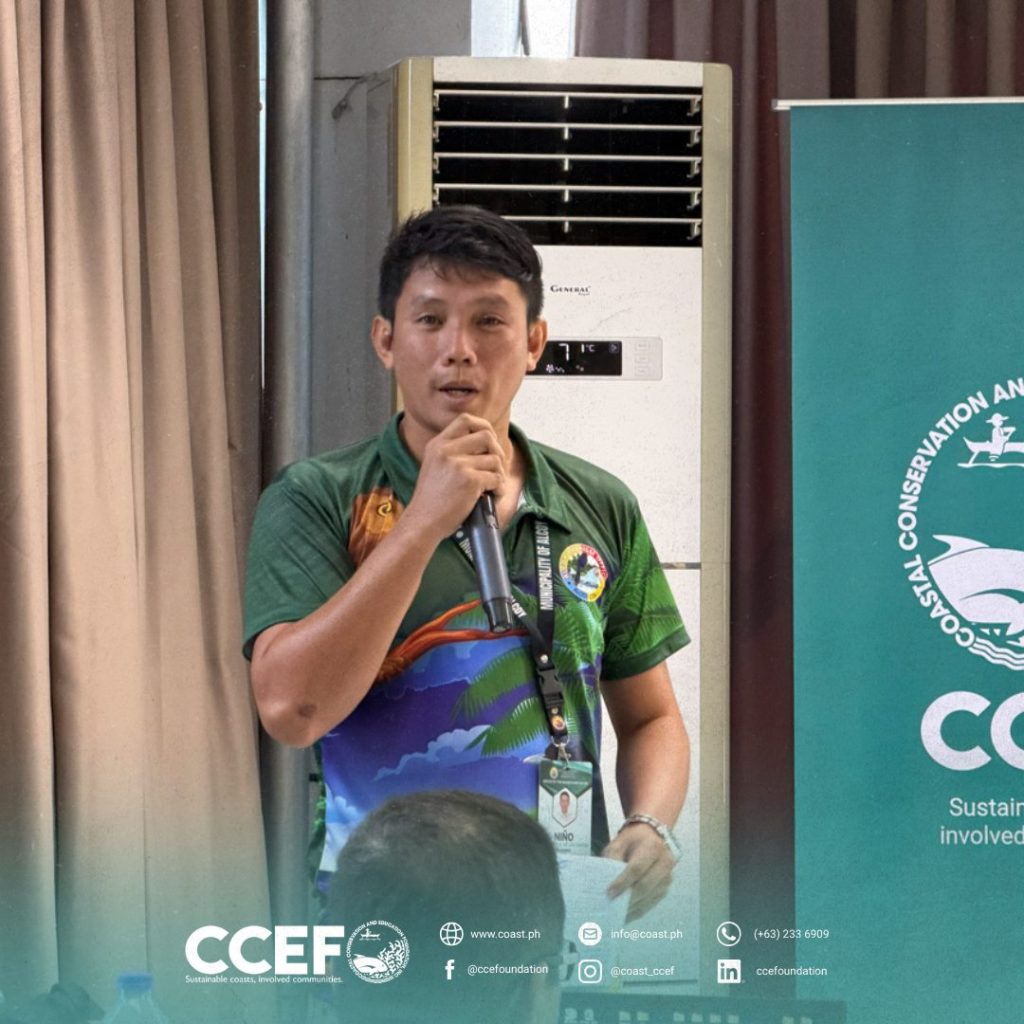
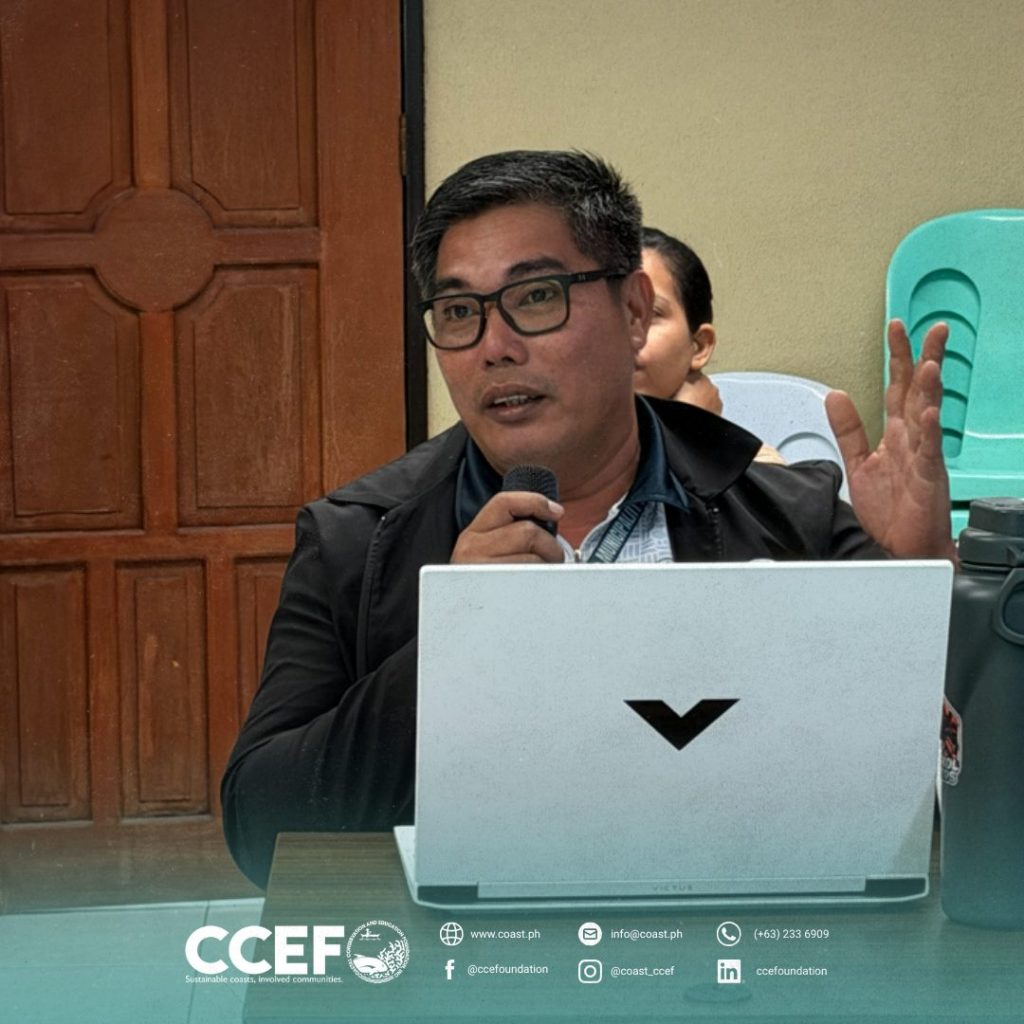
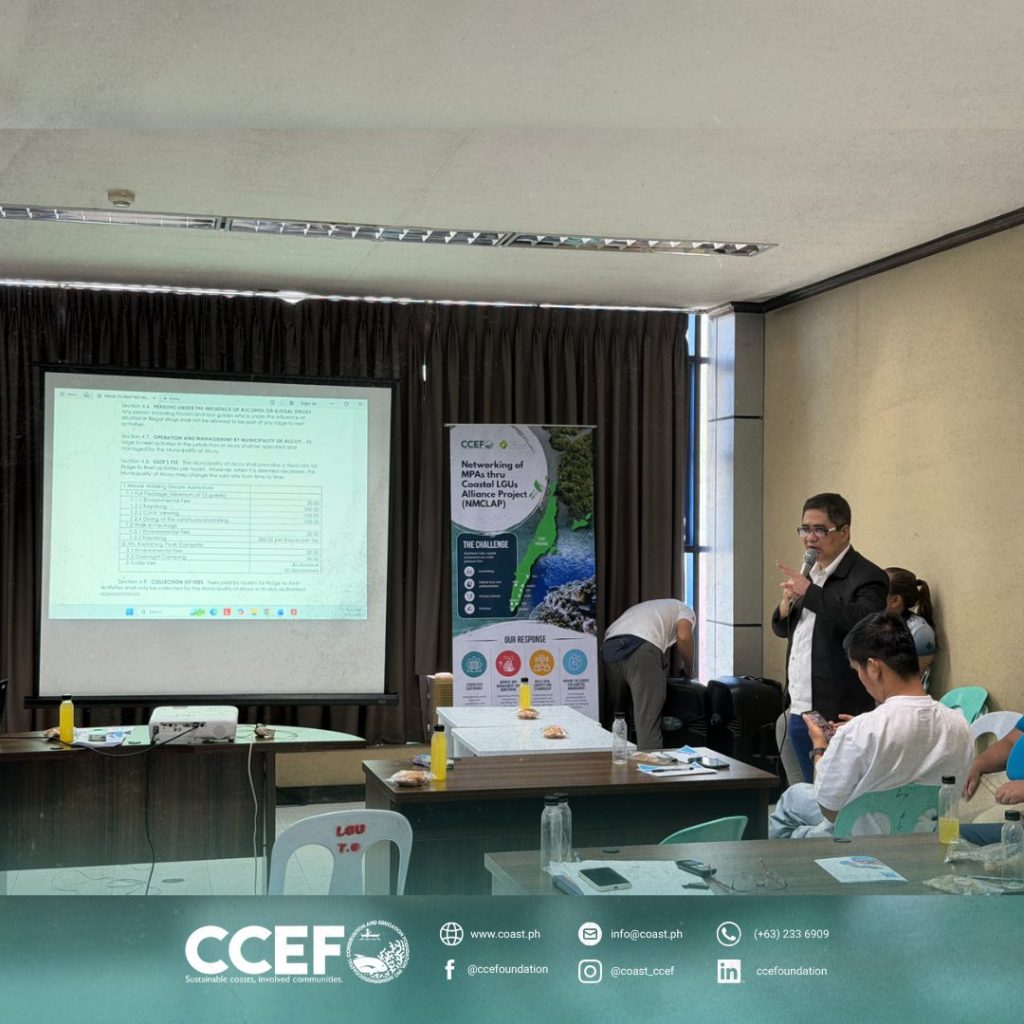
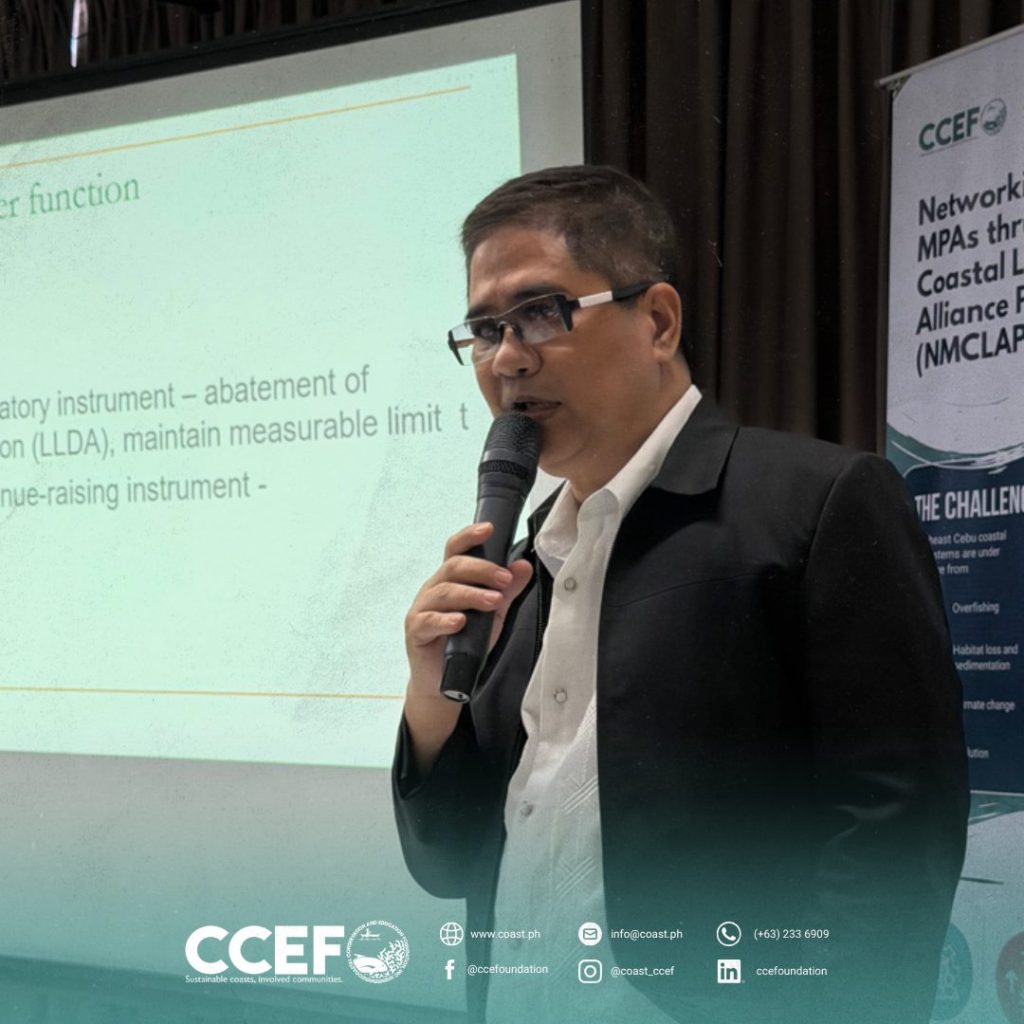
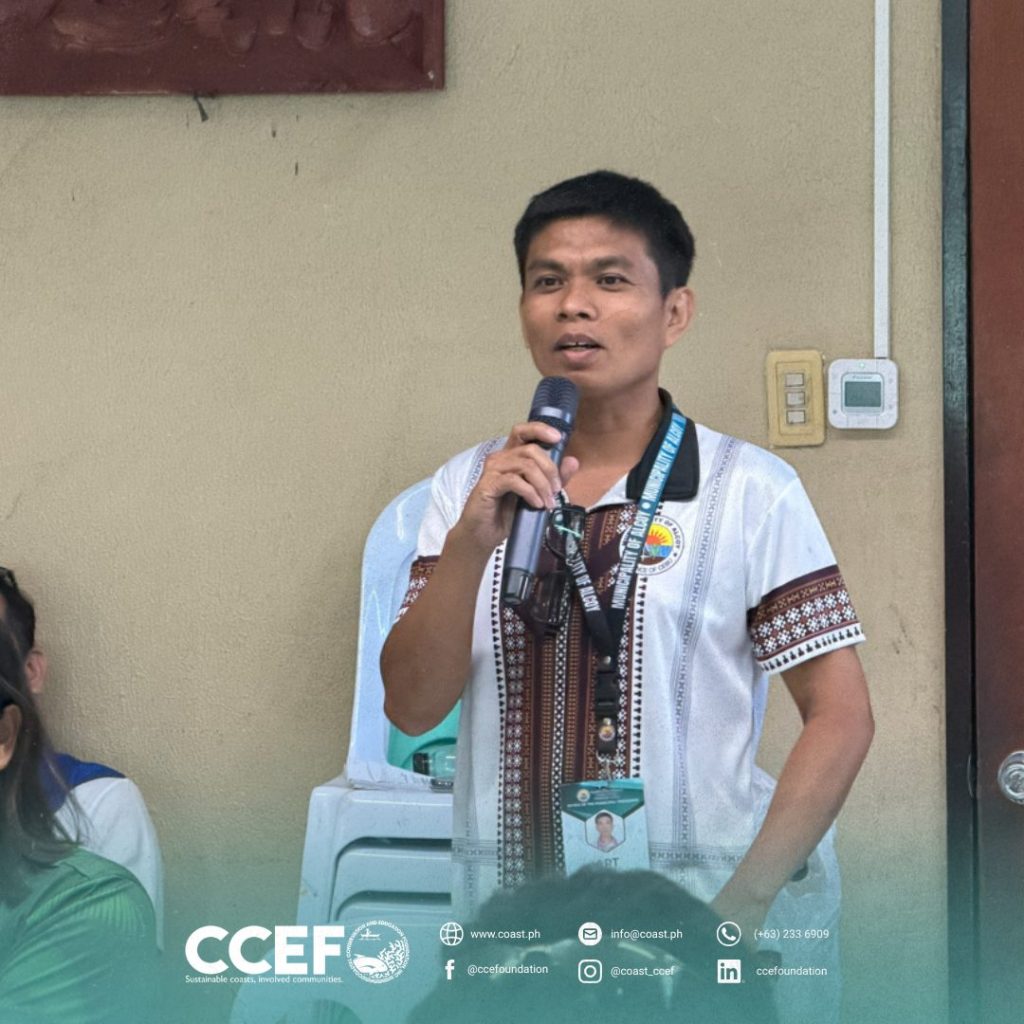
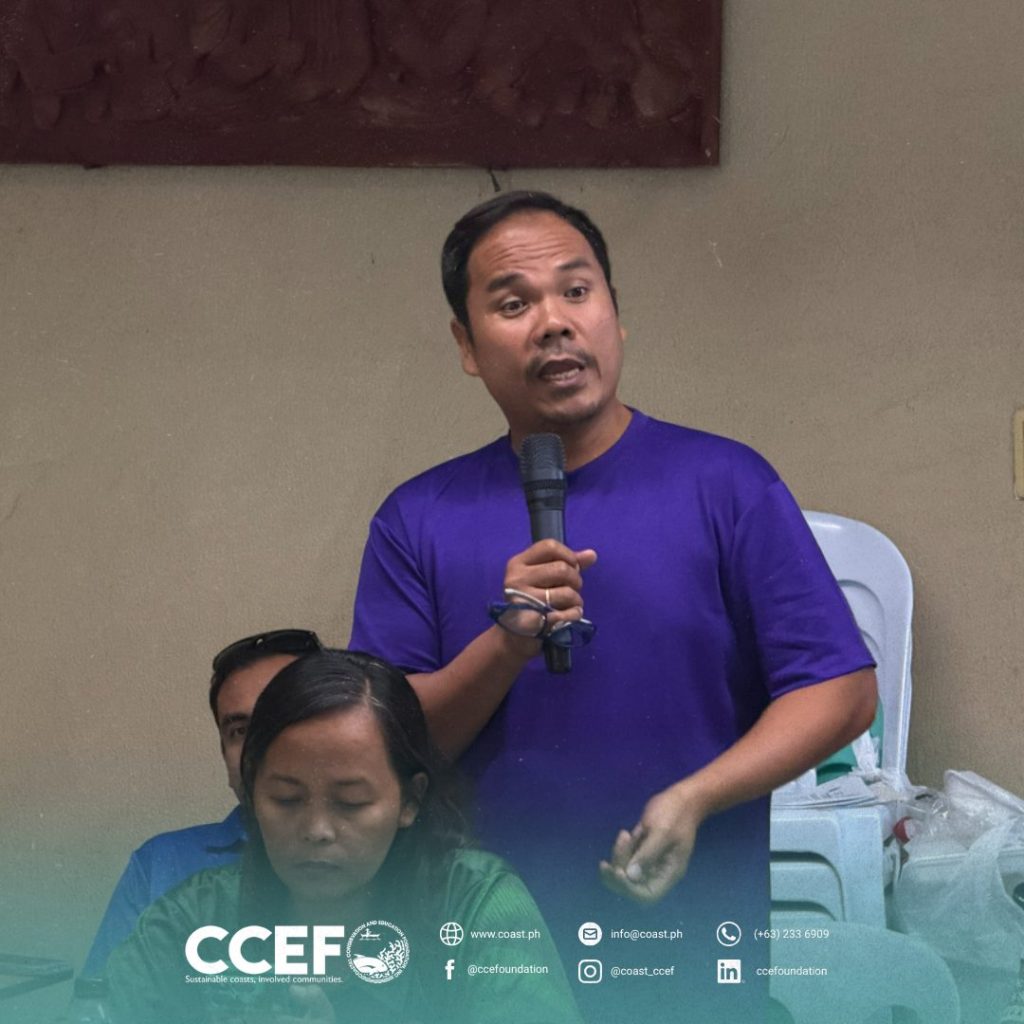
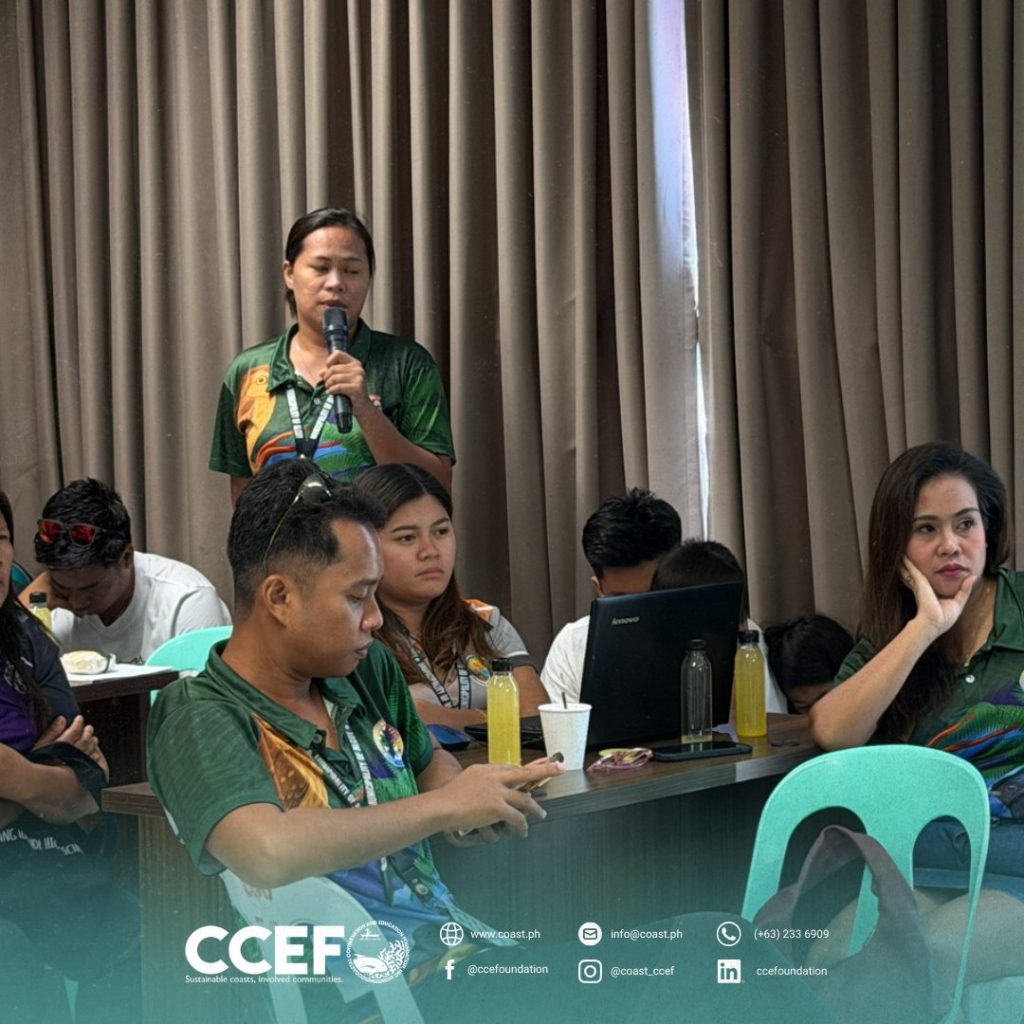
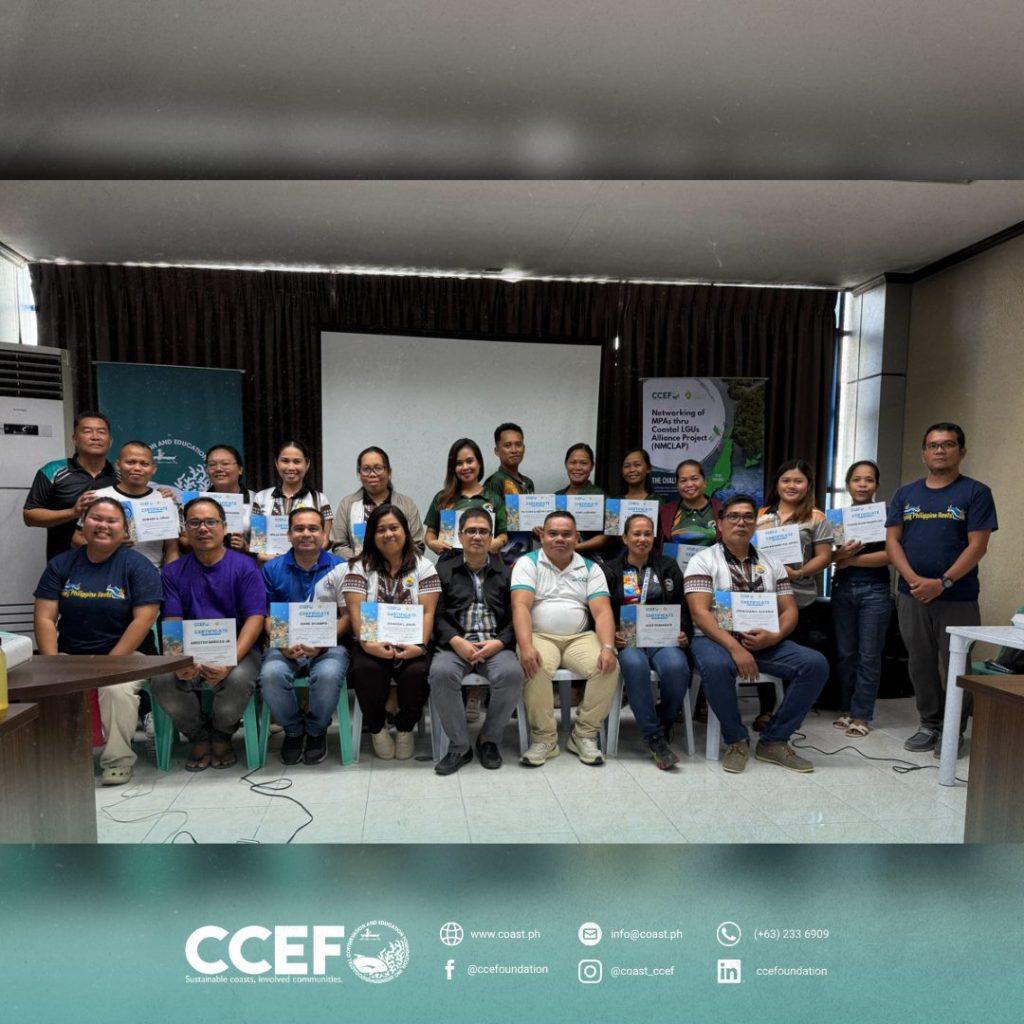
With this foundation, CCEF through the Promoting Community‑based Ecotourism in Marine Protected Areas and Mangrove Areas (ProComTour) Project funded by the Unico Conservation Foundation (UCF), conducted a two‑day Environmental User Fee Formulation Training Workshop at the Alcoy Municipal Hall. The sessions were facilitated by Atty. Romel Kirit, CCEF Consultant, who guided Alcoy Eco Tourism Workers Association (AEWA), Sta. Cruz Daanlungsod Fishermen Association (SADAFA), and key participants through the policy framework, ordinance review, and practical exercises to ensure that the EUF system is both fair and community‑driven.
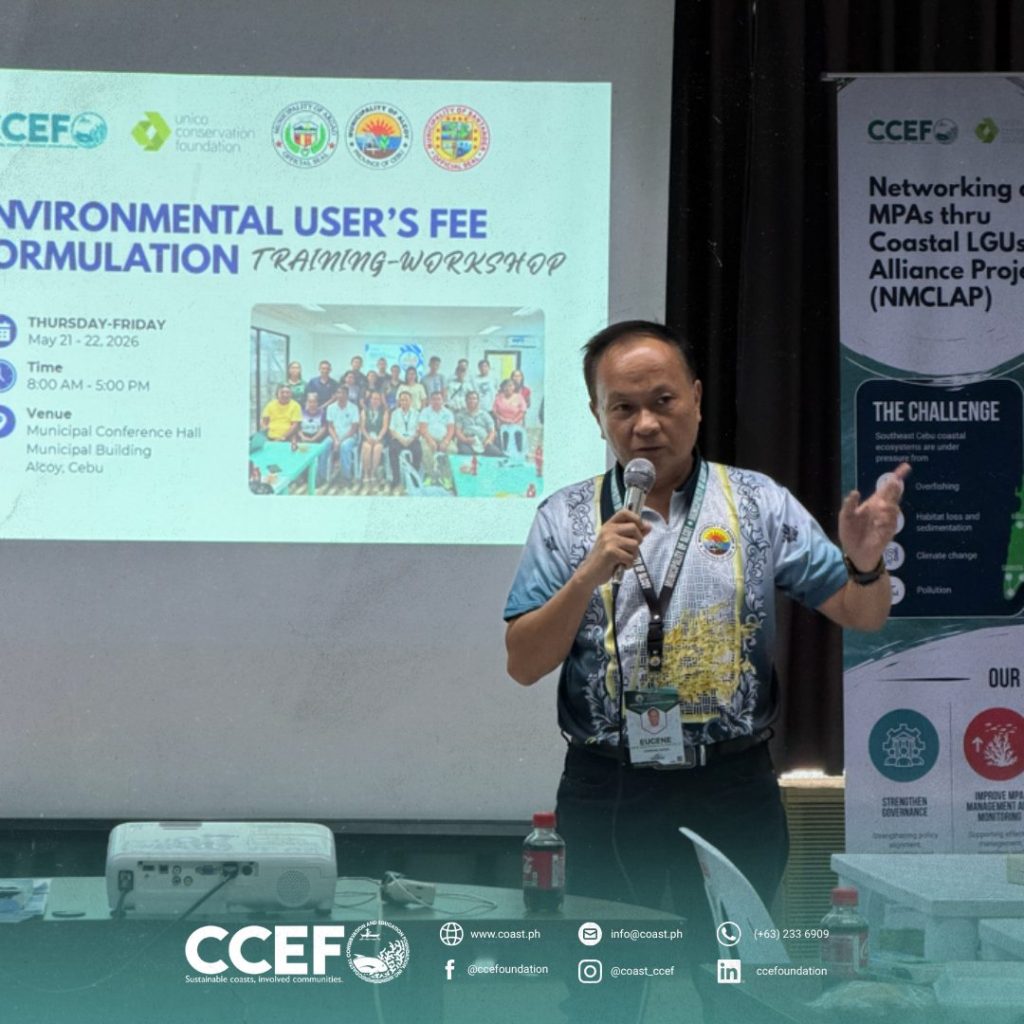
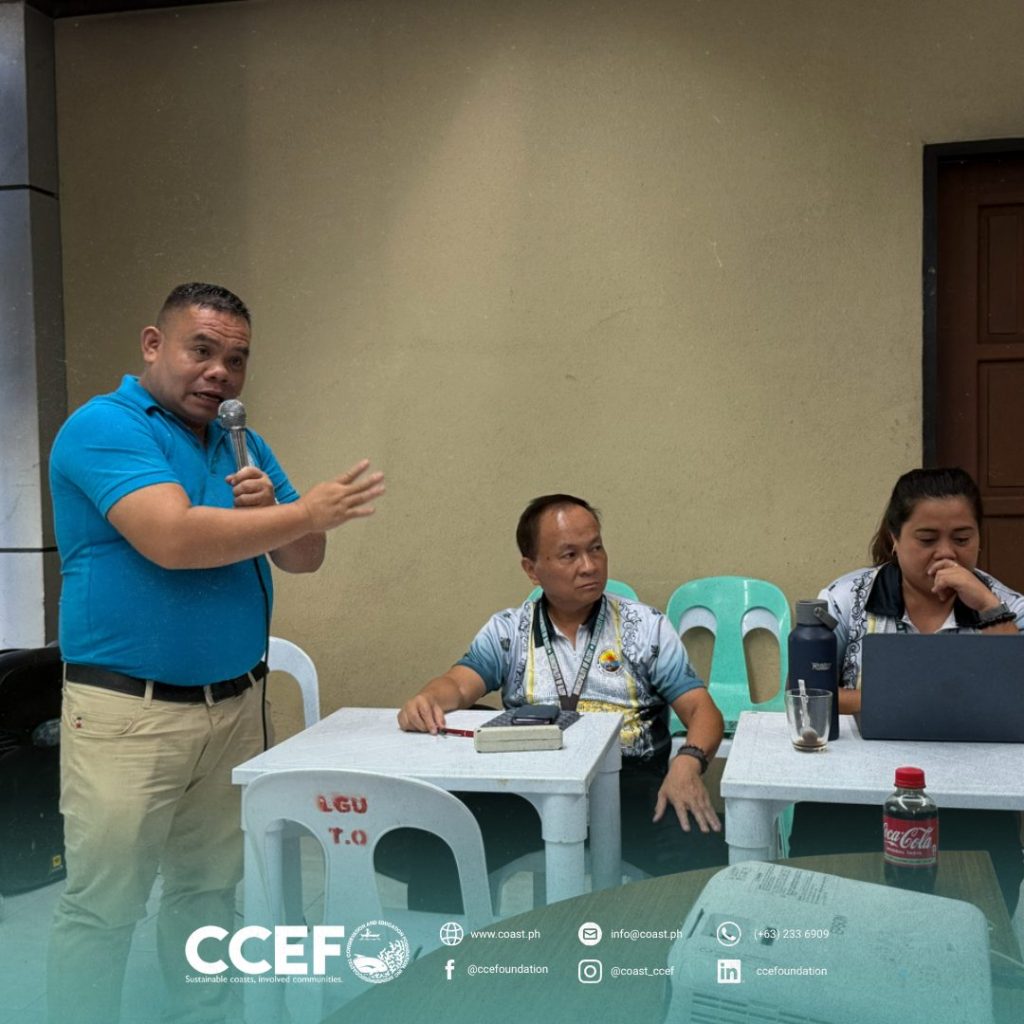
Key Highlights
- Policy Framework: User fees must balance regulation and revenue raising, ensuring funds directly support conservation and governance.
- Ordinance Review: Existing ordinances were reviewed, with amendments proposed to designate Guiwang‑Daanlungsod as a Marine Protected Area (MPA) and integrate EUFs into Alcoy’s Comprehensive Tourism Ordinance. A Memorandum of Agreement (MOA) was initiated to formalize equitable sharing of collected fees (40% CSOs, 40% Barangay, 20% LGU).
- Workshop Outputs: Breakout sessions tackled shifting to activity‑based fees, accreditation of partner organizations, carrying capacity surveys, and allowable disbursement schemes.
- Defined Roles: The Alcoy Eco Tourism Workers Association (AEWA) and the Sta. Cruz Daanlungsod Fishermen Association (SADAFA) were recognized as co‑management bodies of the Guiwang‑Daanlungsod MPA, with agreed roles in ticketing, enforcement, training, and livelihood programs.
- Action Plan: Next steps include drafting the MOA, amending Ordinance No. 01‑2025, conducting a willingness‑to‑pay survey, and rolling out financial management training for CSOs.
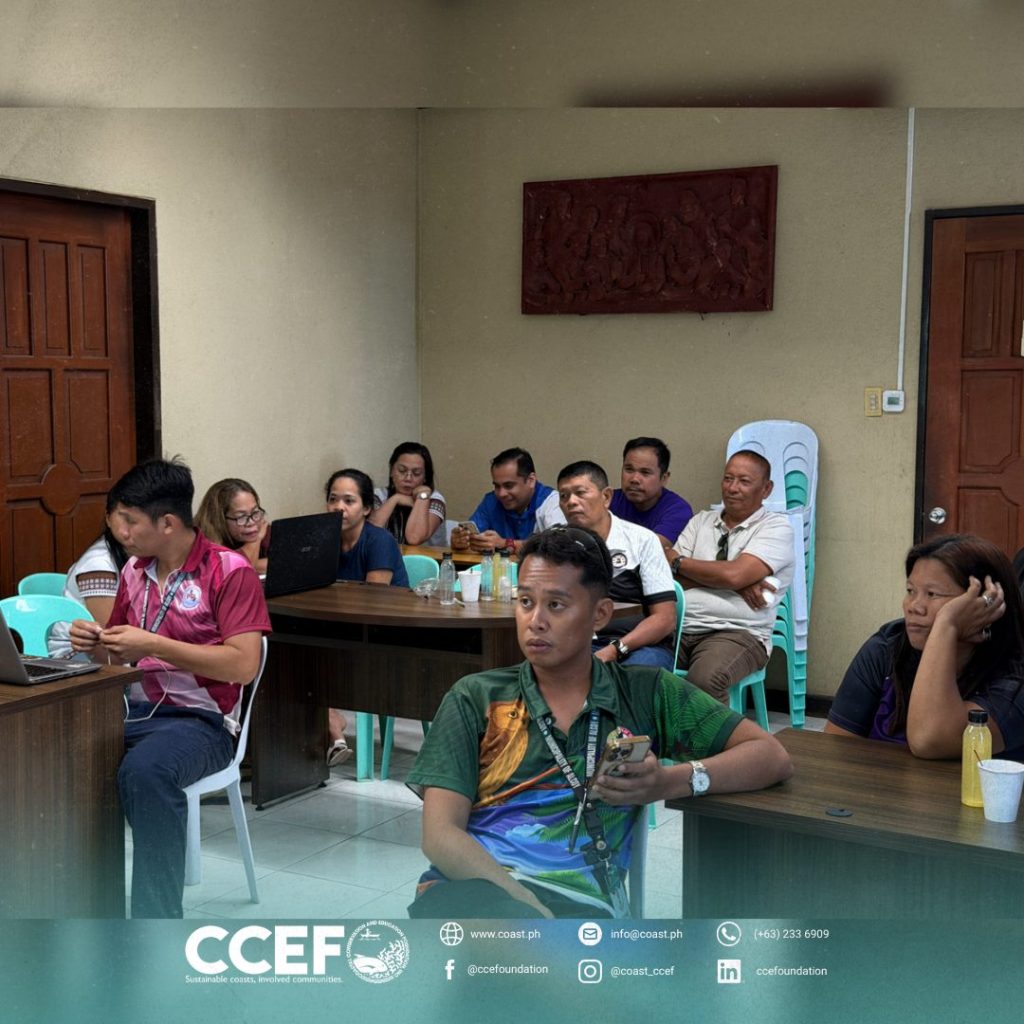
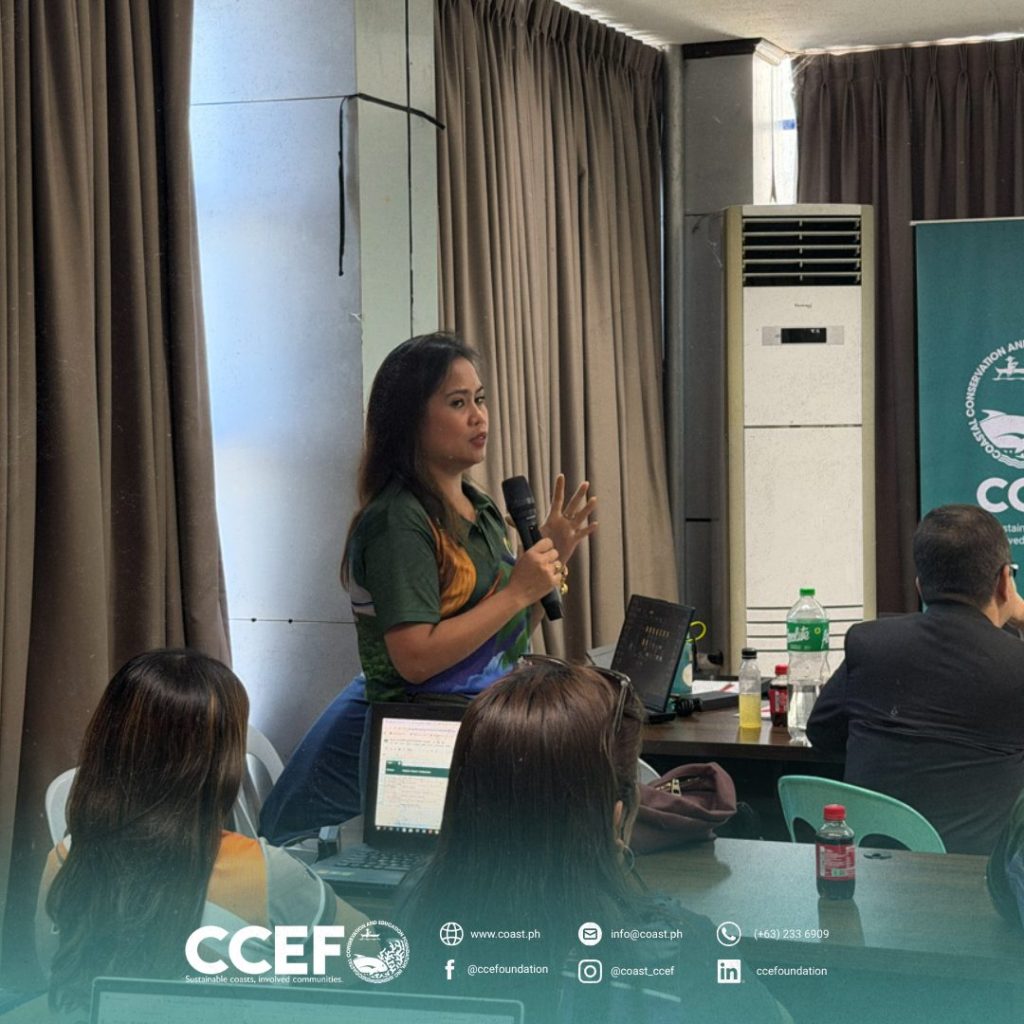
Moving Forward
The workshop set in motion a framework for an equitable and transparent tourism system in Alcoy, turning environmental user fees into a mechanism that funds conservation, empowers local organizations, and sustains livelihoods. EUFs are not uncommon in ecotourism, but their true value lies in being fair, realistic, and grounded in community needs. Fees must reflect visitors’ willingness to pay, avoid extravagance, and ensure that every peso collected translates into tangible improvements for ecosystems and local people.
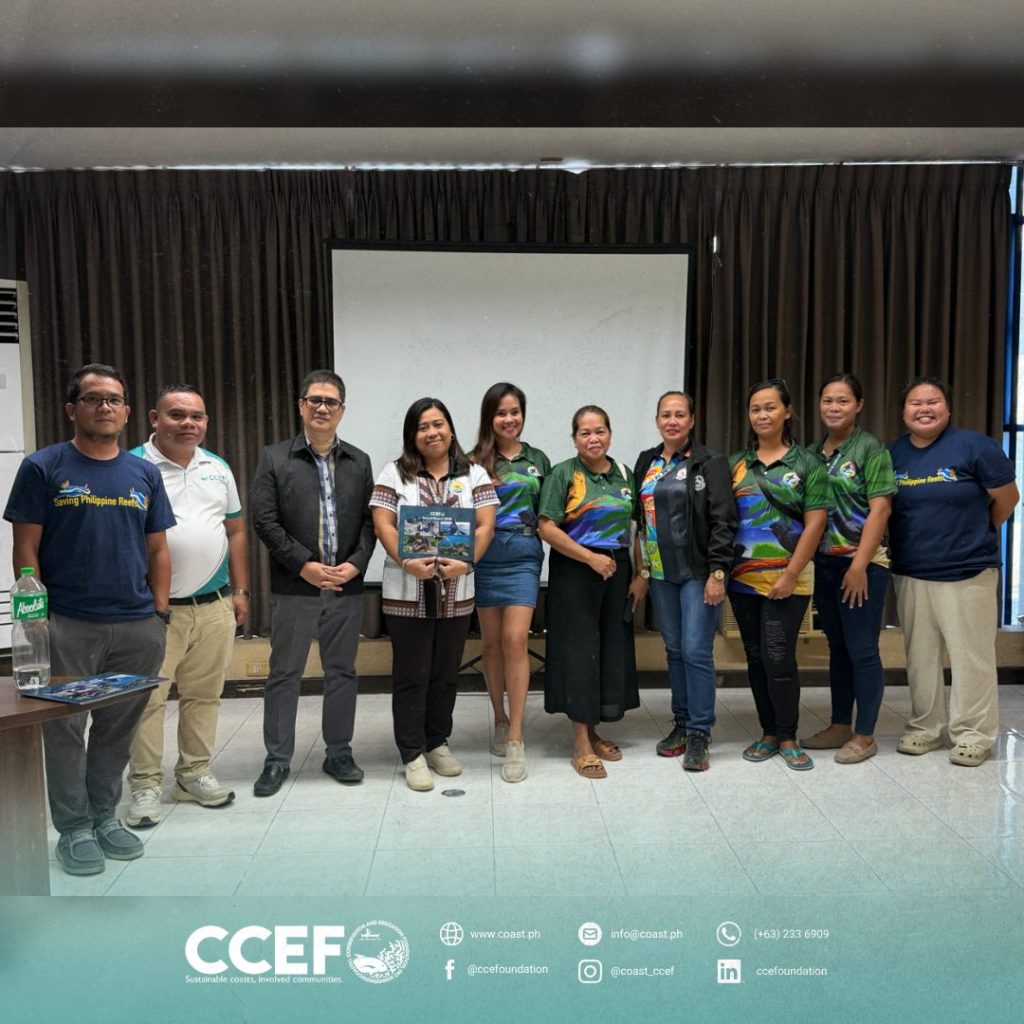
This initiative positions Alcoy as a working example of responsible ecotourism, showing how coastal communities can manage tourism growth while maintaining the integrity of their marine ecosystems and supporting long‑term community resilience.