May 8, 2026 | Movenpick Hotel, Punta Engaño, Mactan Island, Lapu-Lapu City, Cebu
Local action builds global resilience. As marine ecosystems across Southeast Asia face intensifying climate pressures, the solutions require a direct pipeline from frontline coastal communities straight to the highest halls of diplomatic power.
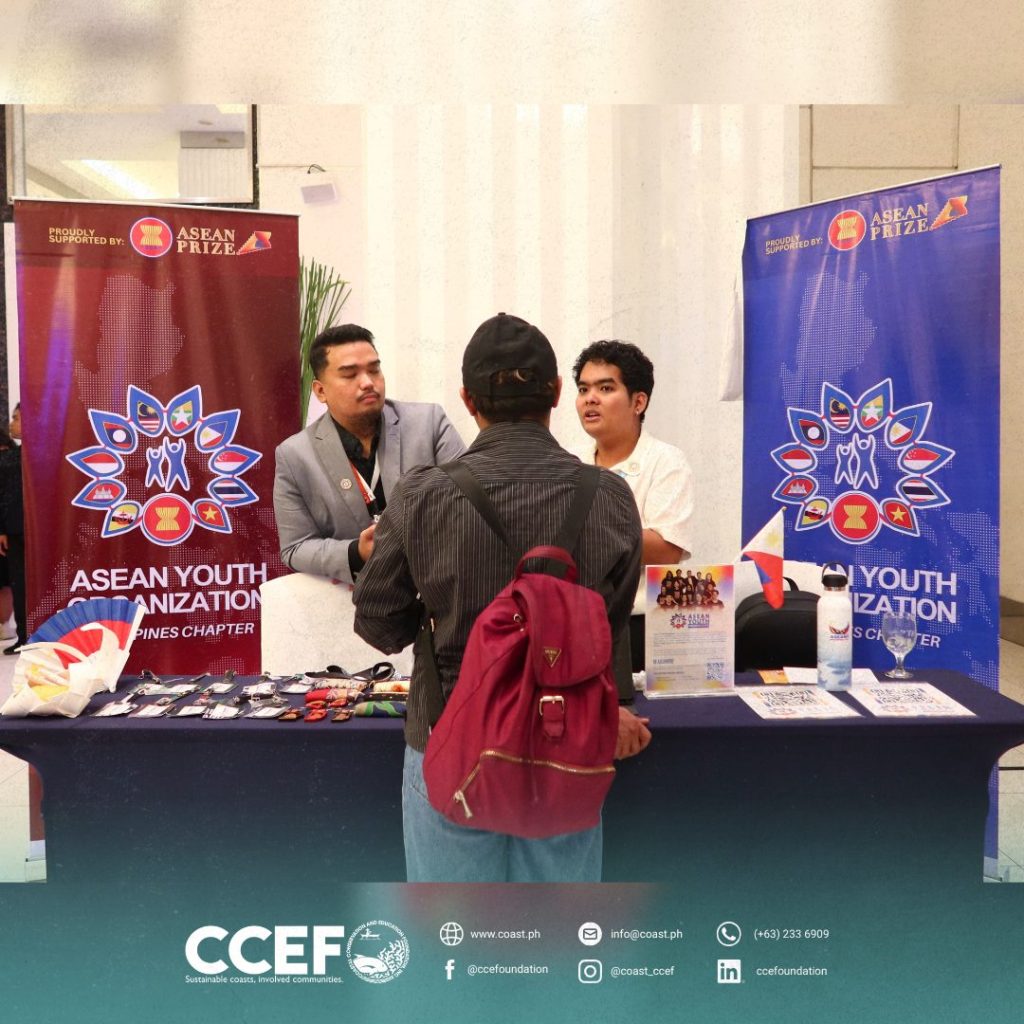
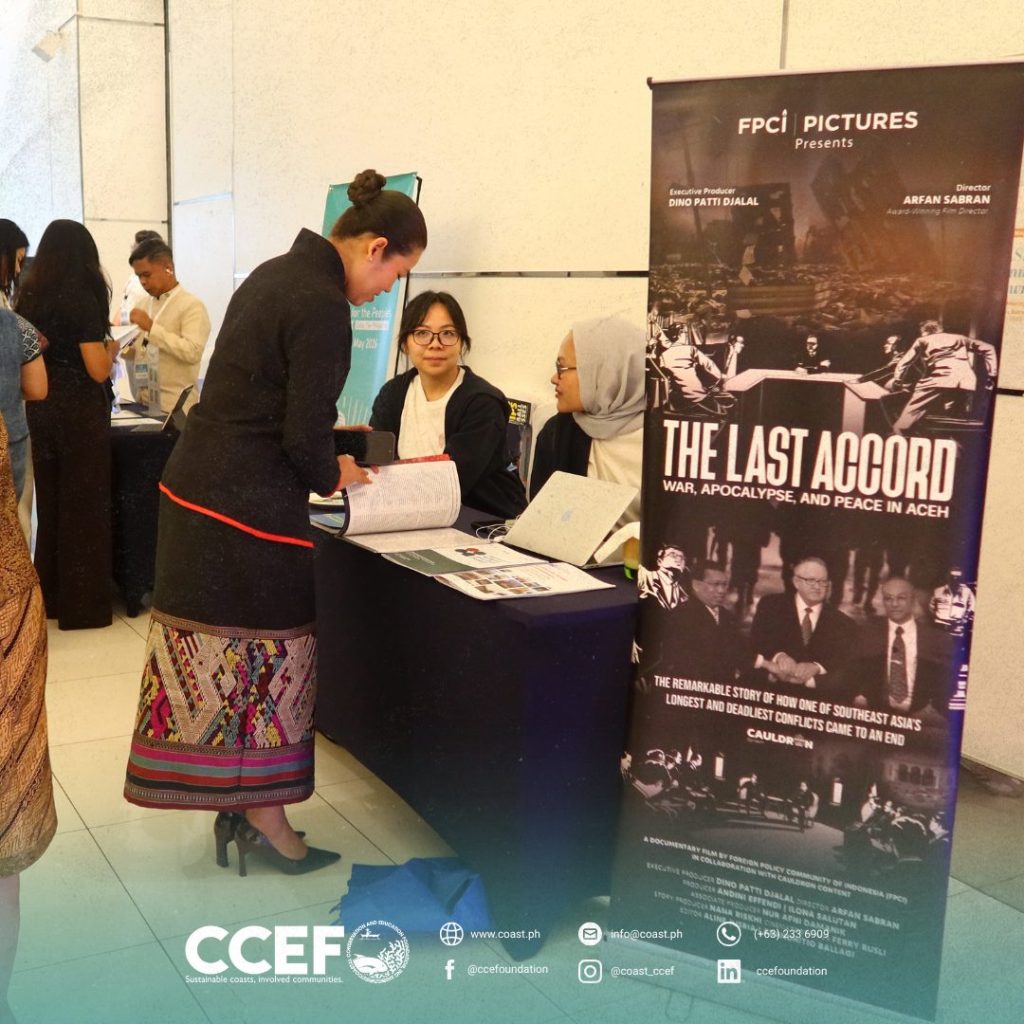
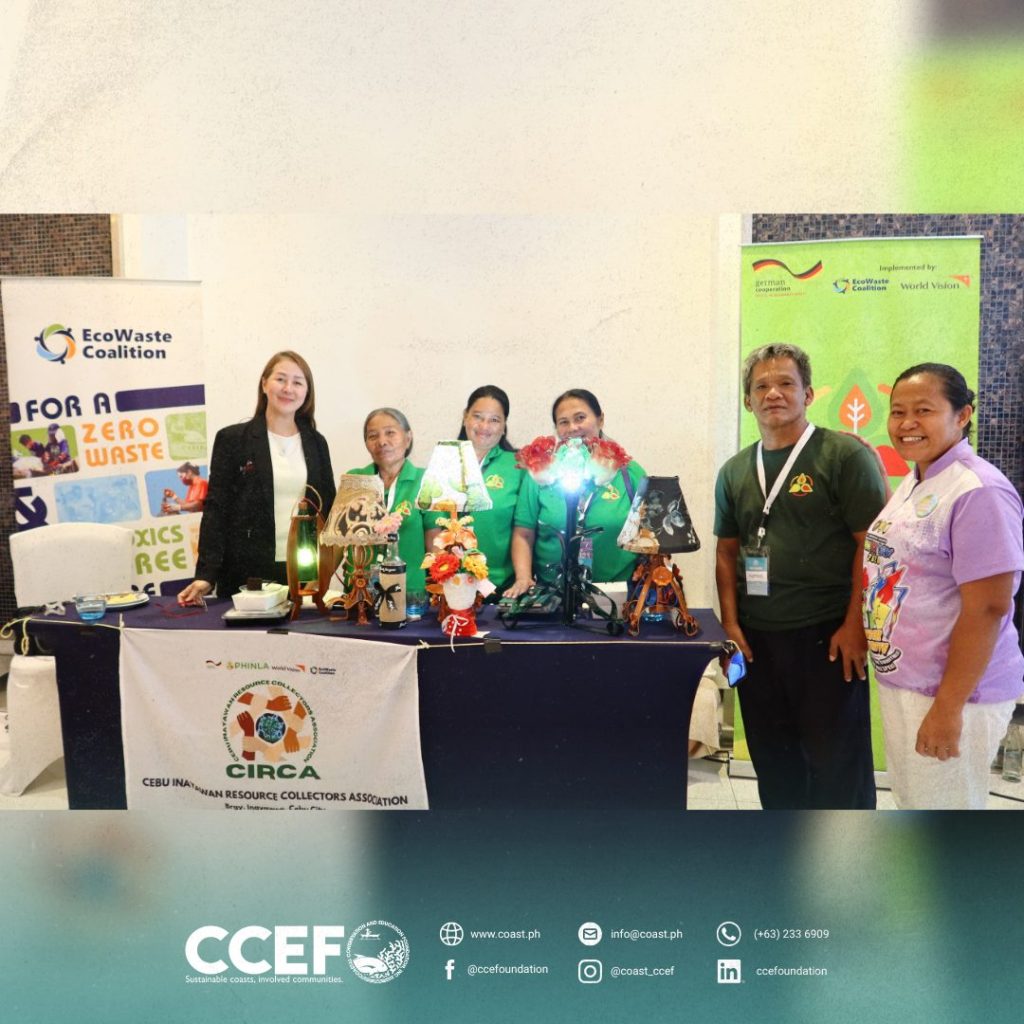
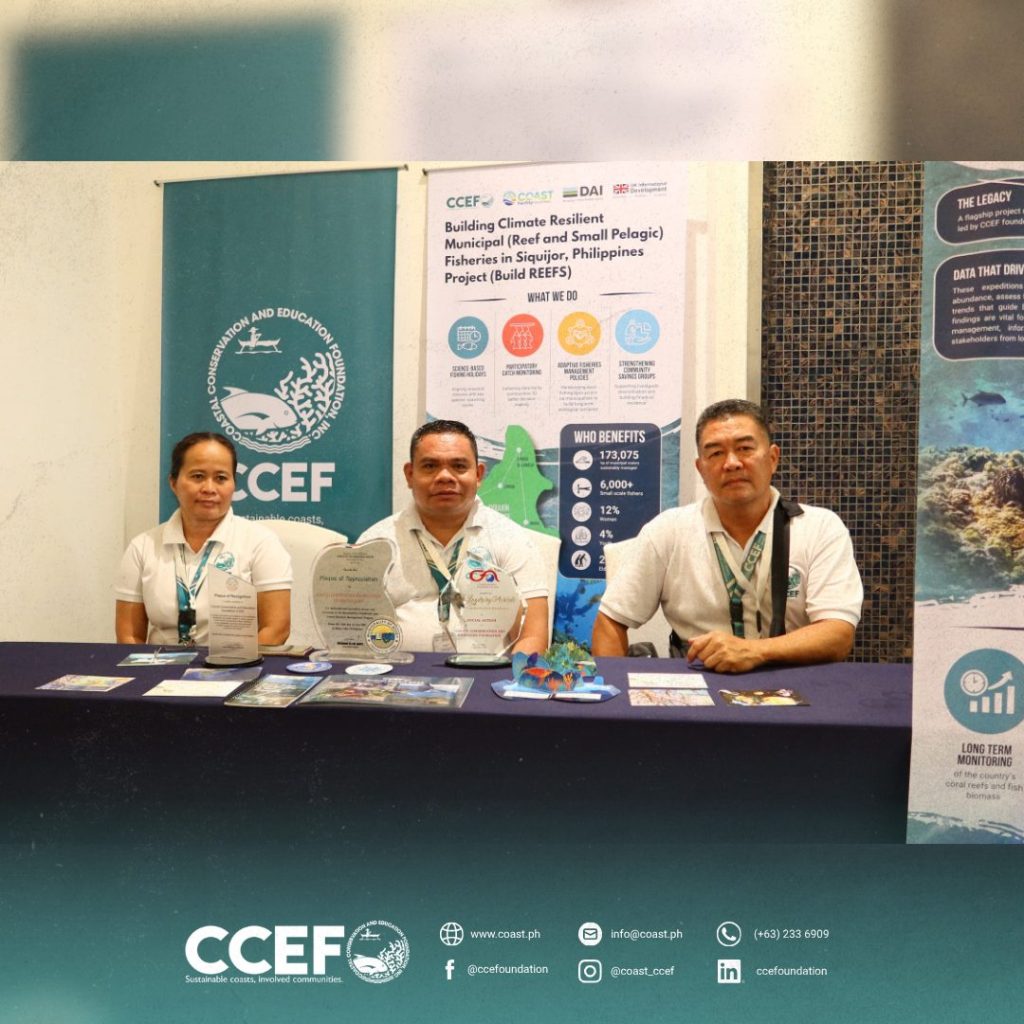
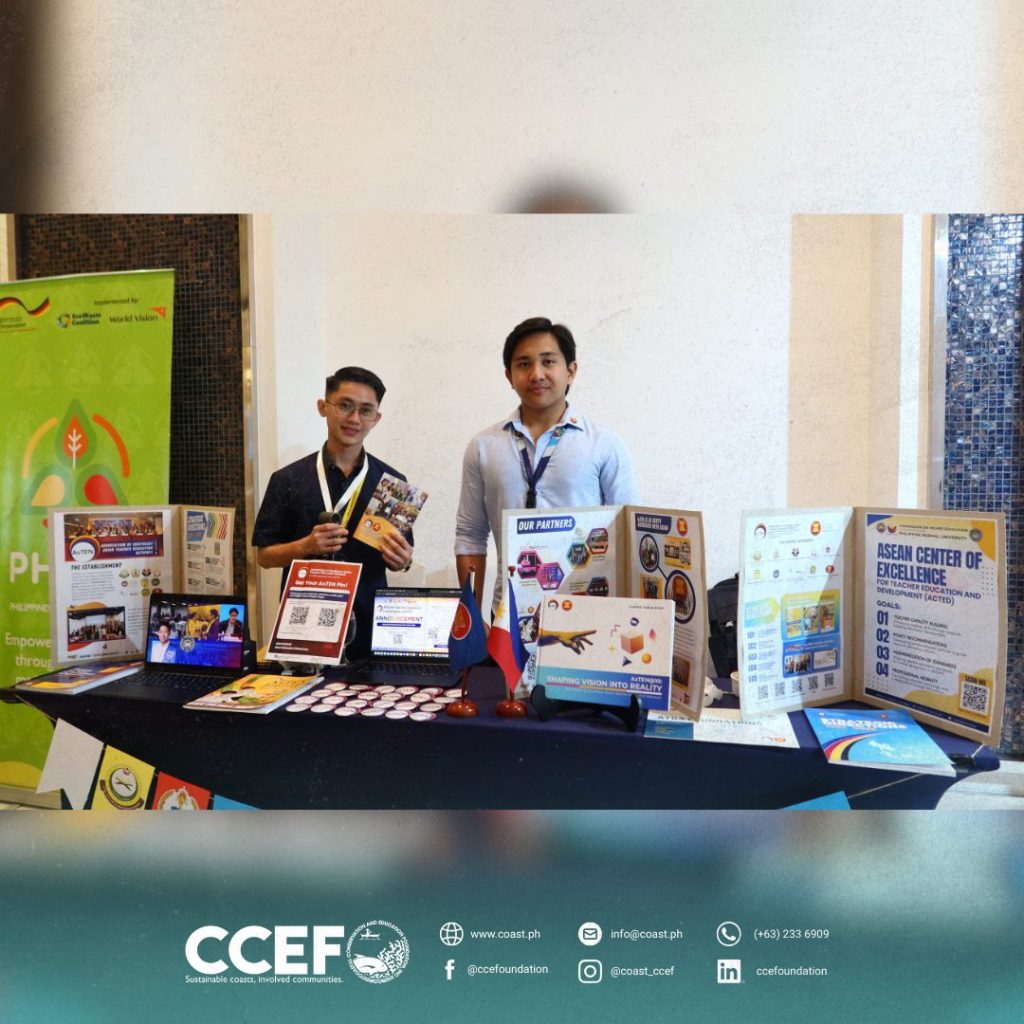
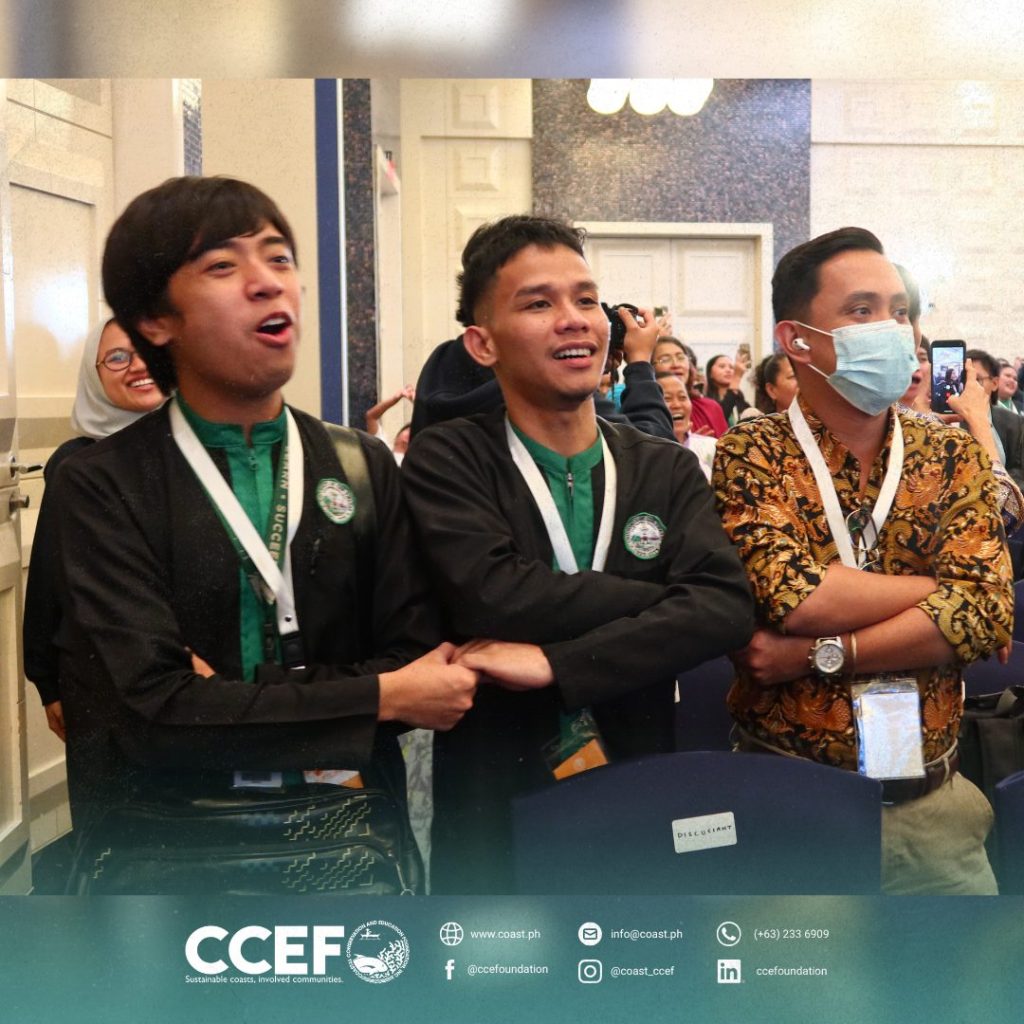
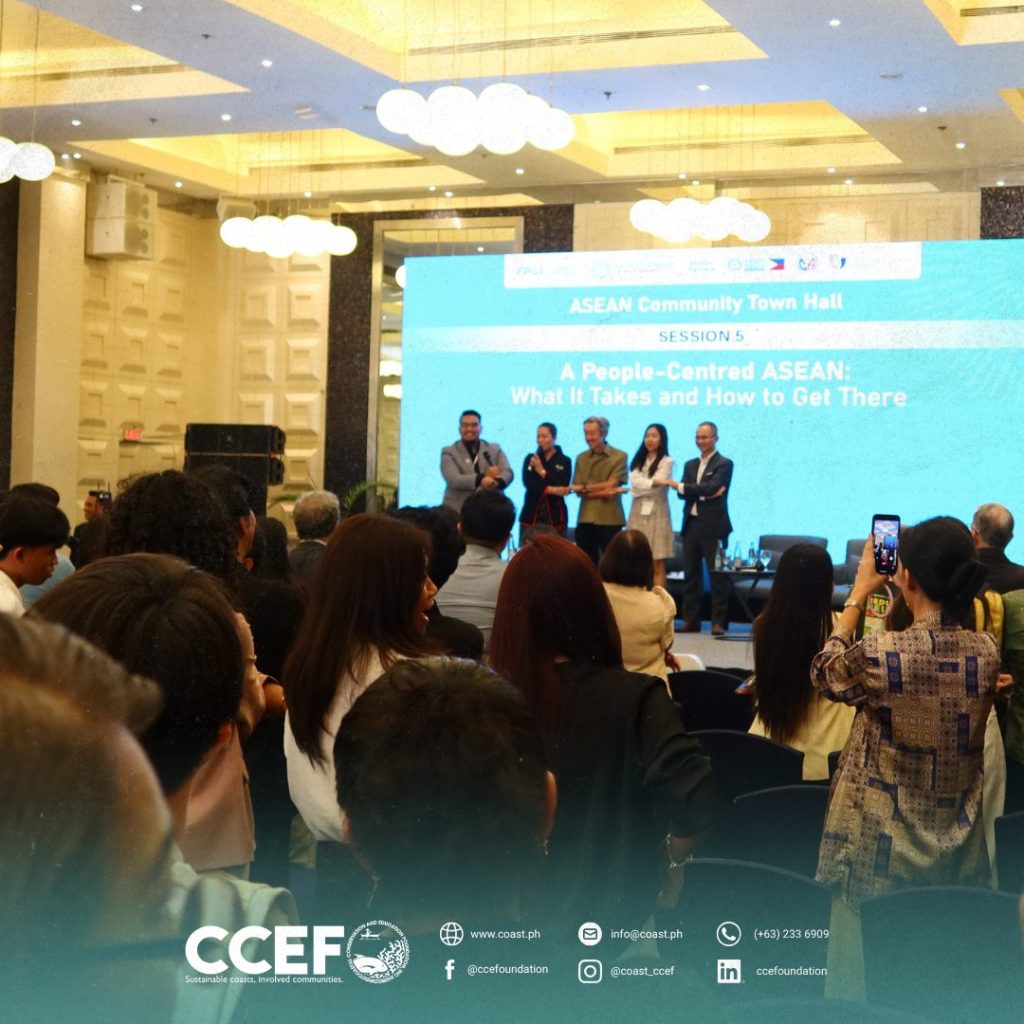
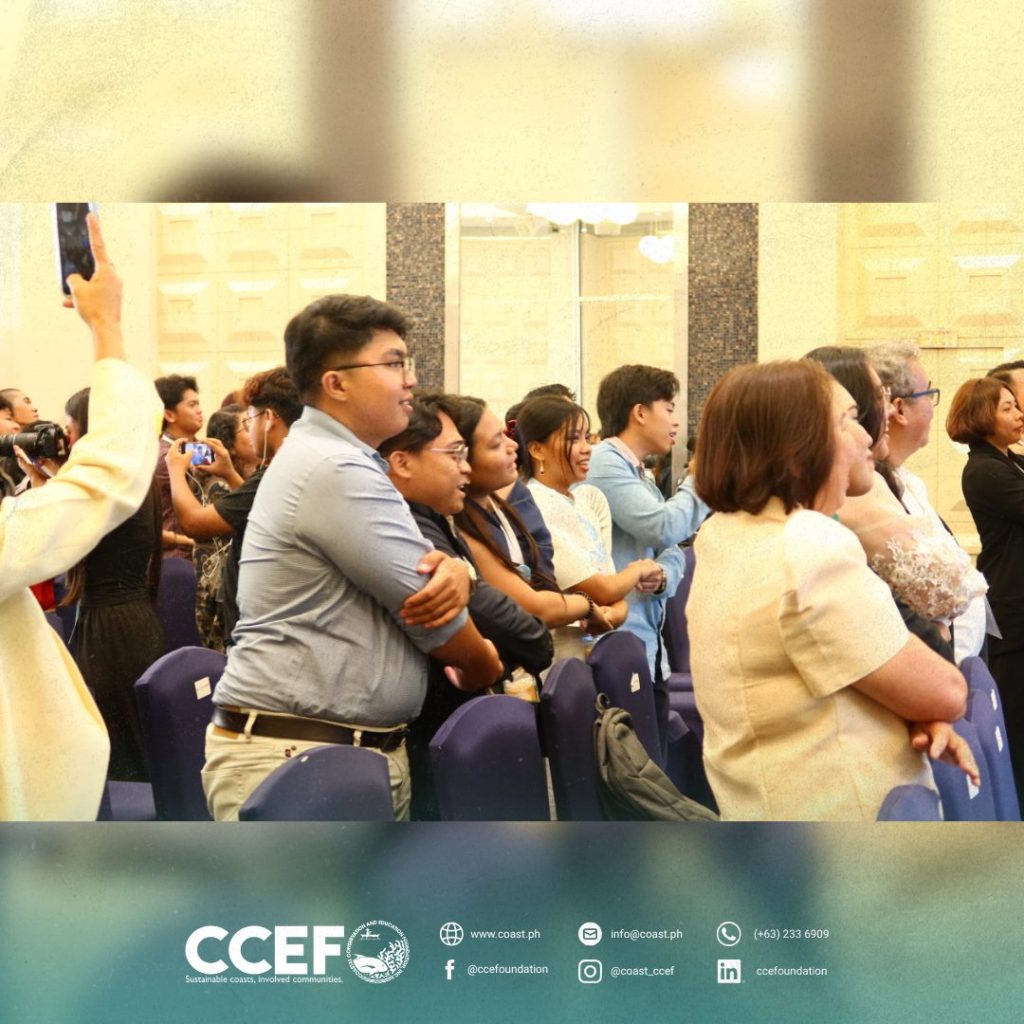
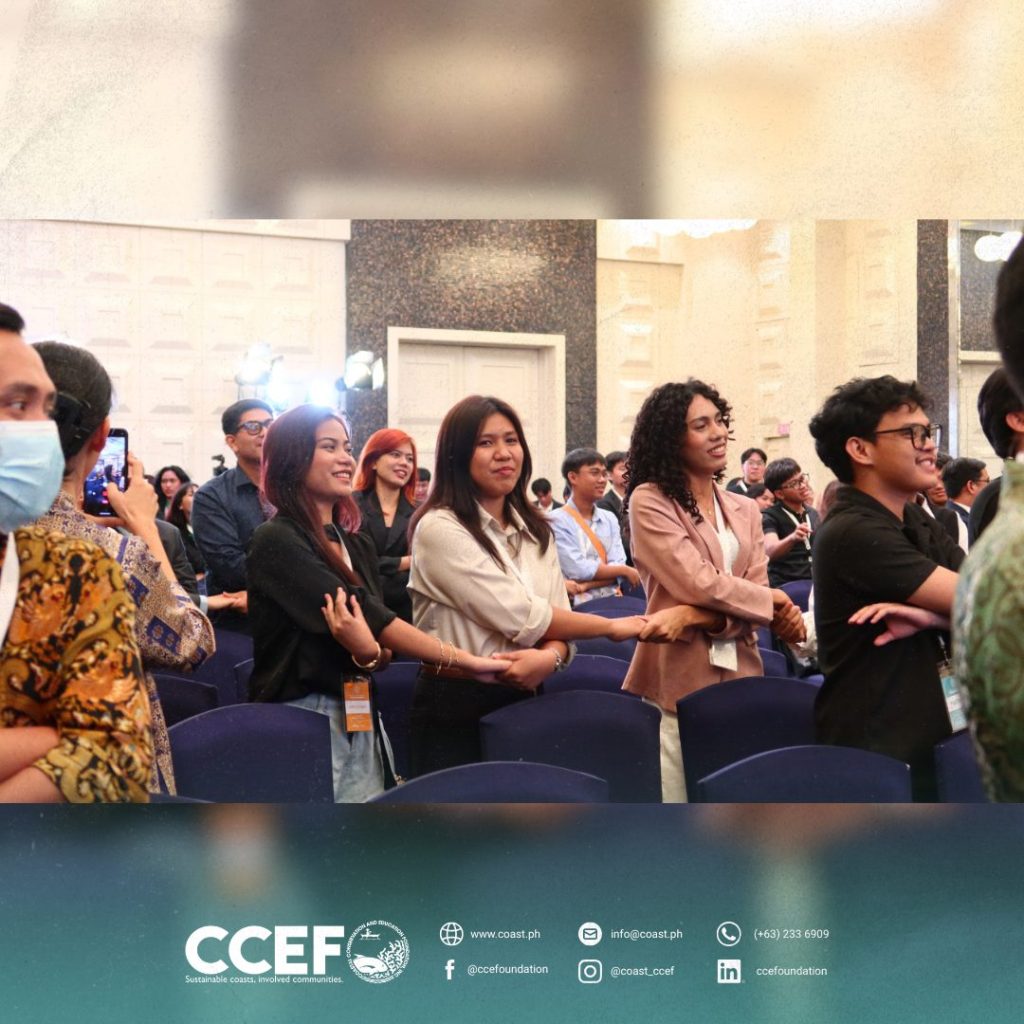
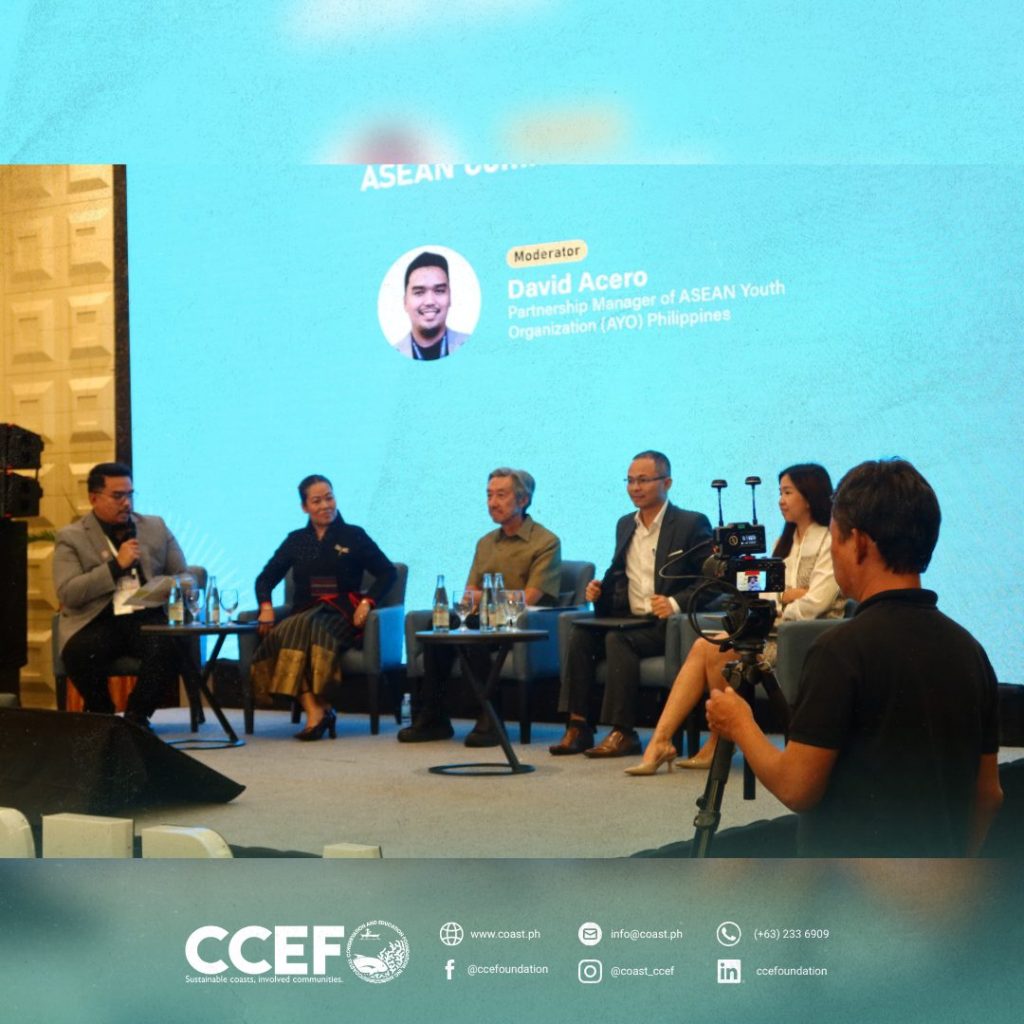
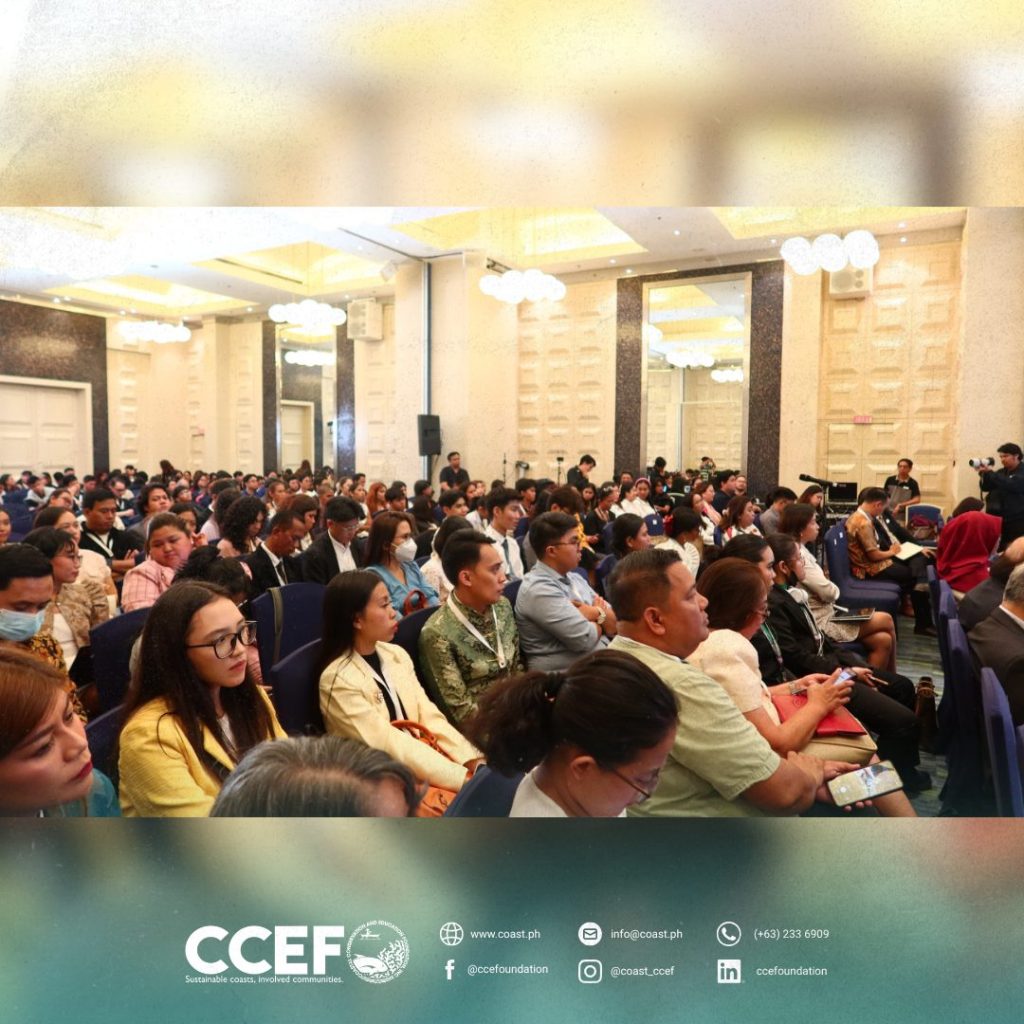
Coastal Conservation and Education Foundation (CCEF) took center stage at the ASEAN Community Town Hall in Cebu, Philippines. This high-profile gathering served as the grand finale of the inaugural ASEAN for the Peoples Week (AFPW), which ran from May 5–8, 2026.
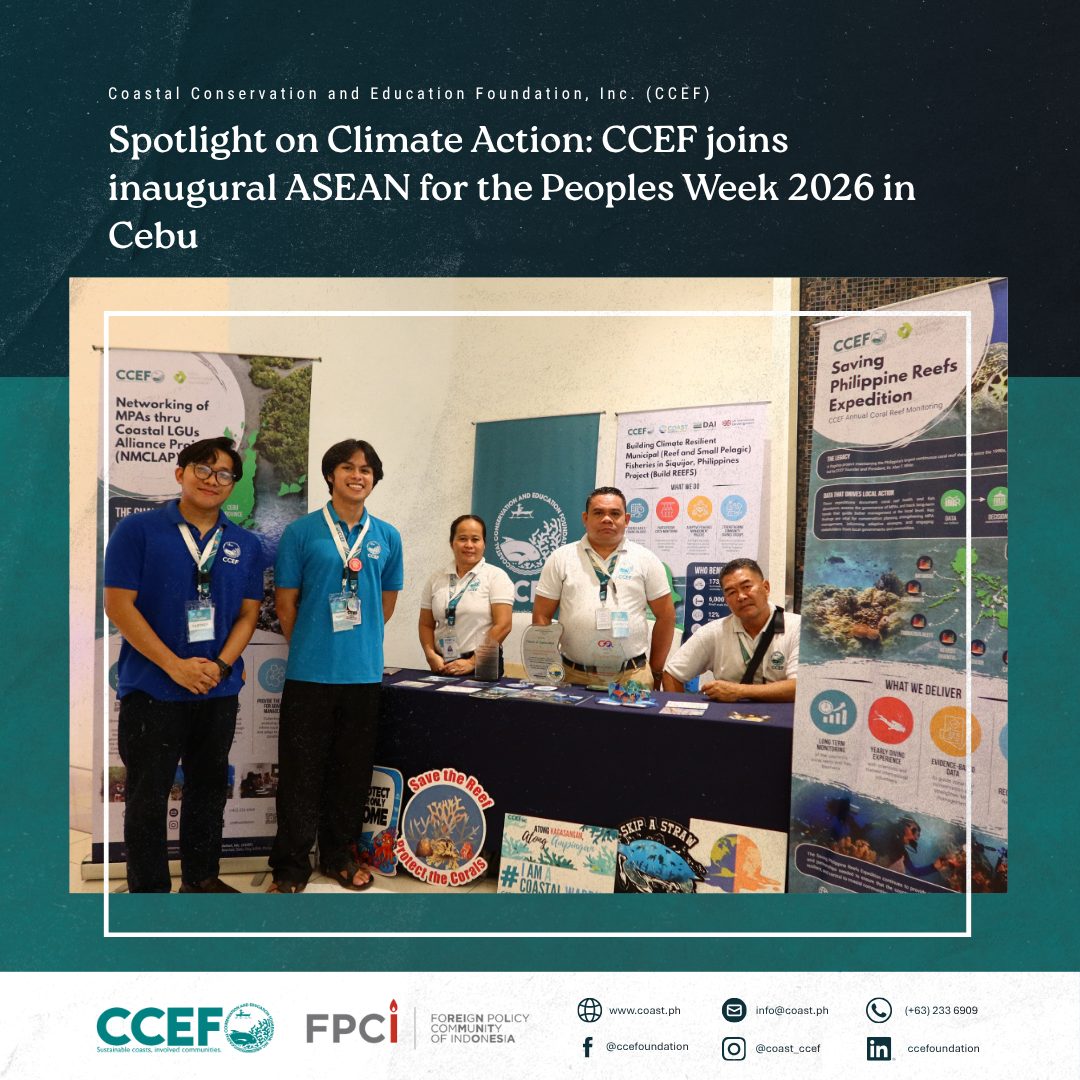
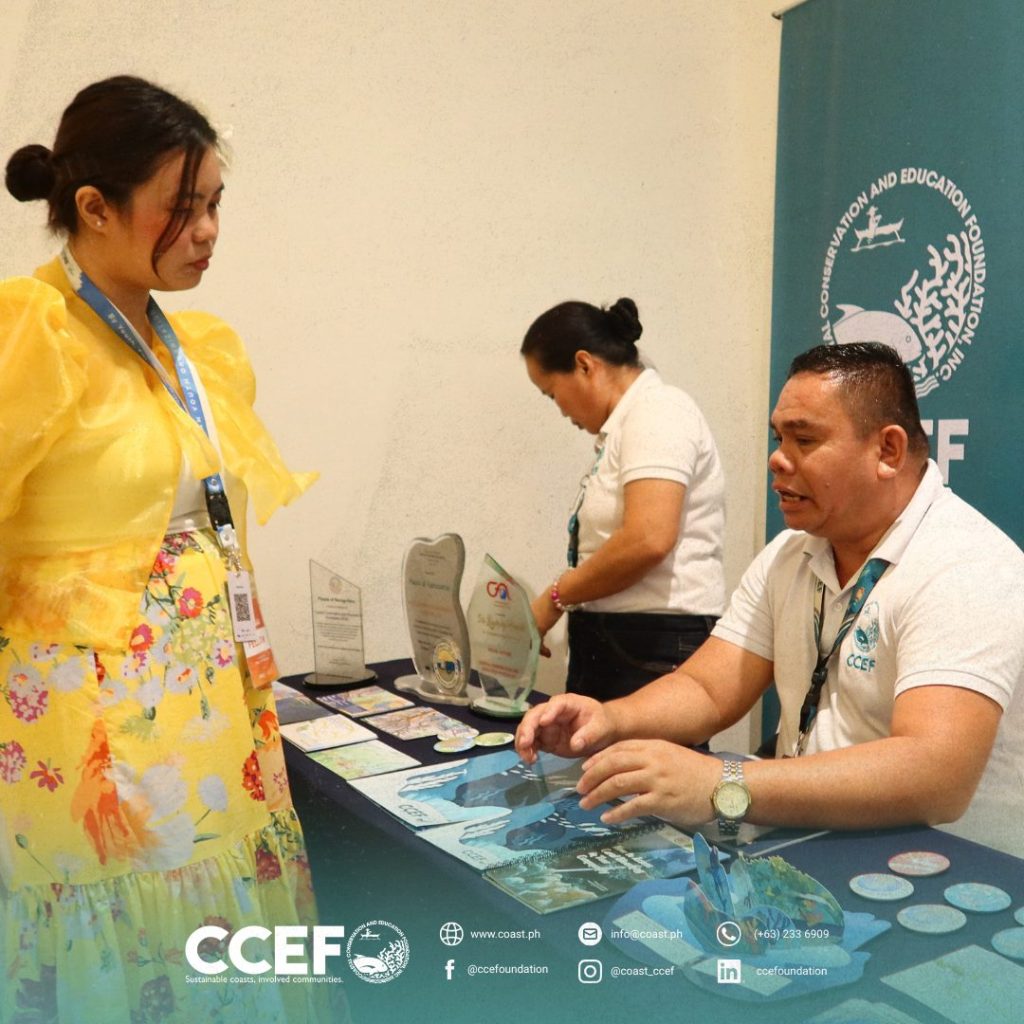
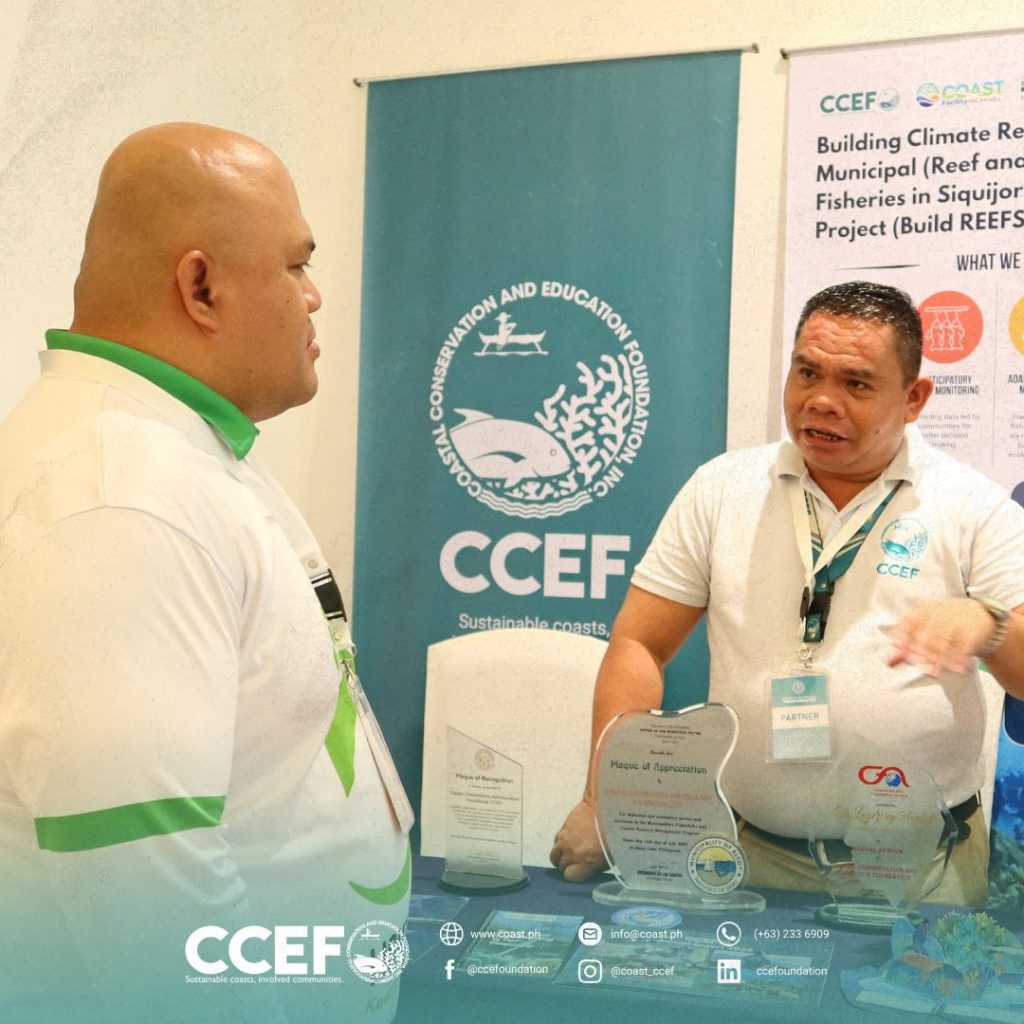
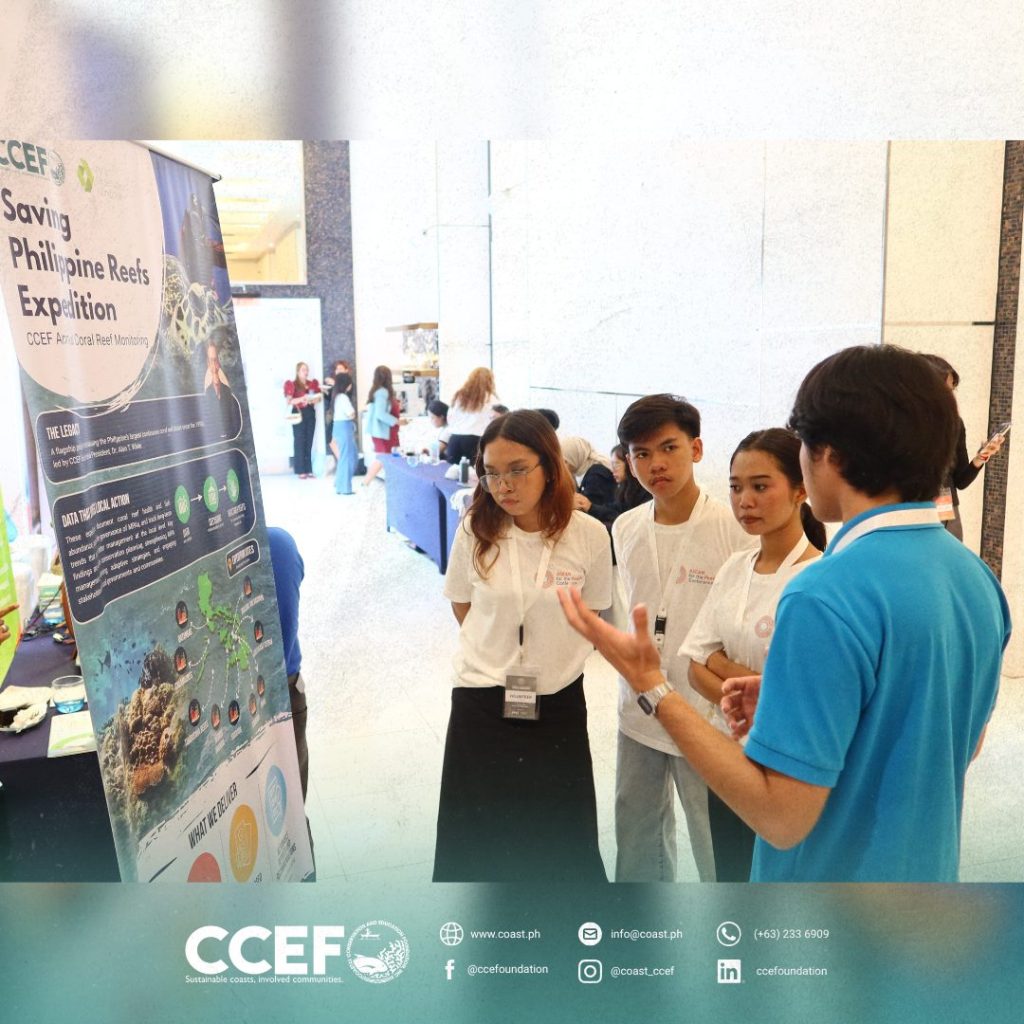
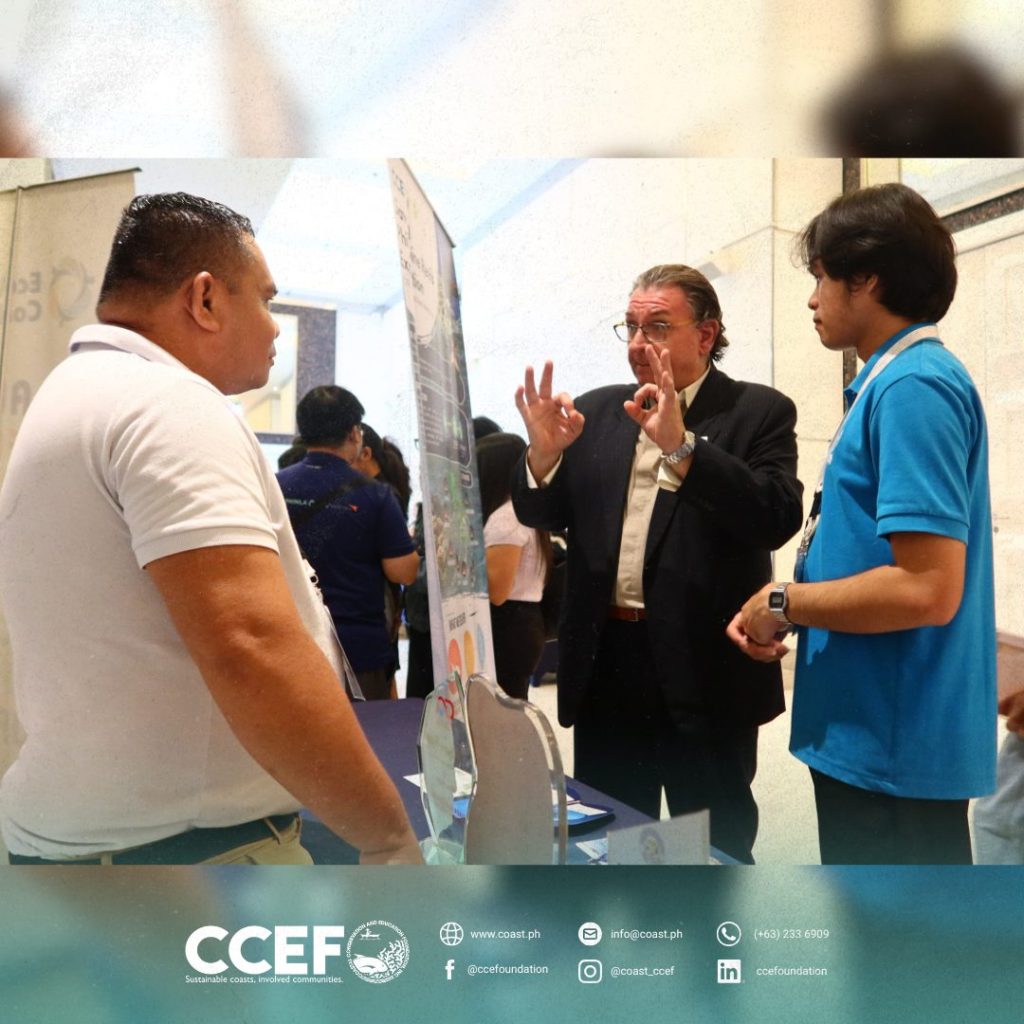
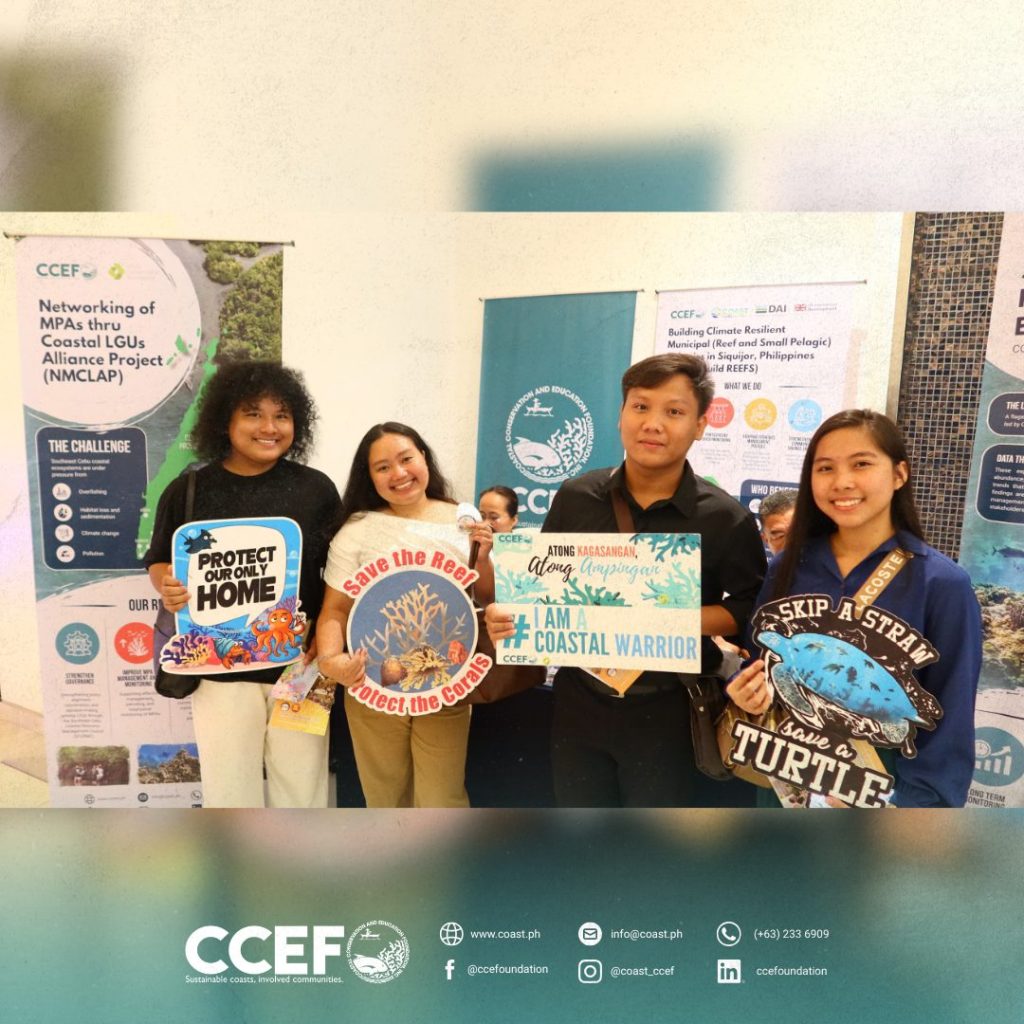
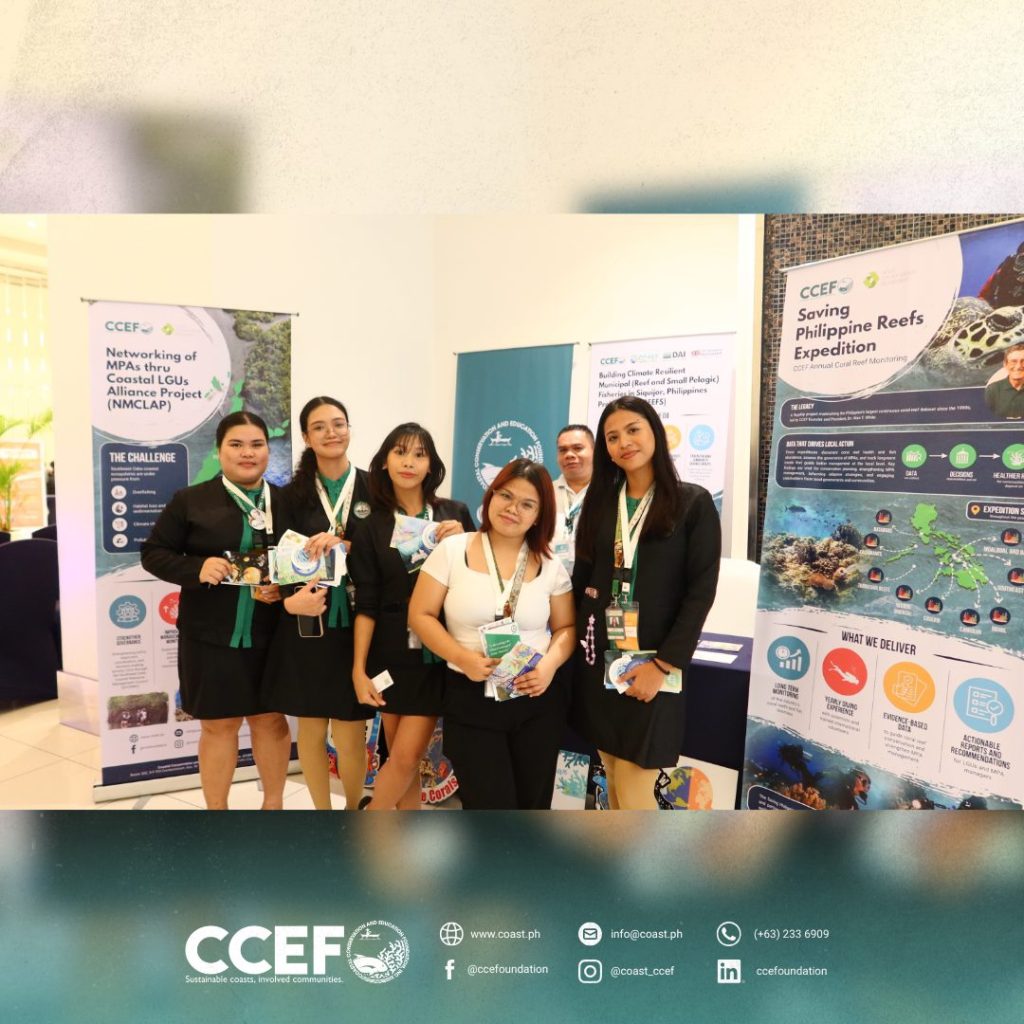
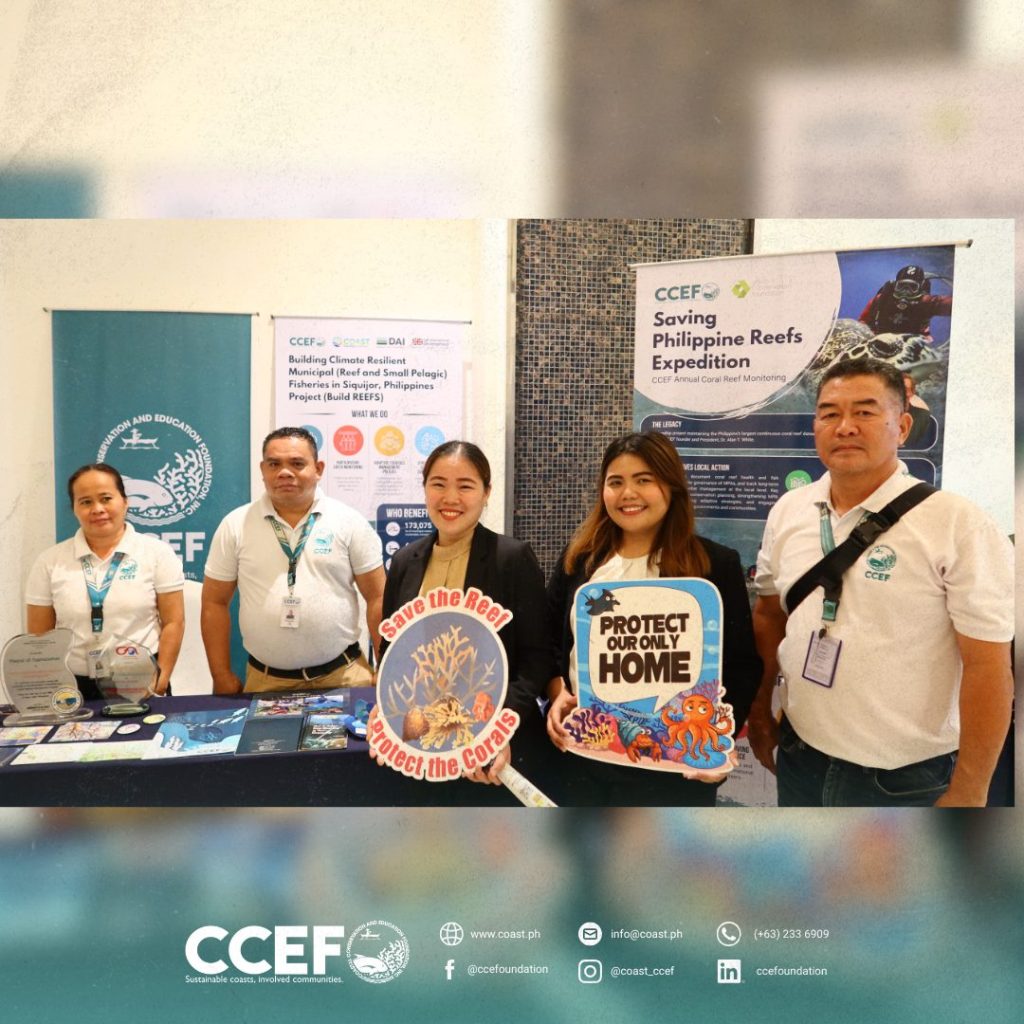
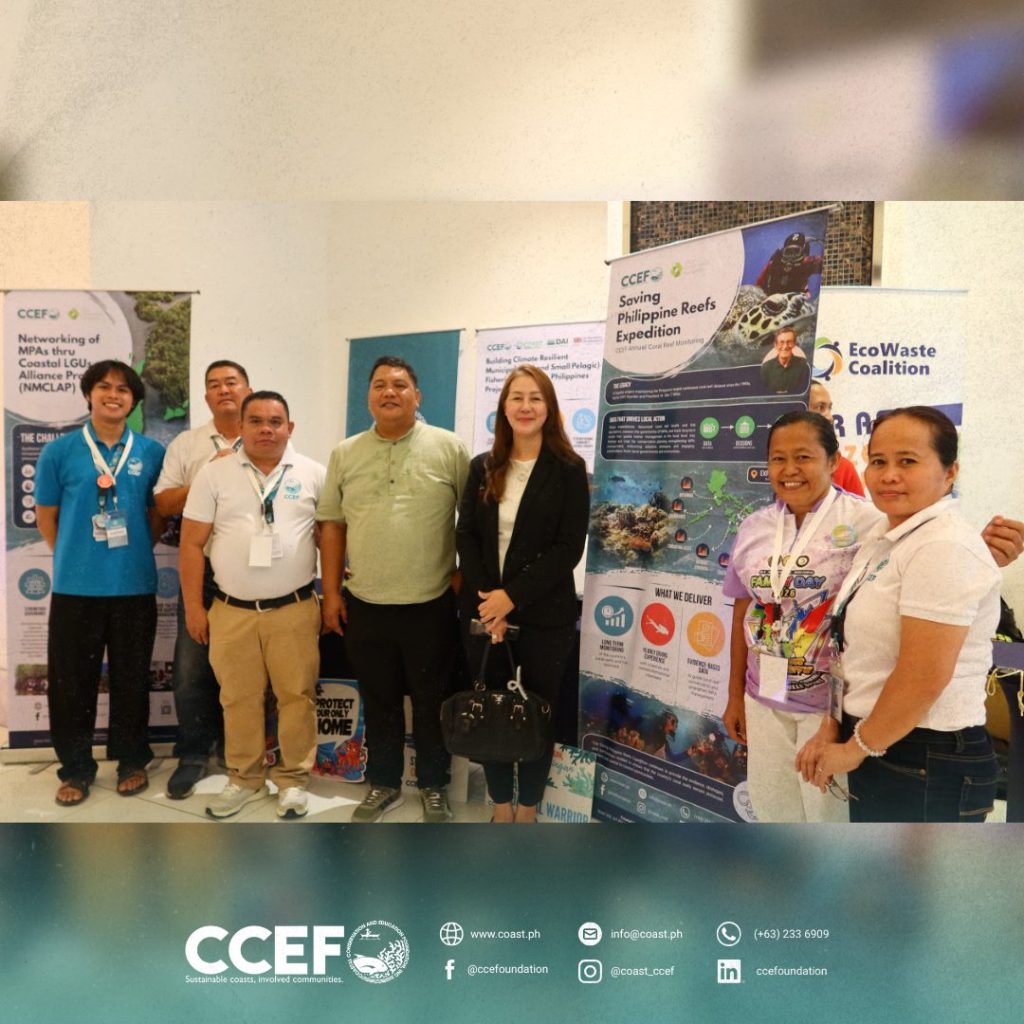
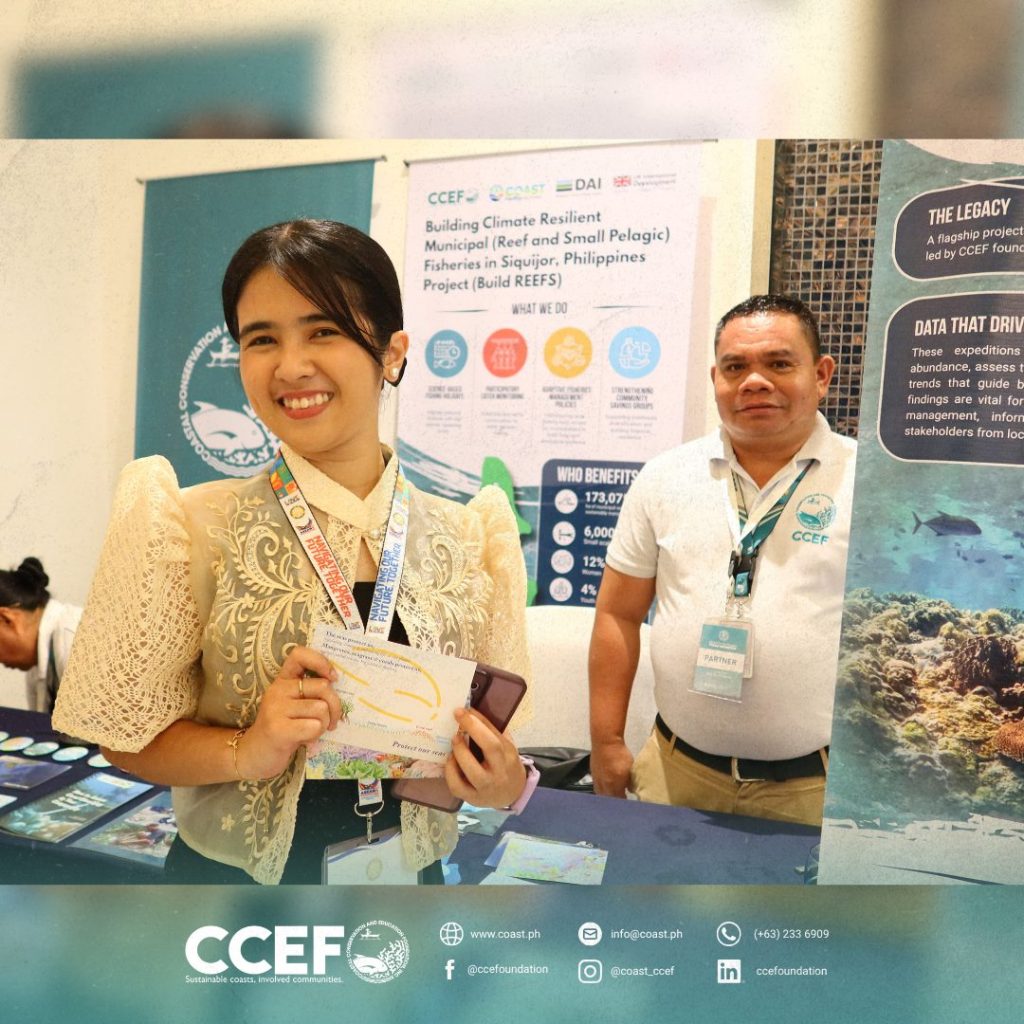
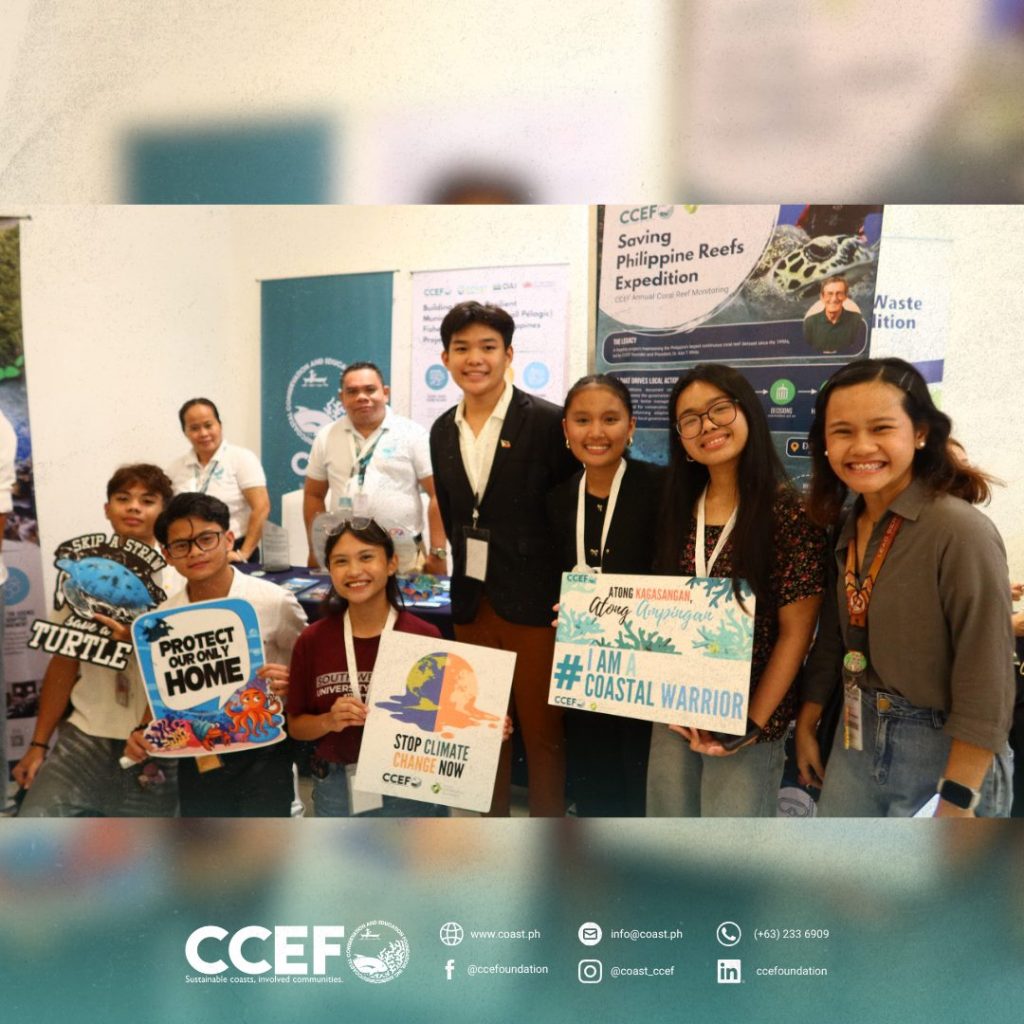
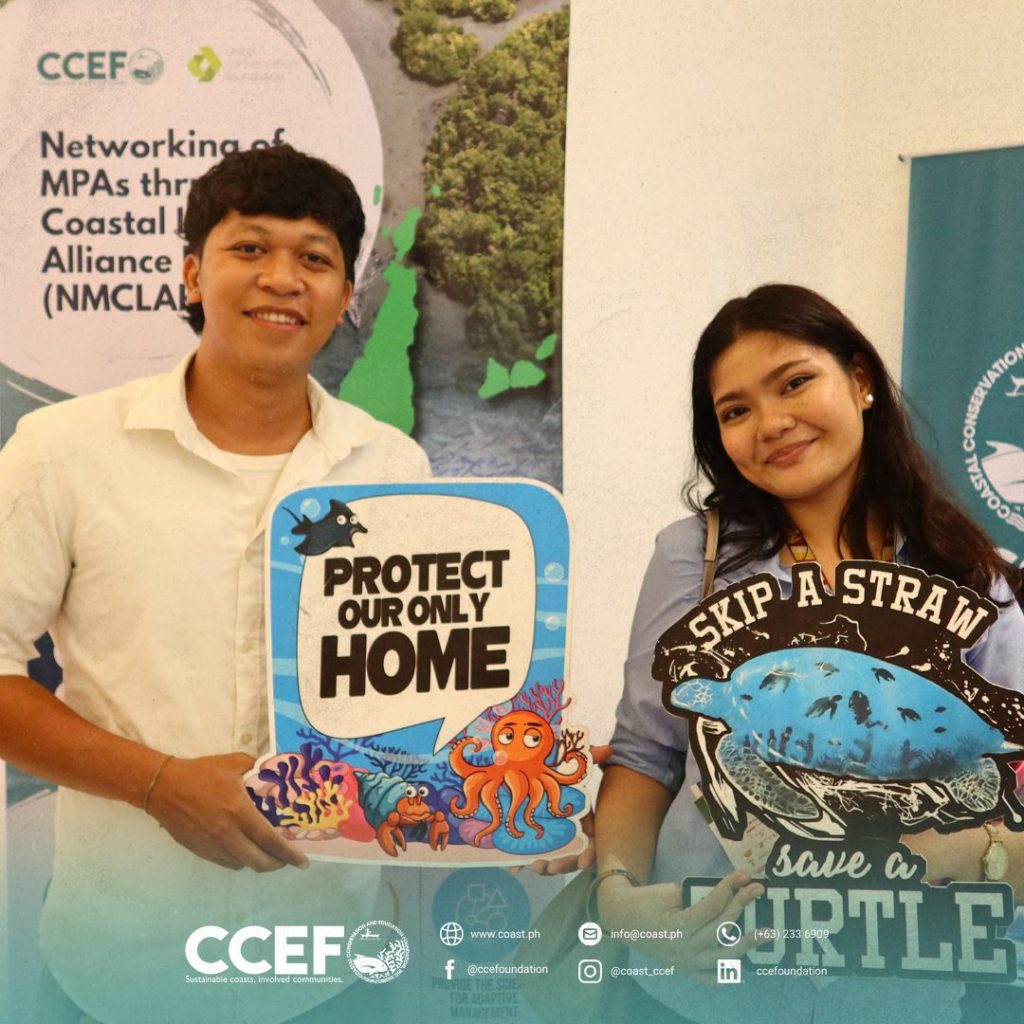
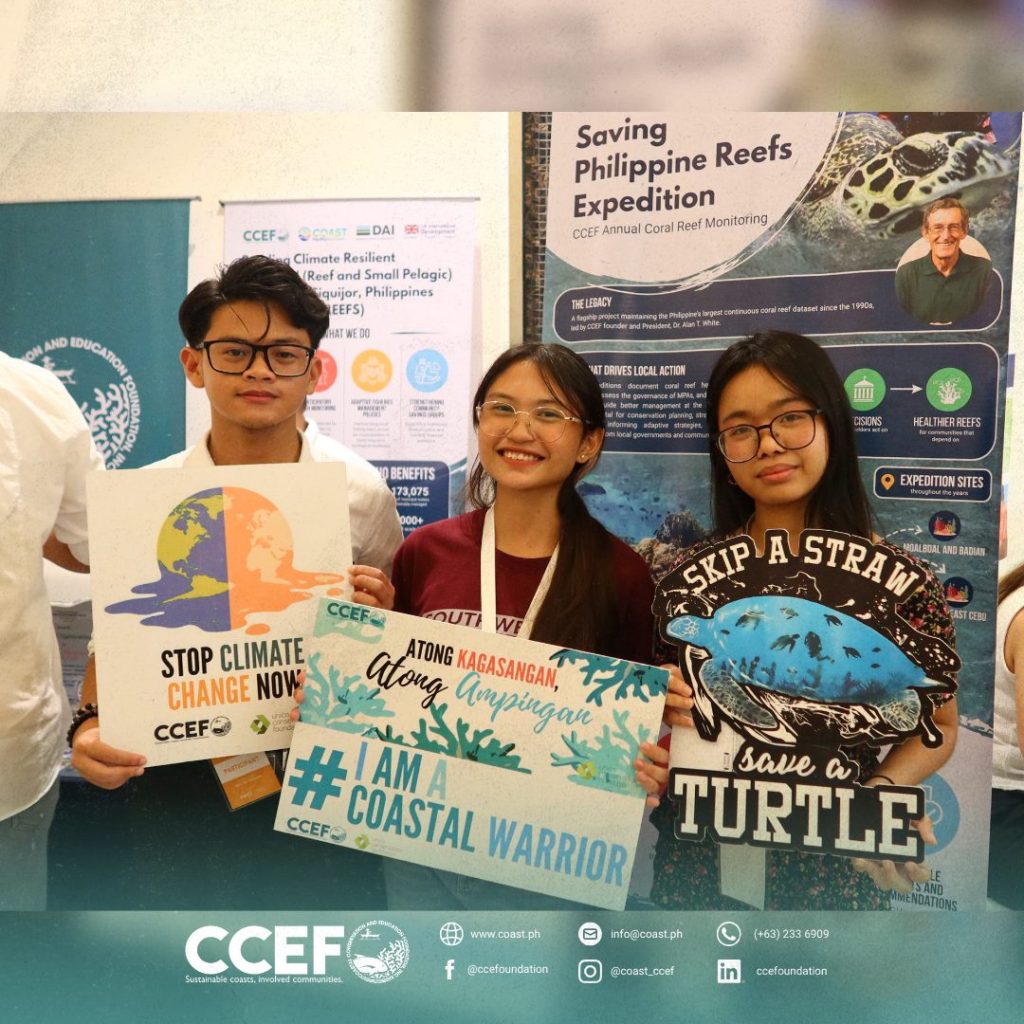
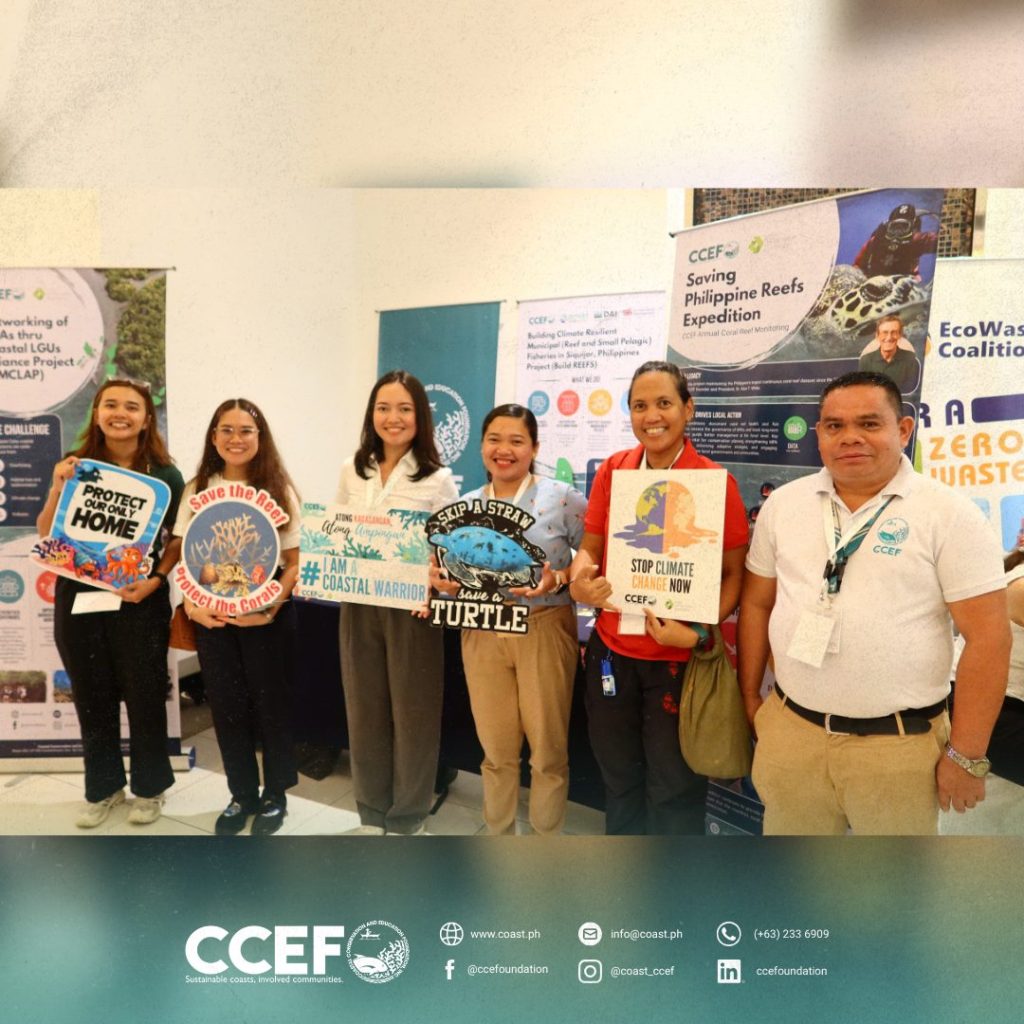
As a trusted partner of the event organizer, the Foreign Policy Community of Indonesia (FPCI), CCEF mounted an interactive exhibit that bridged the gap between municipal marine sanctuaries and regional geopolitical governance.
Shifting Power to the People
To understand the weight of this event, one must look at how policy moves in Southeast Asia:
- The ASEAN Summit: The official, high-level diplomatic convening of heads of state from the 10 member nations of Southeast Asia. It dictates regional laws, economic treaties, and international security frameworks.
- ASEAN for the Peoples Week (AFPW): Launched in 2026 by FPCI, AFPW is a civil-society platform running in parallel with the official ASEAN Summit. Rotating annually with each ASEAN chair country, this inaugural event opened up the traditionally closed-door diplomatic process. It empowers grassroots advocates, civil society organizations, and scientists to spotlight regional policy by tackling governance challenges at the community level, fostering dialogue, and sharing best practices across nations. With the active participation of academe, CSOs, NGOs, and conservationists, these exchanges ensure that local voices and innovations gain recognition on the regional stage.
By aligning the strategic goals of FPCI and CCEF, the event demonstrated how environmental conservation cannot succeed without strong, unified regional governance.
Aligning Local Action with Regional Governance
CCEF’s presence at the town hall as a core FPCI partner highlights a shared mission: strengthening governance. True sustainability requires empowering local coastal leaders while simultaneously fortifying the regulatory frameworks of governing bodies across Southeast Asia.
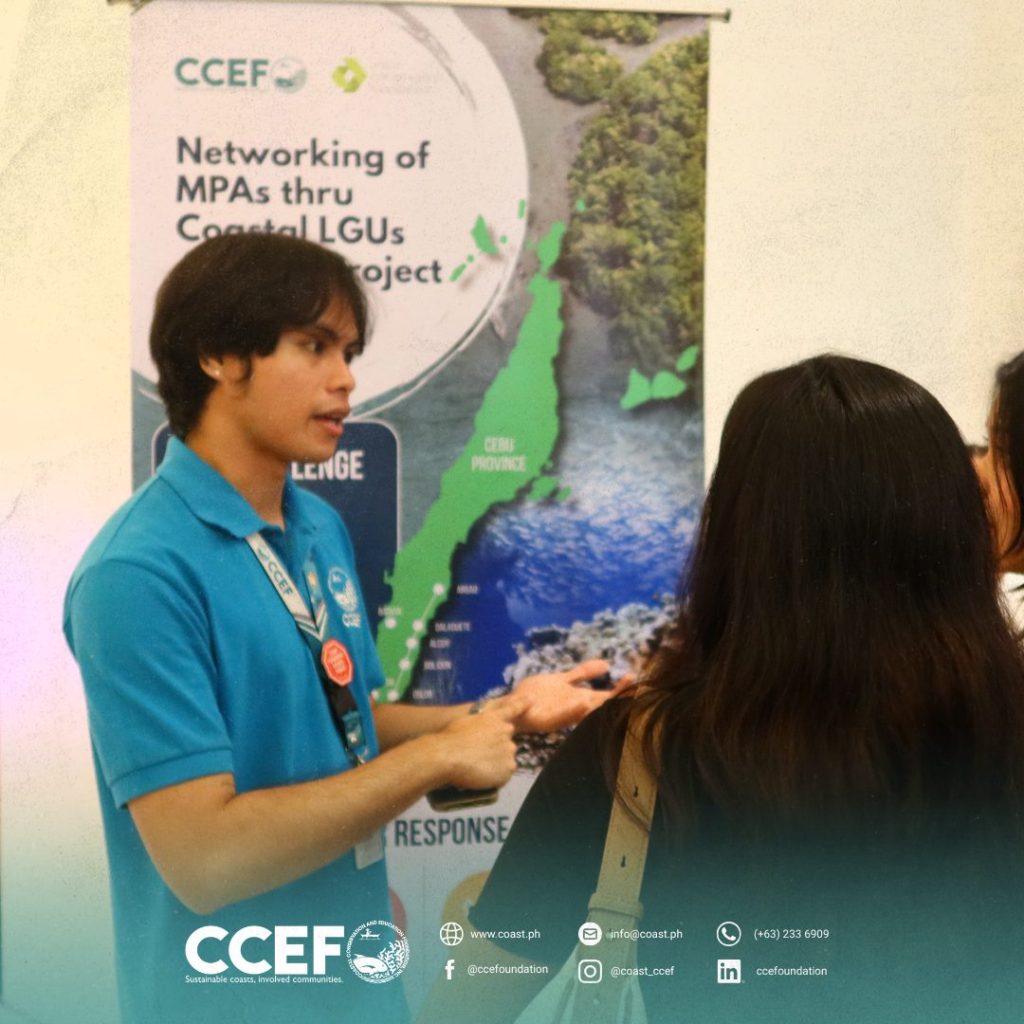
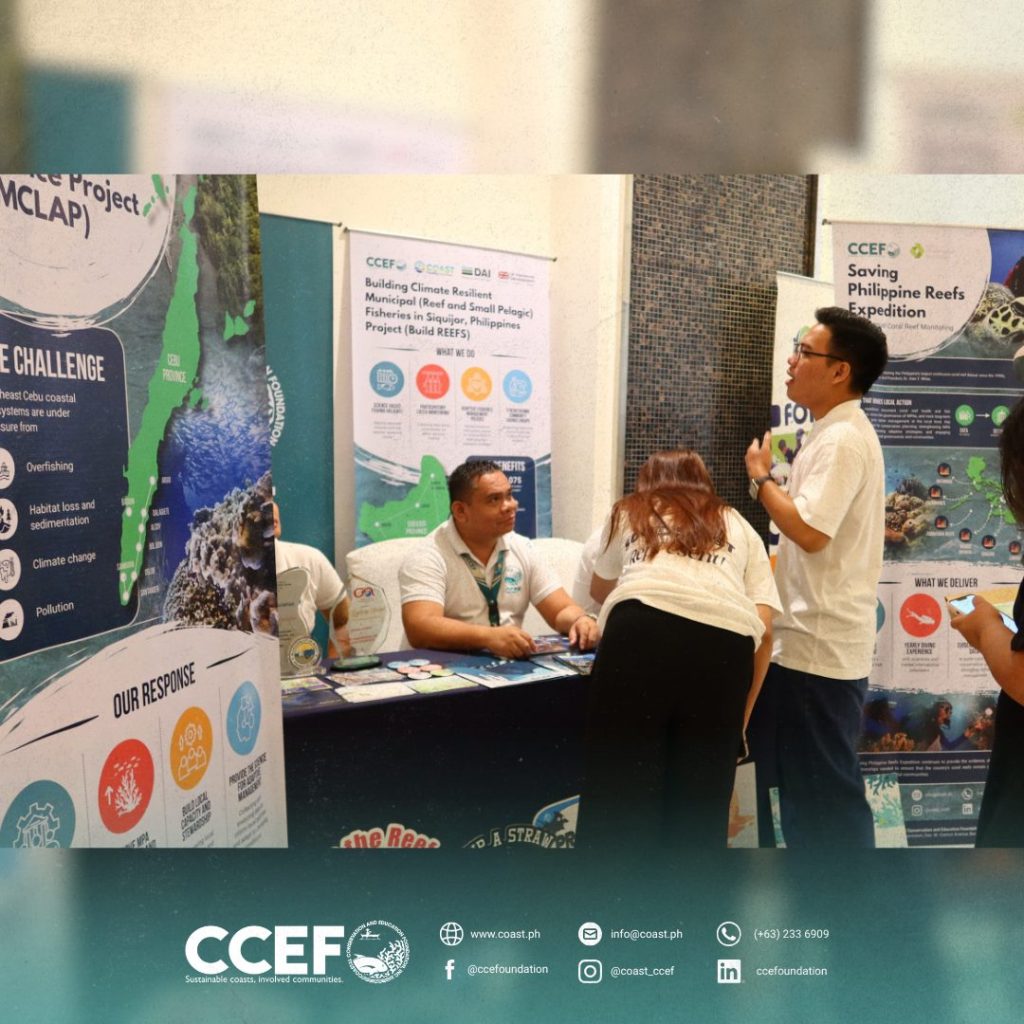
Our interactive exhibit showcased three ongoing flagship projects:
- NMCLAP & ProComTour that unifies coastal governance and ecotourism in Southeast Cebu and Badian: Sustains a seven-municipality alliance to reinforce marine protections while empowering local people’s organizations (POs) to launch sustainable, conservation-linked tourism enterprises.
- Build REEFS Project that enforces science-backed fishing holidays in Siquijor province: Mobilizes Community Savings Clubs to secure household finances during seasonal bans, allowing depleted marine sanctuaries time to regenerate without threatening local livelihood security.
Strategic Debates: The Five Town Hall Sessions
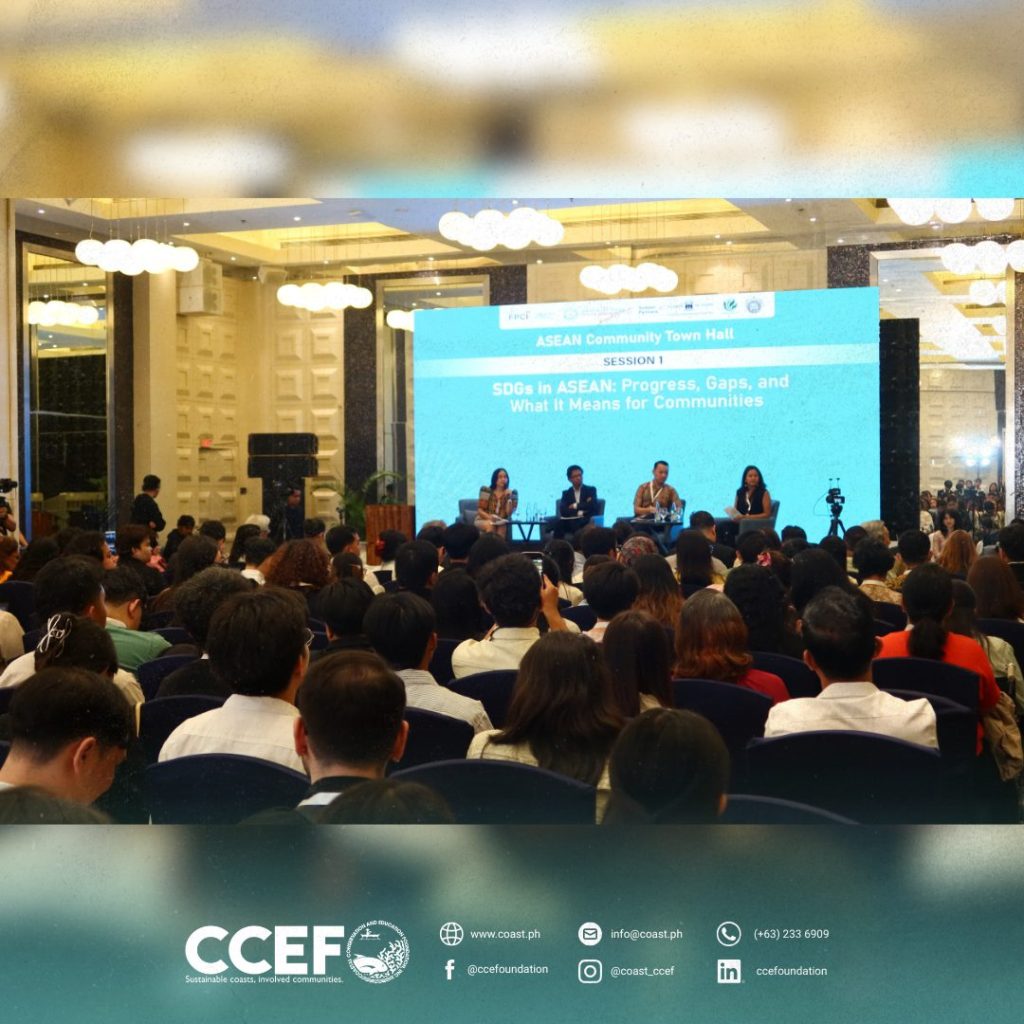
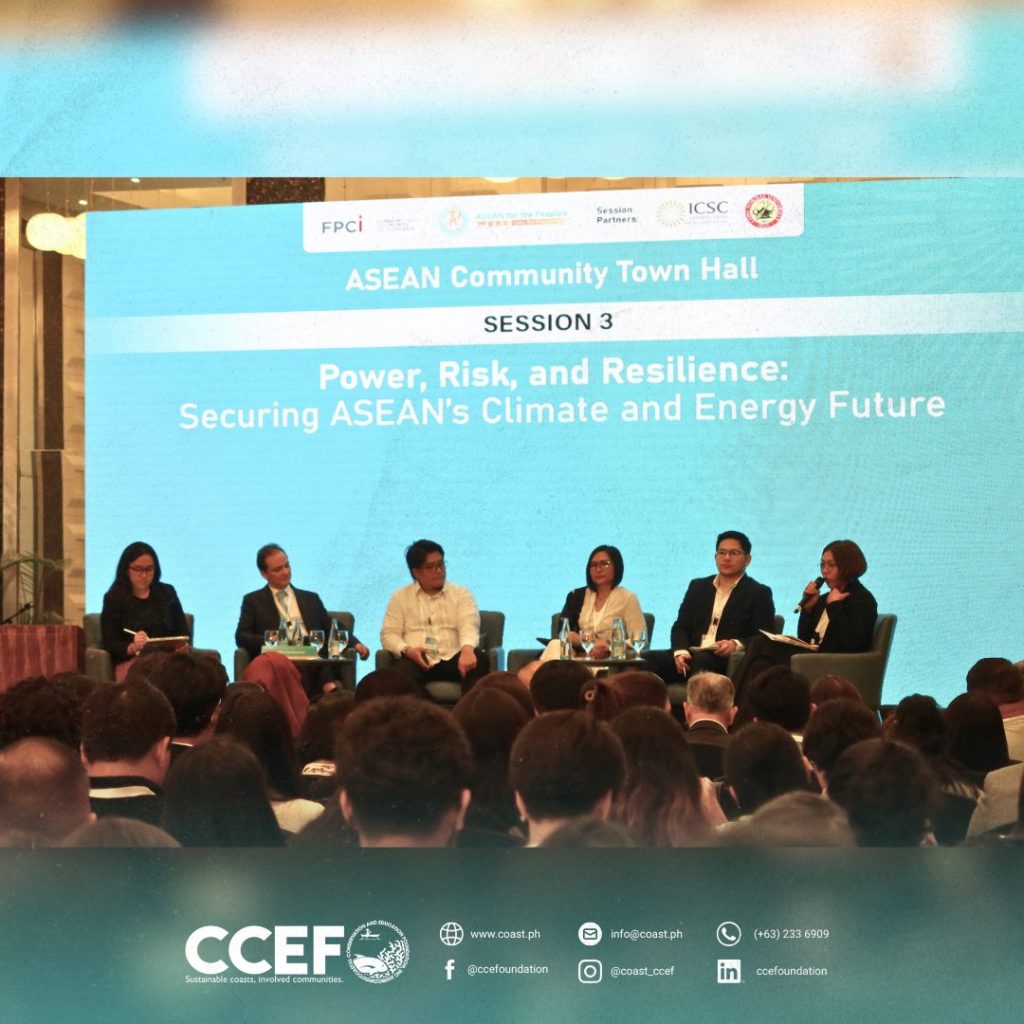
Following opening remarks from FPCI Founder Dr. Dino Patti Djalal and Philippine Foreign Affairs Secretary Ma. Theresa P. Lazaro, delegates and partner organizations dove into five critical strategy sessions:
- Session 1: SDG Progress and Gaps. Analyzing where Southeast Asia falls short in its sustainable development goals and mapping out the corrective actions needed.
- Session 2: Inclusive Digital Economies. Finding concrete ways to make digital tools work for Micro, Small, and Medium Enterprises (MSMEs).
- Session 3: Climate and Grid Resilience. Securing ASEAN’s energy future by minimizing cross-border environmental risks.
- Session 4: Navigating Geopolitical Shifts. Devising strategies for local communities to withstand volatile macroeconomic changes.
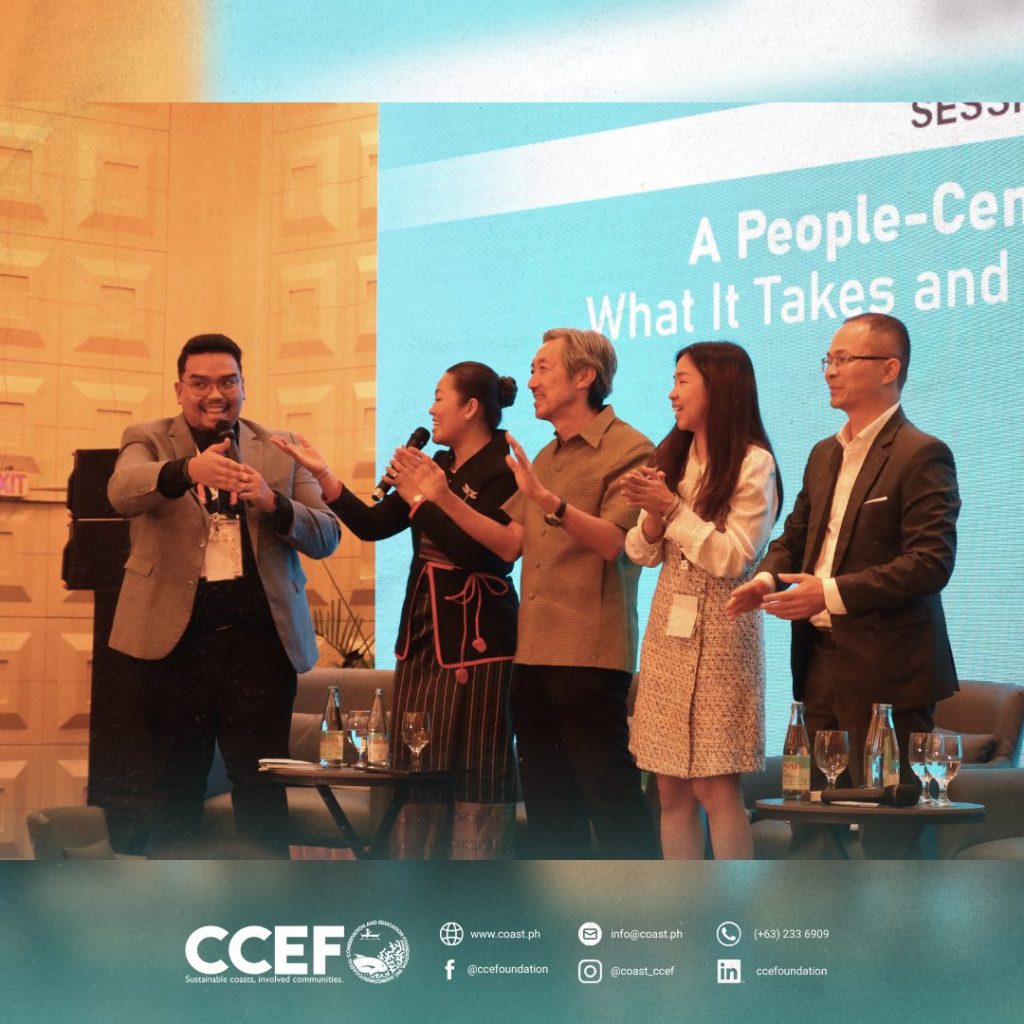
- Session 5: People-Centred Regionalism. Outlining the governance reforms needed to make the ASEAN apparatus accountable to its citizens.

From Olango to the Diplomatic Stage
CCEF’s impact at the town hall was a direct continuation of hands-on work earlier in the week. During the initial days of AFPW, international delegates traveled directly to Olango Island. There, they engaged in active conservation work and face-to-face dialogues with local fishers and community organizers.
This seamless transition from the shoreline of Olango to the diplomatic halls of Cebu proved that regional governance is most effective when it is informed by real-world, grassroots realities.
“True environmental resilience cannot be dictated from a distant boardroom; it must be co-authored by the communities tending the coastlines.”
Join the Movement for Smarter Governance
CCEF remains fiercely committed to fostering Sustainable Coasts and Involved Communities from the local level to the global stage. Building a resilient Southeast Asia requires collaboration among scientists, citizens, and policymakers alike.
- Partner with us: Help scale our science-backed marine programs to new coastal territories across the country.
- Fund our advocacy: Support our ongoing efforts to train local governing bodies in sustainable coastal resource management.