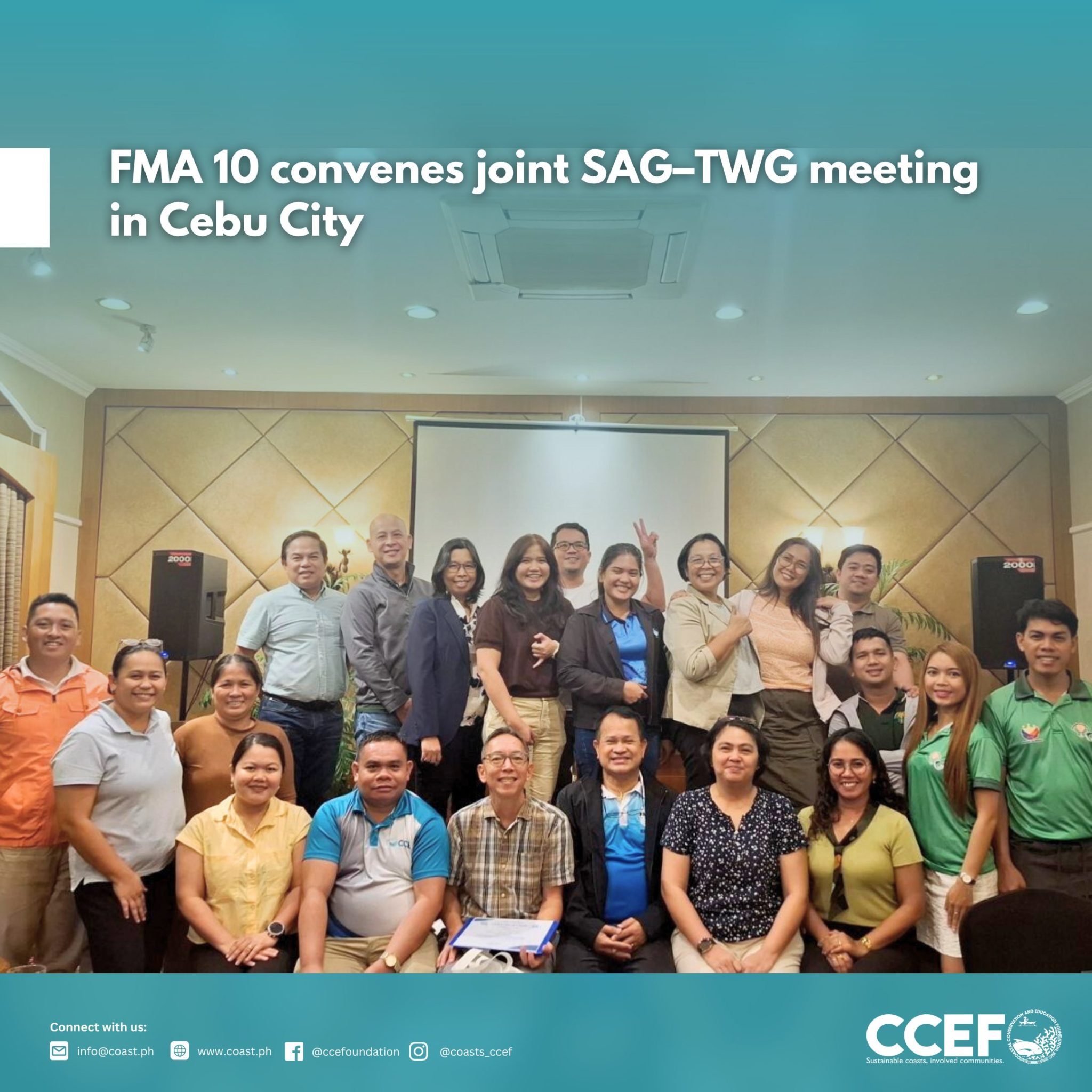
October 27–28, 2025 | Elizabeth Hotel, Cebu City
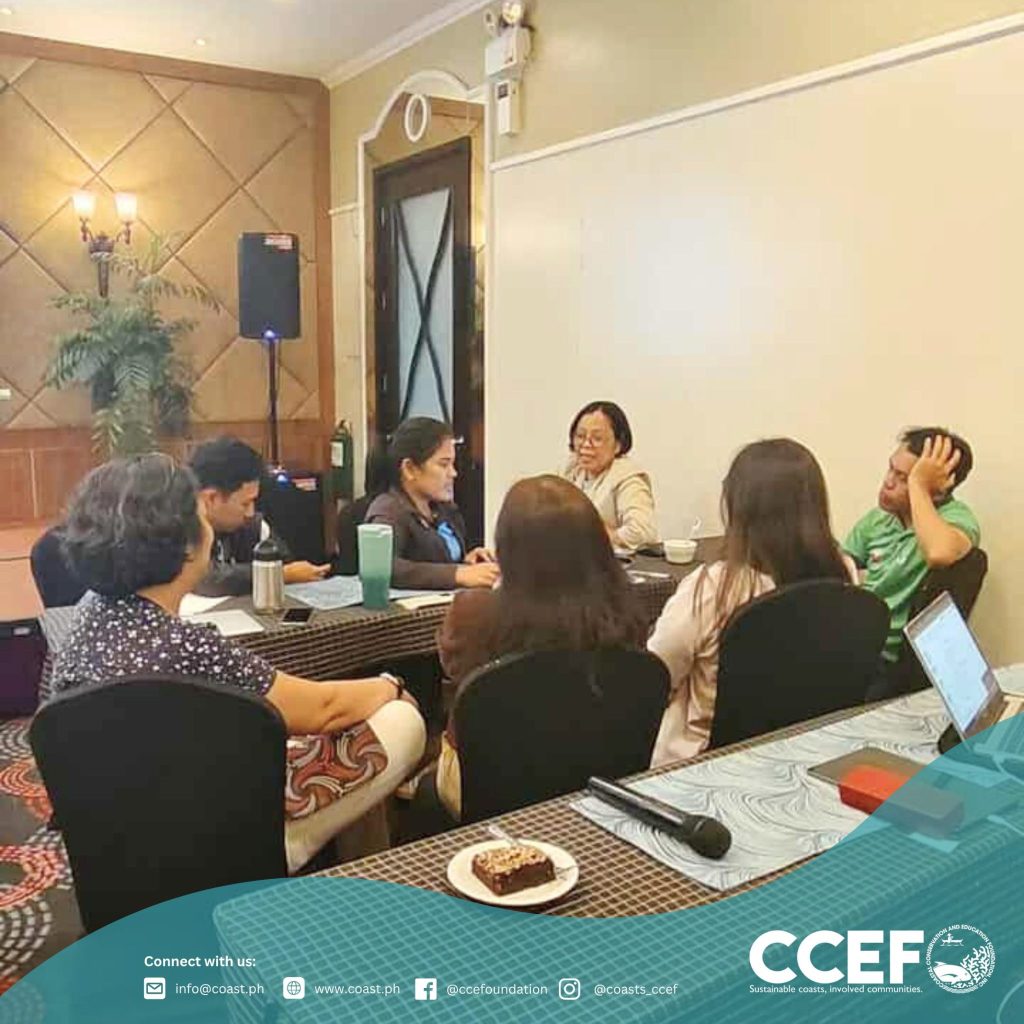
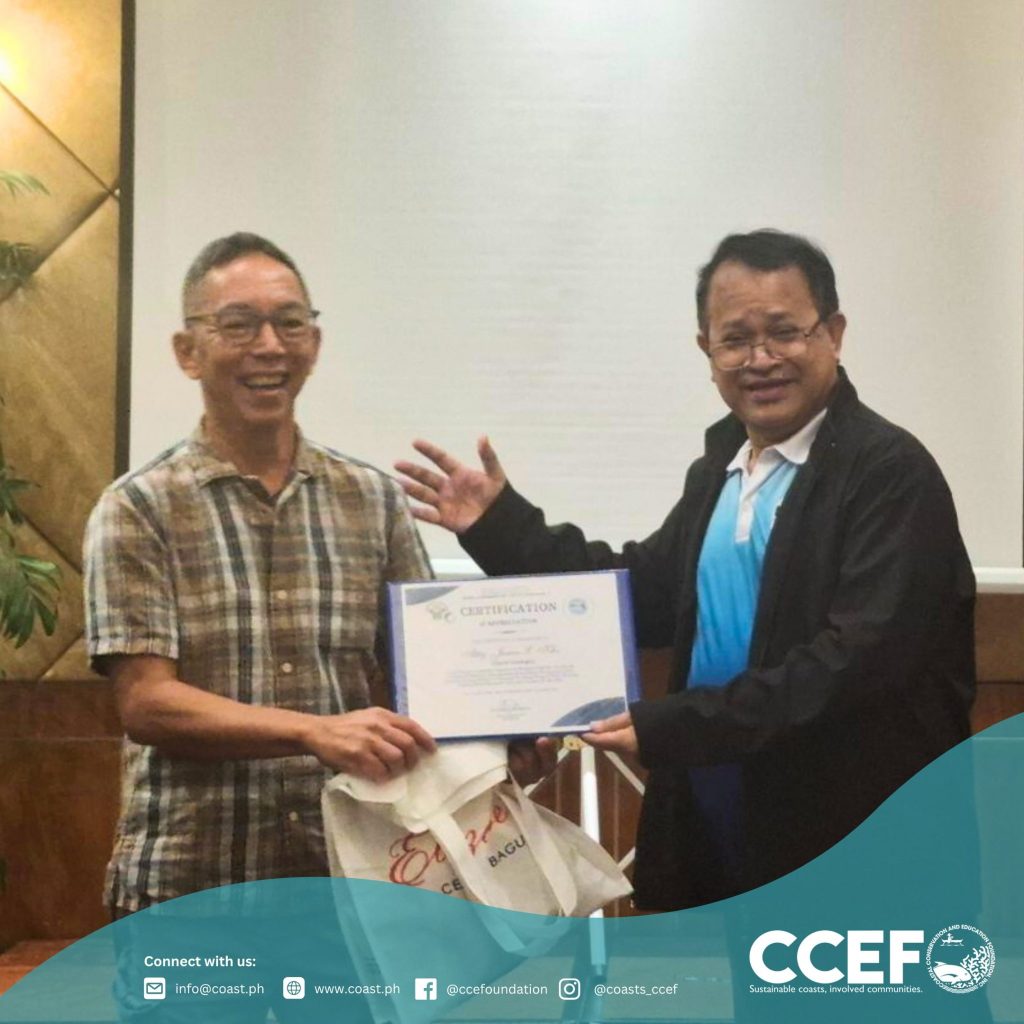
To reinforce collaborative and evidence-based fisheries governance in Visayas, Fisheries Management Area (FMA) 10 held its Joint Scientific Advisory Group (SAG) and Technical Working Group (TWG) Meeting, bringing together representatives from national agencies, academic institutions, and partner organizations, including the Coastal Conservation and Education Foundation (CCEF).
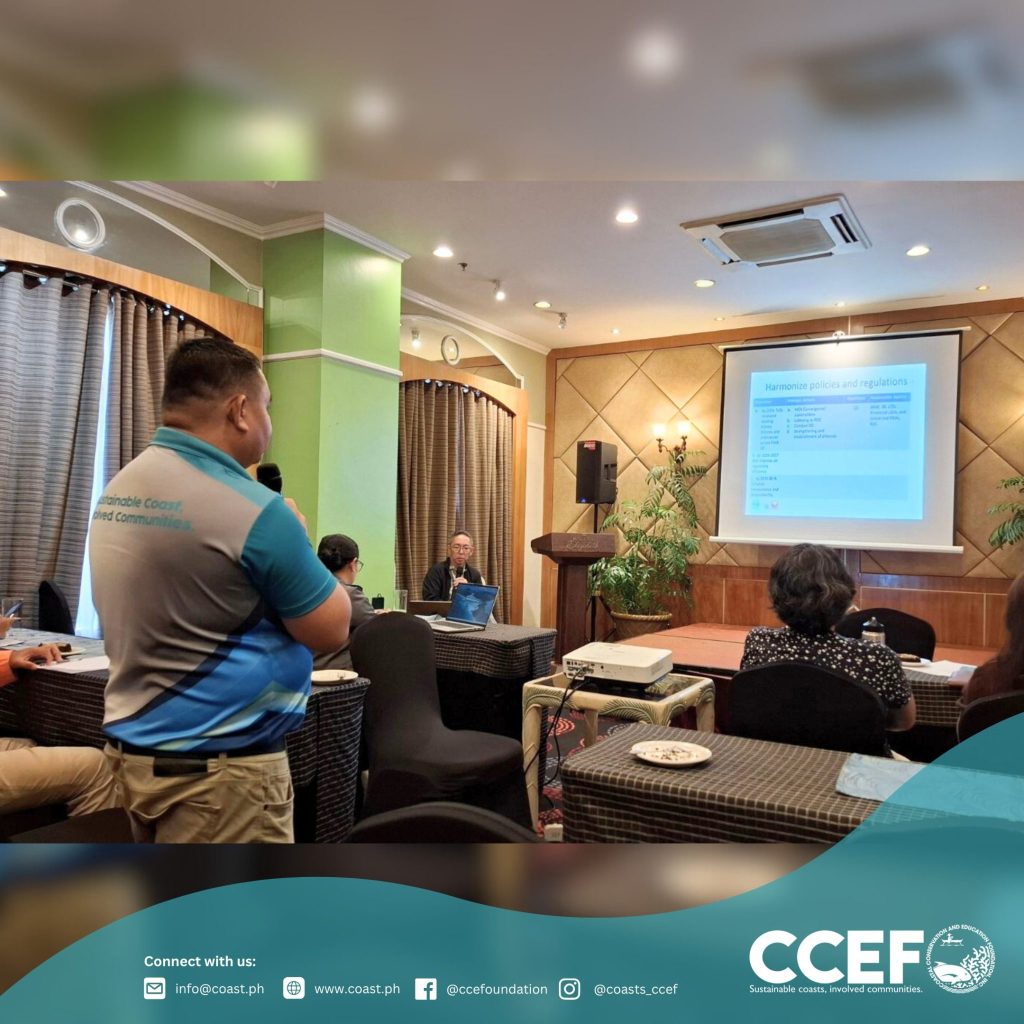
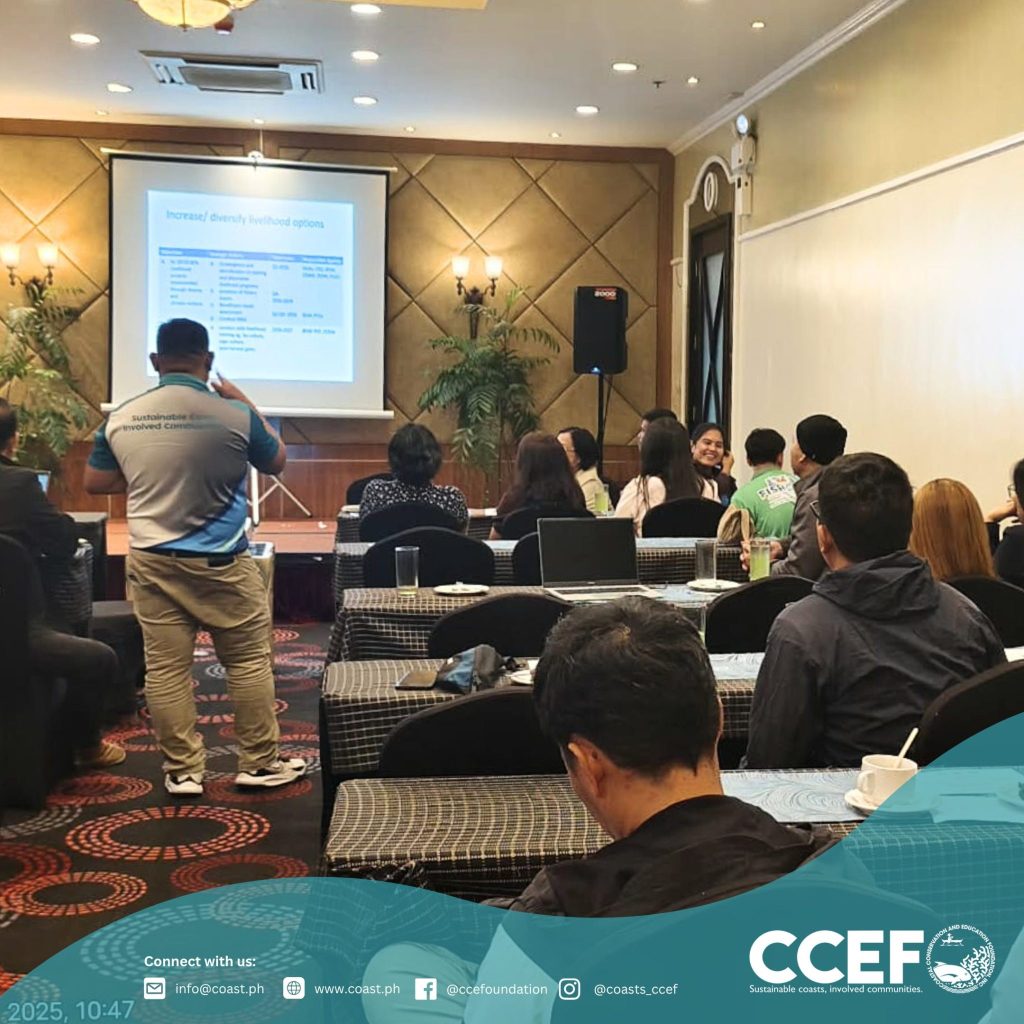
The two-day meeting focused on:
- Stakeholder engagement updates for seaweed farmers and growers under the “Reviving the Seaweed Industry in Bohol” initiative
- Presentation of the status of the top 10 priority species within FMA 10 for SAG review and approval
- Overview of the upcoming Joint SAG–TWG Management Actions Workshop, which will consolidate science-based recommendations into actionable governance plans
Fisheries Management Areas (FMAs) were established under the Philippine Fisheries Administrative Order (FAO) No. 263, s. 2019, which divided the country’s waters into 12 distinct zones. This landmark policy aims to create a more structured, science-based, and participatory system for managing and conserving fisheries, ensuring that decisions are grounded in ecological realities and stakeholder needs.
FMA 10 spans a biologically rich and economically vital seascape, covering:
- Region VII (Central Visayas): Cebu Strait, Bohol Strait, Camotes Sea, Danajon Bank, Maribojoc Bay
- Region VIII (Eastern Visayas): Camotes Sea, Biliran Strait, Ormoc Strait
The Scientific Advisory Group provides the scientific foundation for decision-making. It reviews stock assessments, habitat data, and ecological trends to guide species prioritization, harvest strategies, and conservation targets. While the Technical Working Group, on the other hand, translates these scientific recommendations into practical management actions. It coordinates with local government units, national agencies, and stakeholders to implement policies, monitor compliance, and adapt strategies based on field realities.
In a complex and interconnected seascape like FMA 10, the strength of these governance bodies directly influences the sustainability of fisheries, the resilience of coastal communities, and the long-term health of marine ecosystems.
CCEF helps ensure that fisheries management is not only effective on paper but resonant in practice—grounded in local realities, visible to partners, and responsive to change.