CAWAYAN, DALAGUETE, CEBU, October 15, 2026
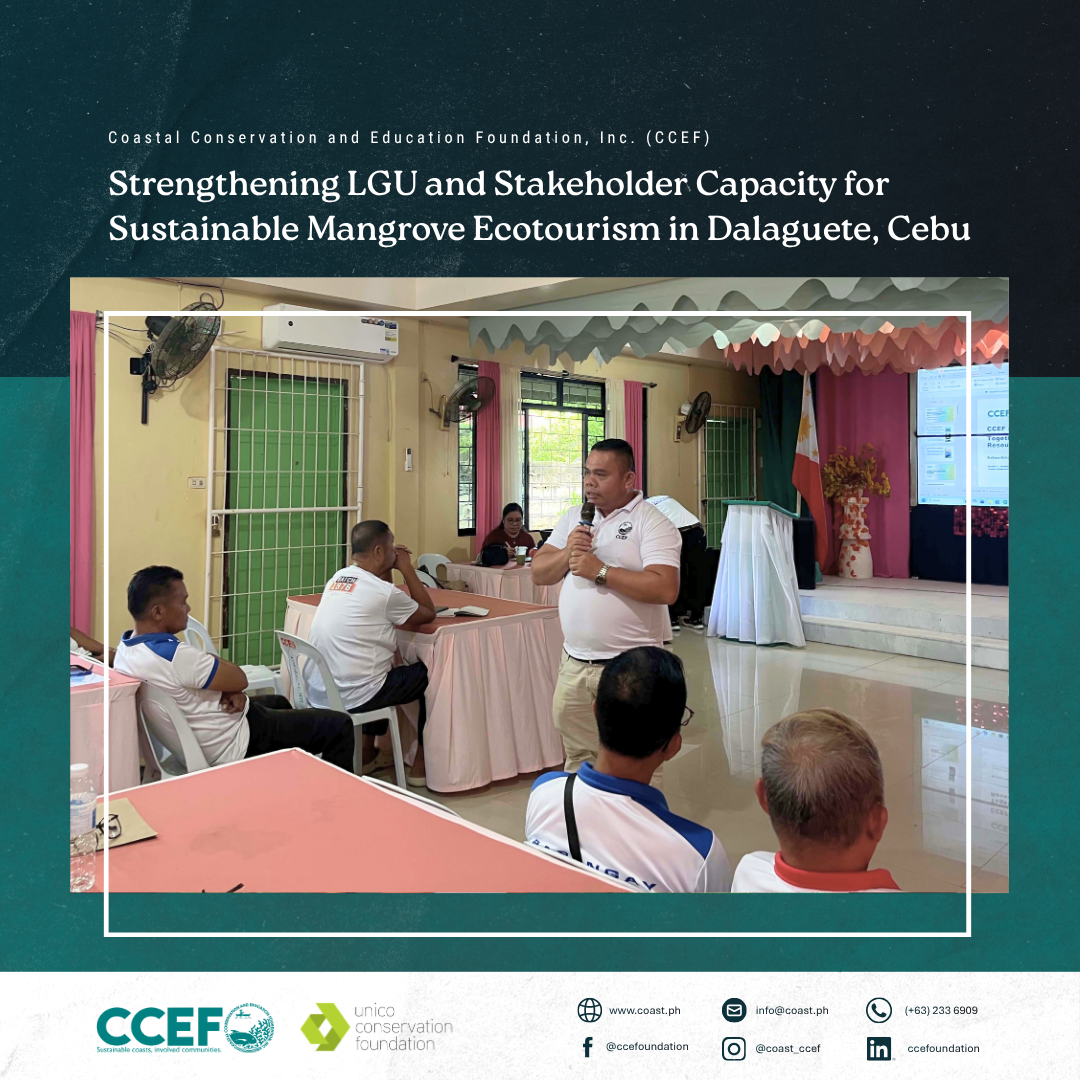
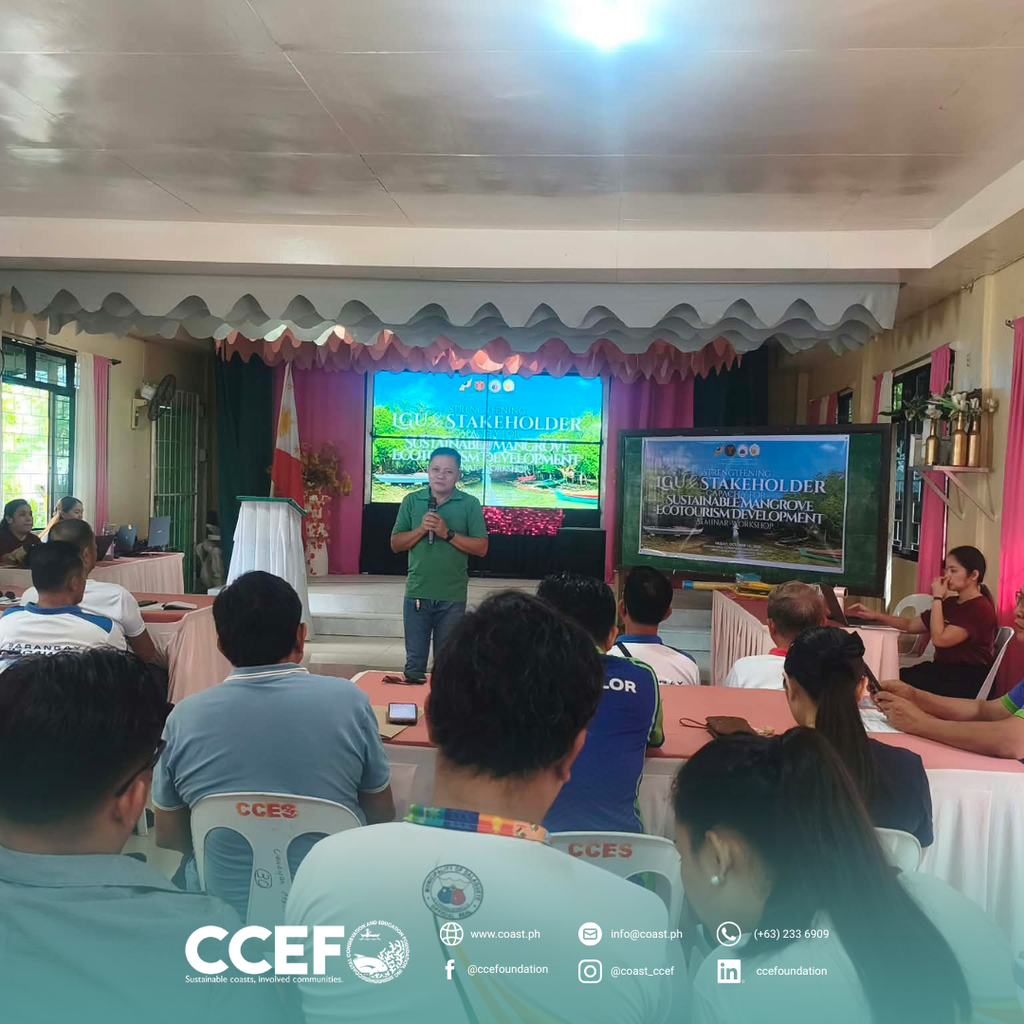
The Municipality of Dalaguete recognizes the potential of its mangrove areas for ecotourism development. However, the successful planning and management of such an initiative requires technical knowledge, community participation, and a clear understanding of ecological limits, which local stakeholders are still in the process of building. In support of this, the Dalaguete Tourism Investment and Promotion Office, in partnership with the University of the Philippines Asian Institute of Tourism (UP-AIT), convened the workshop “Strengthening LGU and Stakeholder Capacity for Sustainable Mangrove Ecotourism Development in Dalaguete, Cebu.” The activity was attended by 63 participants, comprising 27 males and 36 females.
Multi-Sector Participation
The workshop was attended by representatives of the Local Government Unit of Dalaguete, UP-AIT, and the Coastal Conservation and Education Foundation, Inc. (CCEF), together with Sangguniang Bayan members, barangay officials, Bantay Dagat personnel, fisherfolk and women’s organizations, youth representatives, and teachers. The breadth of participation reflected a shared commitment to community-centered and environmentally responsible tourism development.
Technical Contribution of CCEF
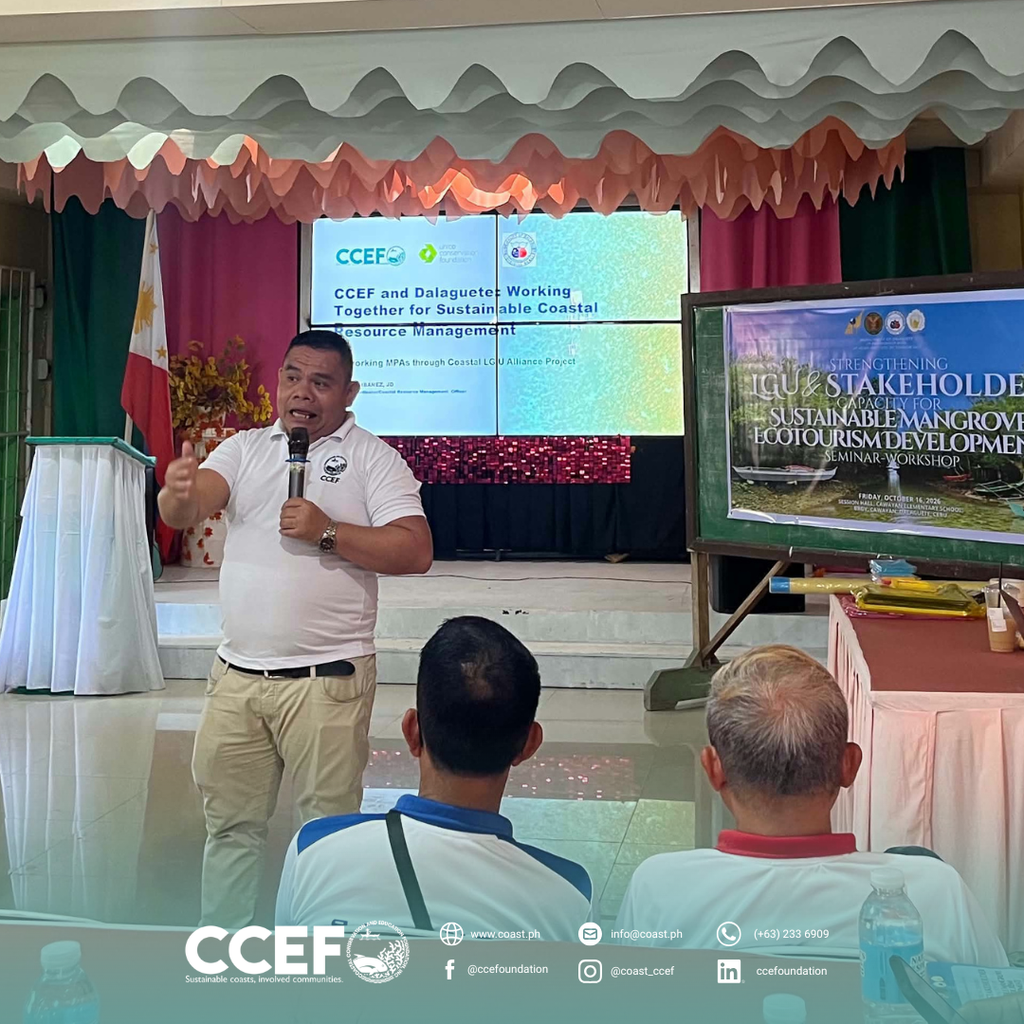
At the invitation of UP-AIT, CCEF shared its experience in coastal conservation, marine protected area (MPA) management, and community-based coastal resource management in southeastern Cebu. Ranie C. Ibanez, Project Coordinator/Coastal Resource Management Officer, and Jofel D. Coching, Head of Science and Education, delivered the session “Overview: Mangrove Conservation and Coastal Resource Management in Dalaguete.” The presentation highlighted the role of mangroves in shoreline protection, fisheries support, biodiversity conservation, and climate change mitigation, and emphasized the integration of coastal resource management into ecotourism planning.
Seminar-Workshops on Sustainable Tourism
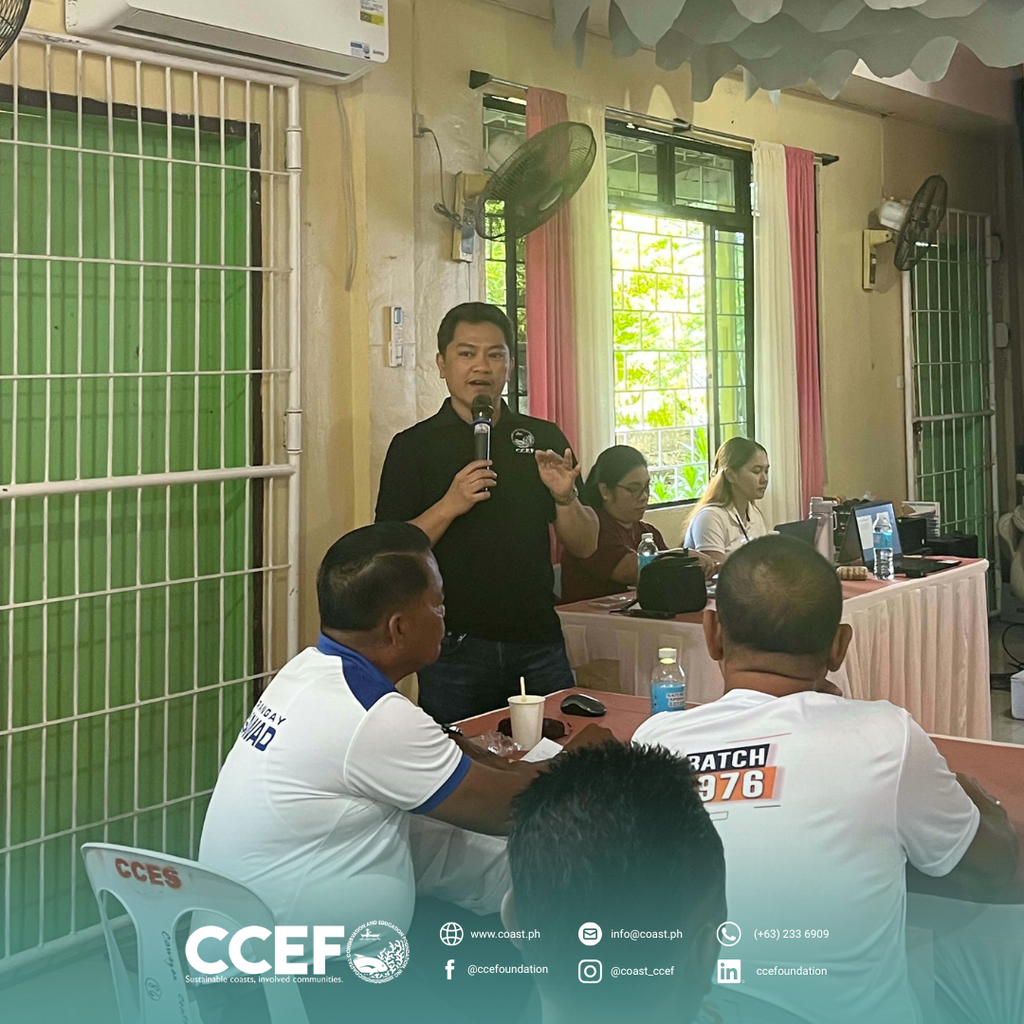
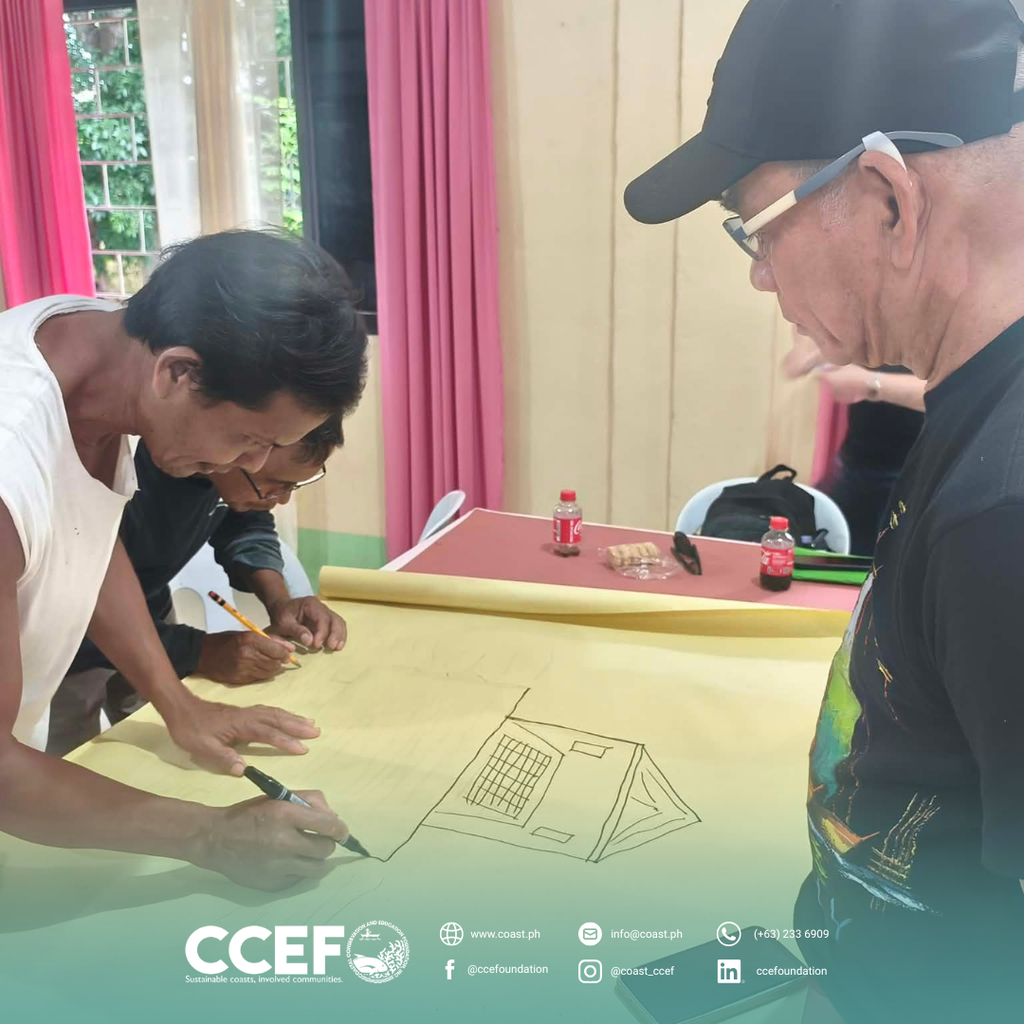
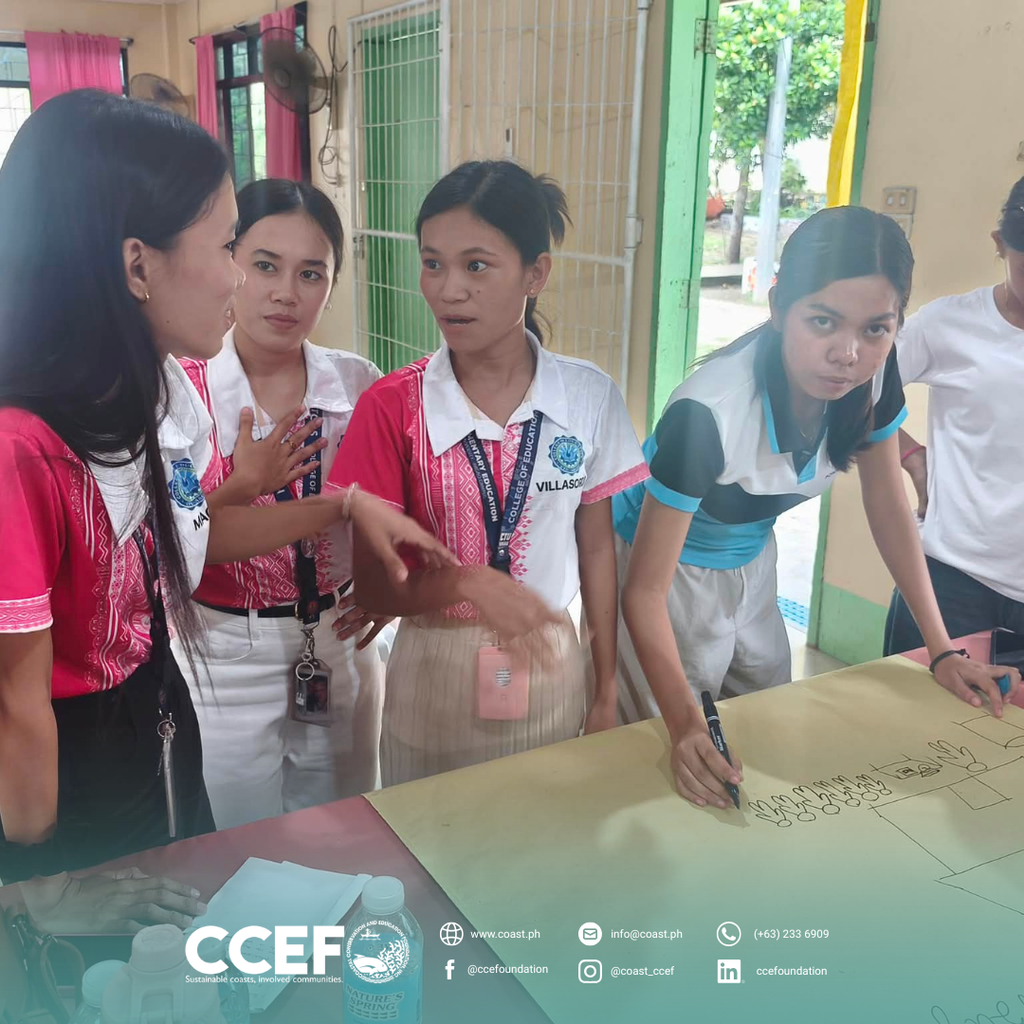
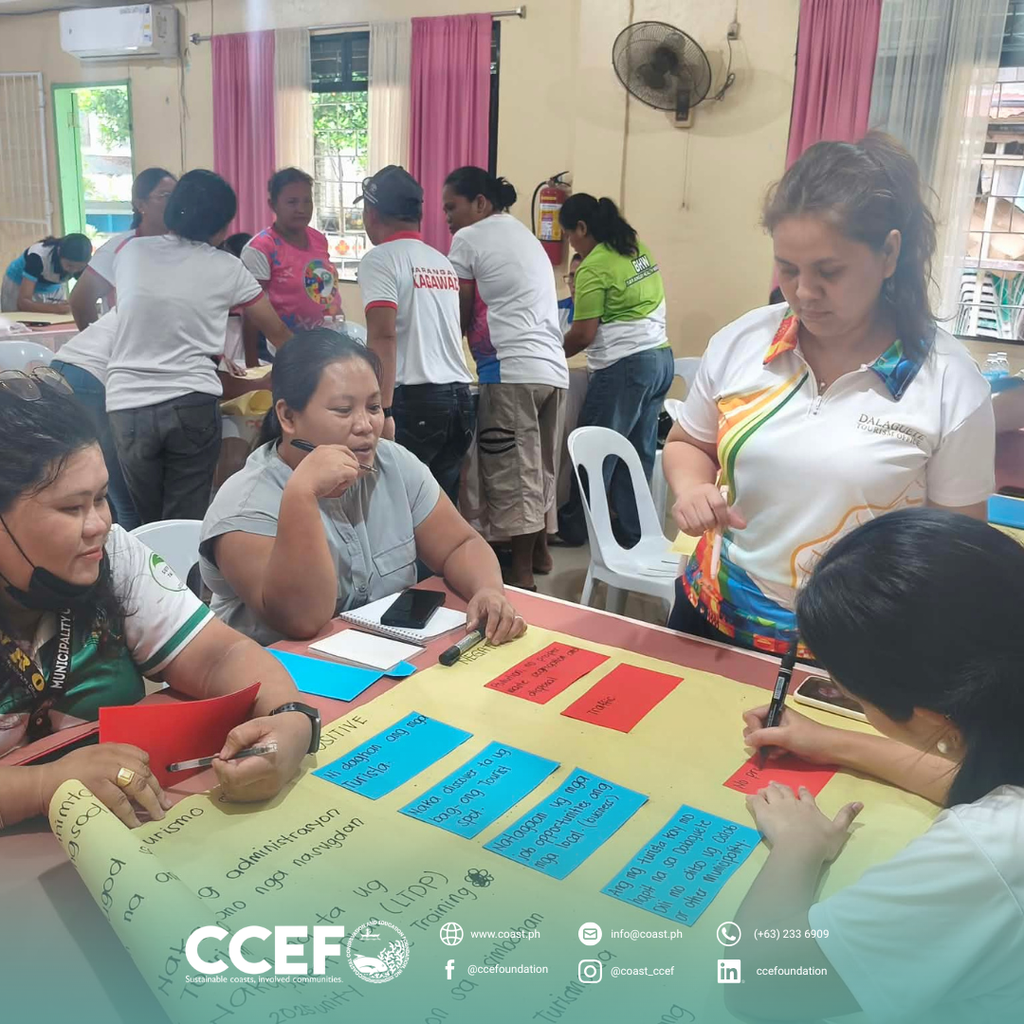
UP-AIT facilitated three seminar-workshops on tourism awareness, community organizing, and ecotourism planning and development. These sessions covered responsible tourism practices, the participation of fisherfolk organizations and women’s groups in destination management, and planning considerations such as resource assessment, stakeholder coordination, and ecological carrying capacity. During the output presentation and open forum, participants identified potential ecotourism opportunities and discussed challenges related to community participation, resource management, and tourism development.
Next Steps
UP-AIT will consolidate the workshop outputs into a comprehensive project proposal and facilitate cultural and heritage mapping to document local assets for integration into future tourism initiatives. CCEF will undertake a baseline mangrove assessment to establish the status and biodiversity of the area, providing a scientific basis for conservation priorities and for determining ecological carrying capacity.
Lessons Learned
The workshop affirmed that sustainable mangrove ecotourism must be grounded in environmental conservation, meaningful community participation, sound scientific information, and effective local governance. It also underscored the need for clear implementation plans, defined stakeholder responsibilities, and continuous monitoring to ensure that tourism development remains consistent with the ecological carrying capacity of mangrove ecosystems and responsive to community needs.


