May 13–14, 2026 | Siquijor State College (SSC) Research & Extension Building, Larena, Siquijor
CCEF, alongside the Office of the Provincial Agriculturist (OPA) and the six local government units of Siquijor Province, is actively advancing toward a unified, science-based fisheries closure initiative known as the “Fishing Holiday.”
This upcoming policy serves as a core component of the project Building Climate-Resilient Municipal (Reef and Small Pelagic) Fisheries in Siquijor, Philippines. Operating under the Global Programme of the Climate and Ocean Adaptation & Sustainable Transition (COAST), this vital environmental effort is funded by the United Kingdom’s Foreign, Commonwealth and Development Office (FCDO).
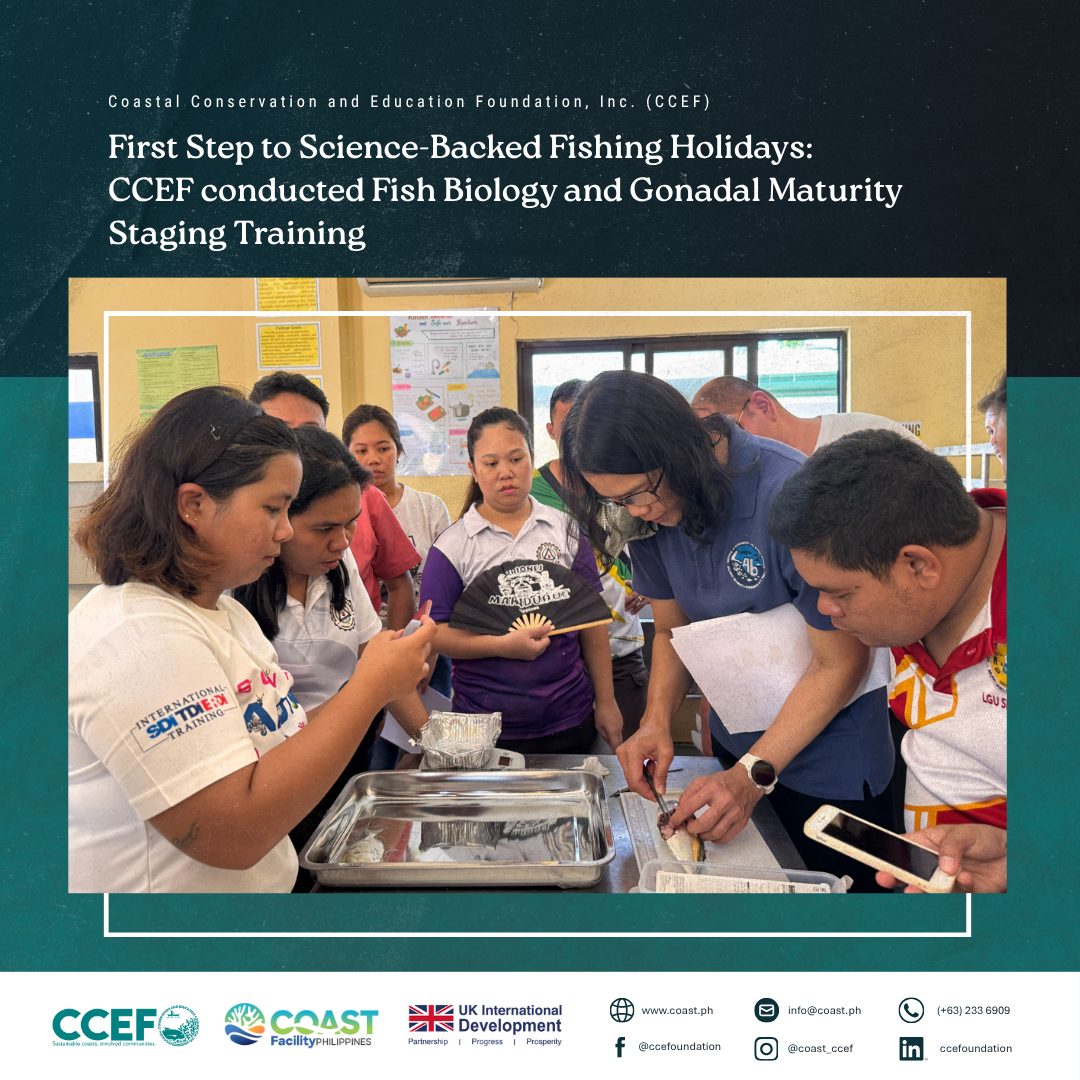
To enrich future provincial fisheries policies with uncompromised empirical accuracy, CCEF and local stakeholders recently concluded an intensive two-day Training-Workshop on Fish Biology and Gonadal Maturity Staging. This training establishes the clear biological baseline needed to transition from traditional seasonal closure observations to verified, data-driven management models.
Collaborative Leadership and Expertise
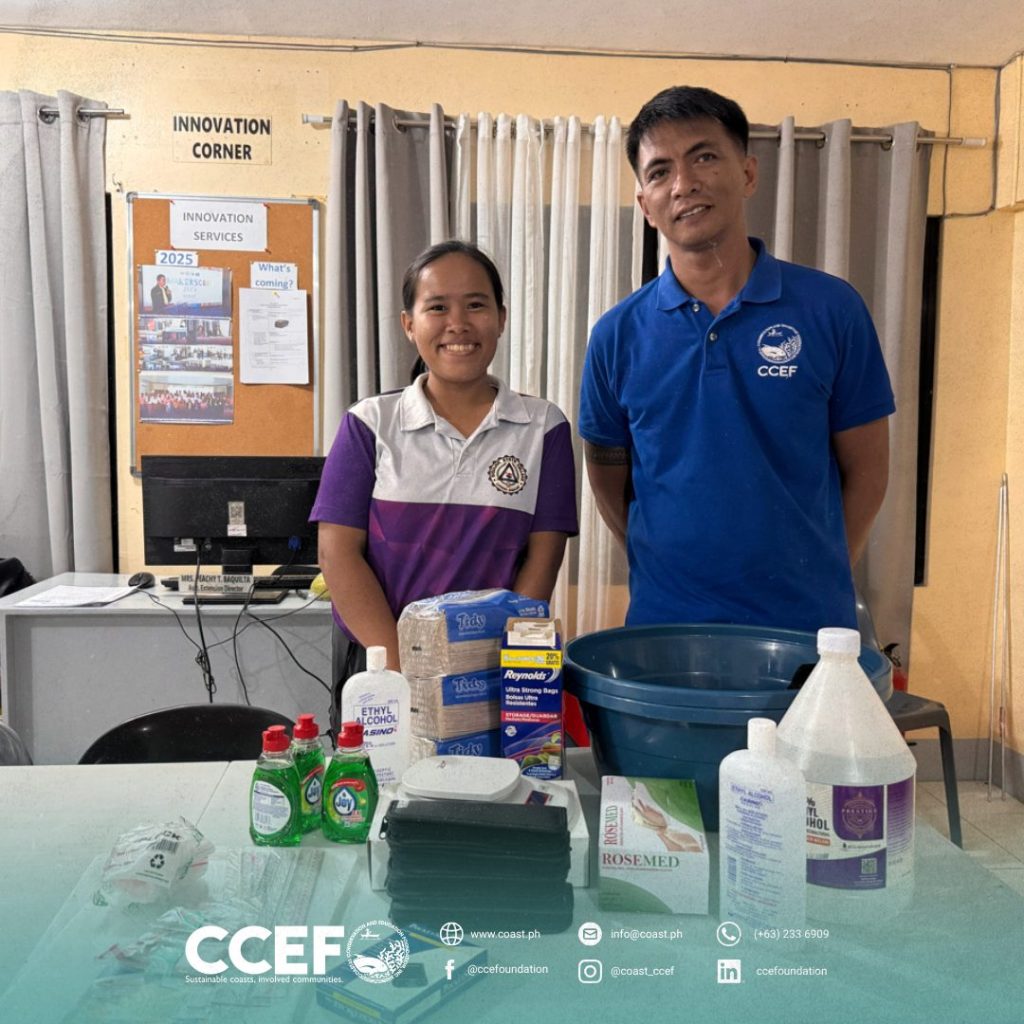
The event was organized and spearheaded by CCEF with the Build REEFS Project Coordinator Reaan Catitig and Marine Biology/Technical Staff Dionel Molina. Crucial provincial coordination was provided by Darell Pasco, who served as the dedicated focal person for the OPA. Institutional backing further strengthened the event, with vital support coming from the Silliman University Institute of Environmental & Marine Sciences (SU-IEMS) and the SSC Research Office under the leadership of Director Dr. Dawn Iris Calibo-Senit.
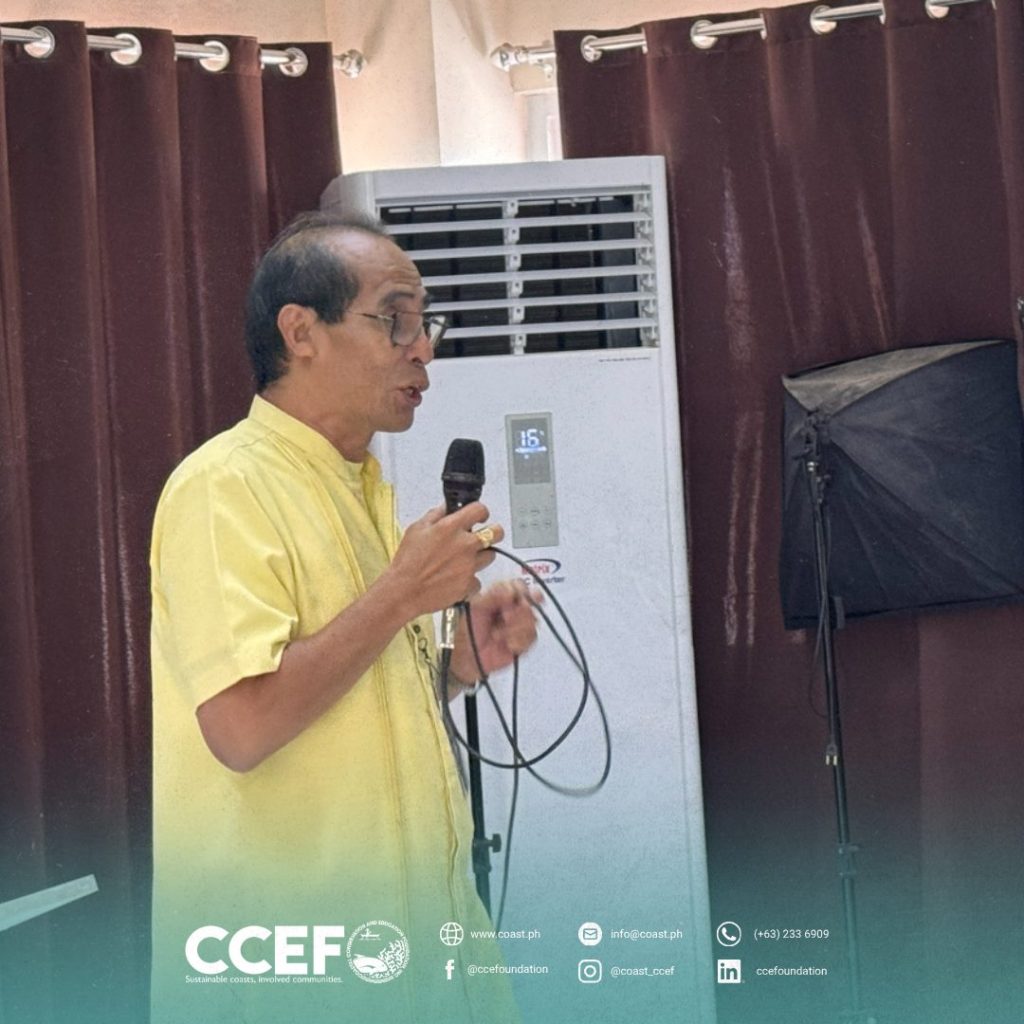
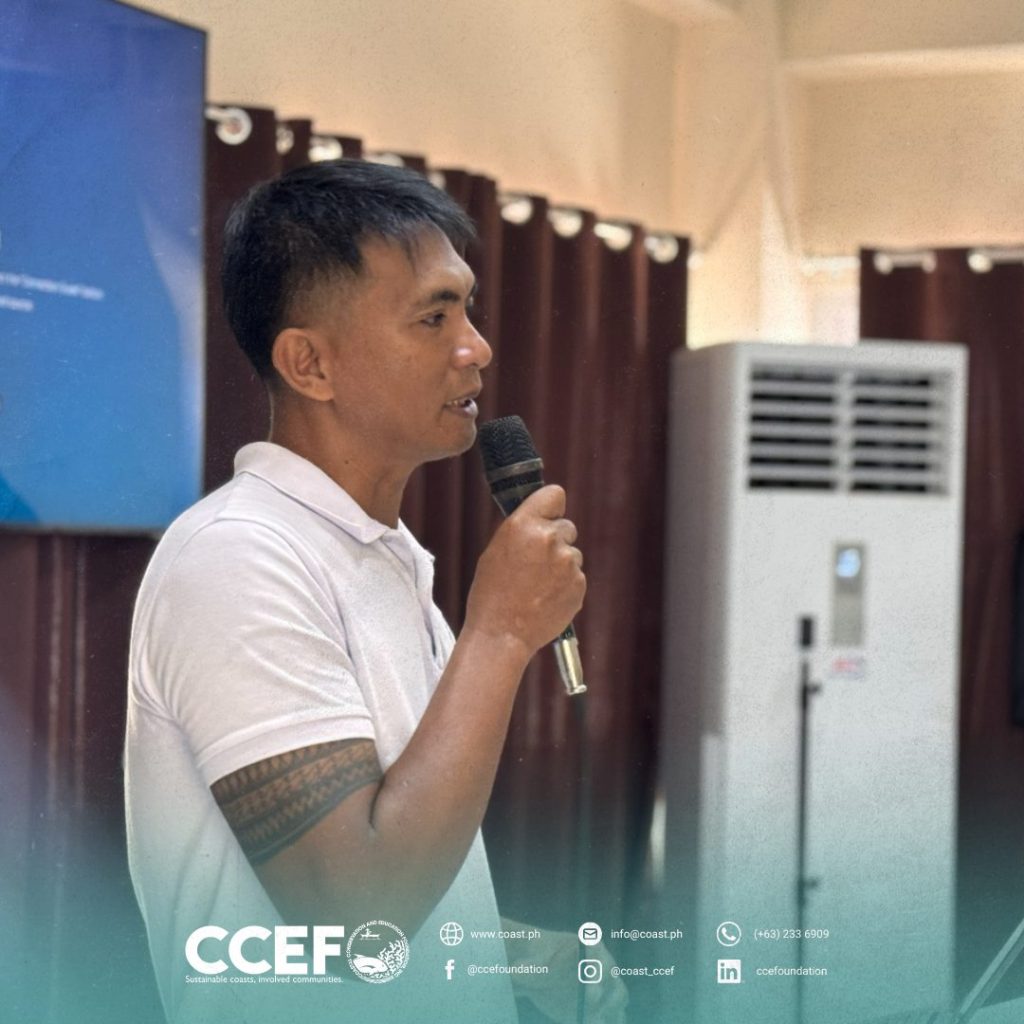
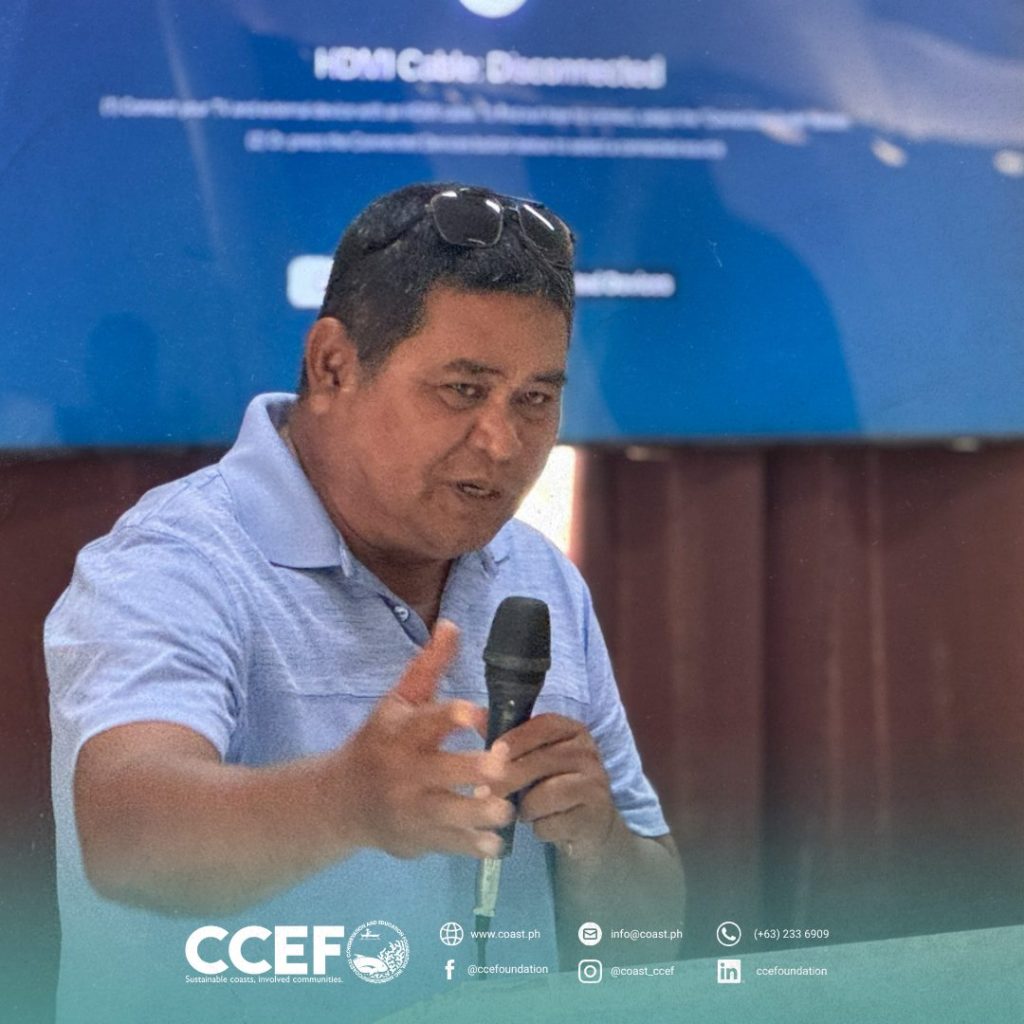
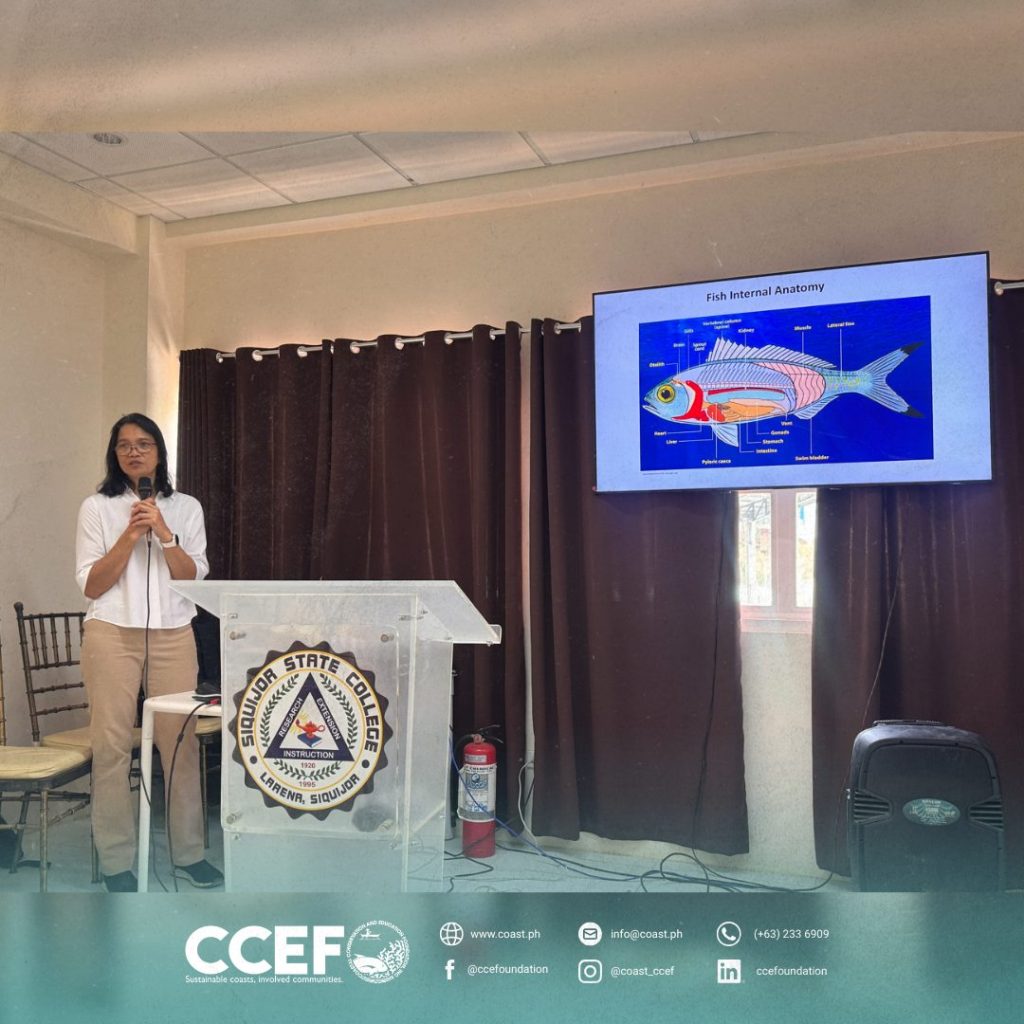
To ensure high-fidelity data collection standards, the workshop featured Dr. Aileen P. Maypa as the primary resource person. Dr. Maypa is an acclaimed marine scientist, ichthyologist, Director of SU-IEMS, and a Pew Charitable Trusts Fellow in Marine Conservation who brings world-class expertise in coral reef restoration and fisheries management.
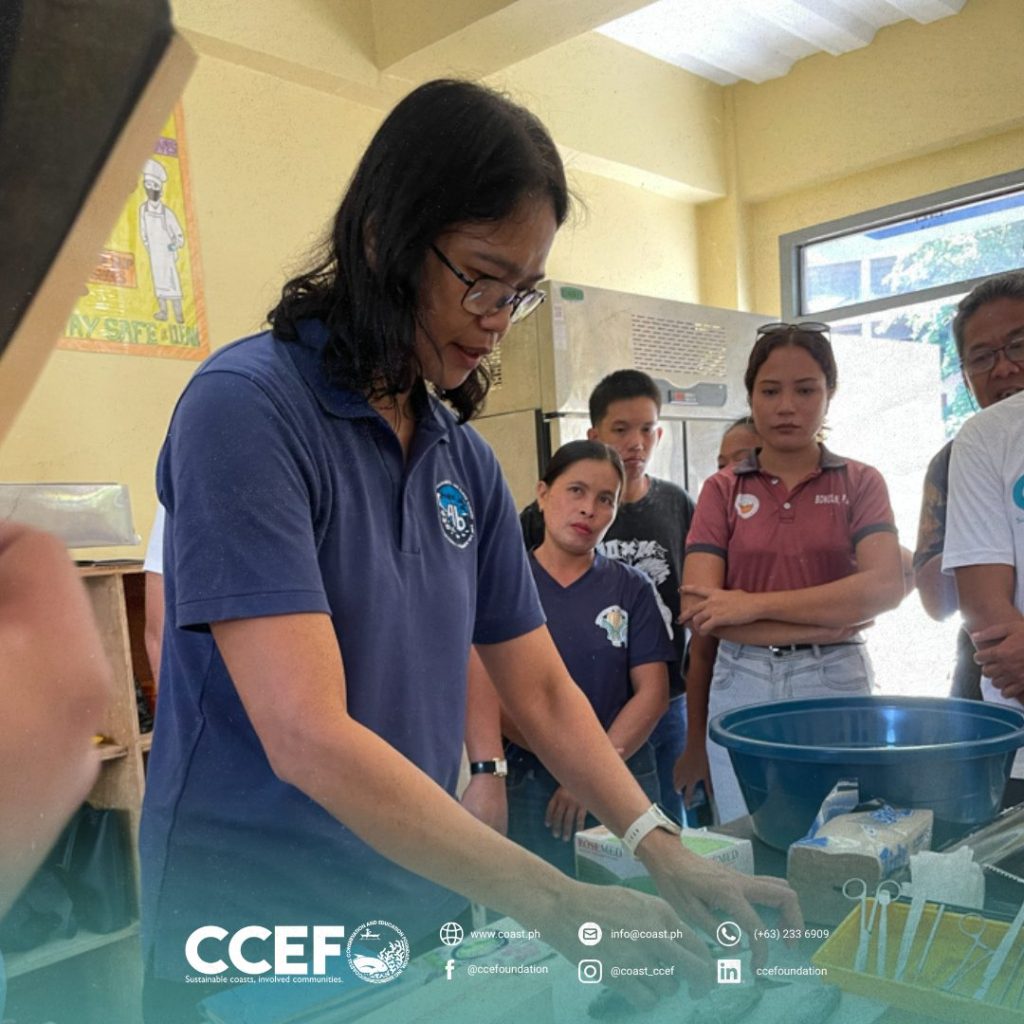
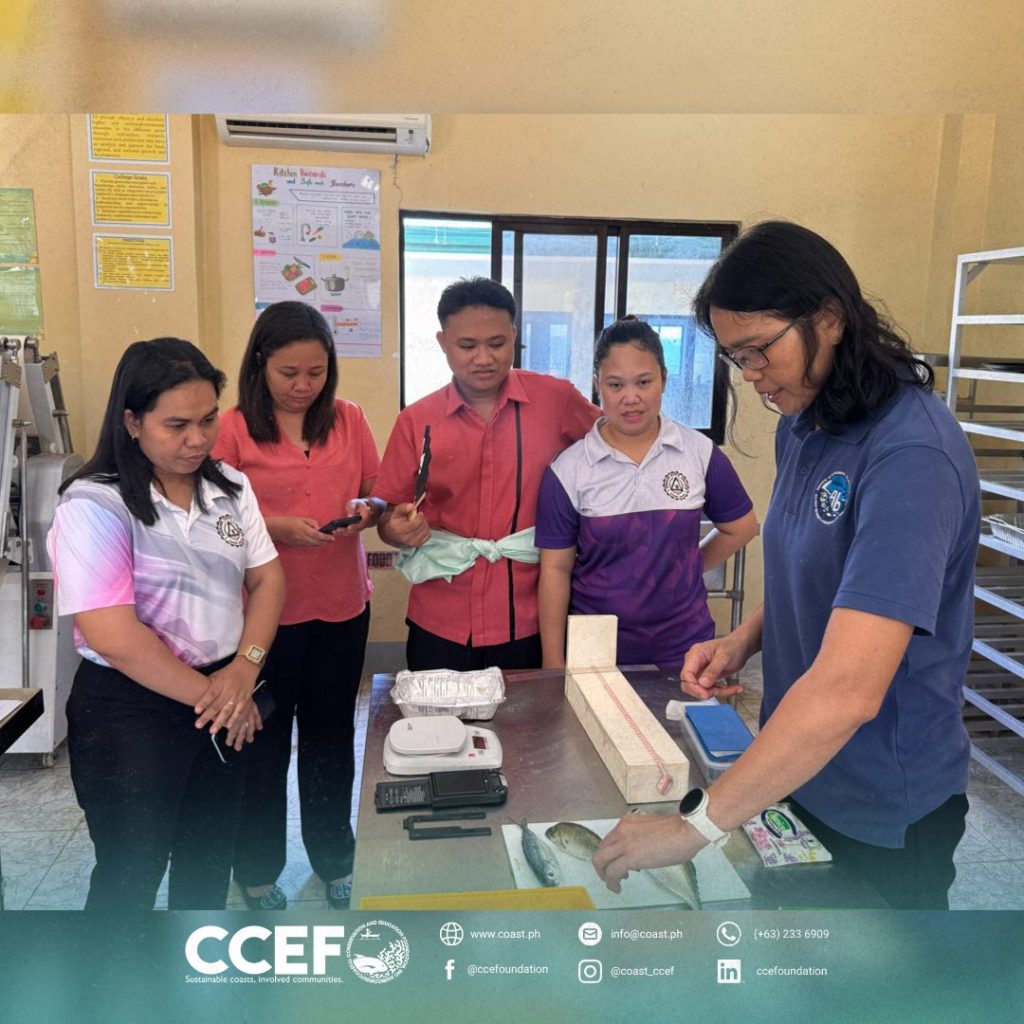
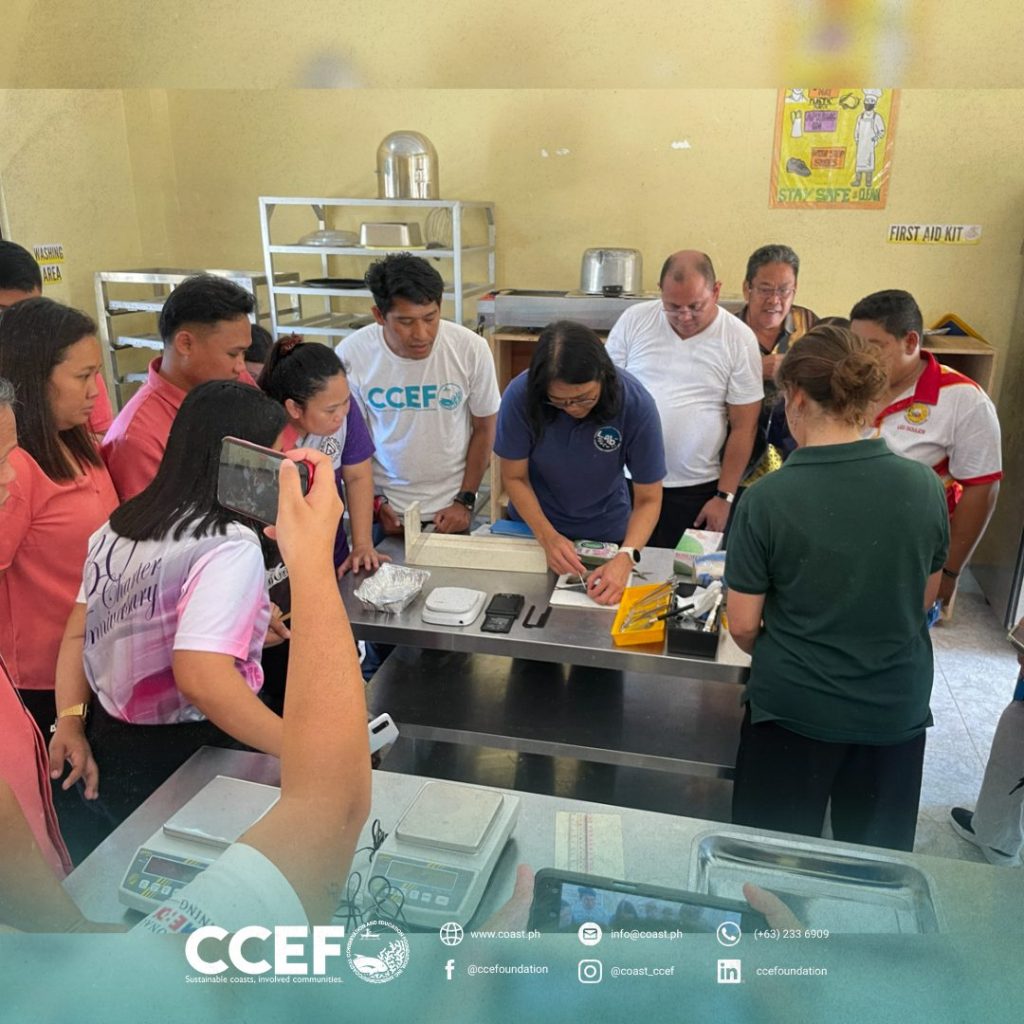
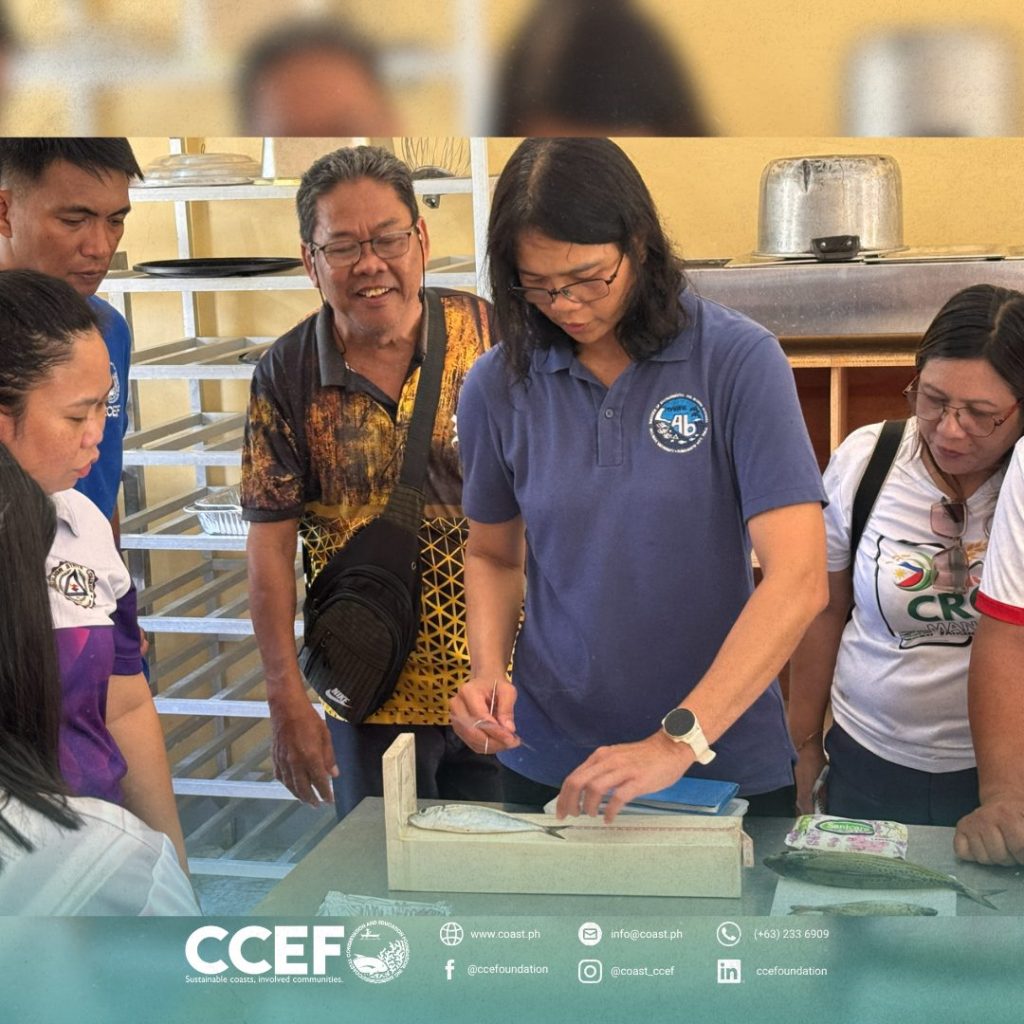
Under her technical guidance, the workshop brought together a diverse group of key participants. This included representatives from the Offices of the Municipal Agriculturist across all six municipalities, Enrique Villanueva, Lazi, Larena, Maria, San Juan, and Siquijor, alongside dedicated provincial personnel from the OPA and scientific faculty from the SSC Research Division.
Training Highlights: Standardizing Accurate Metrics
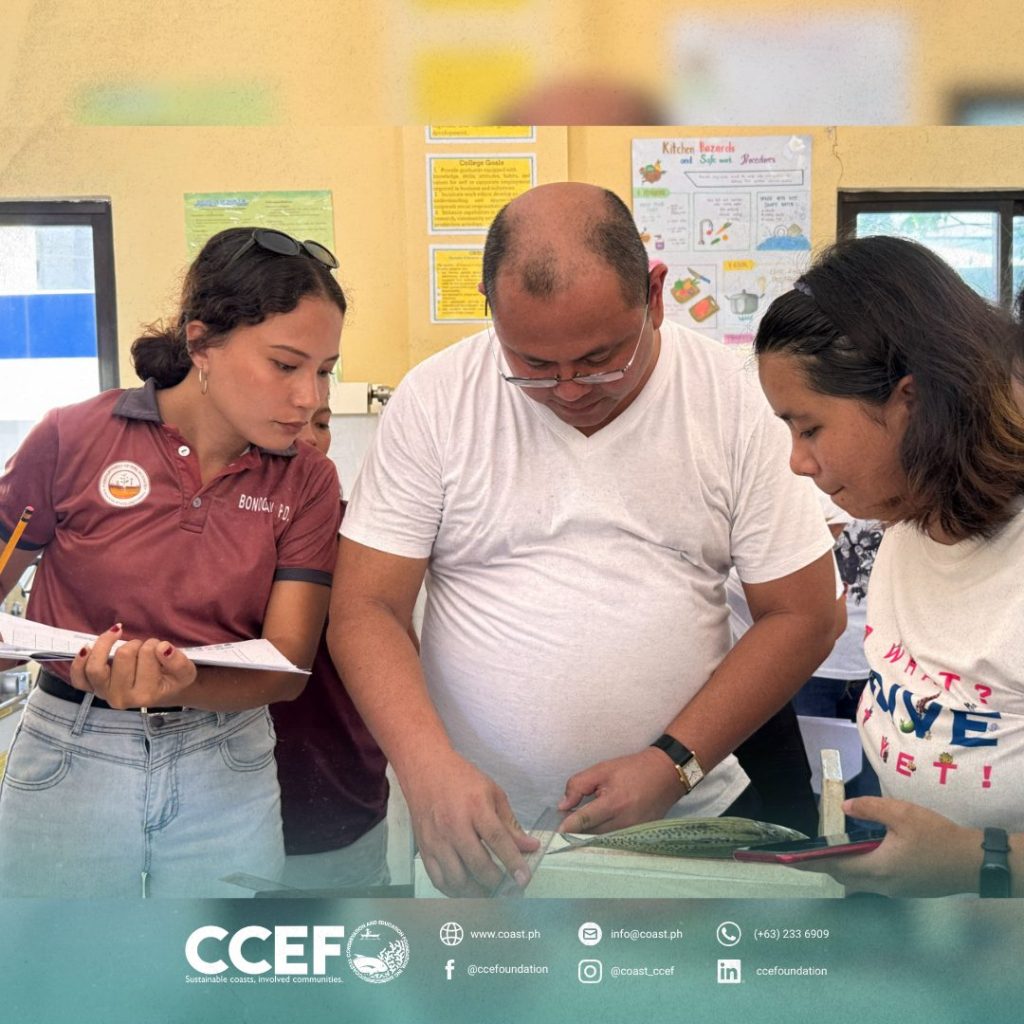
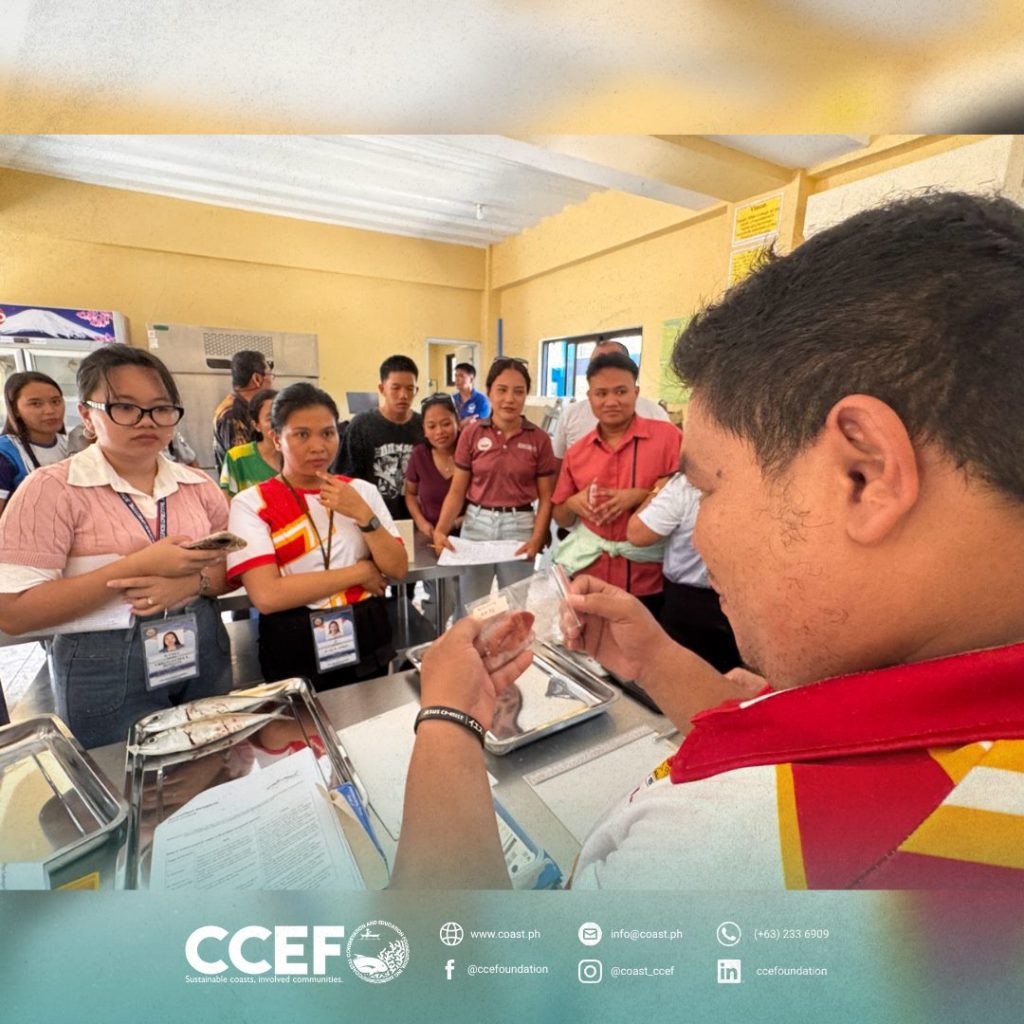
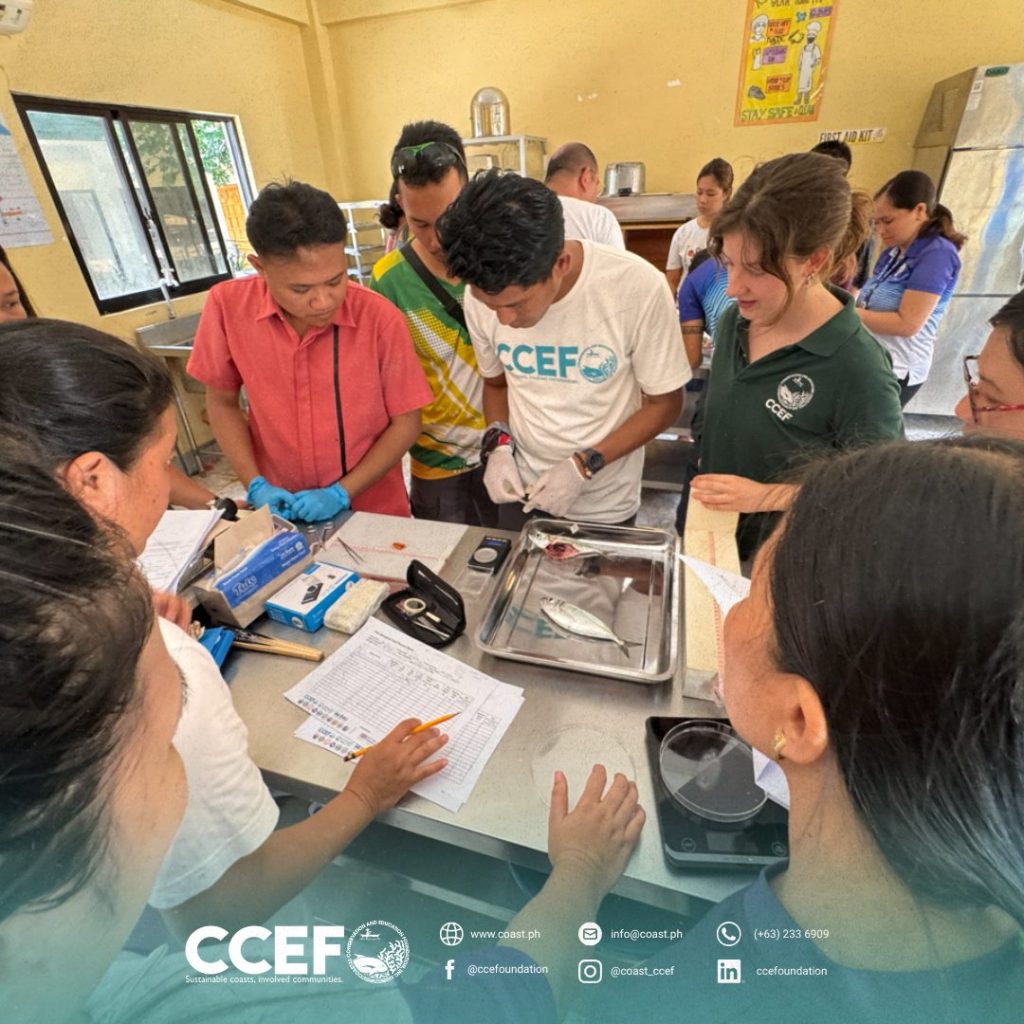
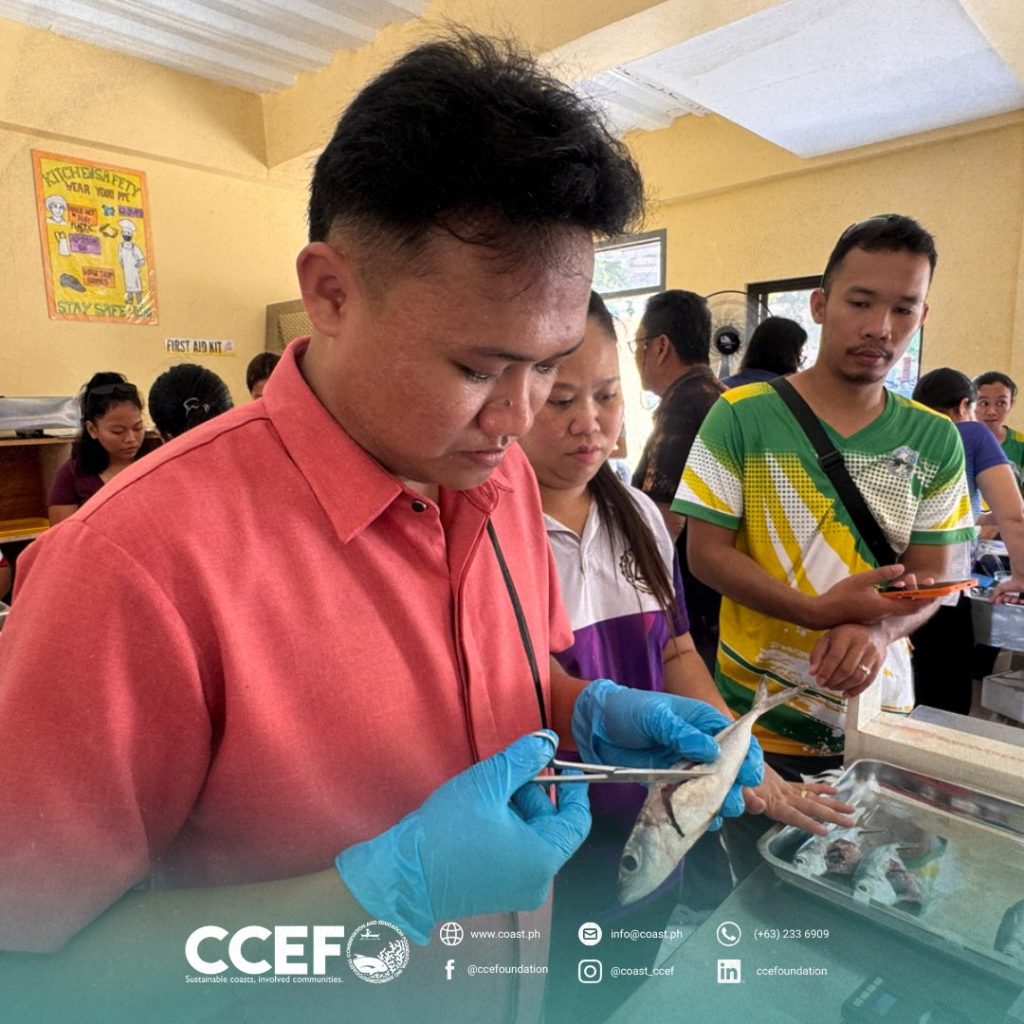
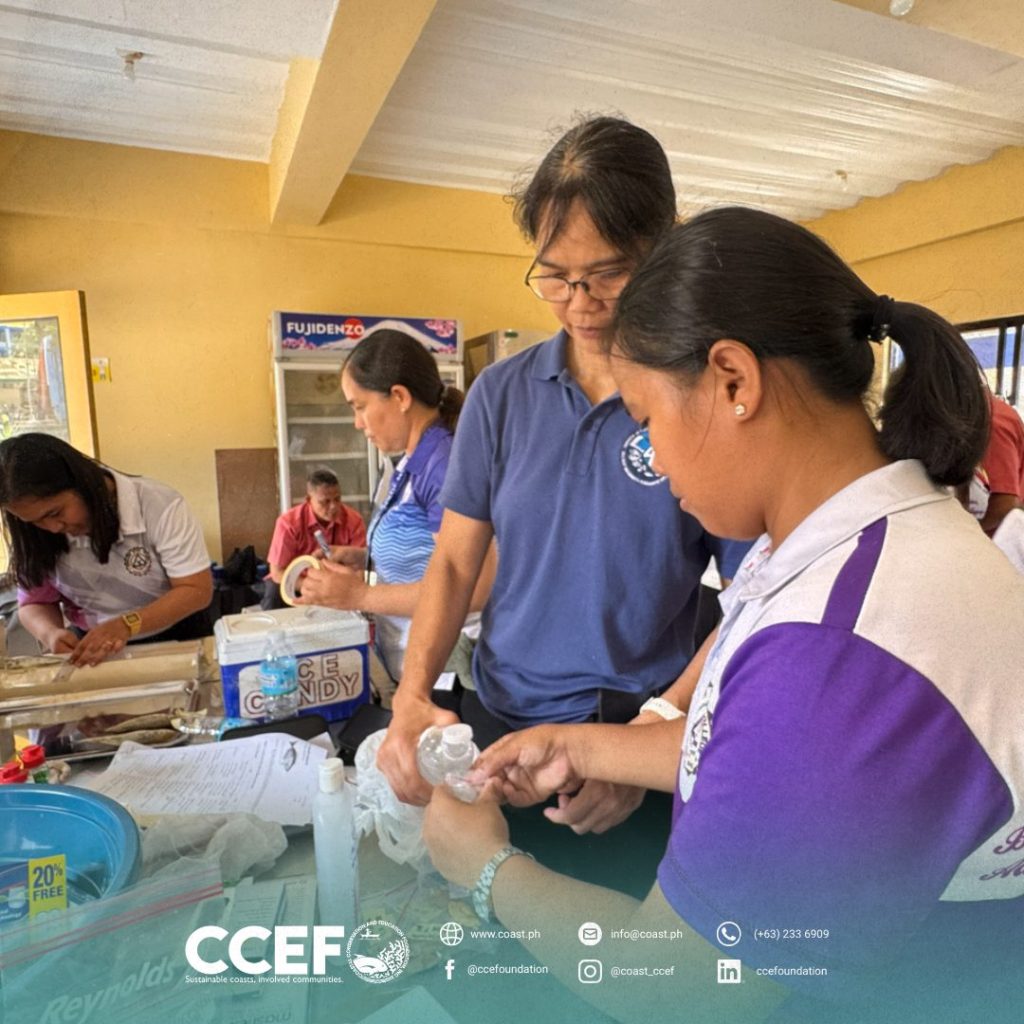
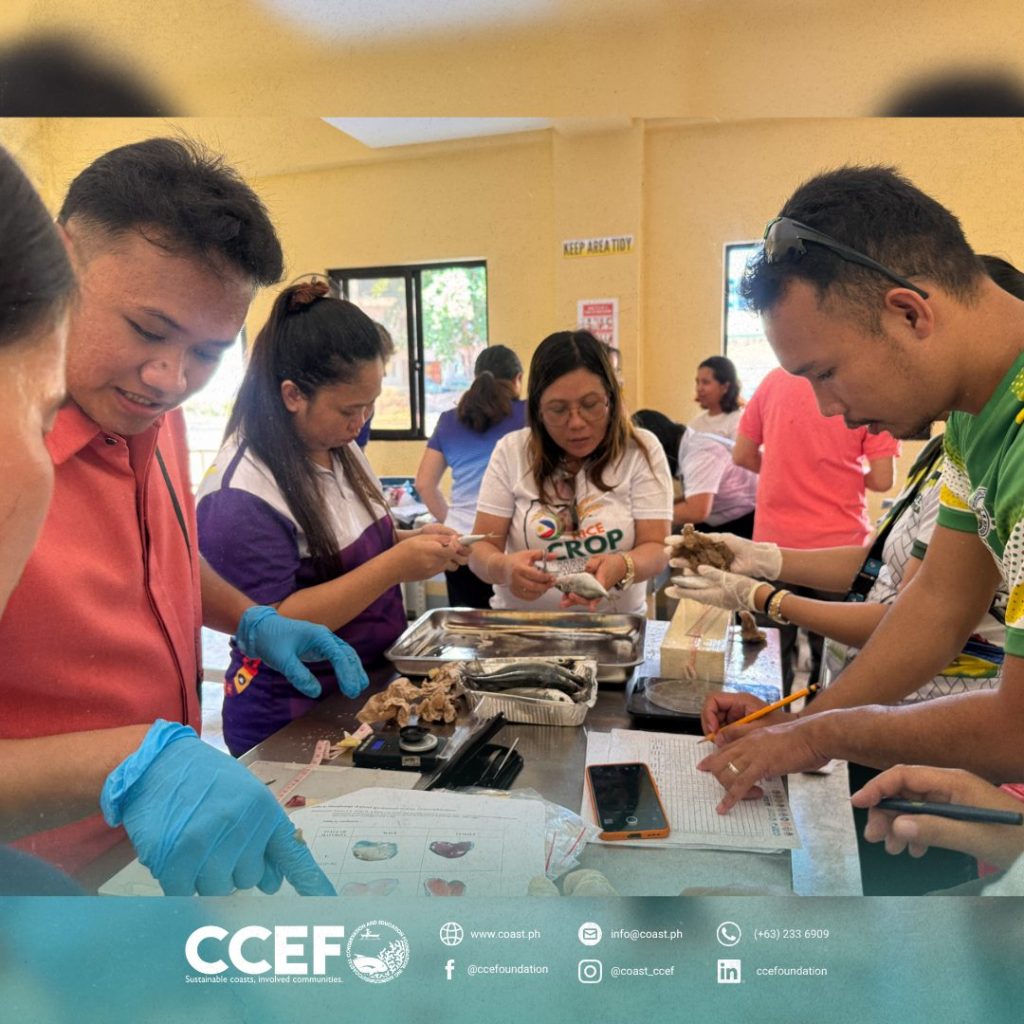
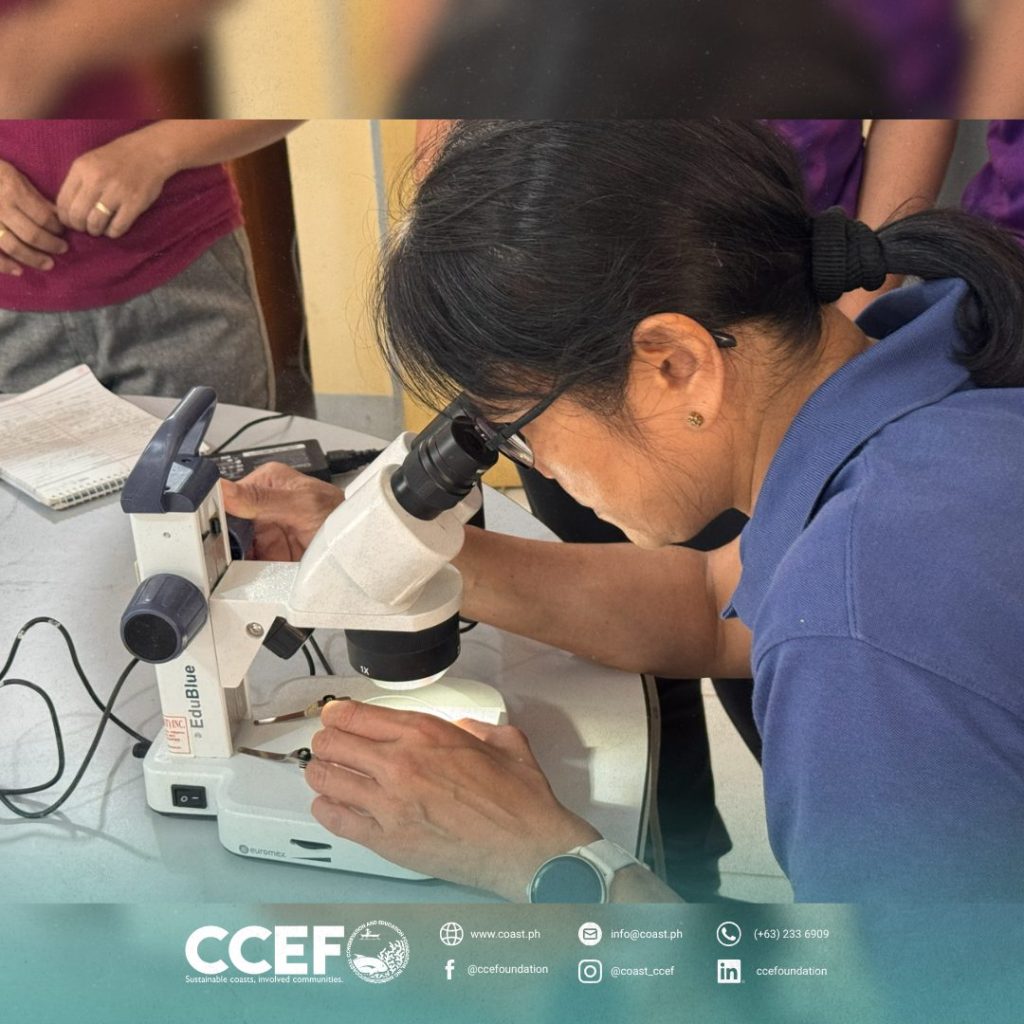
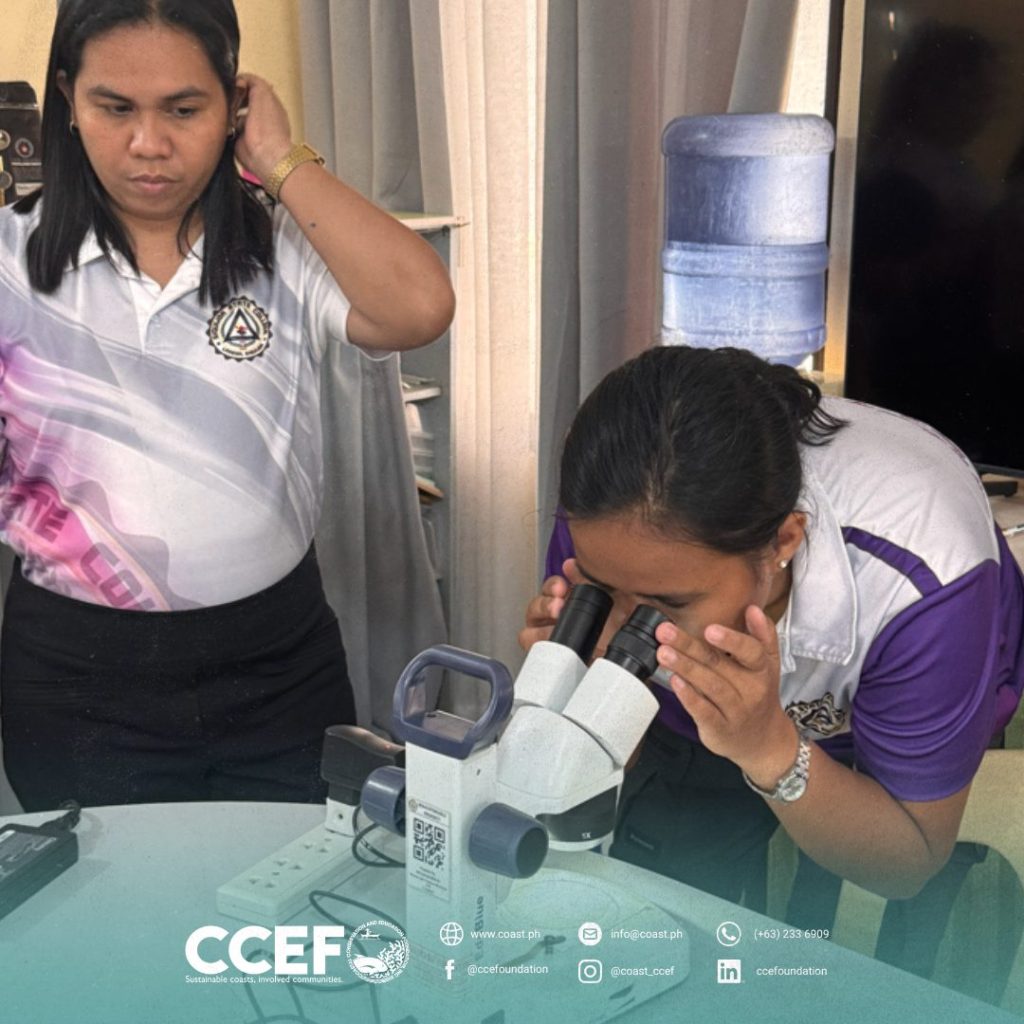
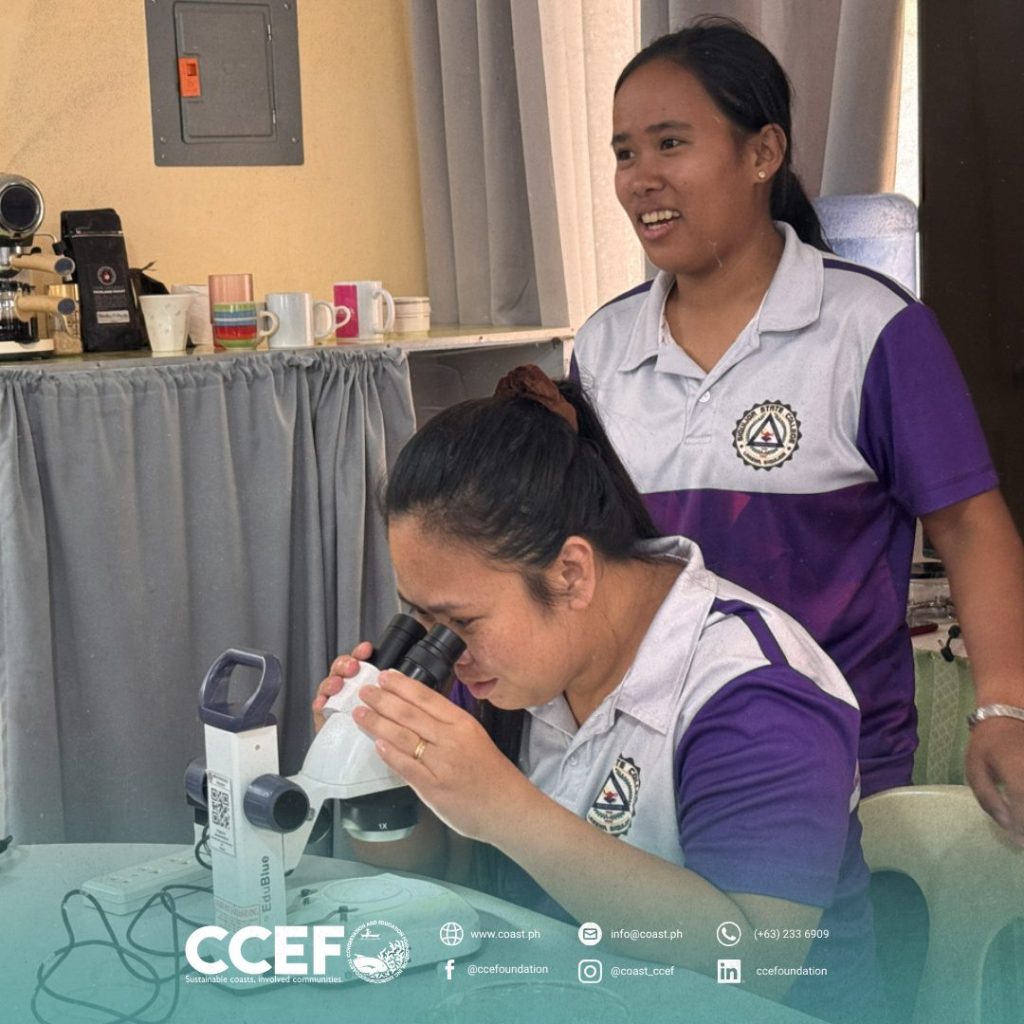
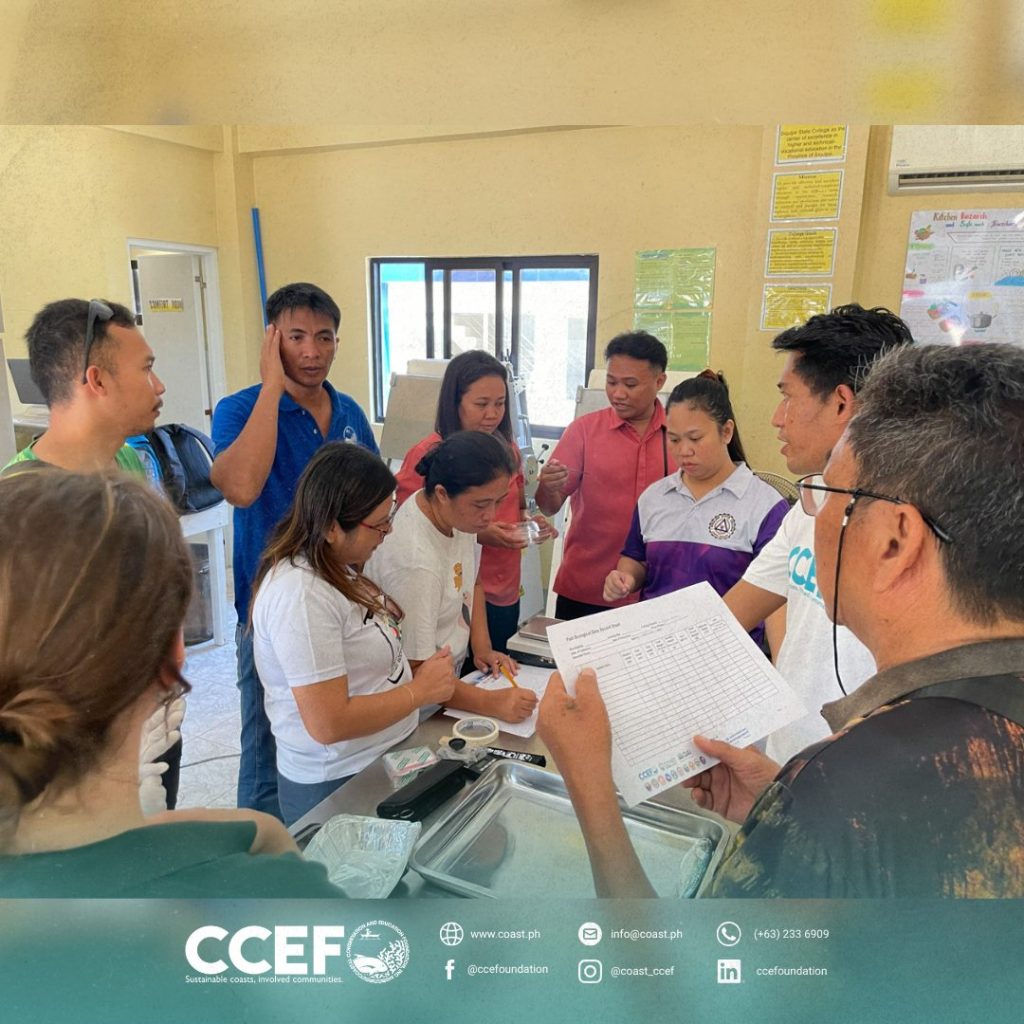
The workshop successfully blended advanced theoretical lectures with precise, hands-on laboratory sessions to standardize biological tracking and eliminate estimation errors across the province. The theoretical portion of the curriculum covered essential fish biology, complex reproductive and spawning strategies, and defined gonadal maturity stages across various marine species.
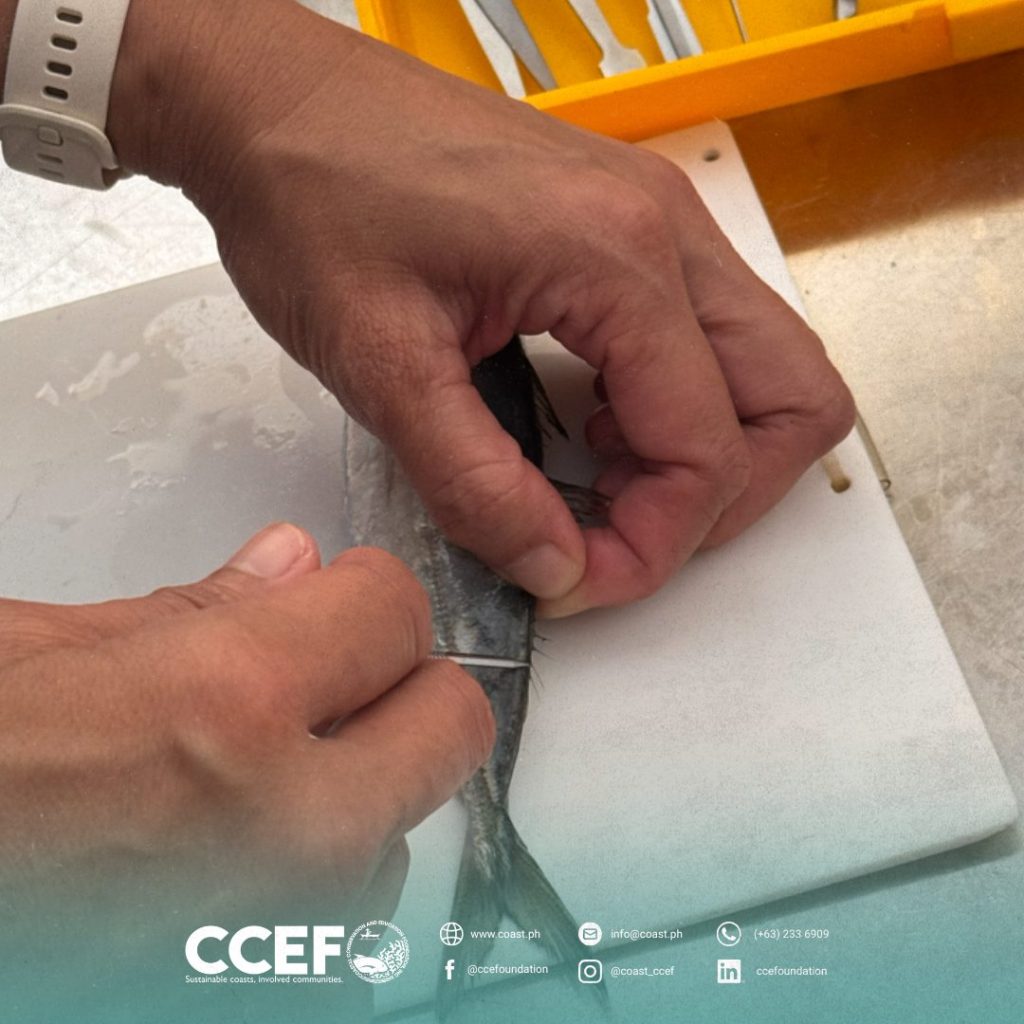
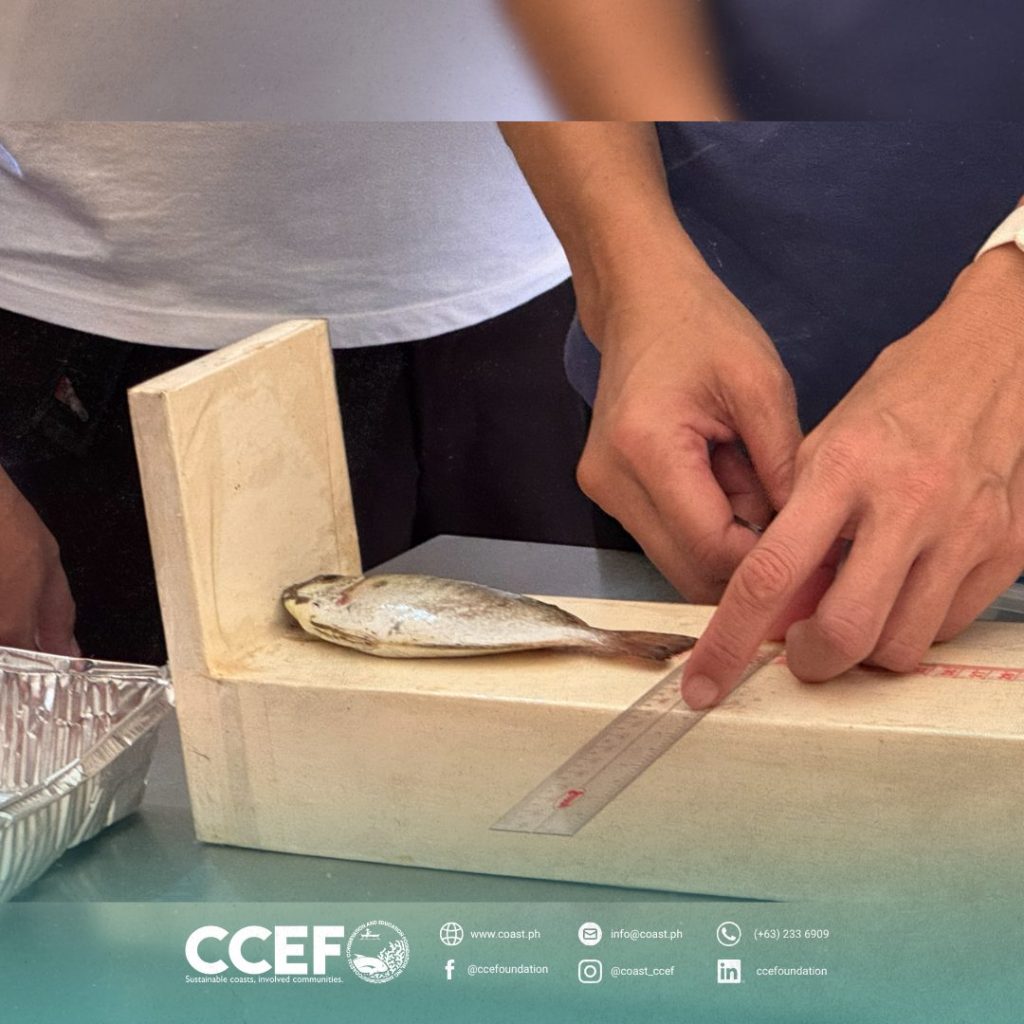
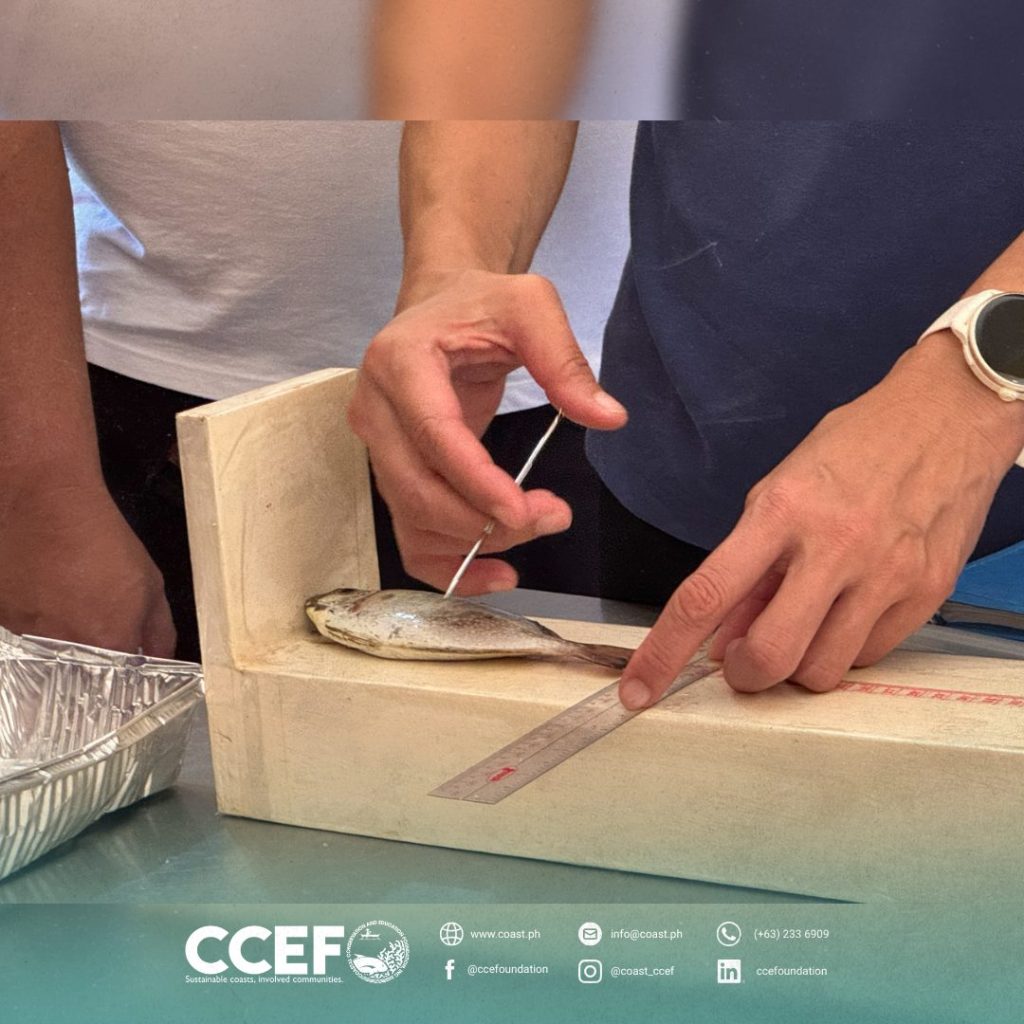

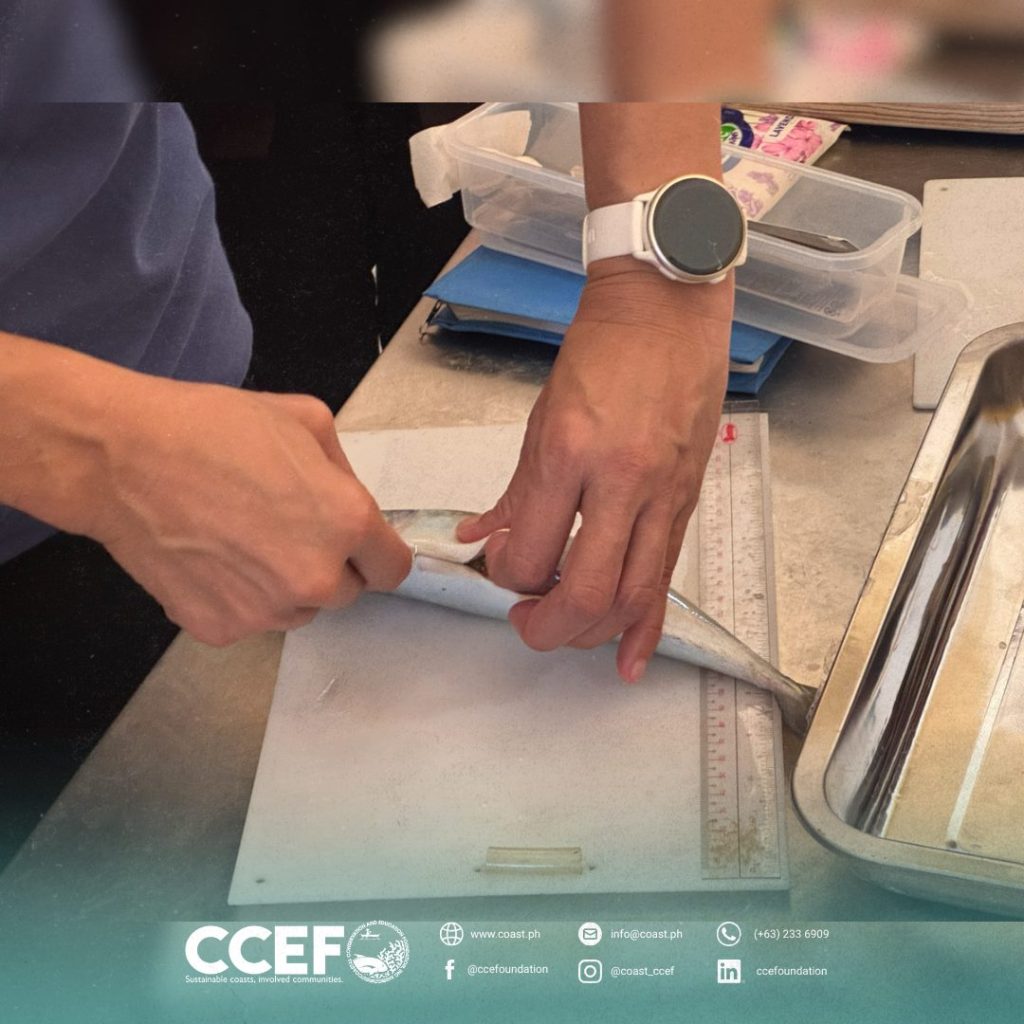
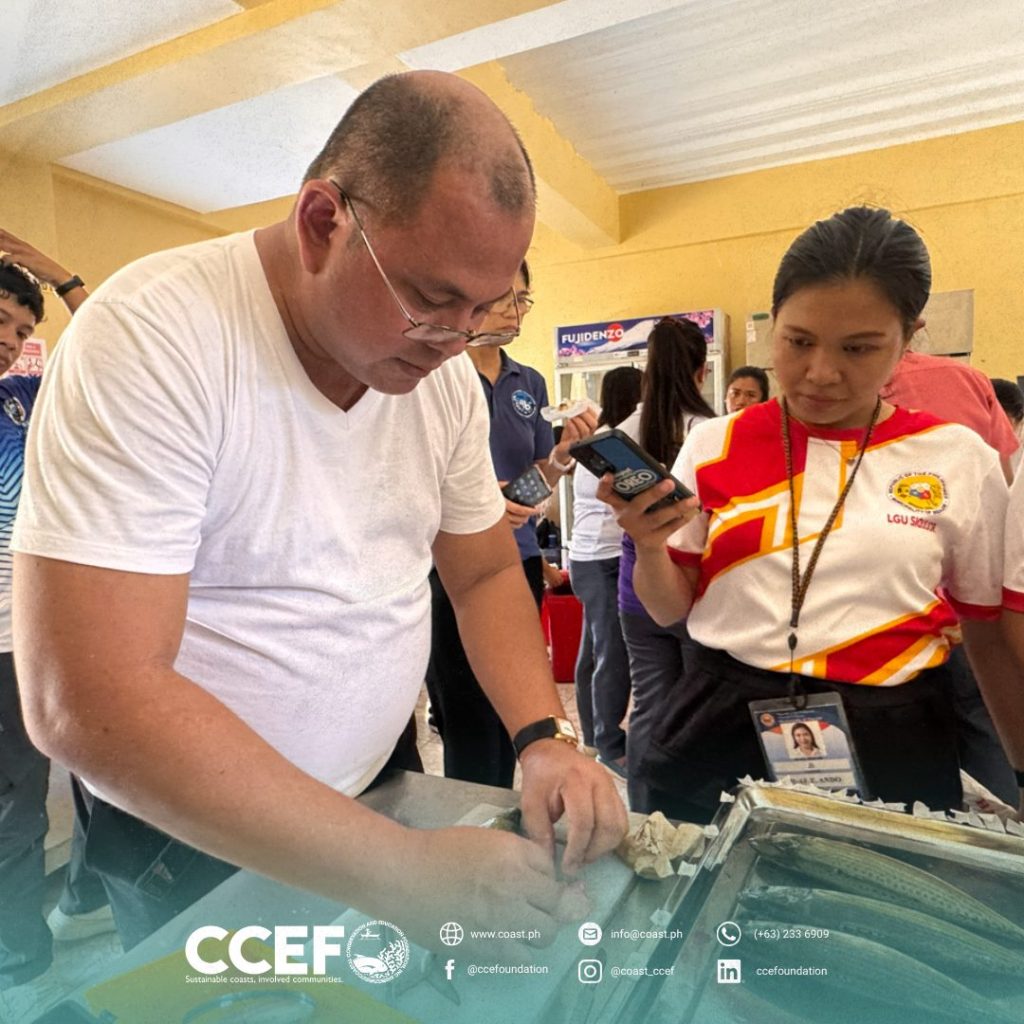
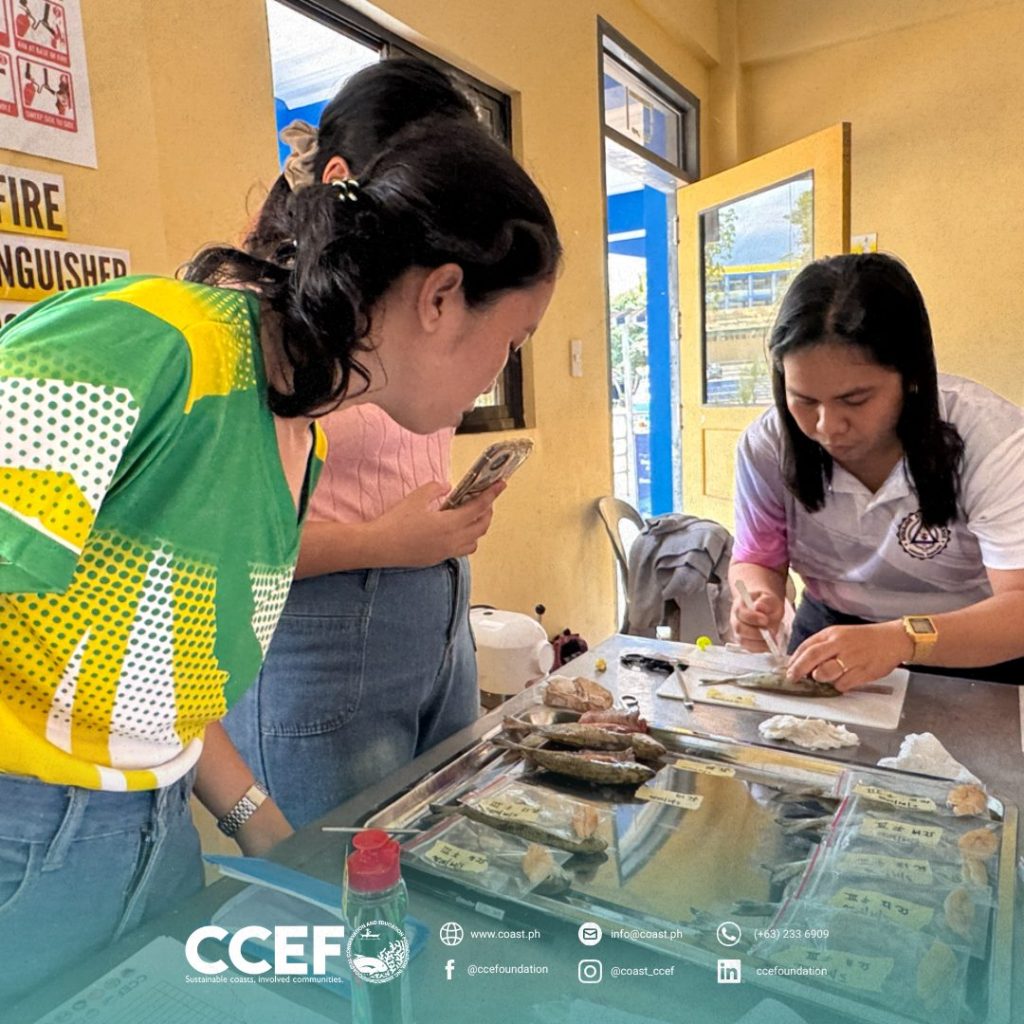
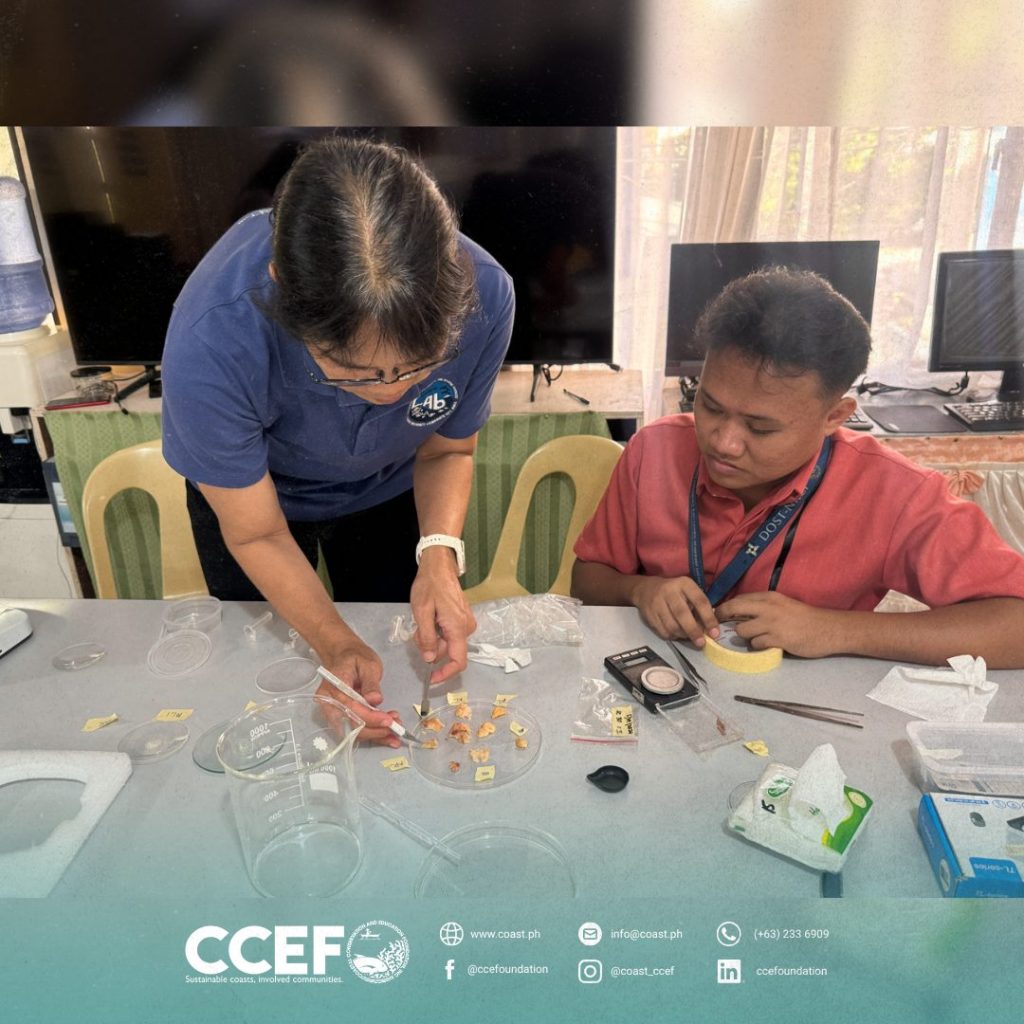
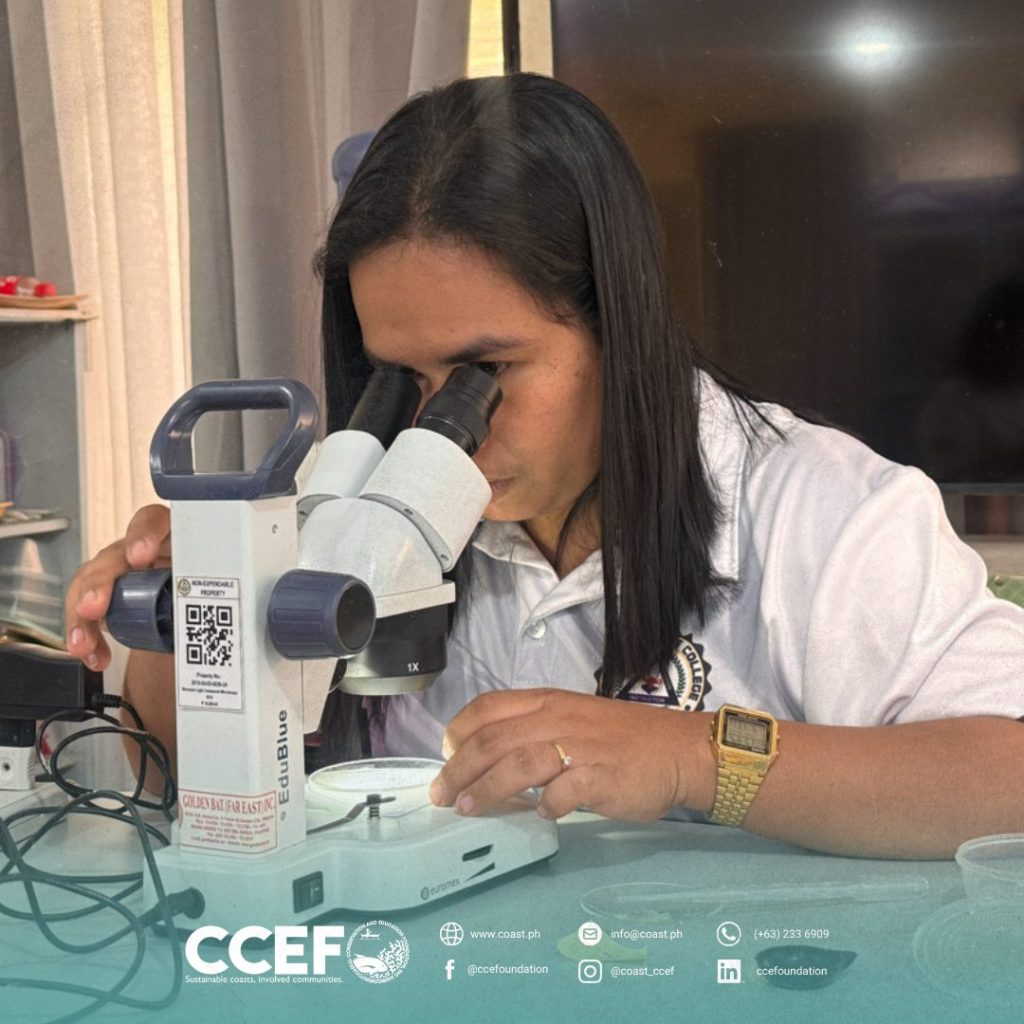
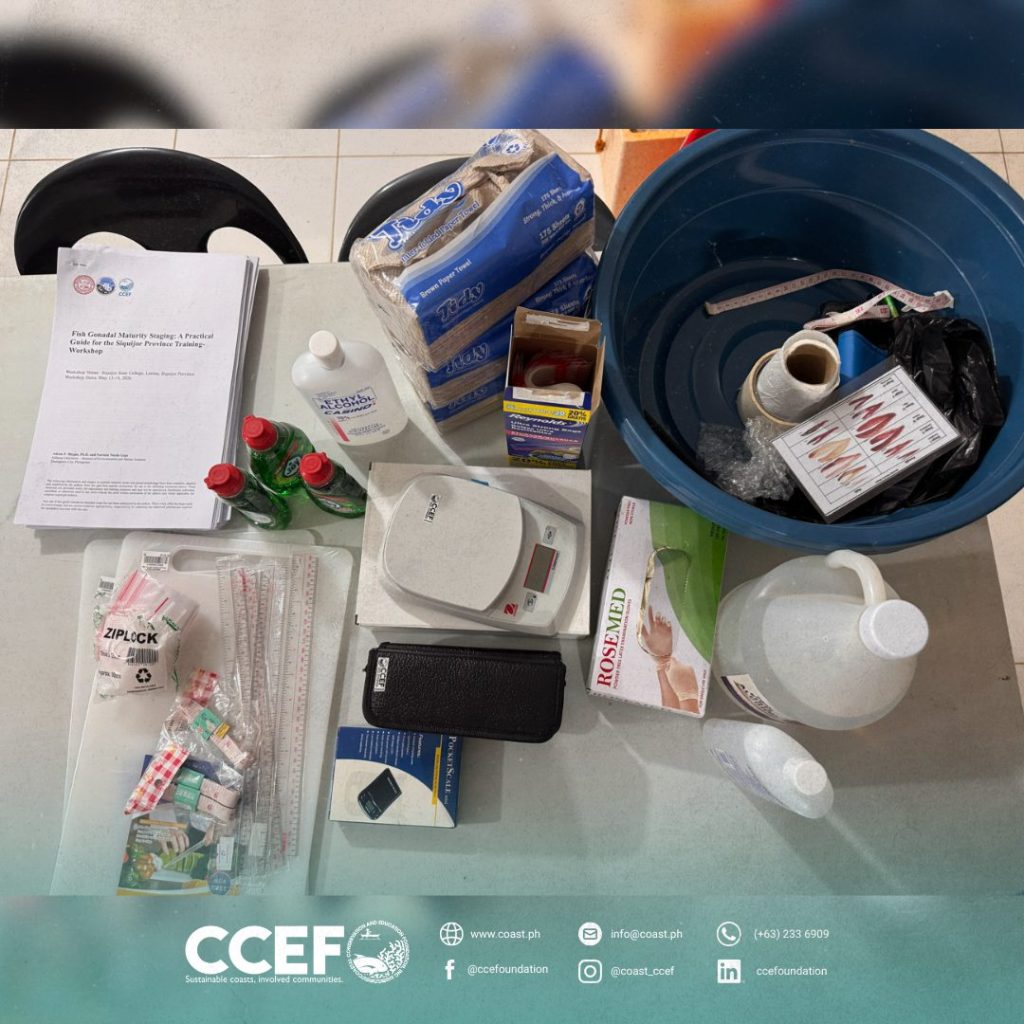
This theory was immediately translated into practical application during laboratory training sessions. Participants gained valuable experience in precision fish dissection techniques, accurate gonadal maturity identification, and standardized fecundity assessment methods. To maximize local relevance, the research focused directly on commercially vital local target species, specifically Siganus canaliculatus (Danggit), Rastrelliger kanagurta (Anduhaw), and Selar crumenophthalmus (Tamarong).
Measurable Outcomes and Ongoing Progress
A total of 26 local researchers and LGU staff members successfully completed the training, gaining skills in precision dissection, gonadal staging, fecundity assessment, and crucial Gonadosomatic Index (GSI) and Length at First Maturity (Lm) calculations.
This technical training is a mandatory prerequisite for the success of the unified fishing closure. A Fishing Holiday cannot simply be declared by administrative decree without the science behind it; its scheduling must also depend on the biological timelines of the fish themselves. By equipping local data collection teams with laboratory-grade skills, this workshop provides the structural bridge needed to transition from traditional seasonal closure observations to verified, data-driven management models.
Ultimately, accurate data will lay the groundwork for Siquijor’s science-backed Fishing Holidays by providing the empirical truth that administrative estimates simply cannot capture. By transforming raw field measurements from the “Danggit”, “Anduhaw”, and “Tamarong” stocks into a standardized, localized Spawning Calendar, this initiative ensures that upcoming fishing bans are perfectly synchronized with actual peak reproductive cycles.
Removing subjectivity from the policy design protects municipal waters when they are most vulnerable, preventing tracking errors that could lead to economic losses for local fishers.
Over the next three months of intensive field research, these newly trained teams will put this training into use to secure the legal, unassailable foundation necessary to enact the unified provincial ordinance—changing the closure from a rigid environmental restriction into an adaptive, climate-resilient framework built to protect Siquijor’s fisheries for generations to come.