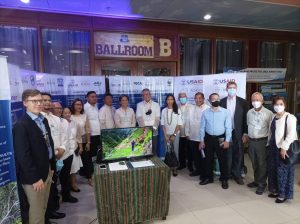
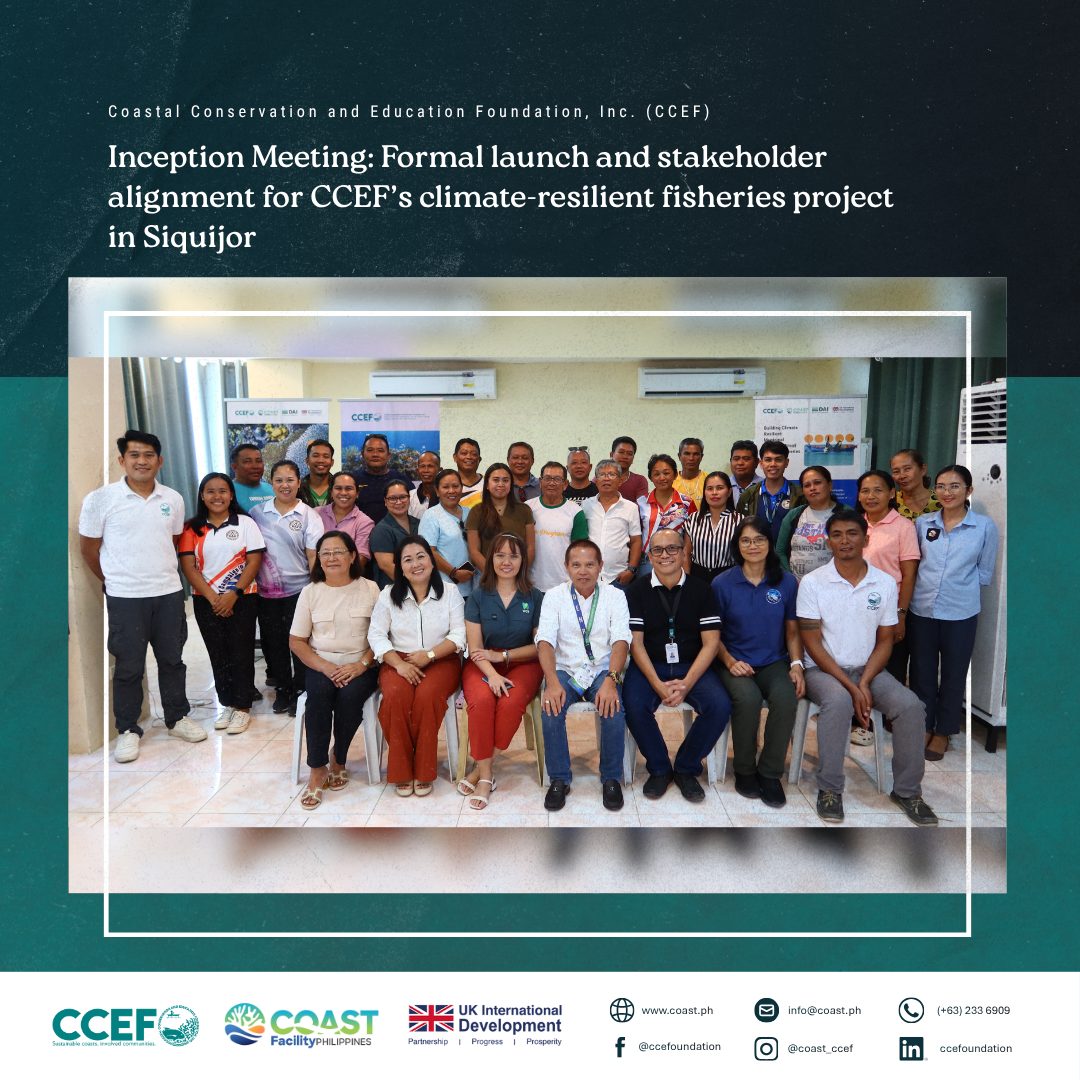
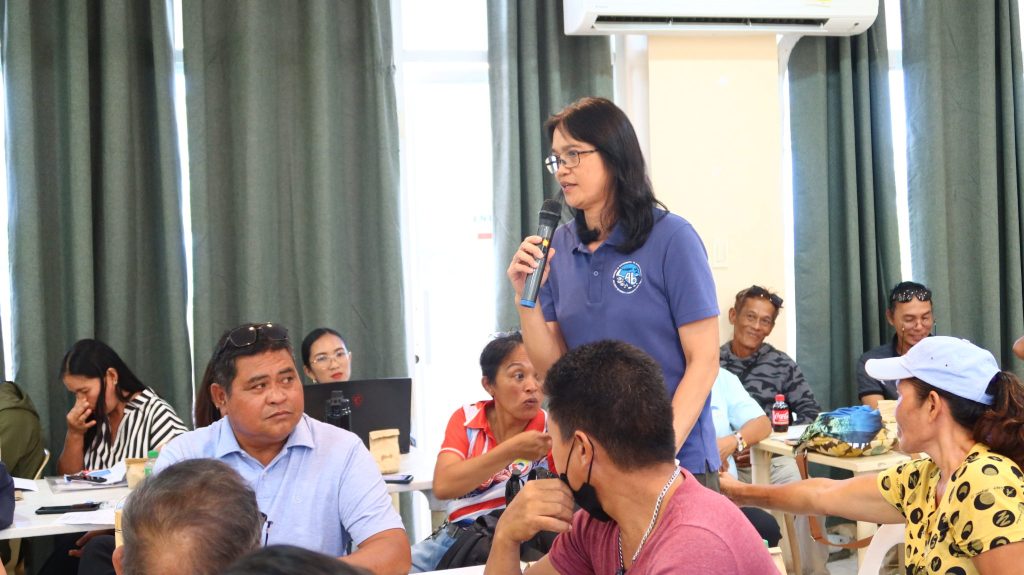
SAN JUAN, SIQUIJOR | March 19, 2026 — The Coastal Conservation and Education Foundation (CCEF) formally launched the Building Climate‑Resilient Municipal (Reef and Small Pelagic) Fisheries Project at the San Juan Economic Building, convening stakeholders from across the province to align on shared priorities and roles.
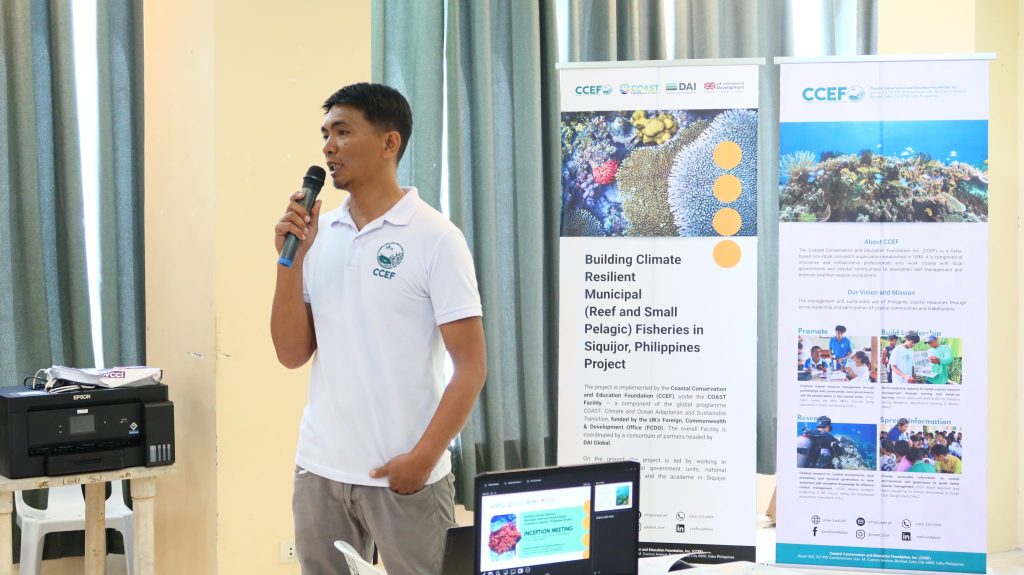
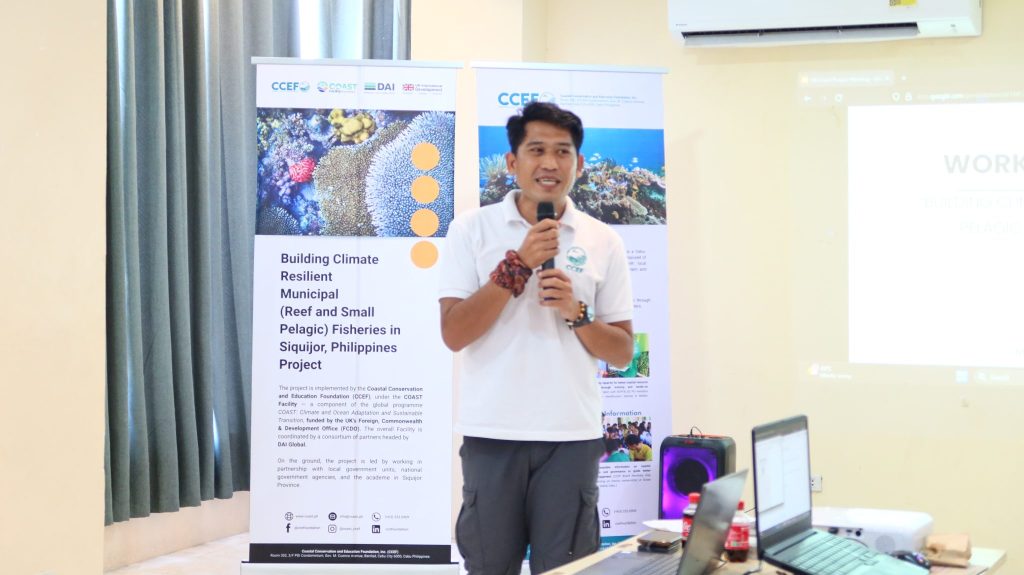
The project is implemented by the CCEF, under the COAST Facility — a component of the global programme COAST: Climate and Ocean Adaptation and Sustainable Transition, funded by the UK’s Foreign, Commonwealth & Development Office (FCDO). The overall Facility is coordinated by a consortium of partners headed by DAI Global. On the ground, the project is led by working in partnership with local government units, national government agencies, and the academe in Siquijor Province.
The project seeks to enhance ecological resilience and socio‑economic wellbeing of vulnerable coastal communities through integrated, participatory, and science‑based management of reef and small pelagic fisheries.
Operating across six municipalities and 173,075 hectares of municipal waters, the initiative will directly benefit more than 6,000 small‑scale fishers (12% women, 4% youth, 28% elderly) and indirectly improve food security and livelihoods for 20,000 coastal residents reliant on healthy marine ecosystems.
Fishing Holidays
Siquijor municipalities already enforce monthly 3‑day and 6‑day “Fishing Holidays” to reduce fishing pressure. While these bans reflect growing awareness, their effectiveness has been limited by fragmented science, weak monitoring, and enforcement gaps. The project strengthens this practice by aligning closures with spawning cycles, embedding participatory catch monitoring, and formalizing adaptive management policies, transforming local conservation into a science‑anchored resilience strategy.
Strengthening Community Resilience
Beyond fisheries management, the project also seeks to empower vulnerable groups by strengthening their adaptive capacities. This will be achieved through the establishment of six Community‑Managed Savings and Credit Associations (CoMSCAs), engaging at least 130 members and providing them with vital financial safety nets during conservation periods.
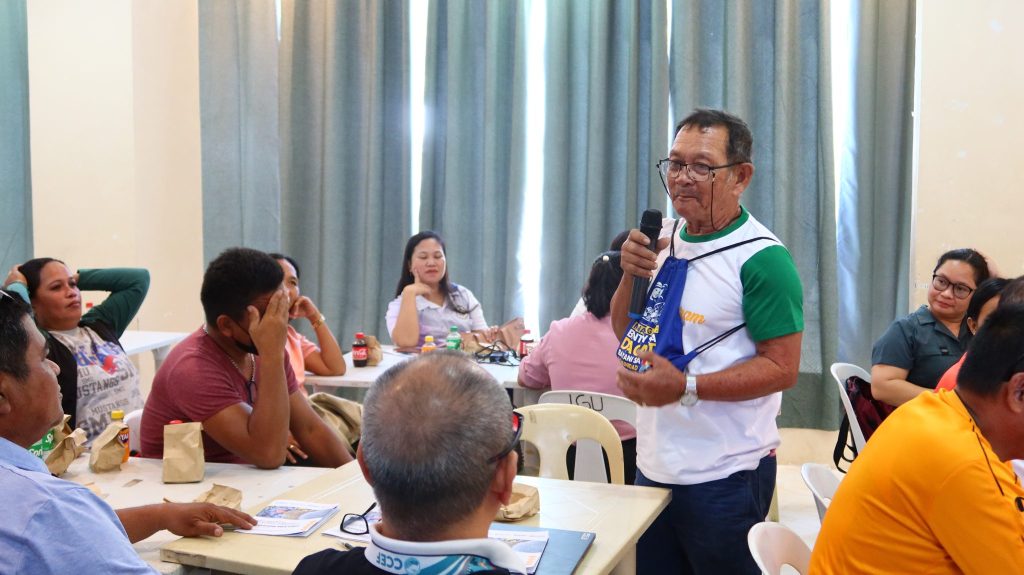
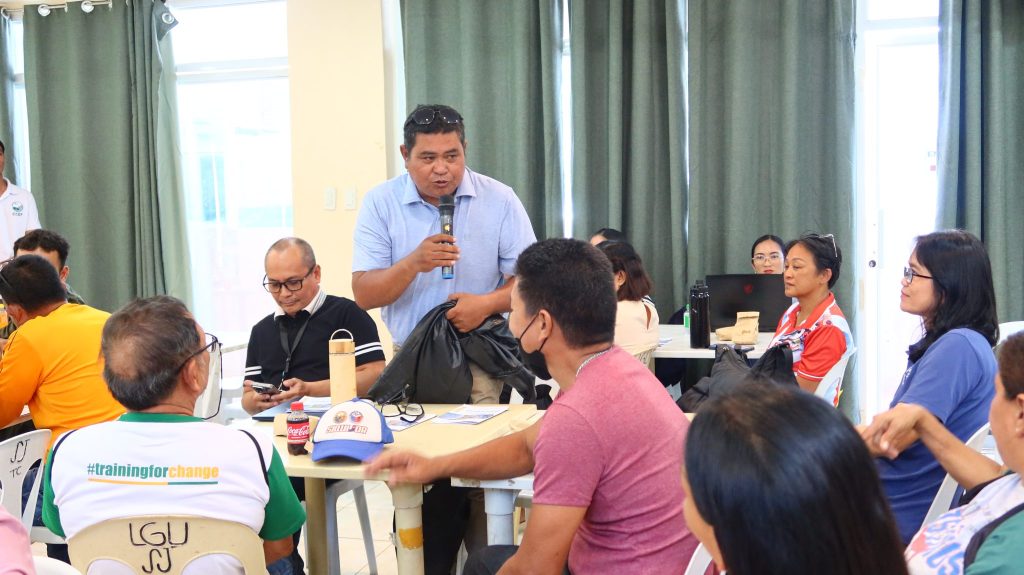
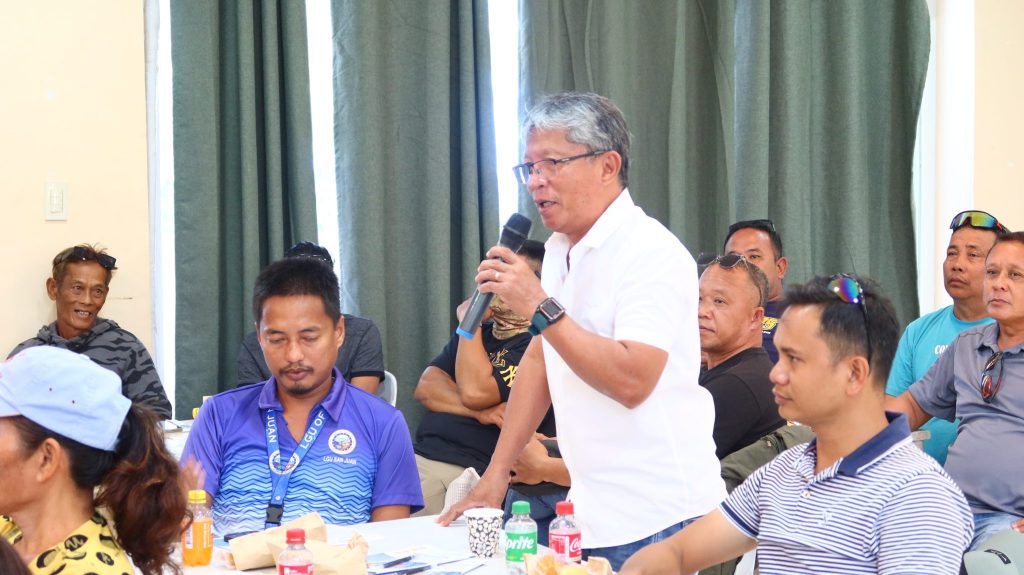
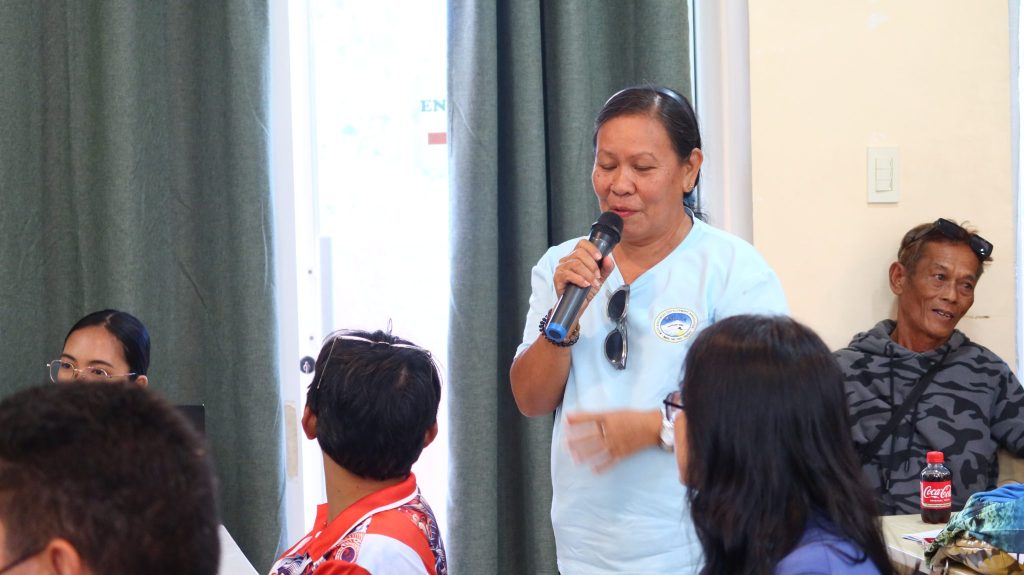
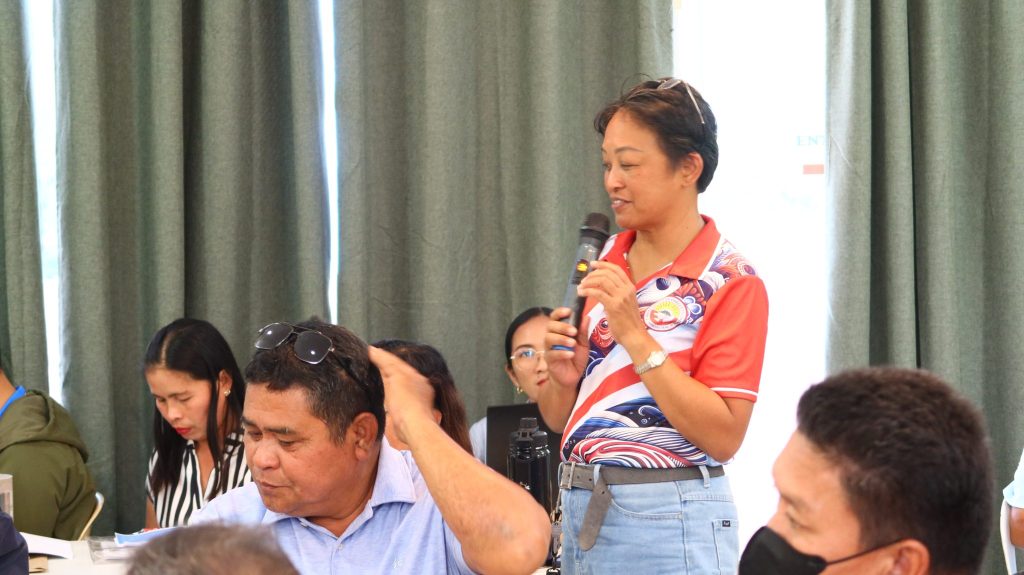
Inception Meeting
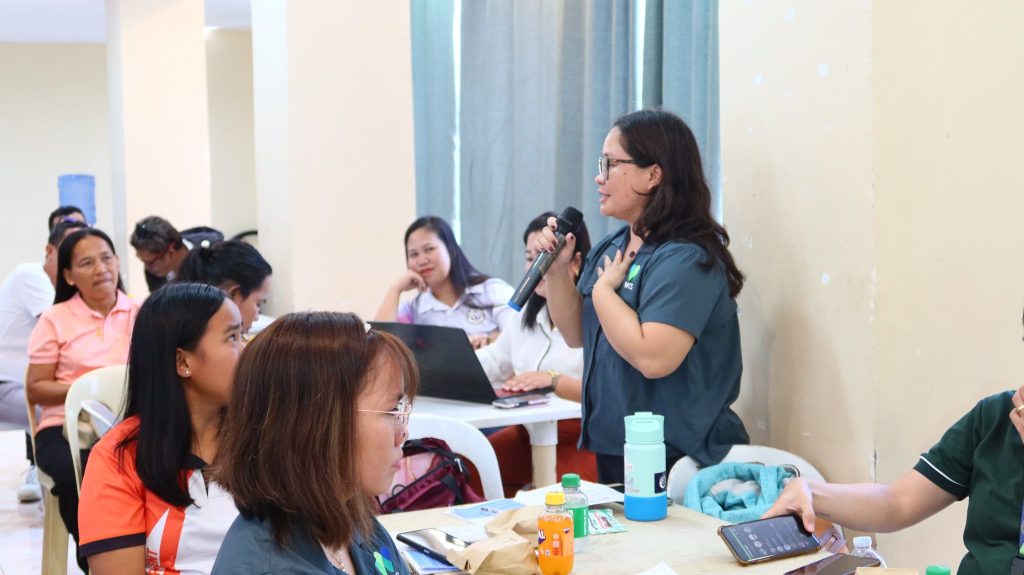
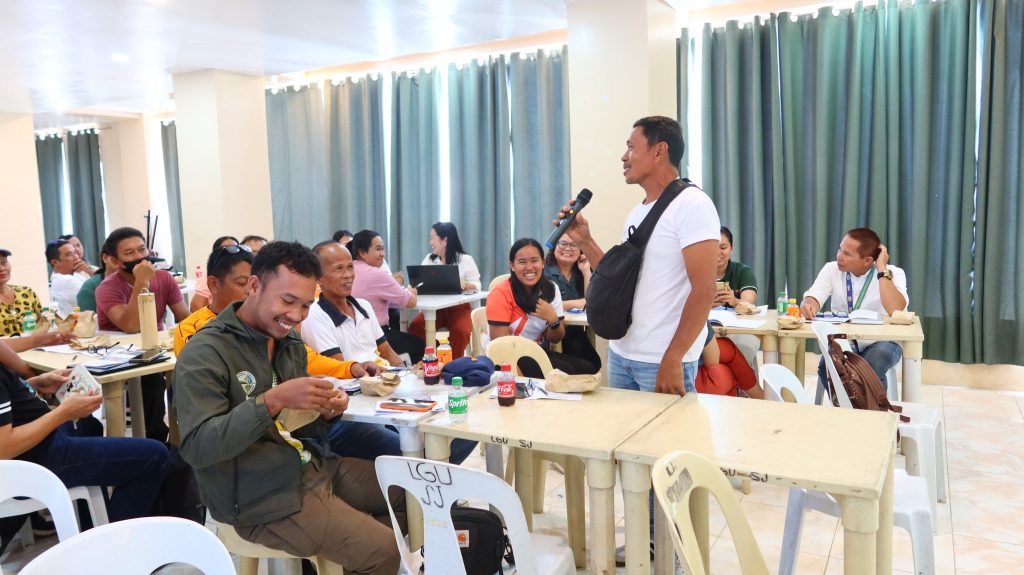
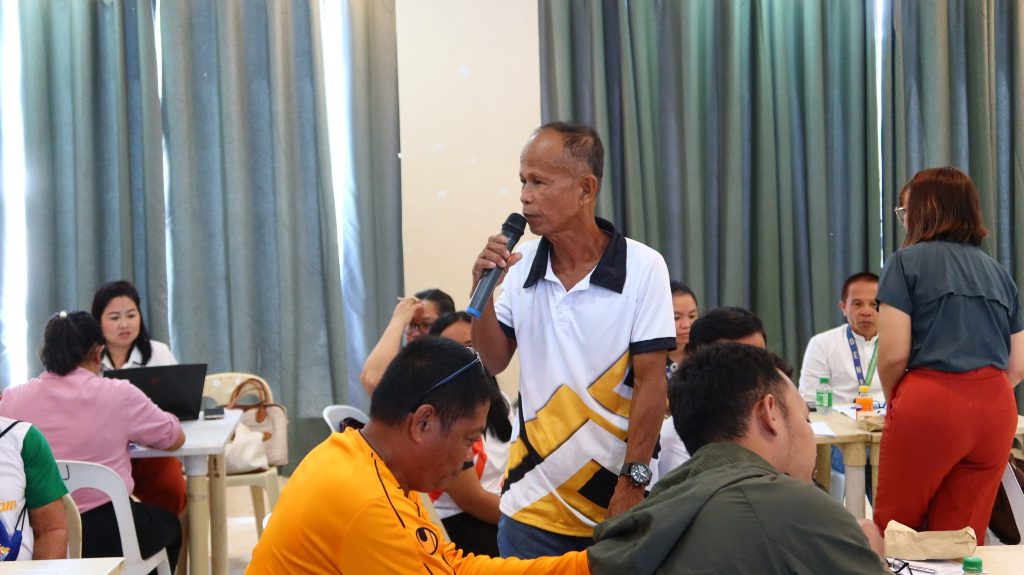
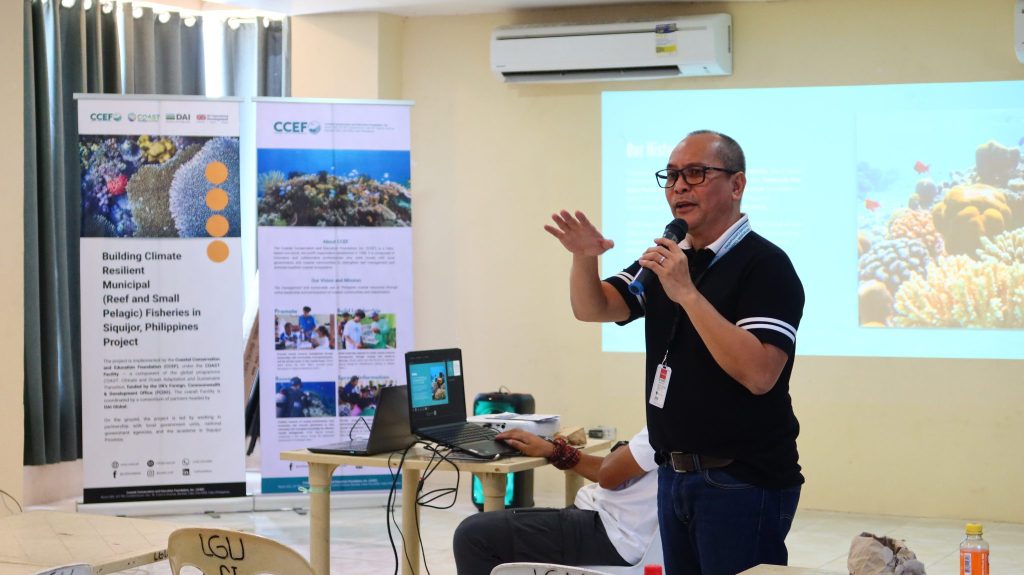
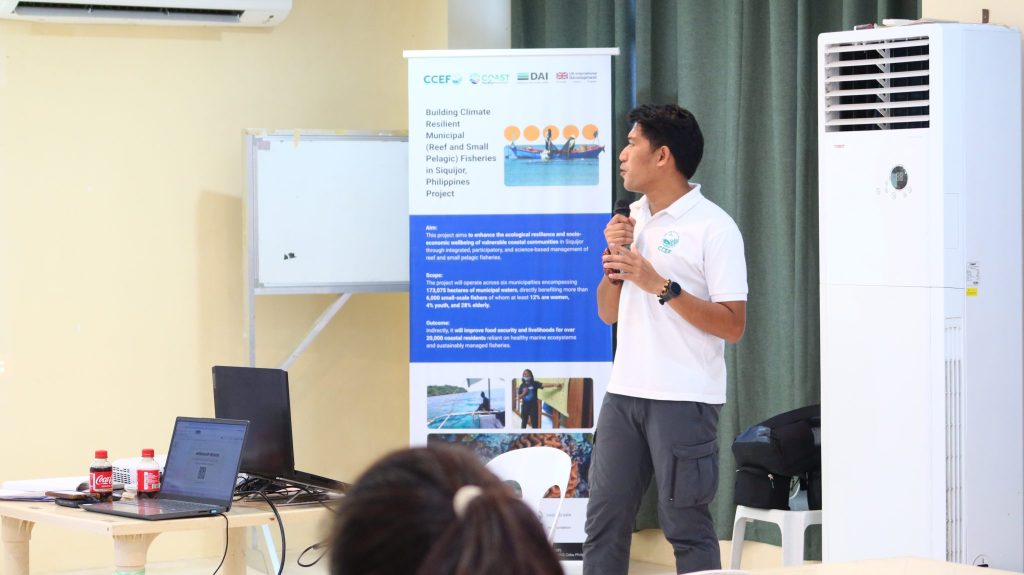
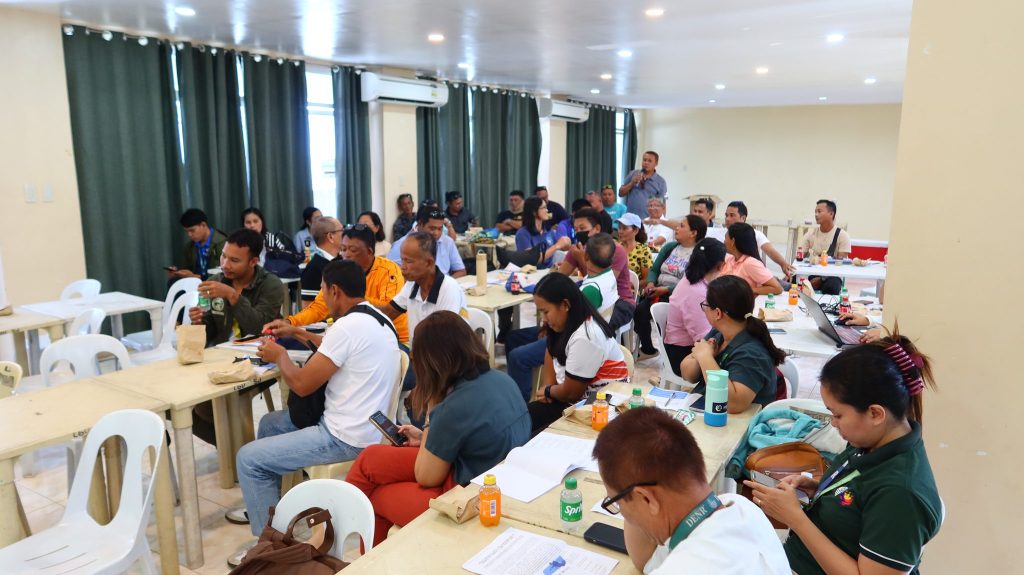
The inception meeting marked both the formal launch of the project and a vital stakeholder alignment session, ensuring that all participants shared a unified understanding of its objectives, strategies, and roles. Executive Director Glenn R. Labrado opened the session with a presentation on CCEF’s history and ongoing work in Siquijor, underscoring the foundation’s longstanding commitment to marine conservation and community empowerment. This was followed by Reaan C. Catitig, CCEF UK Coast Project Coordinator, who delivered the project overview and outlined the vision of building climate‑resilient municipal fisheries through science‑based, participatory management.
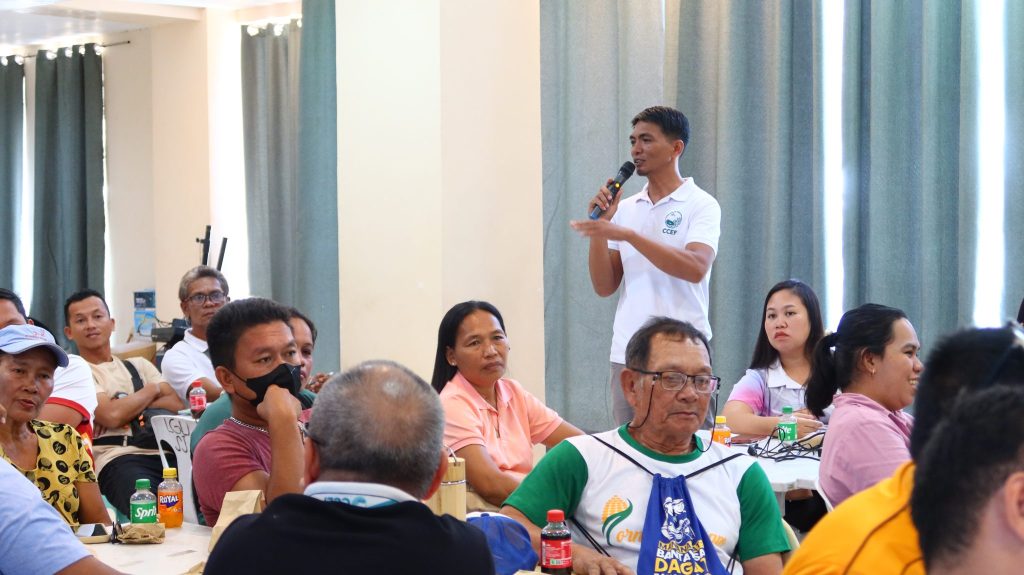
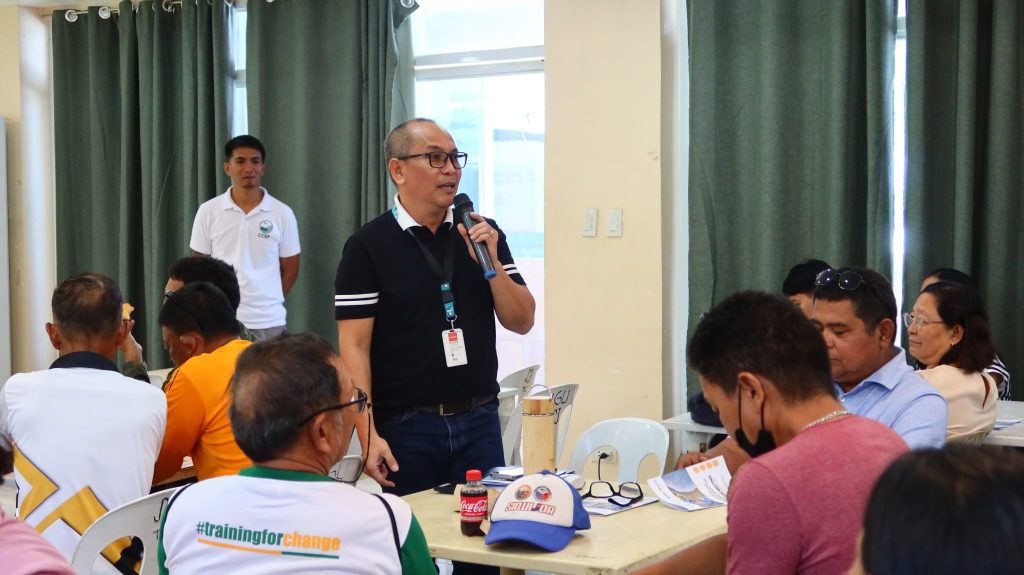
To provide context, Darrell T. Pasco, Senior Aquaculturist of the Office of the Provincial Agriculturist, delivered a technical review of past and current coastal resource management initiatives at both provincial and municipal levels, underscoring lessons learned and areas for improvement.
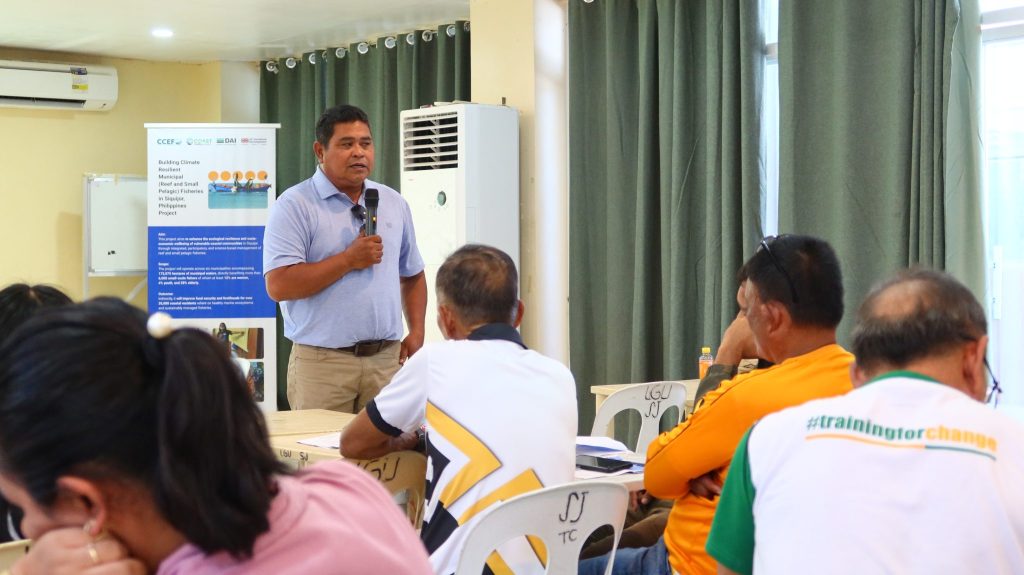
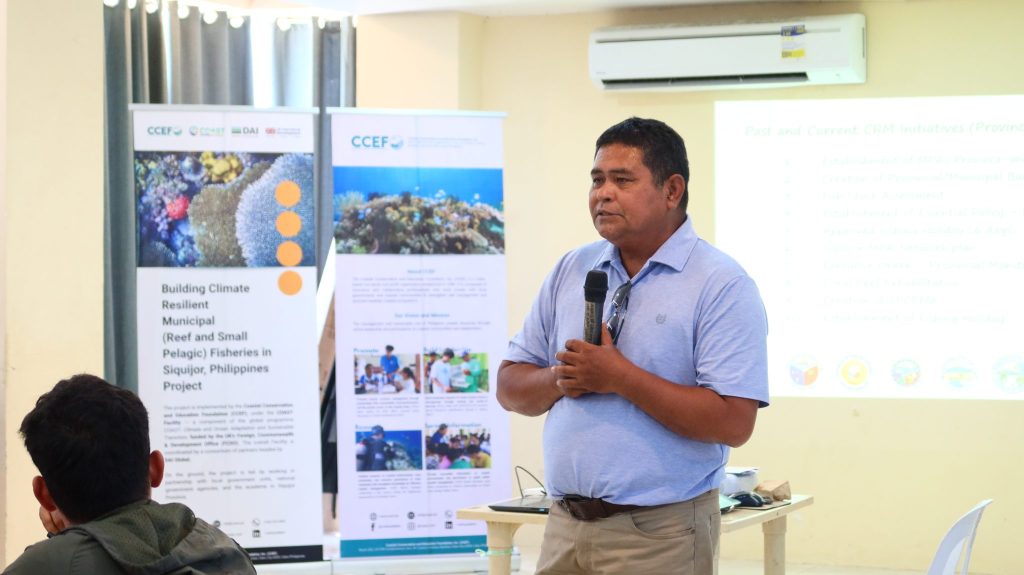
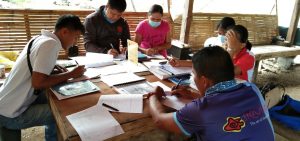
The meeting then transitioned into workshop sessions focused on Strategic Needs and Vulnerability Assessment and Strategic Alignment and Partnership Mapping facilitated by CCEF Marine Biologist Dionel L. Molina. These interactive discussions allowed stakeholders to identify enforcement gaps, data limitations, and social support needs, while also clarifying roles and responsibilities across agencies and organizations.
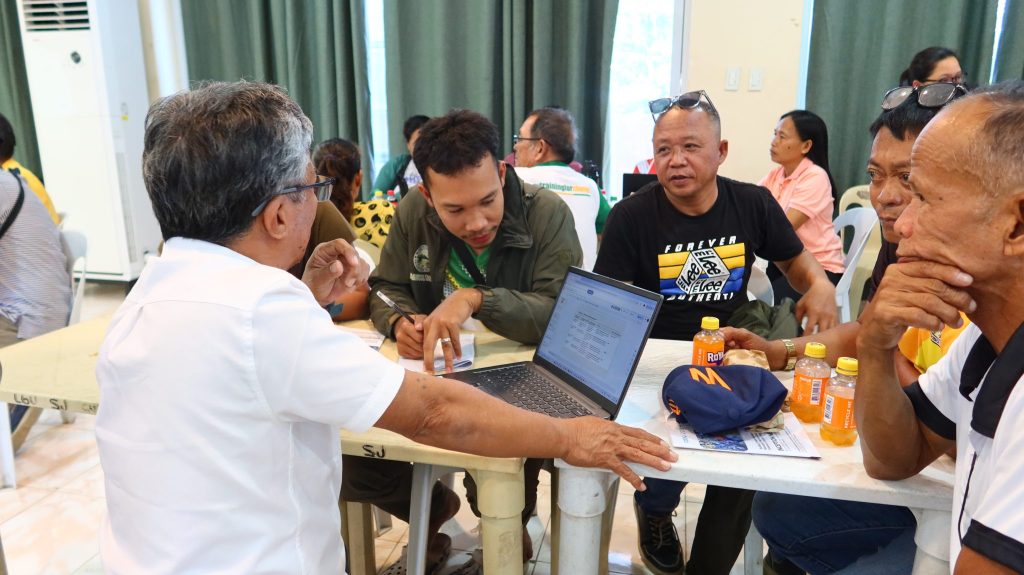
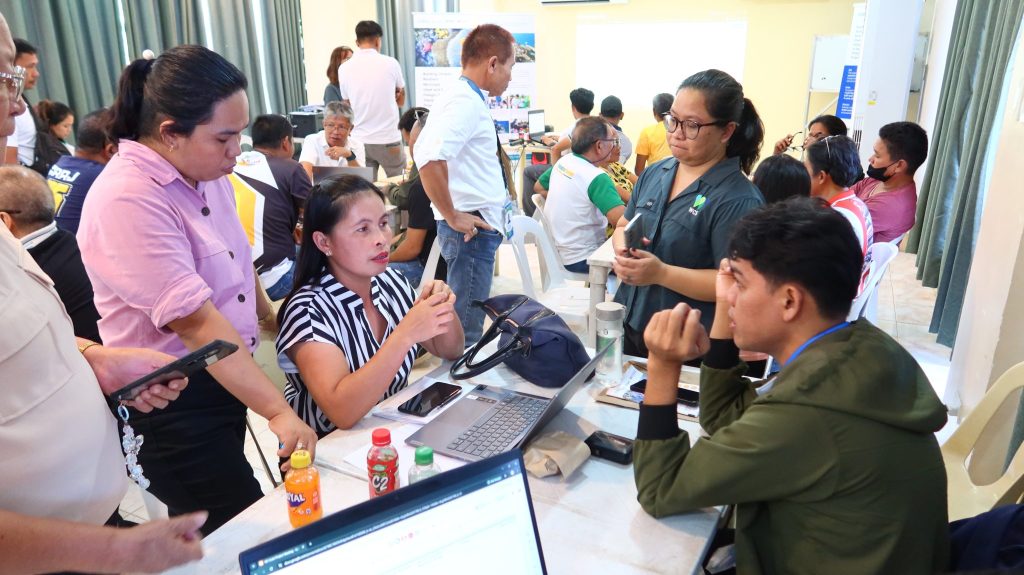
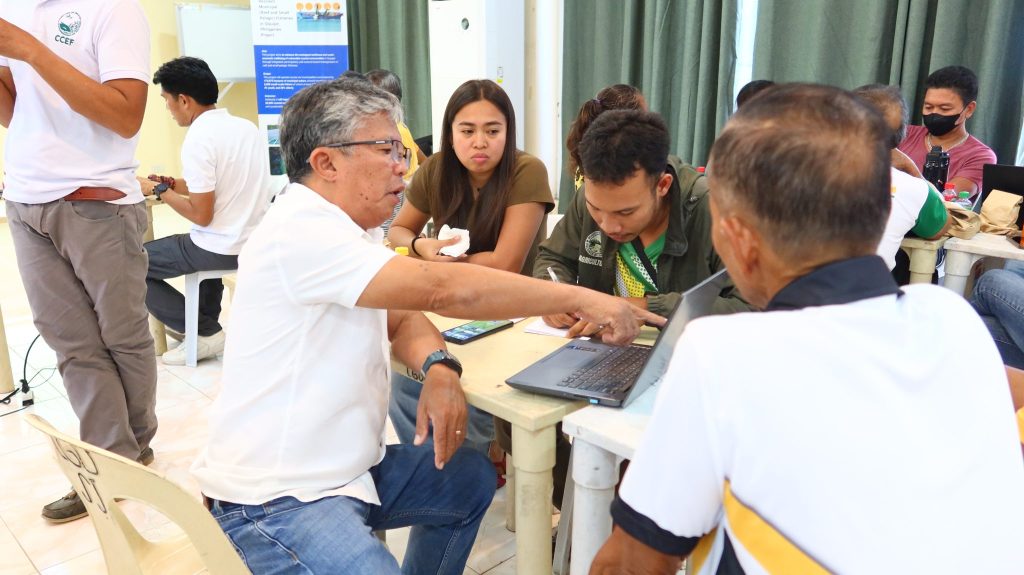
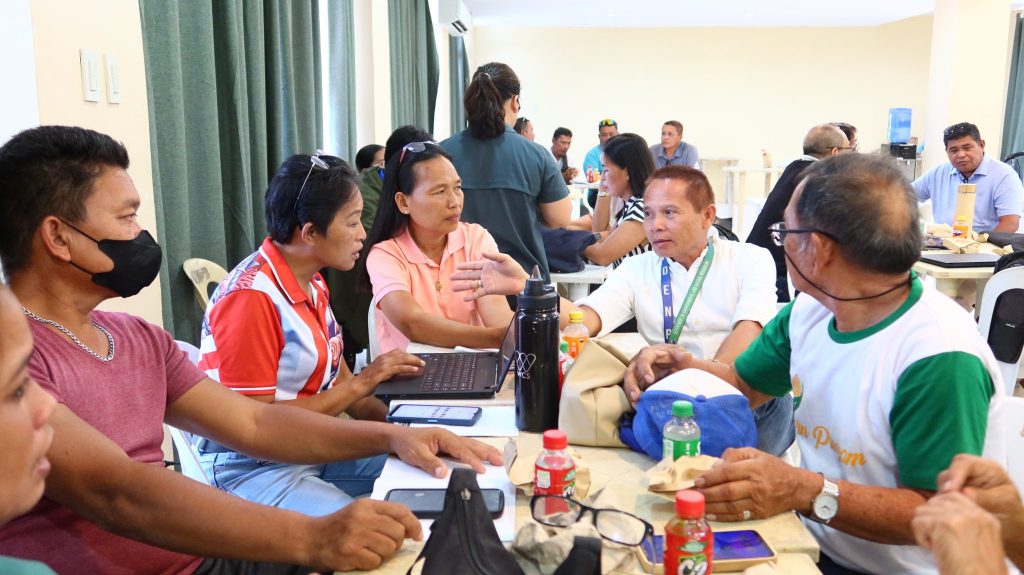
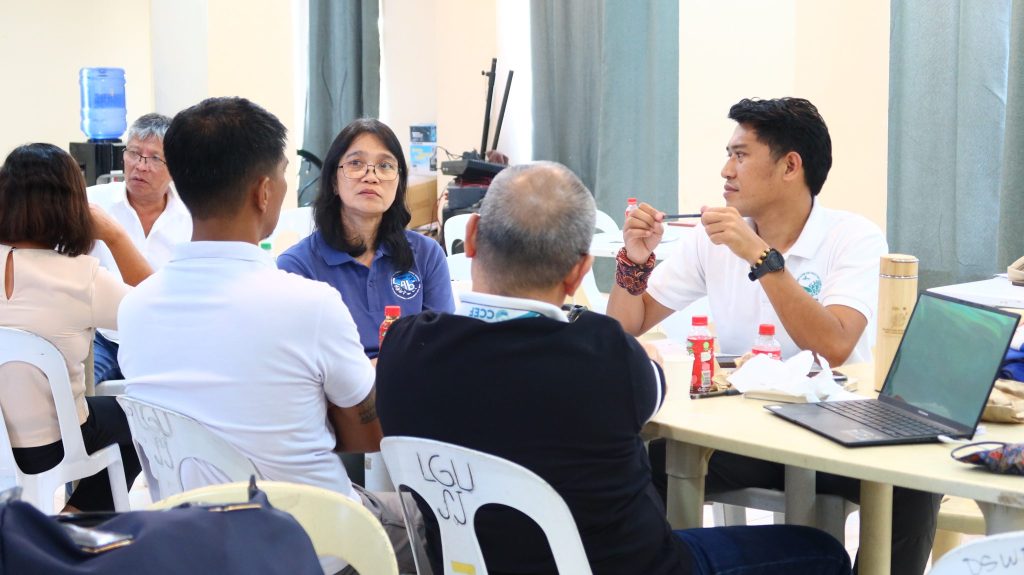
Outputs from the workshops were shared during the plenary session, where representatives presented their findings and recommendations, reinforcing participatory approaches. The program concluded with a closing message from Mrs. Evangeline Baroy, OIC – Provincial Agriculturist, who affirmed the province’s commitment to supporting the project and ensuring its integration into local governance frameworks.
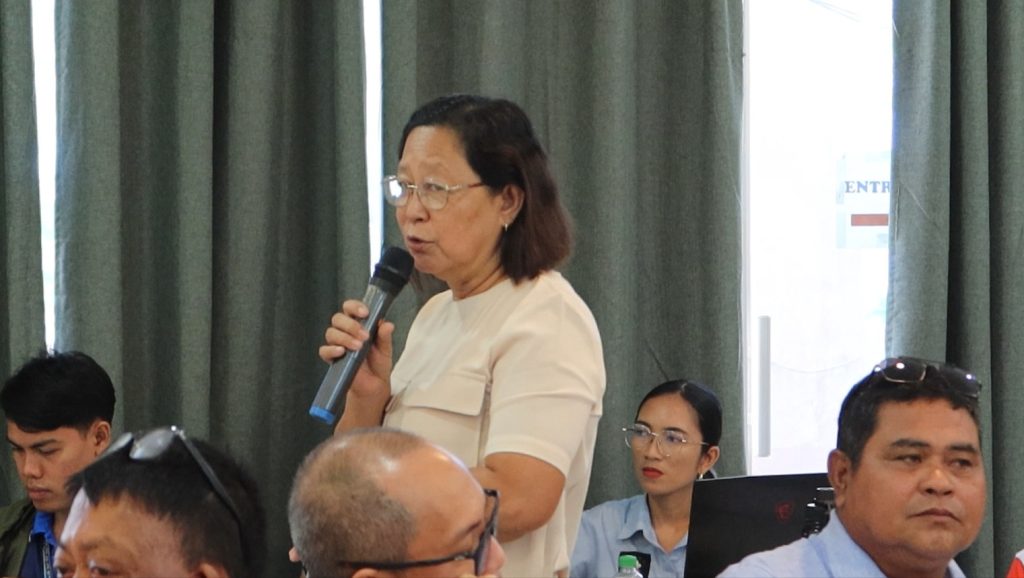
The inception meeting set the stage for Siquijor to rethink how conservation and community resilience can work hand in hand. By revisiting the long‑standing fishing holiday practice and exploring how it can be anchored in science, stakeholders opened the door to smarter closures that protect spawning cycles while sustaining fish stocks. At the same time, the planned rollout of CoMSCAs signals a shift toward financial safety nets and livelihood diversification, ensuring that families are not left vulnerable when fishing pauses. With these priorities now on the table, the project moves forward with a clear mandate: to balance reef recovery with economic resilience, so that Siquijor’s coastal communities can thrive in the face of climate change.