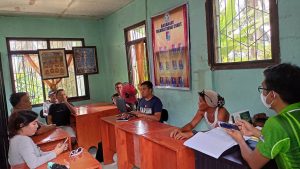

March 18, 2026 | Conference Room, Brgy Taloot, Argao, Cebu — Barangay Taloot, known for its progressive initiatives and thriving mangrove ecosystem, gathered its leaders, fisherfolk groups, and partner organizations for a Stakeholder’s Conference under the Promoting Community-Based Ecotourism in MPA and Mangrove Areas (ProComTour) project, generously funded by the Unico Conservation Foundation.
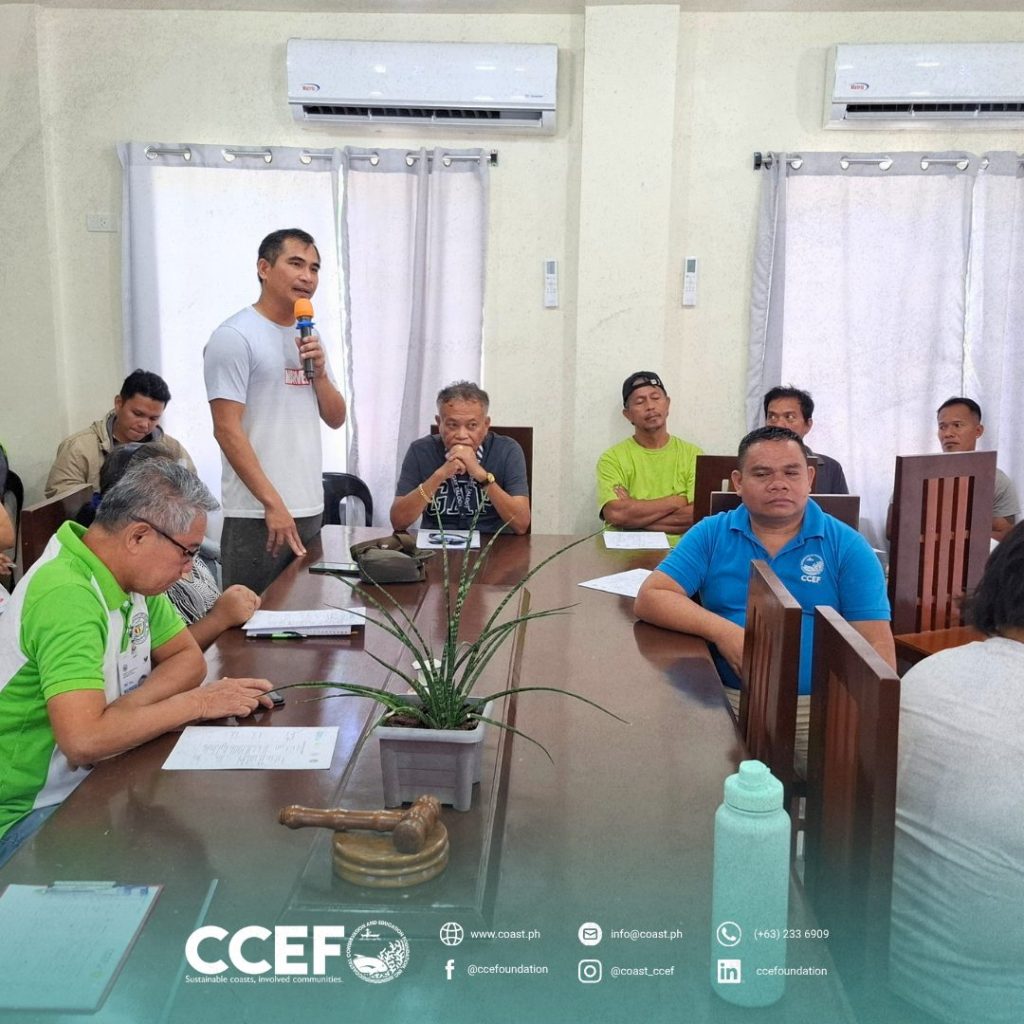
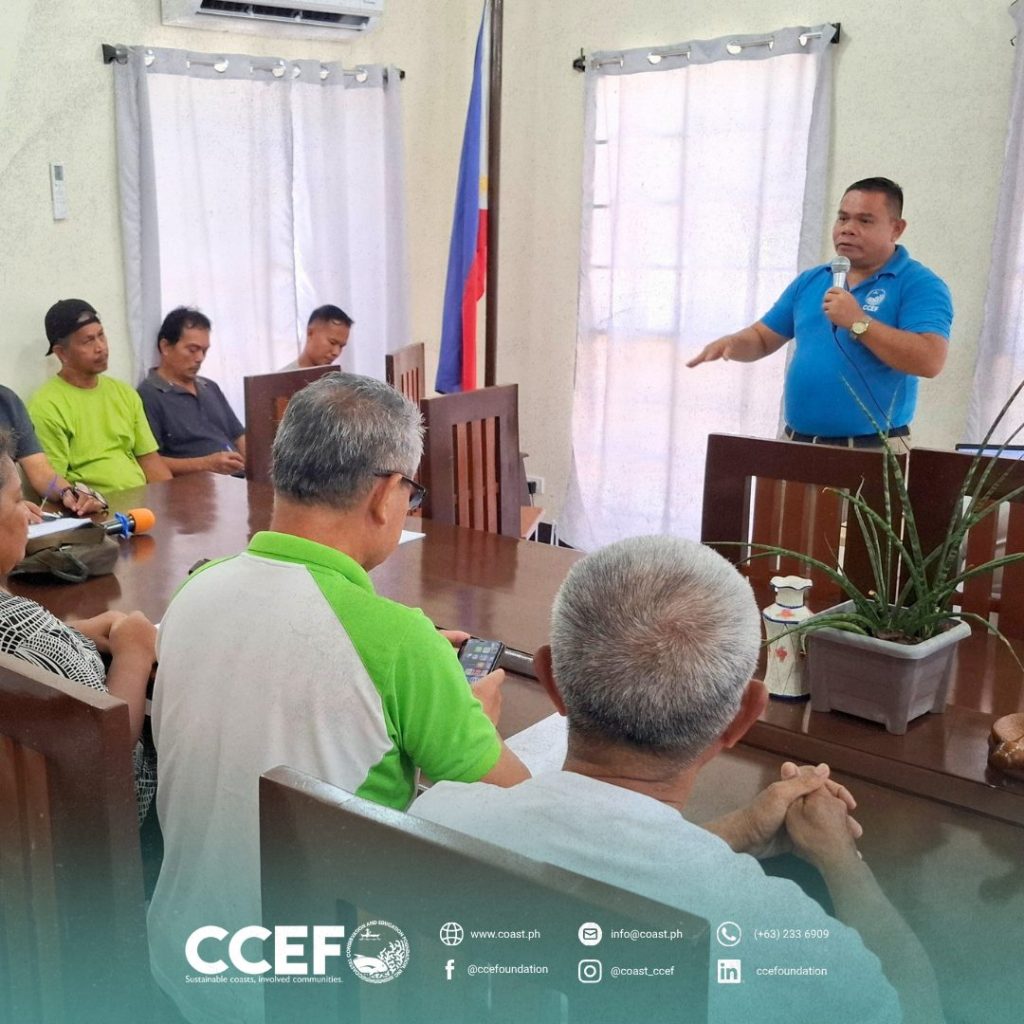
The conference brought together 20 participants from diverse institutions — Nagkahiusang Mananagat sa Taloot (NAGMATA), Tawog Pagatpatan Service Cooperative (TPSC), Barangay Taloot officials, the Sangguniang Bayan (SB)–Local Government Unit (LGU) of Argao, the Community Organizing and Sectoral Sustainability Office (COSSO–LGU Argao), the Department of Environment and Natural Resources (DENR–Argao), the Municipal Agriculture Office (MAO), and the Tourism Office.
Barangay Captain Hon. Virgilio Rizon and SB Committee member Mr. Vip Semilla emphasized the value of Taloot’s mangrove ecosystem, calling it one of the finest in South Cebu. They expressed hope that ecotourism would not only protect this natural treasure but also create opportunities for residents, aligning with the provincial government’s broader plan to include Argao in Cebu’s ecotourism development.
The Barangay Local Government Unit (BLGU) of Taloot formally requested assistance from the province to strengthen its ecotourism development. In response, the Office of the Governor committed monetary support, complementing the barangay’s own ₱200,000 pledge from its development fund. More importantly, this support ties Taloot’s initiatives to the province’s umbrella vision for tourism. The governor’s office has outlined a plan to strengthen Argao’s ecotourism package by developing the Liki Spring boardwalk, expanding Sombria trekking, and adding a mangrove boardwalk that will showcase Taloot’s rich mangrove ecosystem. By connecting local action to provincial priorities, Taloot’s ecotourism efforts are now part of a larger, coordinated push to position Argao as a key destination in Cebu’s sustainable tourism landscape.
One of the most critical discussions centered on access to mangrove areas. People’s Organizations raised concerns about the need to pass through privately owned land, for which they have been paying monthly fees. The DENR representative clarified that while mangrove areas are generally not titled under private ownership, permits had already been issued by previous management, making them legally binding. As a way forward, DENR suggested either continuing the current arrangement or exploring alternative access through Sombria, a nearby area that offers another entry point to the mangrove ecosystem. This guidance helped stakeholders understand the legal realities and practical options available, ensuring that future ecotourism activities could proceed without conflict.
This dialogue flowed naturally into the next segment: recognizing that ecotourism development is not just about infrastructure but also about clarifying roles and responsibilities. The Barangay LGU (BLGU) was identified as the lead in community coordination, the municipal LGU as the provider of technical and tourism support, People’s Organizations (POs) as direct managers of ecotourism enterprises, and community groups as partners in operations and cultural preservation.
Moving Forward
The Stakeholder’s Conference was not about creating new ideas in isolation, but about reactivating and strengthening what already exists. By convening stakeholders under ProComTour, CCEF provided a platform where roles were clarified, challenges were addressed, and opportunities were connected to broader provincial strategies.
Moving forward, the value lies in:
- Alignment with the provincial umbrella plan: Taloot’s initiatives now feed into Cebu’s wider ecotourism development, ensuring resources and collaborations can be tapped at multiple levels.
- Defined stakeholder roles: BLGU leads local coordination, LGUs provide technical and tourism support, POs manage enterprises, ecotourism managers oversee operations, and community groups safeguard culture and participation. Everyone is now in sync for implementation.
- Exploring collaborations: The conference opened doors for partnerships across government, community, and private sectors, laying the groundwork for shared ventures and resource mobilization.
- Practical readiness: With monetary support pledged and ongoing projects already in motion, stakeholders can move from planning to implementation with clarity and confidence.
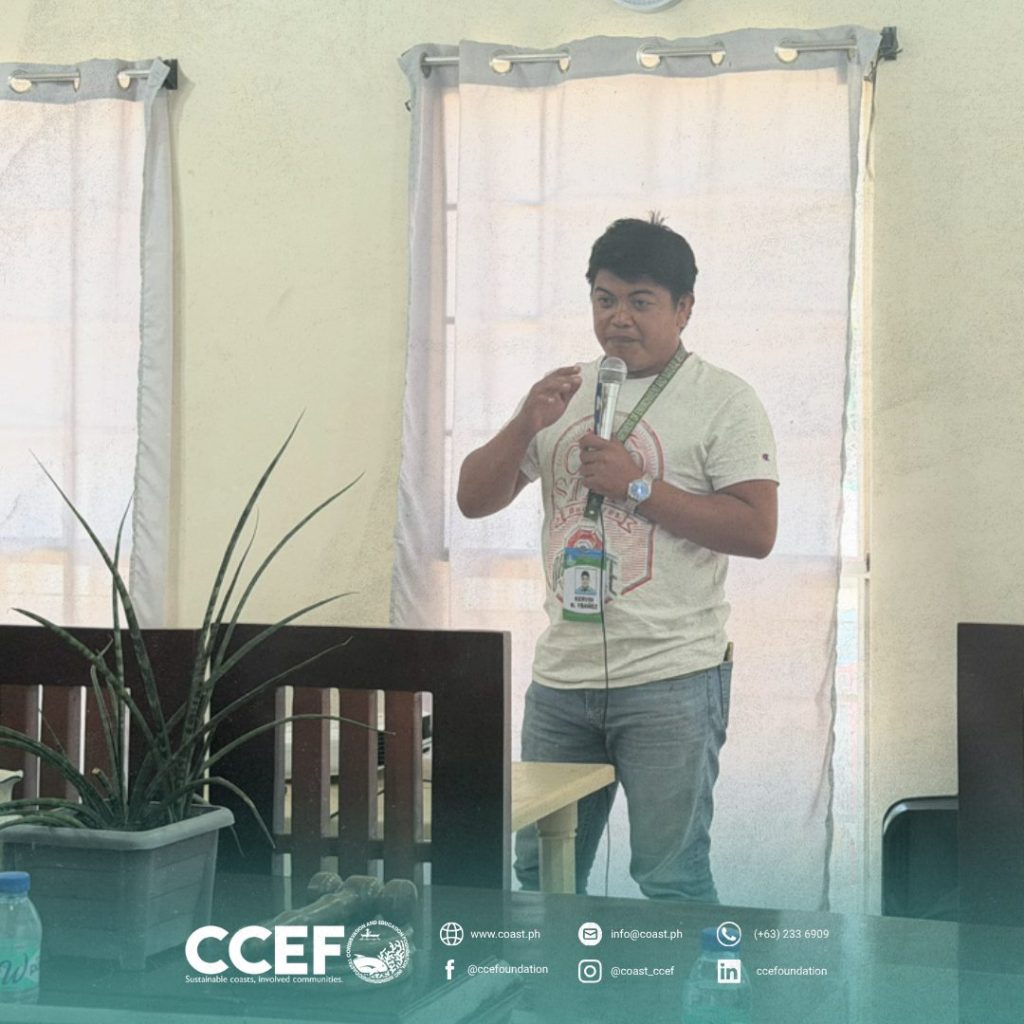
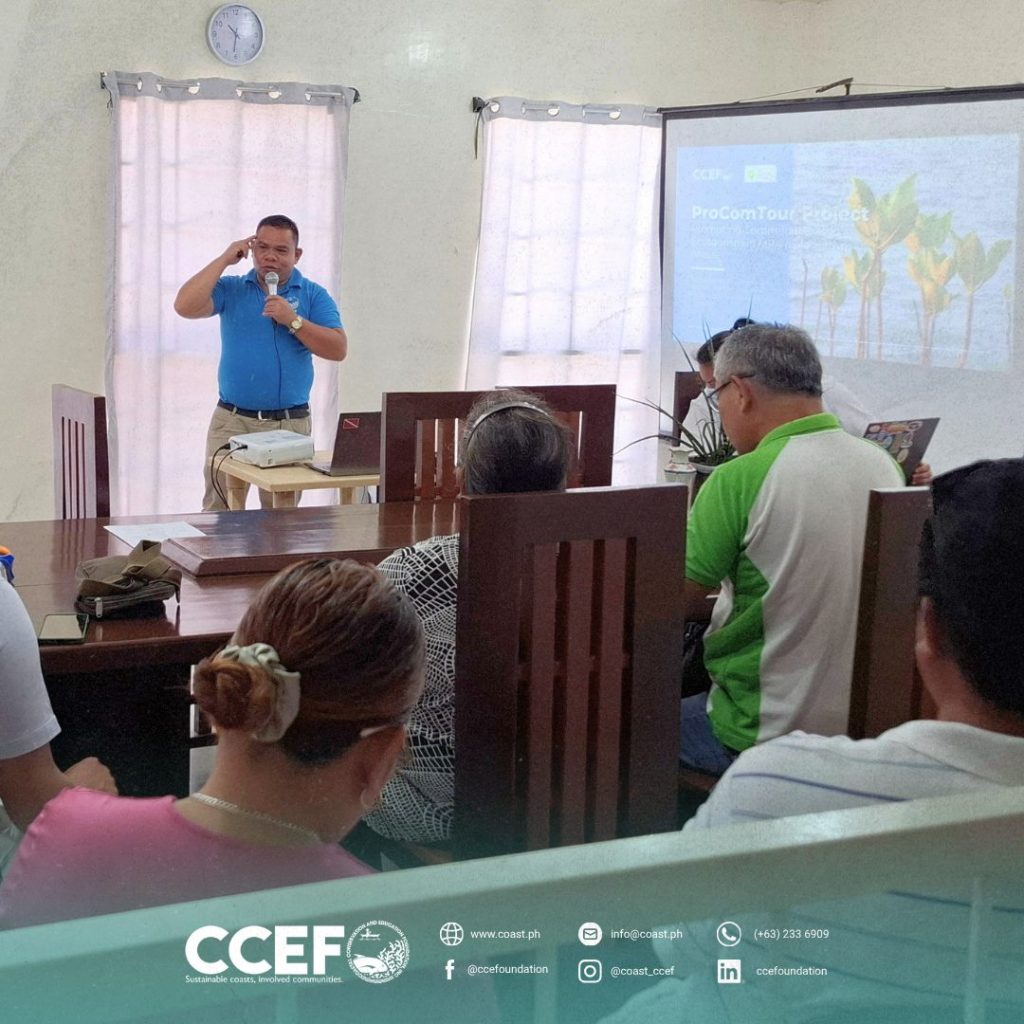
The meeting gave the LGU and communities not just a venue for discussion, but a reactivation of shared commitments — ensuring that when plans are implemented, every stakeholder is aligned, every role is clear, and Taloot’s ecotourism vision is firmly connected to the province’s larger development agenda.