April 21–23, 2026 | Municipality of Siquijor, Siquijor
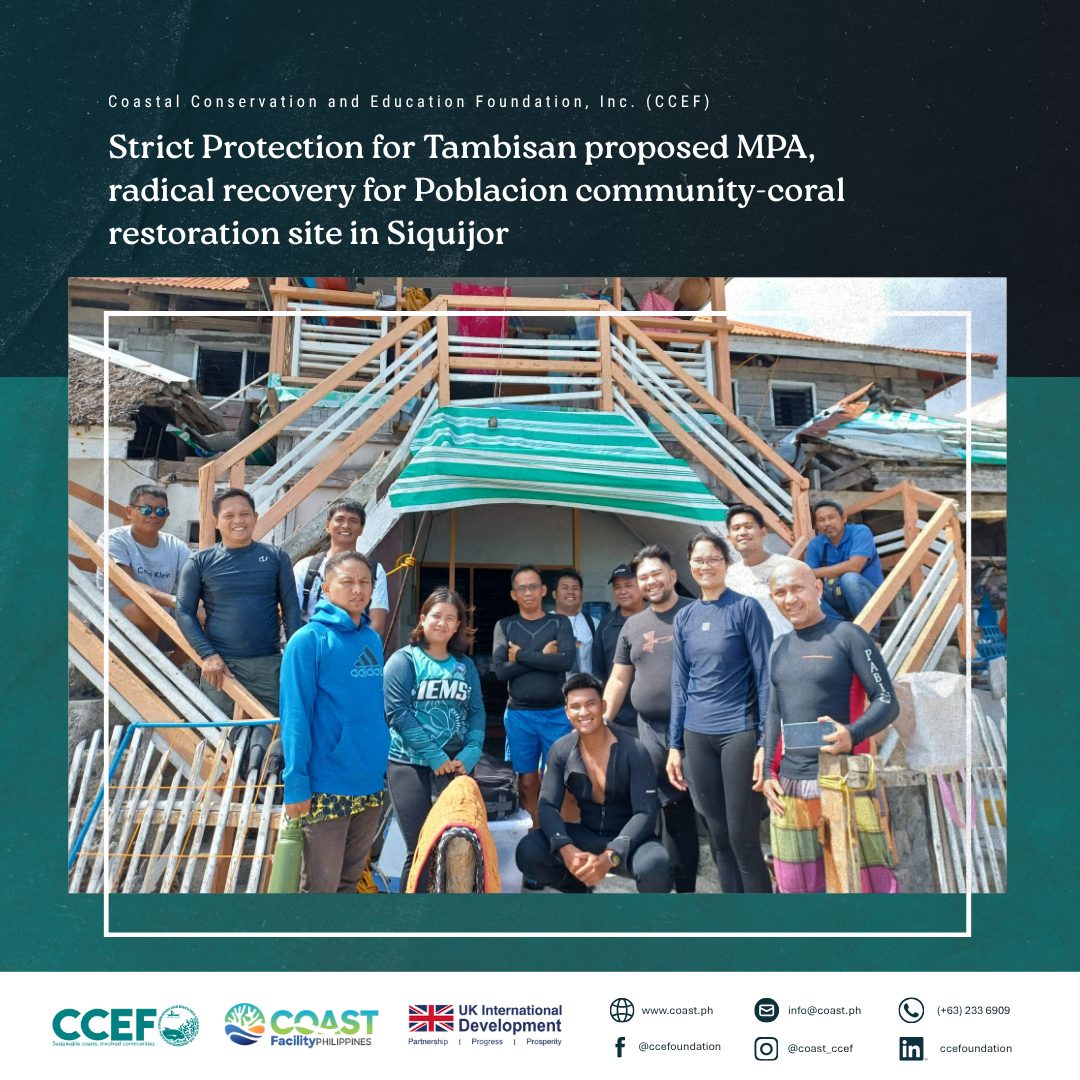
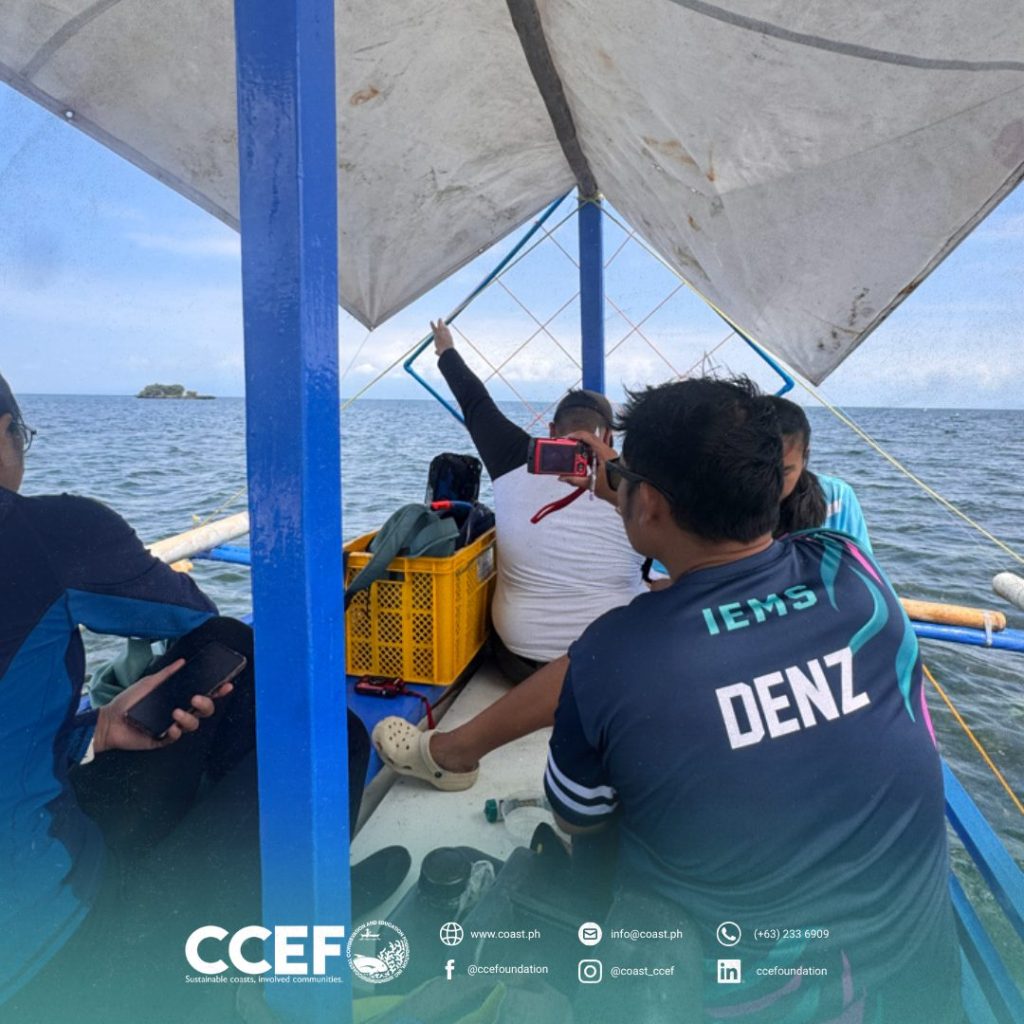
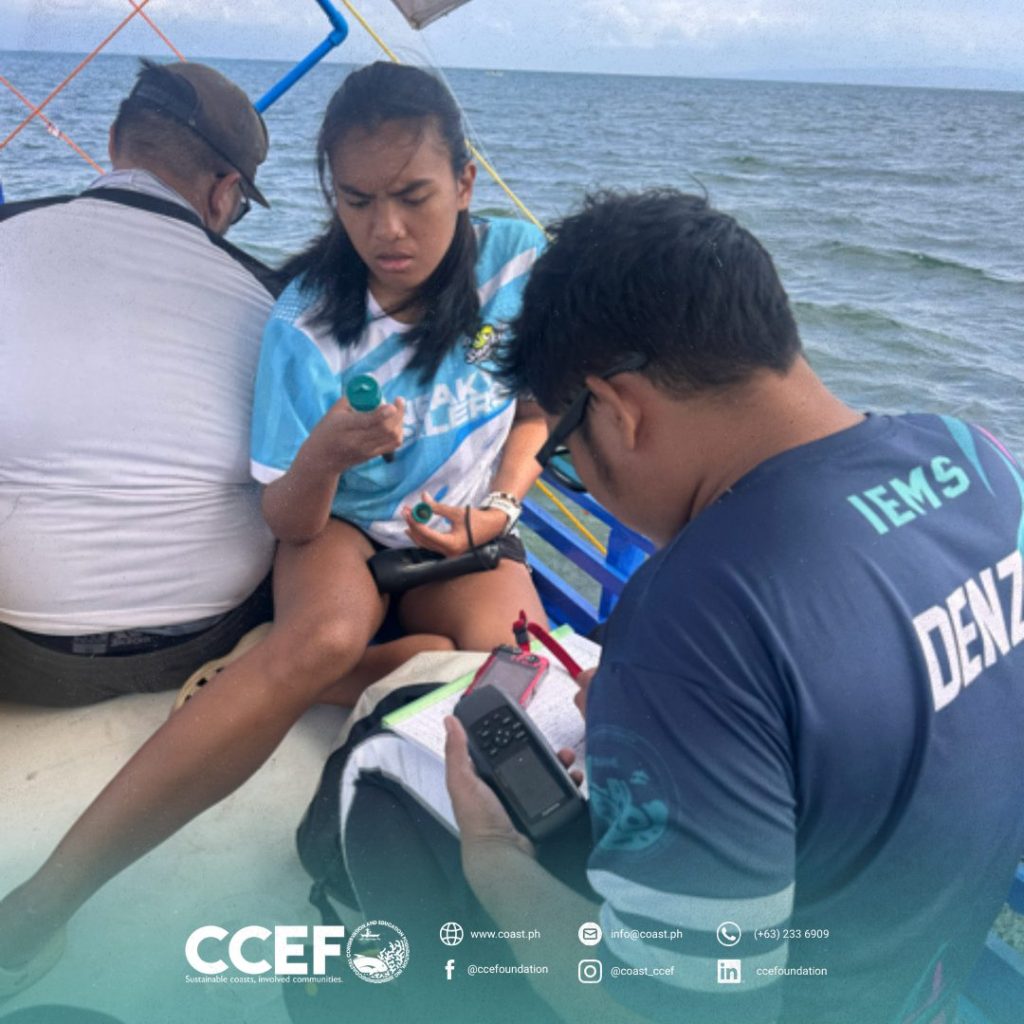
The Build REEFS Project, in partnership with the Silliman University Institute of Environmental & Marine Sciences (SU-IEMS) under the leadership of Dr. Aileen Maypa, conducted intensive biophysical assessments to strengthen Siquijor’s Marine Protected Area Network (MPAN).
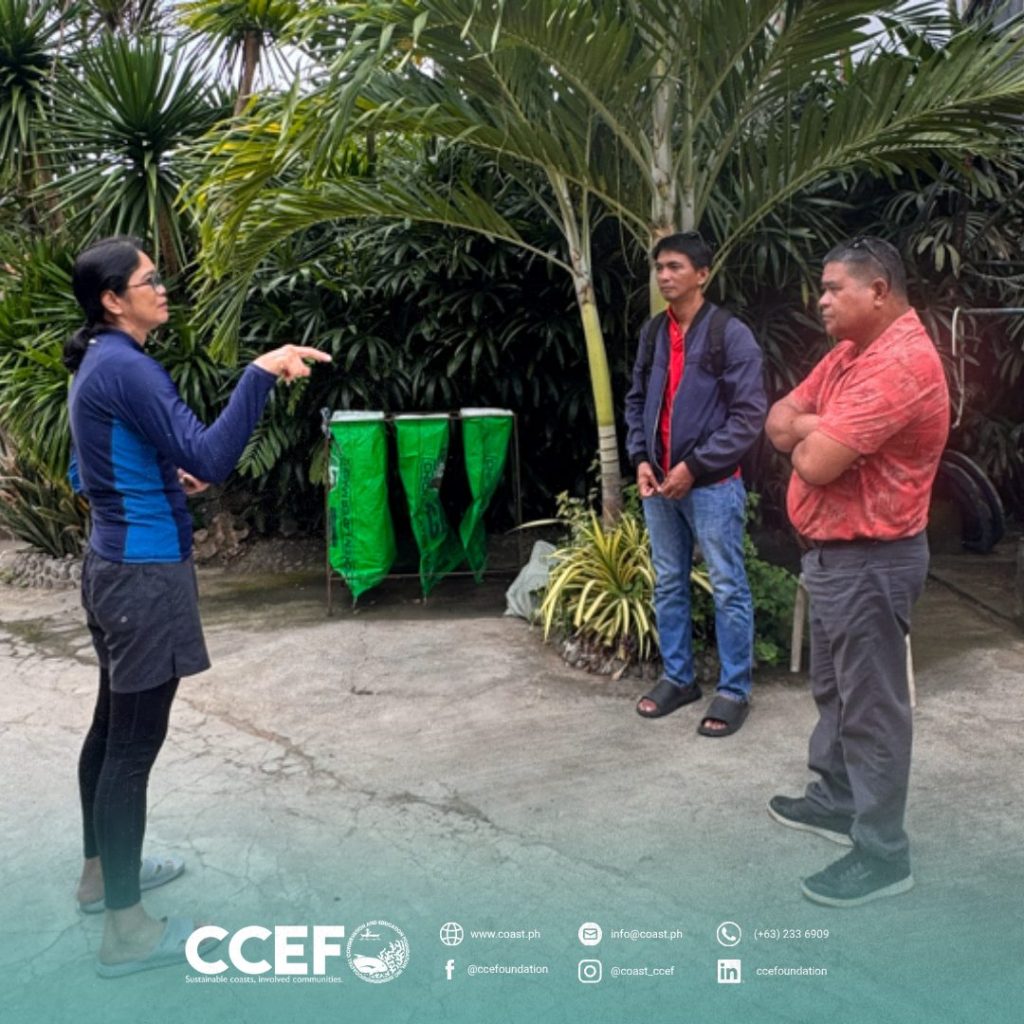
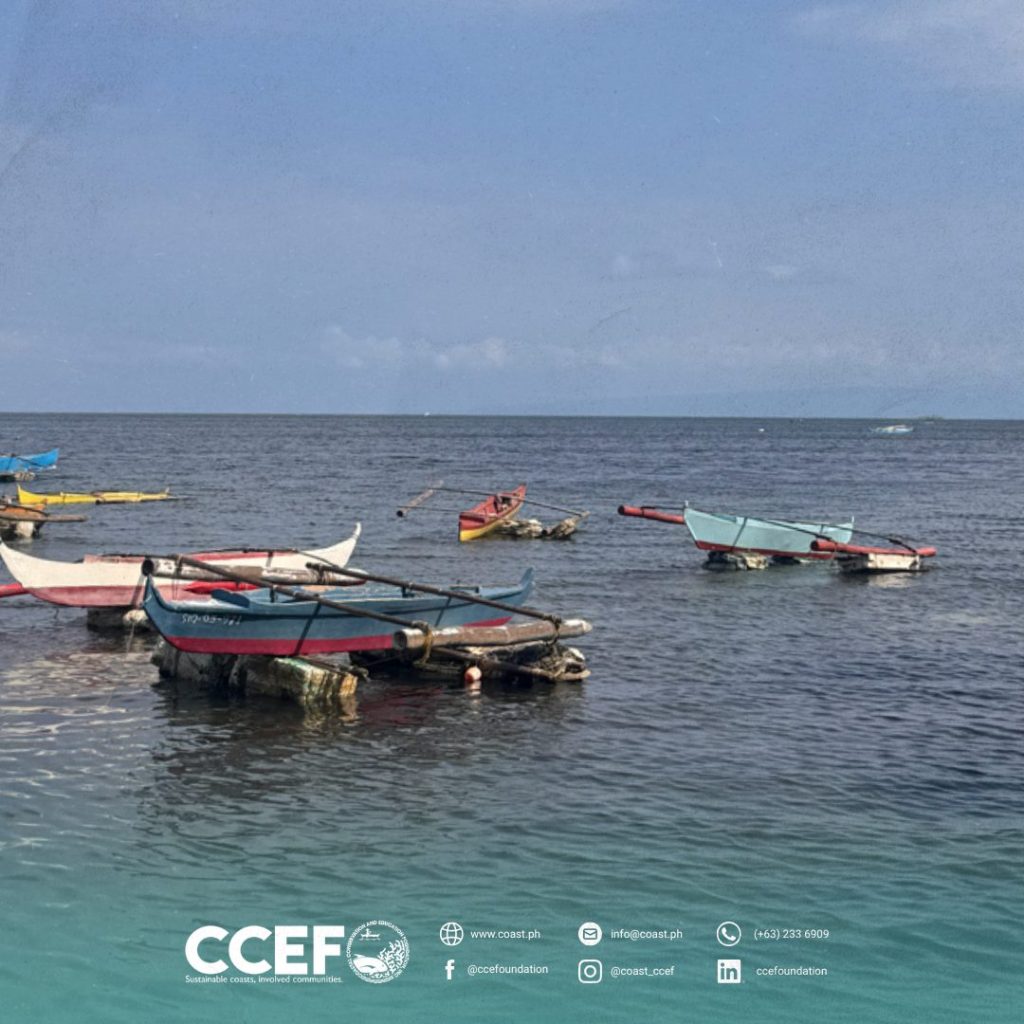
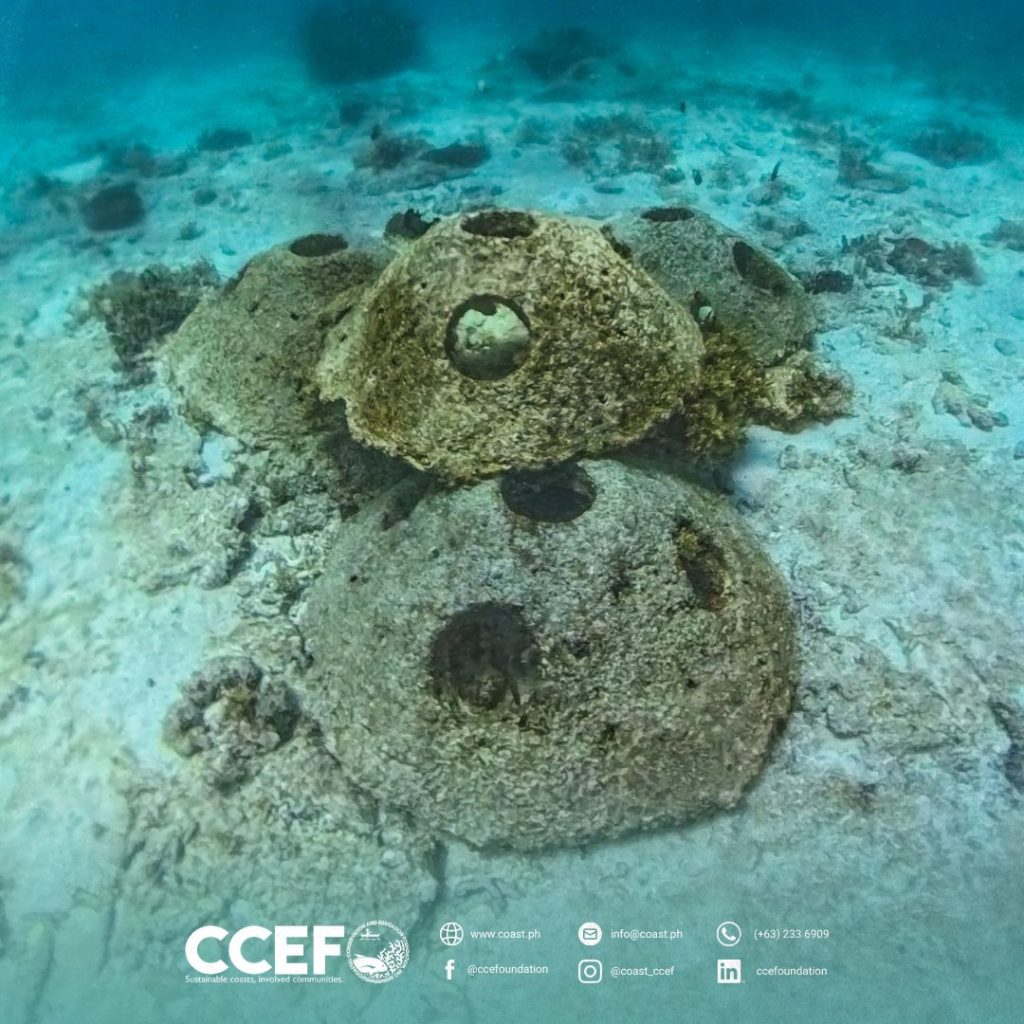
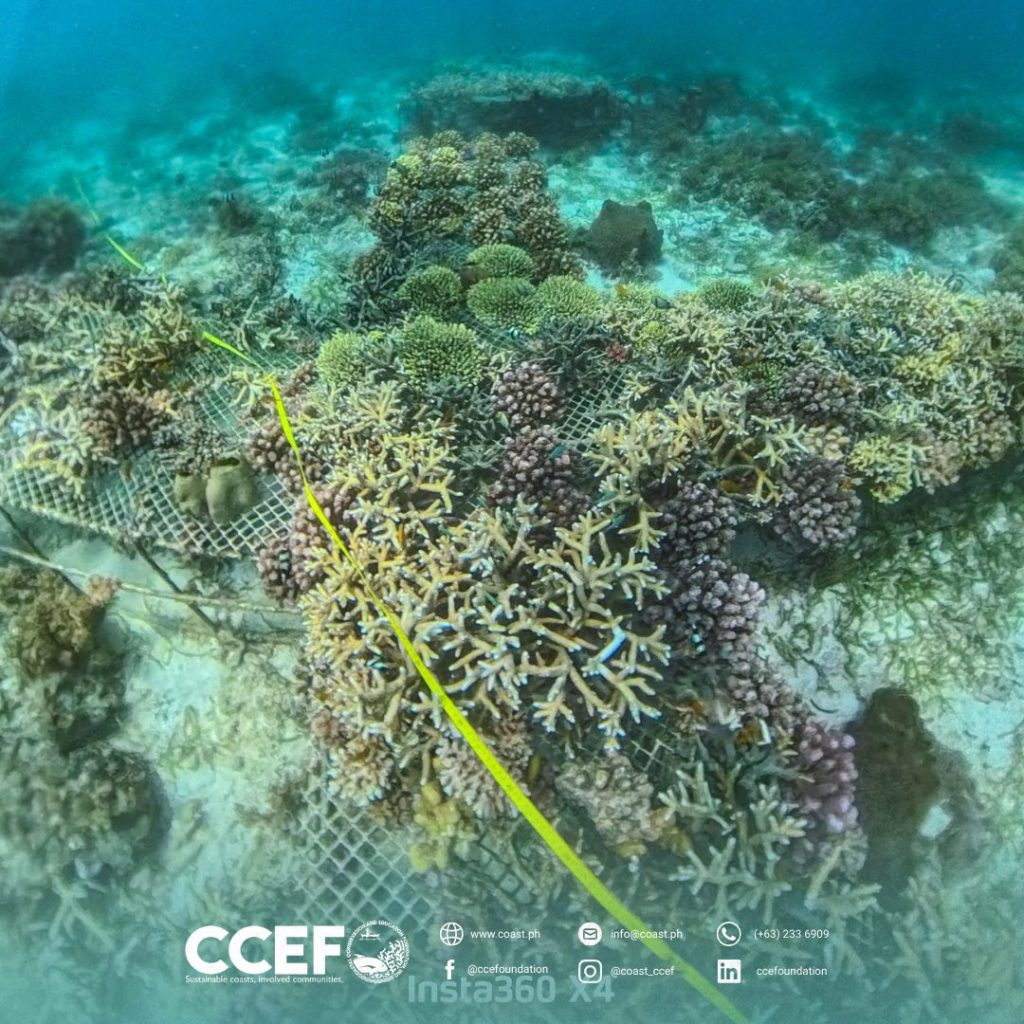
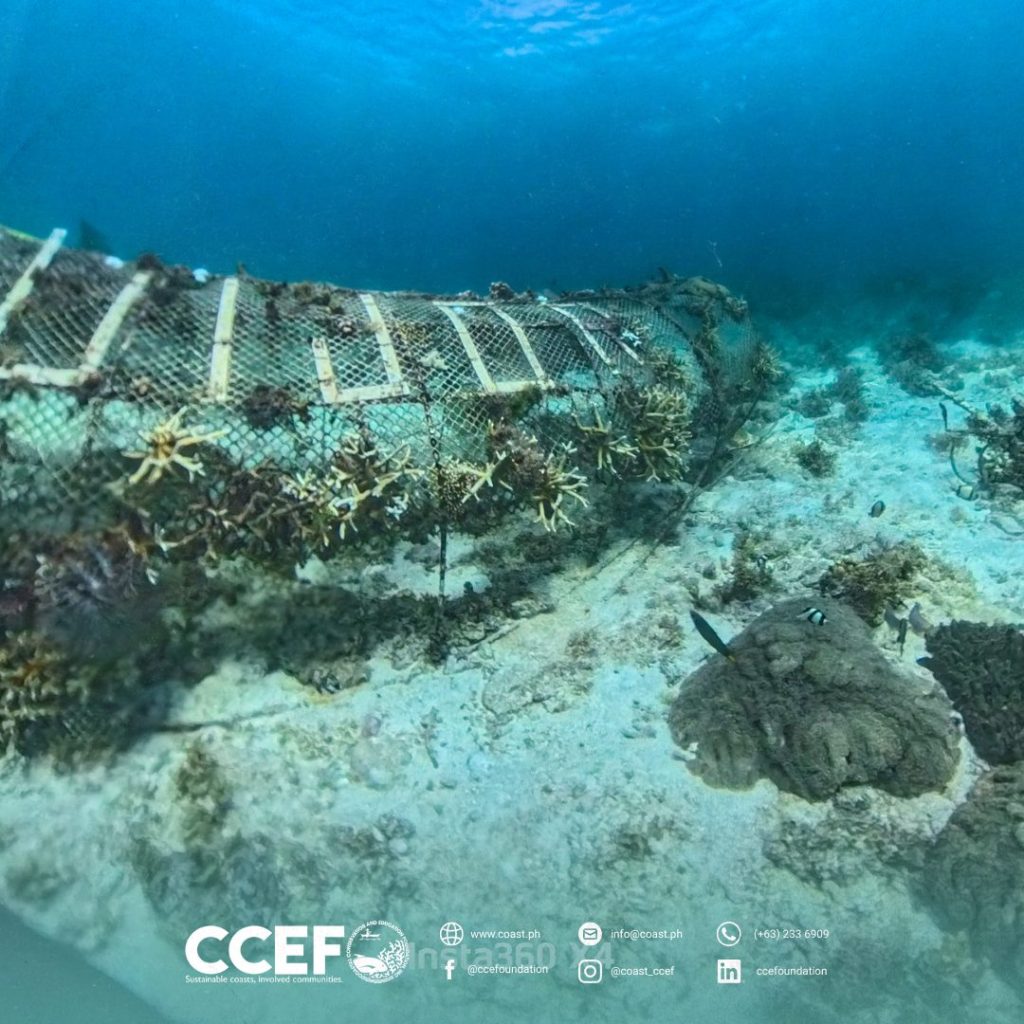
These assessments build on the 2012 Marxan marine spatial planning study of the province, which identified four priority conservation zones, only two of which were ever formally established. With most MPAs under 10 hectares and fragmented, critical reefs and seagrass meadows remain exposed to degradation. The assessments aimed to validate the proposed Marine Sanctuary in Tambisan and evaluate the ongoing management strategy at the Community-Coral Restoration Site in Poblacion.
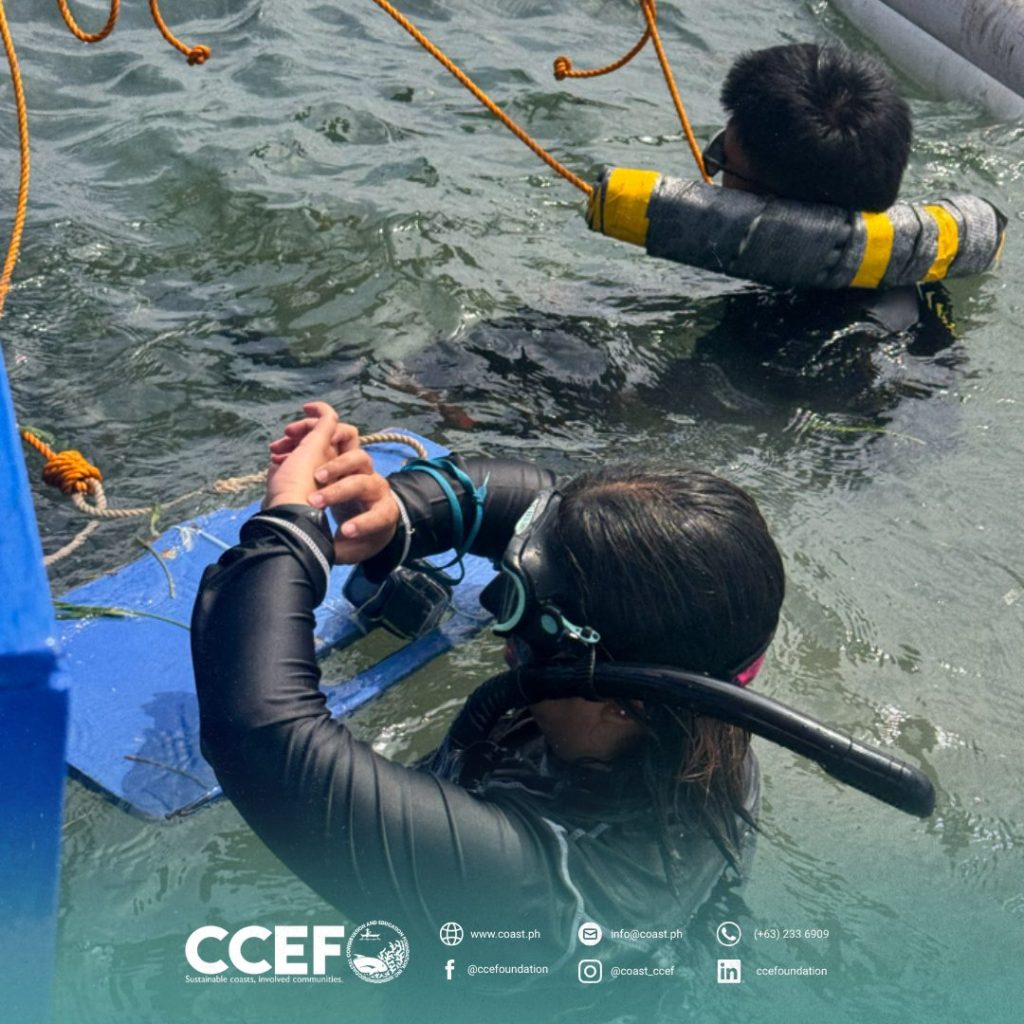
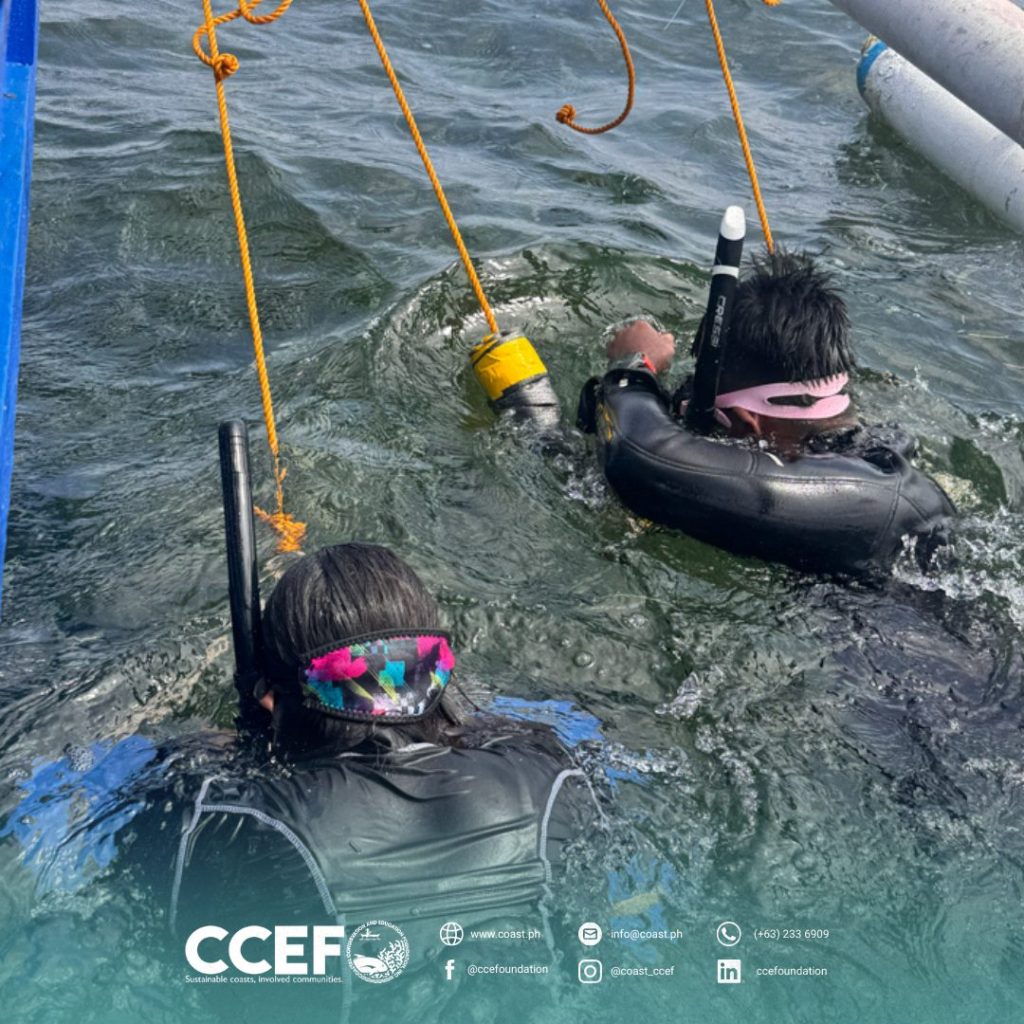
Barangay Poblacion: Community-Coral Restoration Site
A Lesson in Environmental Recovery
- Site Size: 2.8 hectares, located near the busy Siquijor Port.
- Biophysical Reality:
- Algal Dominance: Macroalgal blooms cover 1.0 hectare, smothering native marine life.
- Diminished Coral: Only 0.43 hectares of live coral remain viable.
- Runoff Impact: High nutrient pollution from urban areas stalls reef healing.
Strategic Roadmap for Recovery:
- Halt Gardening: Suspend coral gardening and artificial reef deployment until algal overgrowth is controlled.
- Source Remediation: Identify and mitigate land-based pollution and nutrient sources before restarting restoration.
- Manual Abatement: Deploy local teams for manual algal removal to relieve pressure on existing corals.
- Formal Protection: Enact immediate baseline protections to secure the site for future ecological recovery.
📍 Barangay Tambisan: Proposed Marine Sanctuary
A Thriving Multi-Habitat Stronghold
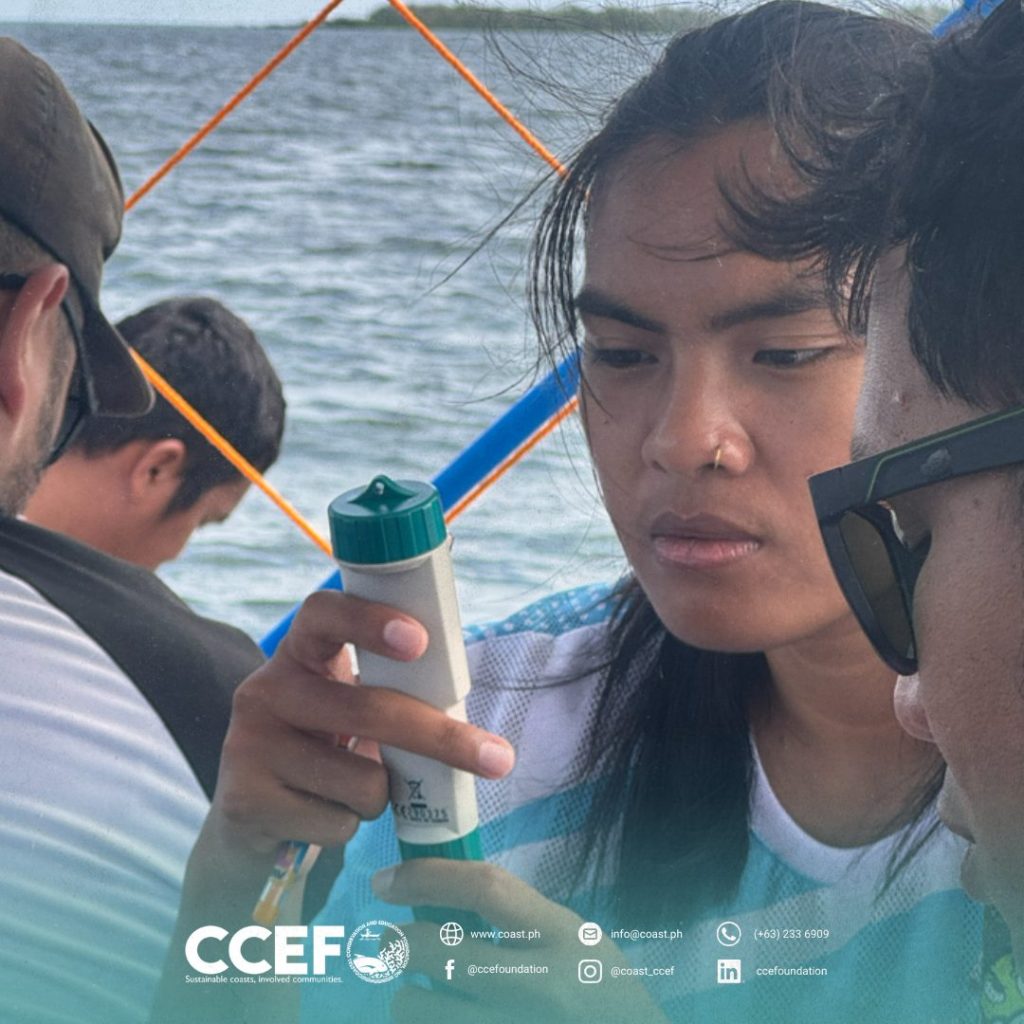
The survey utilized a multi-method approach to map the selected site, including: (A) Manta Tow surveys for broad-scale benthic mapping and habitat identification; (B) GPS tagging to precisely delineate habitat boundaries and spatial extent; and (C) collection of Water Quality Parameters to establish a baseline for the area’s environmental health.
- Site Size: 60 hectares of interconnected habitats.
- Habitat Breakdown:
- Sandy-bottom habitats: 20.3 ha (foraging grounds).
- Seagrass beds: 13.5 ha (nursery zones).
- Algae beds: 9.72 ha (supporting food webs).
- Coral reefs: 8.5 ha (high-biodiversity structures).
- Coral-algae mix: 4.64 ha (transitional habitat).
- Algae-seagrass zones: 3.79 ha (ecological edge environments).
Ecological Impact:
- Fisheries Support: Interconnected habitats act as nurseries, boosting fish populations for local fishers.
- Climate Resilience: Seagrass and algae fields serve as blue carbon ecosystems, trapping greenhouse gases.
- Community Alignment: Tambisan Barangay Council formally endorsed the sanctuary framework and is preparing for an ocular inspection to finalize boundaries.
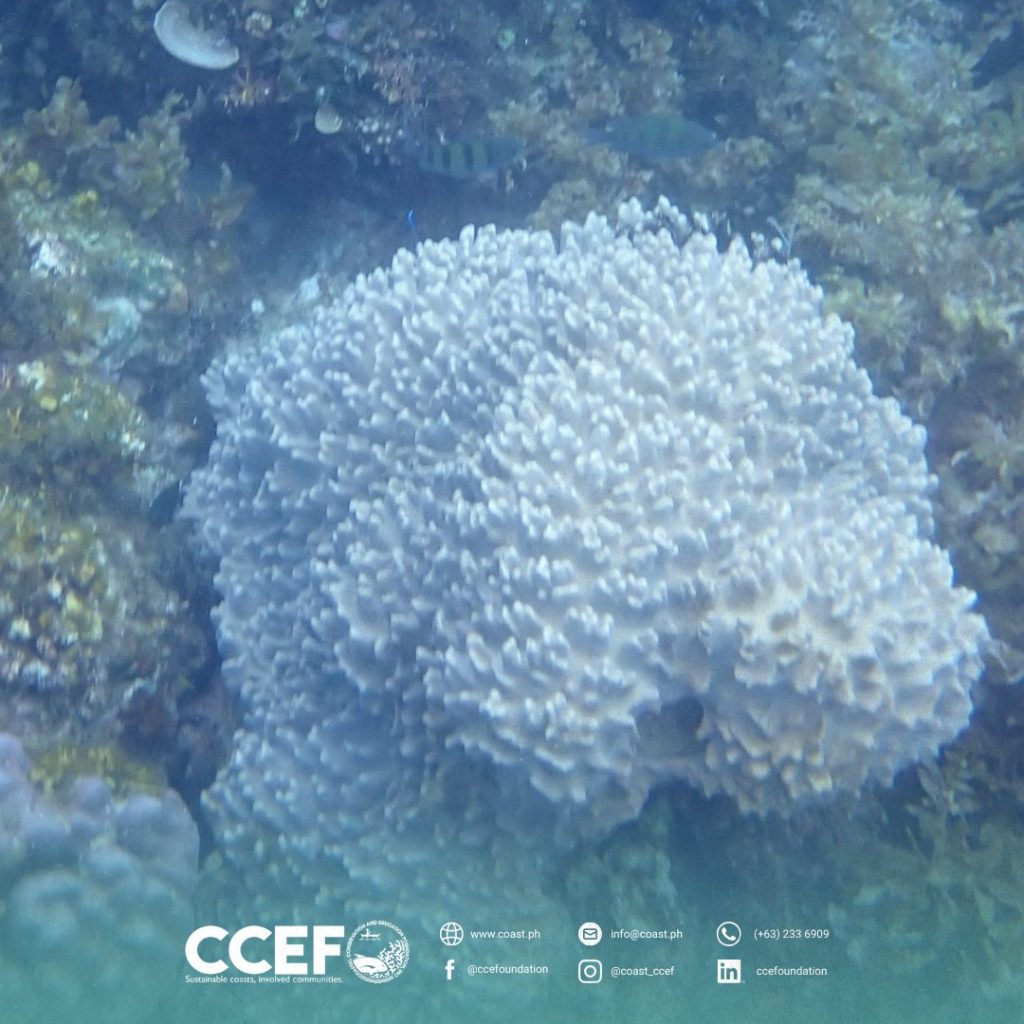
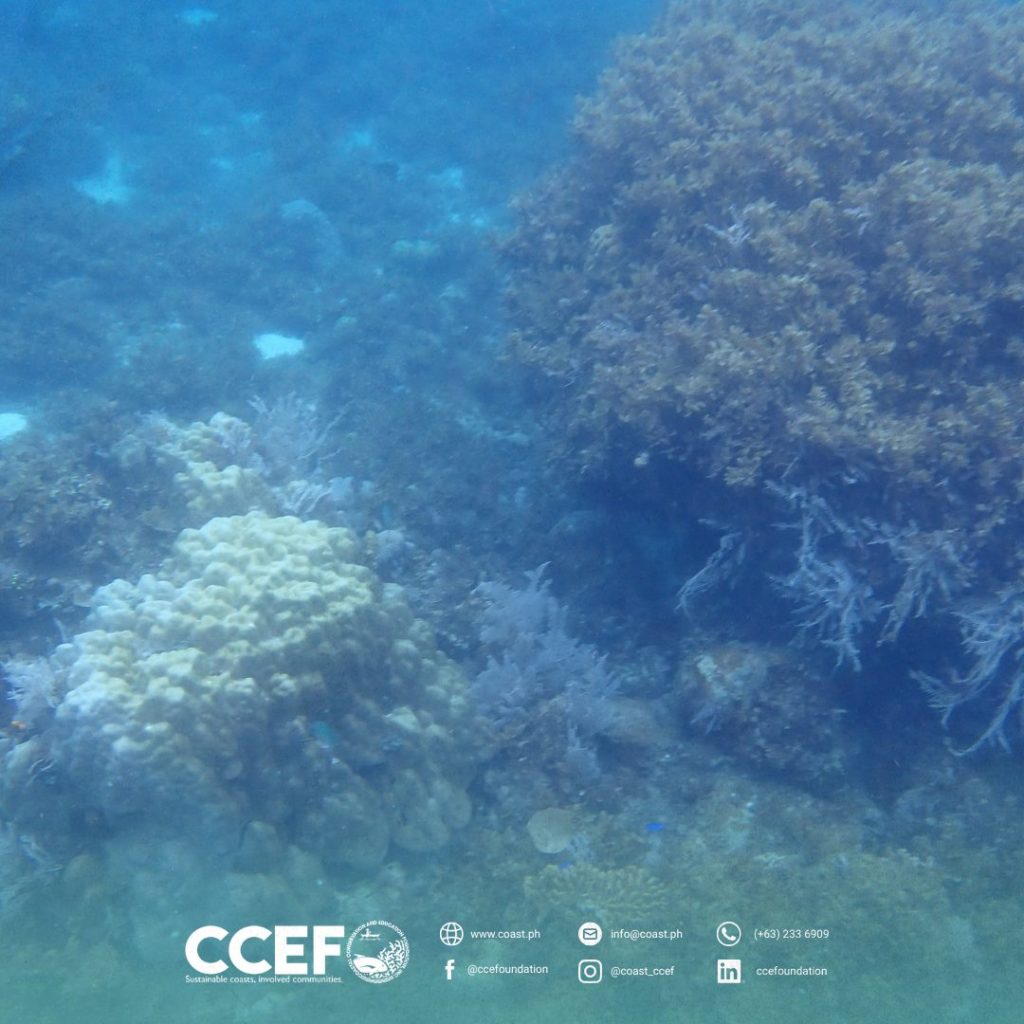
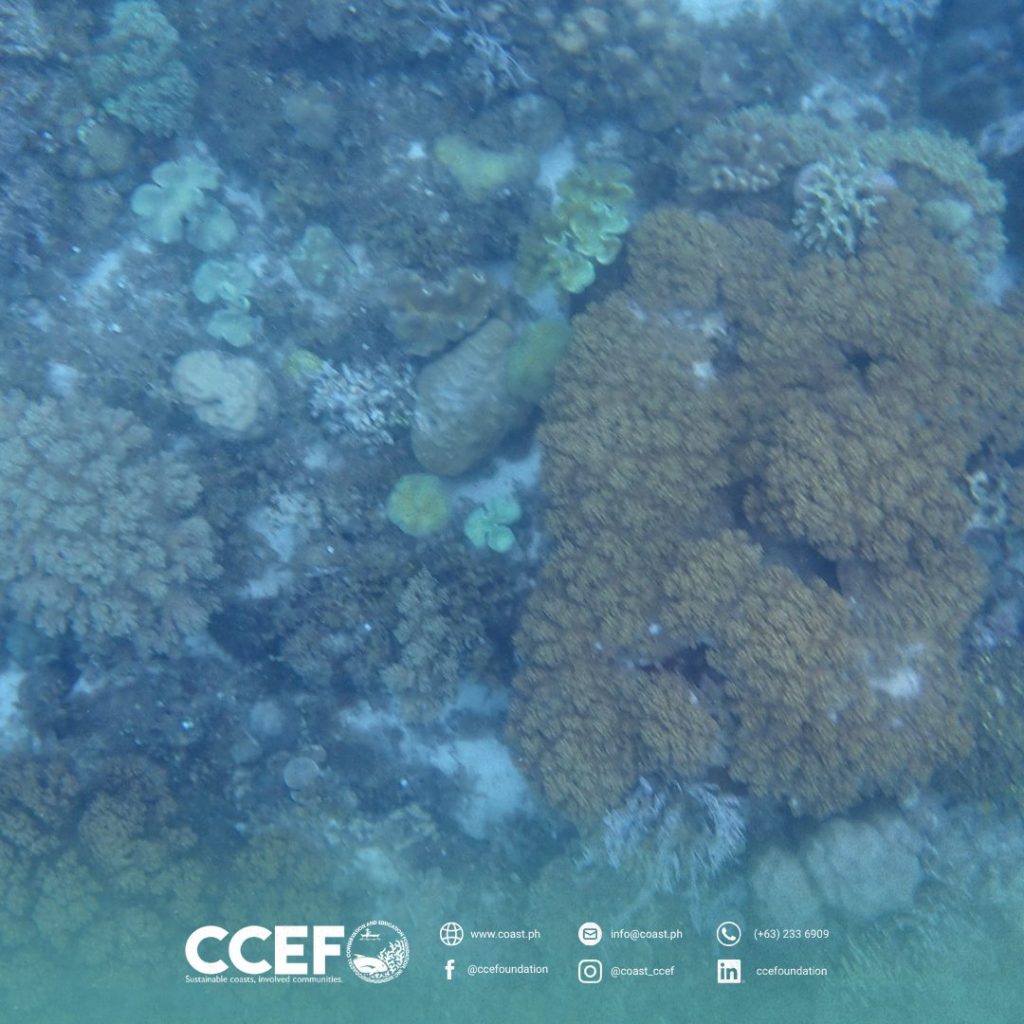
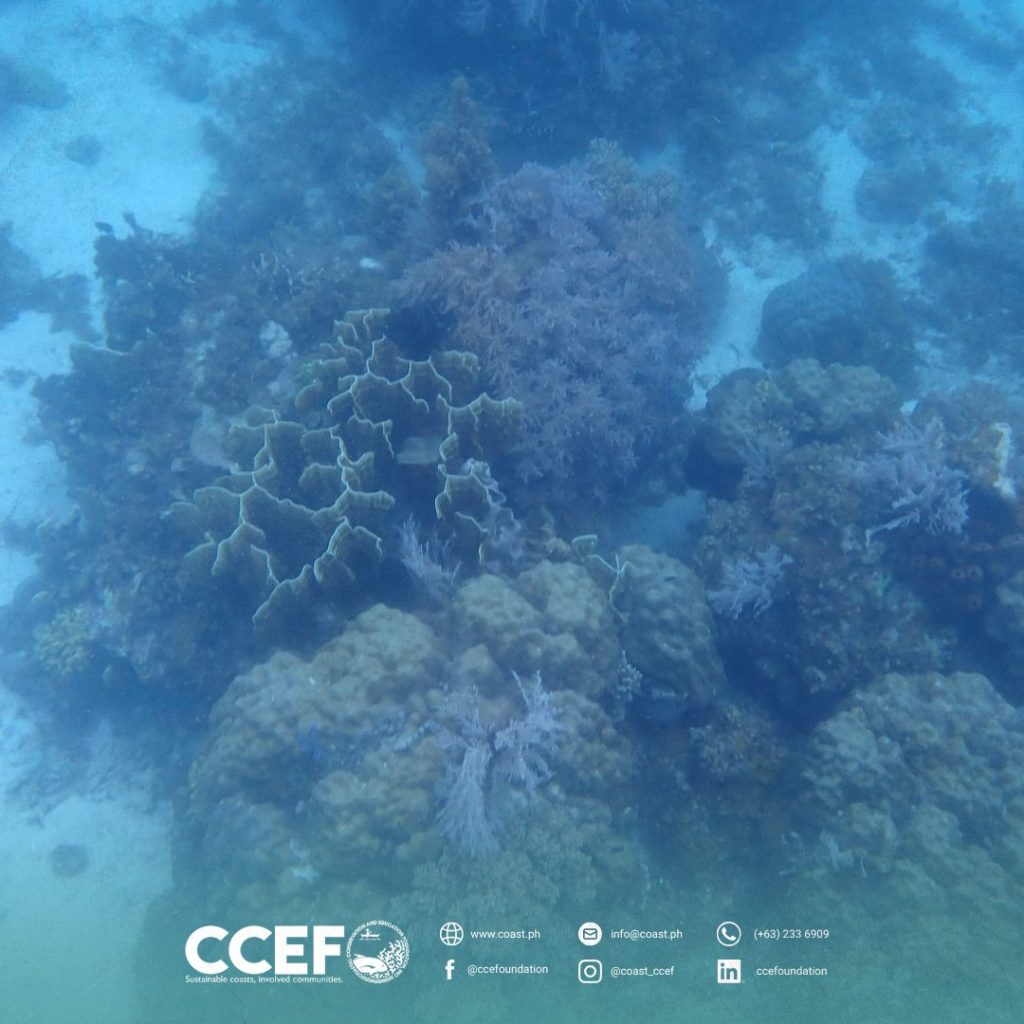
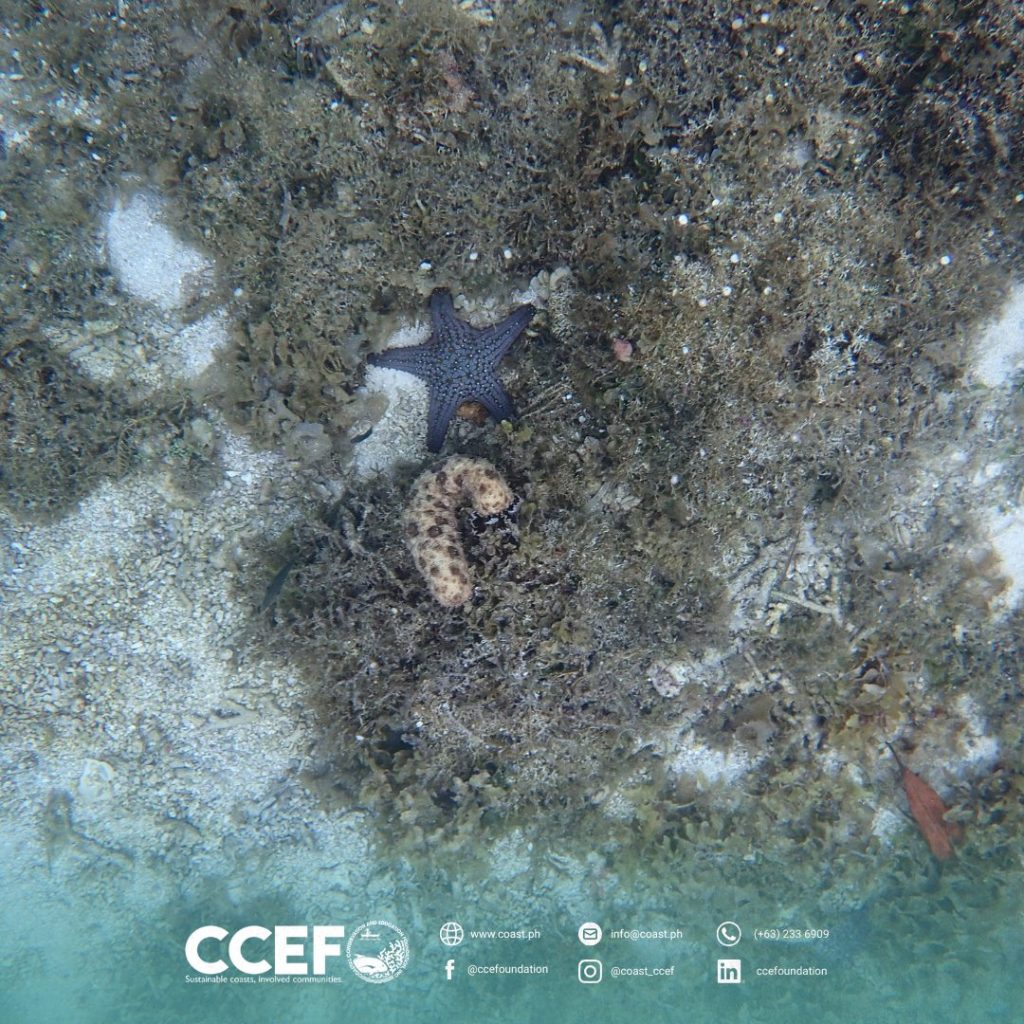
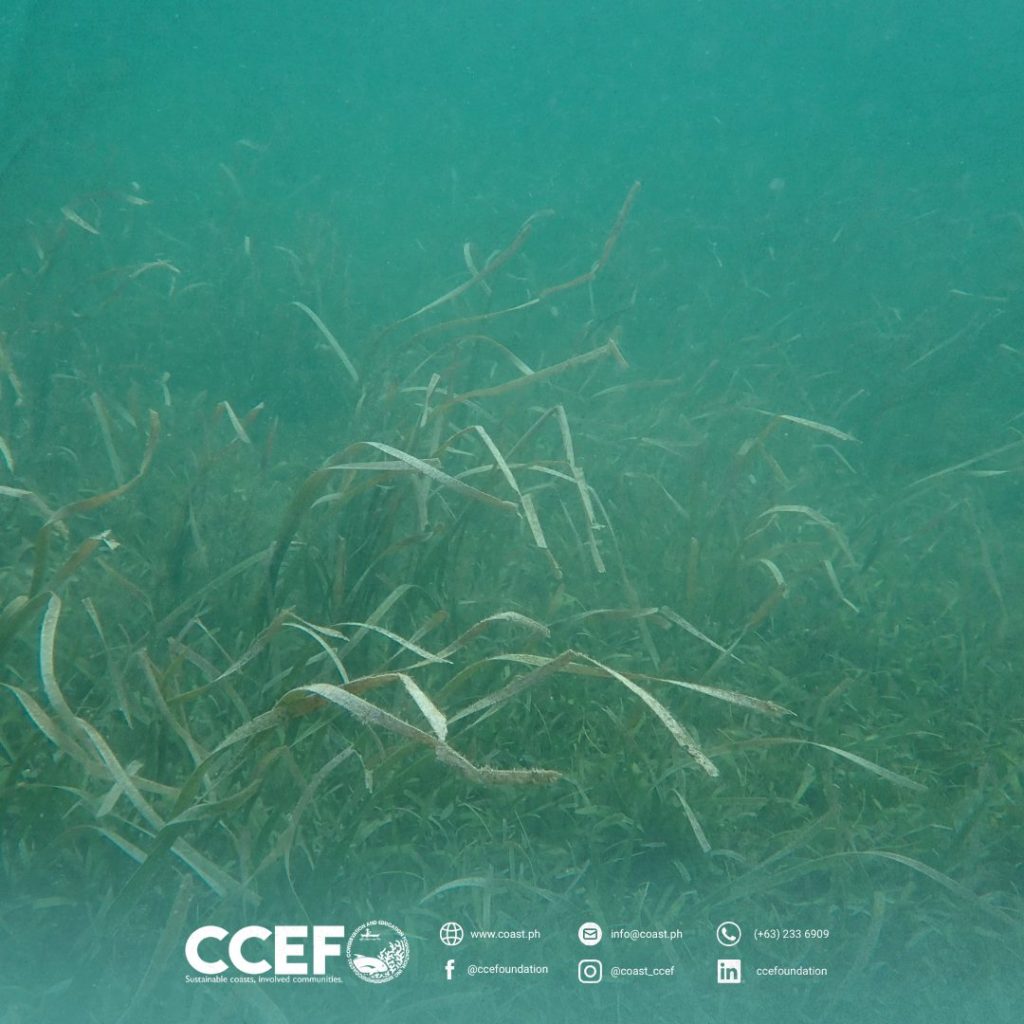
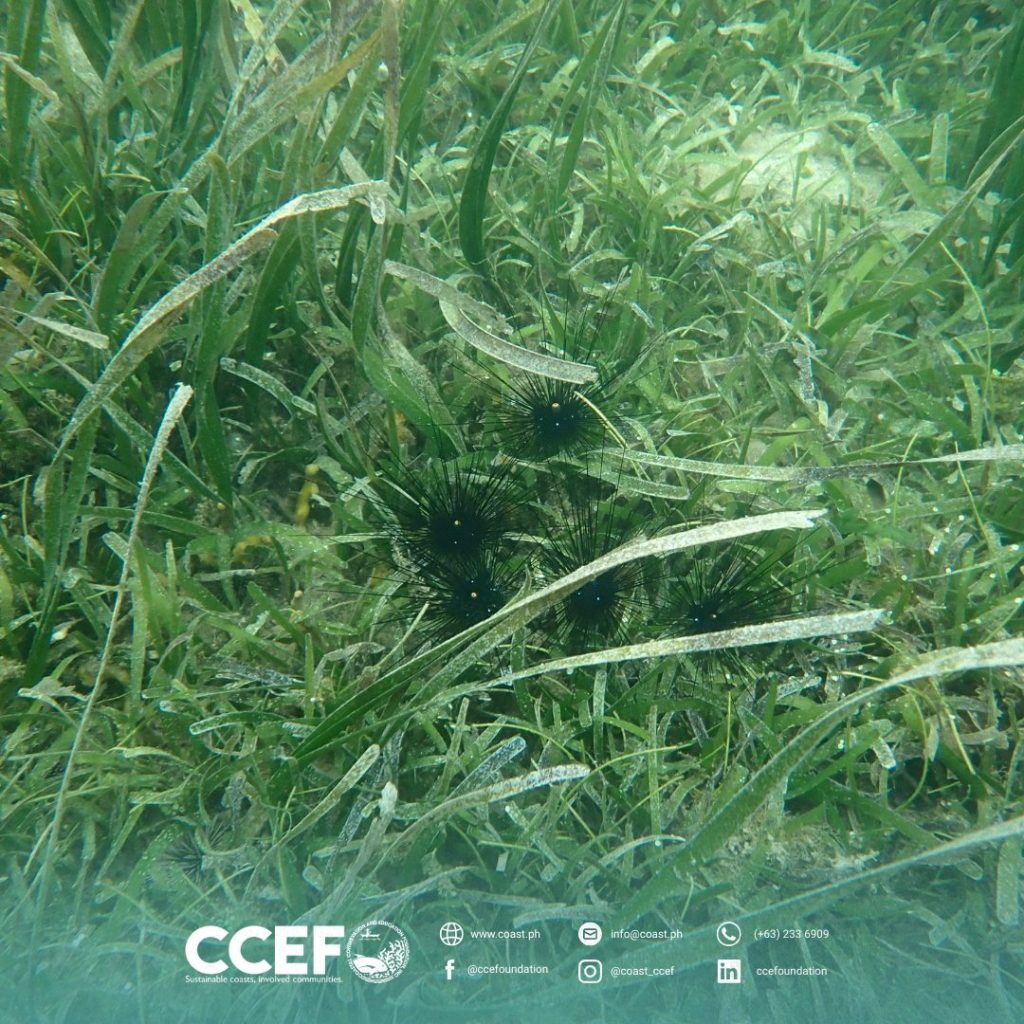
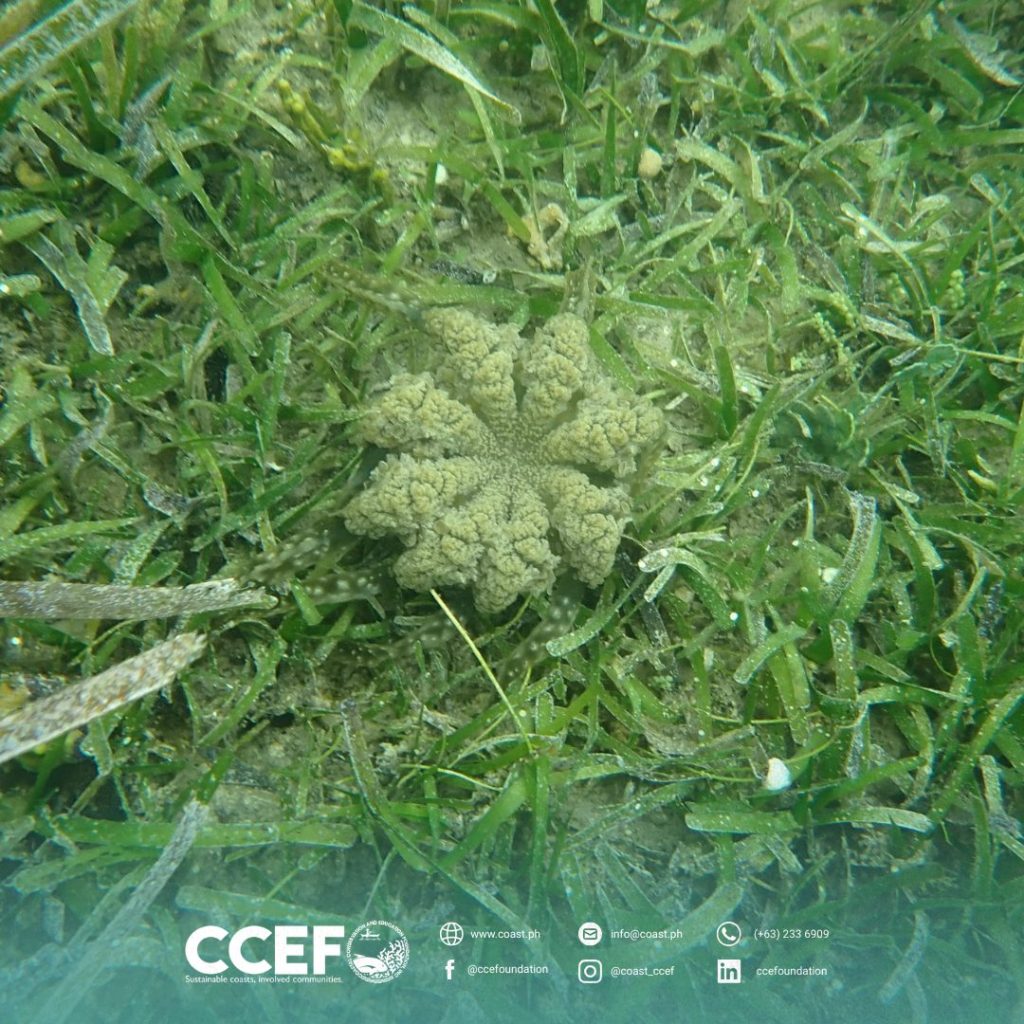
The story of Siquijor’s seas is now written in two chapters. Brgy. Poblacion reminds us that restoration cannot be rushed, corals cannot thrive while land-based pollution continues to feed algal dominance. It is a call to look beyond the shoreline, to fix what flows from the uplands before expecting the ocean to heal. Brgy. Tambisan, on the other hand, shows the extraordinary resilience of nature when large, connected habitats are given space to breathe and protection to endure. Its thriving mosaic of reefs, seagrass, and sandy bottoms is proof that safeguarding ecosystems at scale yields benefits that ripple through fisheries, climate resilience, and community livelihoods.
Together, these sites teach us that marine conservation is not just about planting corals or drawing boundaries, it is about aligning human action with ecological reality. The path forward for Siquijor is clear: tackle pollution at its source, protect habitats before they collapse, and scale up sanctuaries that can truly anchor resilience. Each decision made today, whether by local councils, fishers, or community leaders, will determine whether Siquijor’s seas remain fragmented and fragile, or become a living network of abundance. Protecting these waters is not only about biodiversity; it is about securing food, culture, and hope for generations to come.