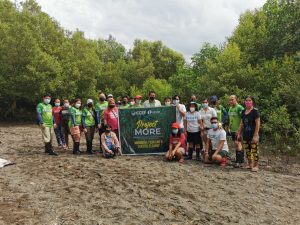

November 27–29, 2025 | Taloot Barangay Hall, Argao Cebu — The Coastal Conservation and Education Foundation (CCEF) successfully conducted a Mangrove Rehabilitation and Nursery Establishment Training under the Networking of MPAs thru Coastal LGUs Alliance Project (NMCLAP), funded by the Unico Conservation Foundation.
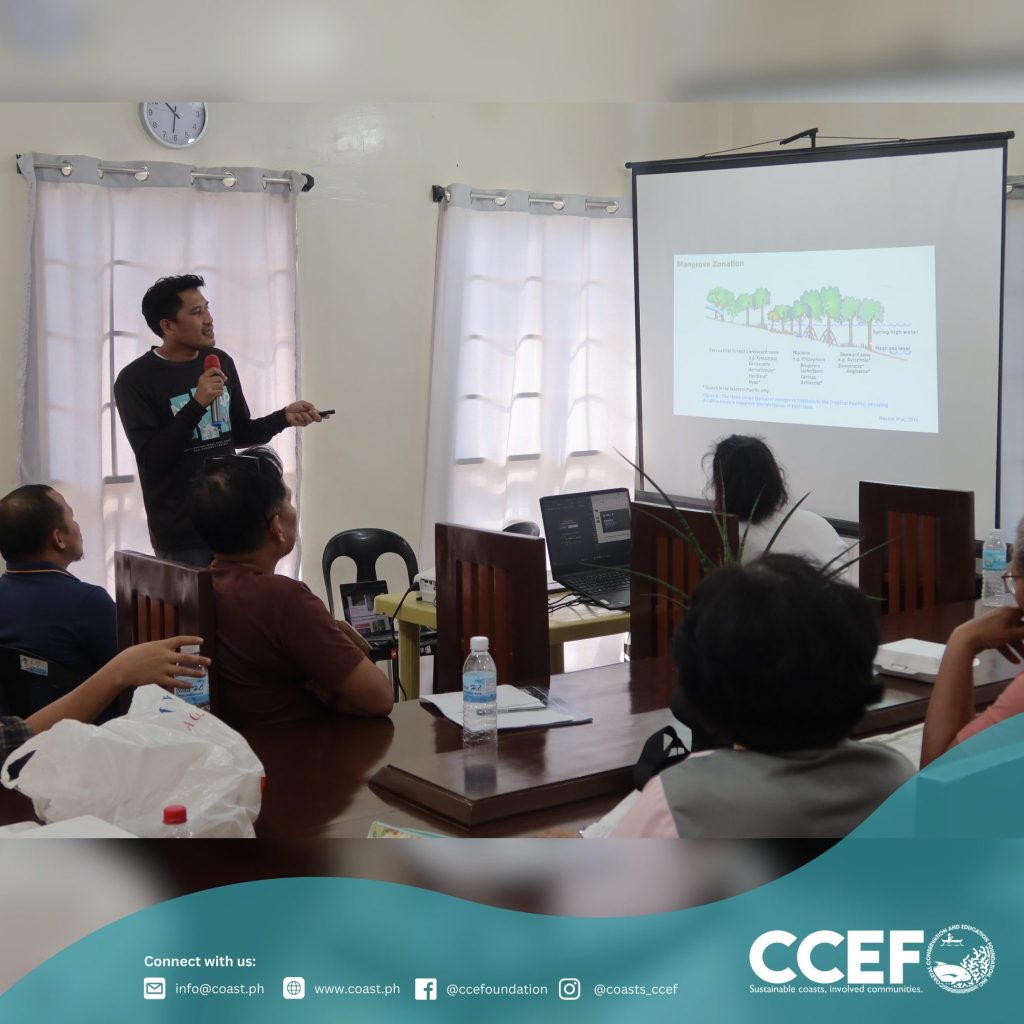
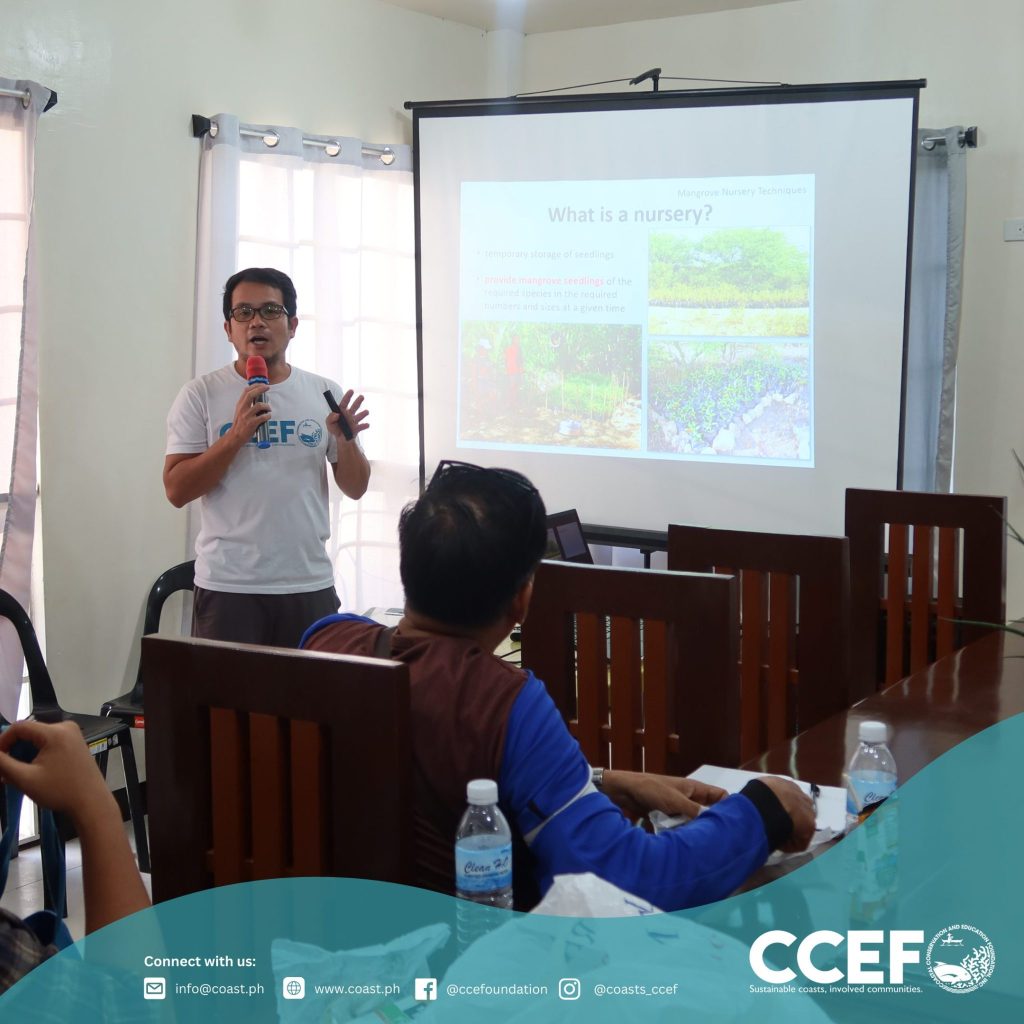
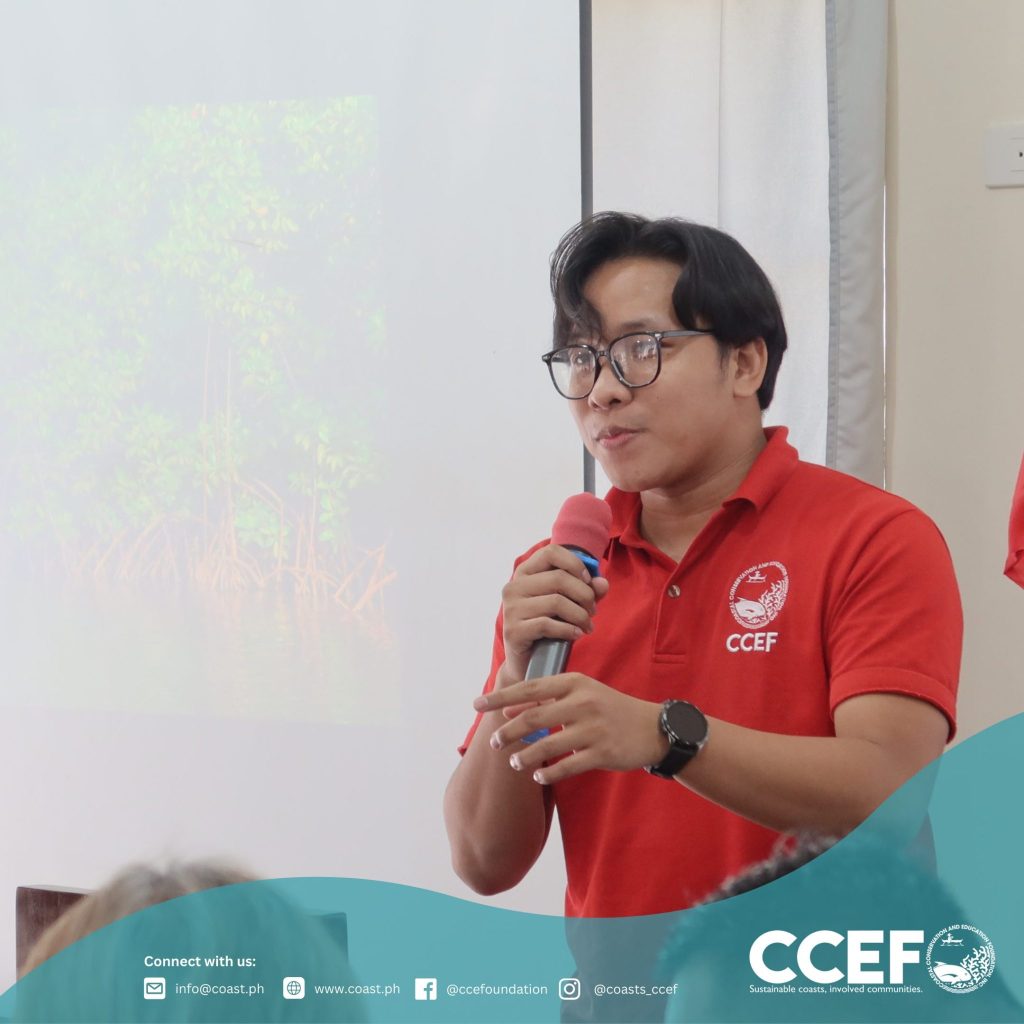

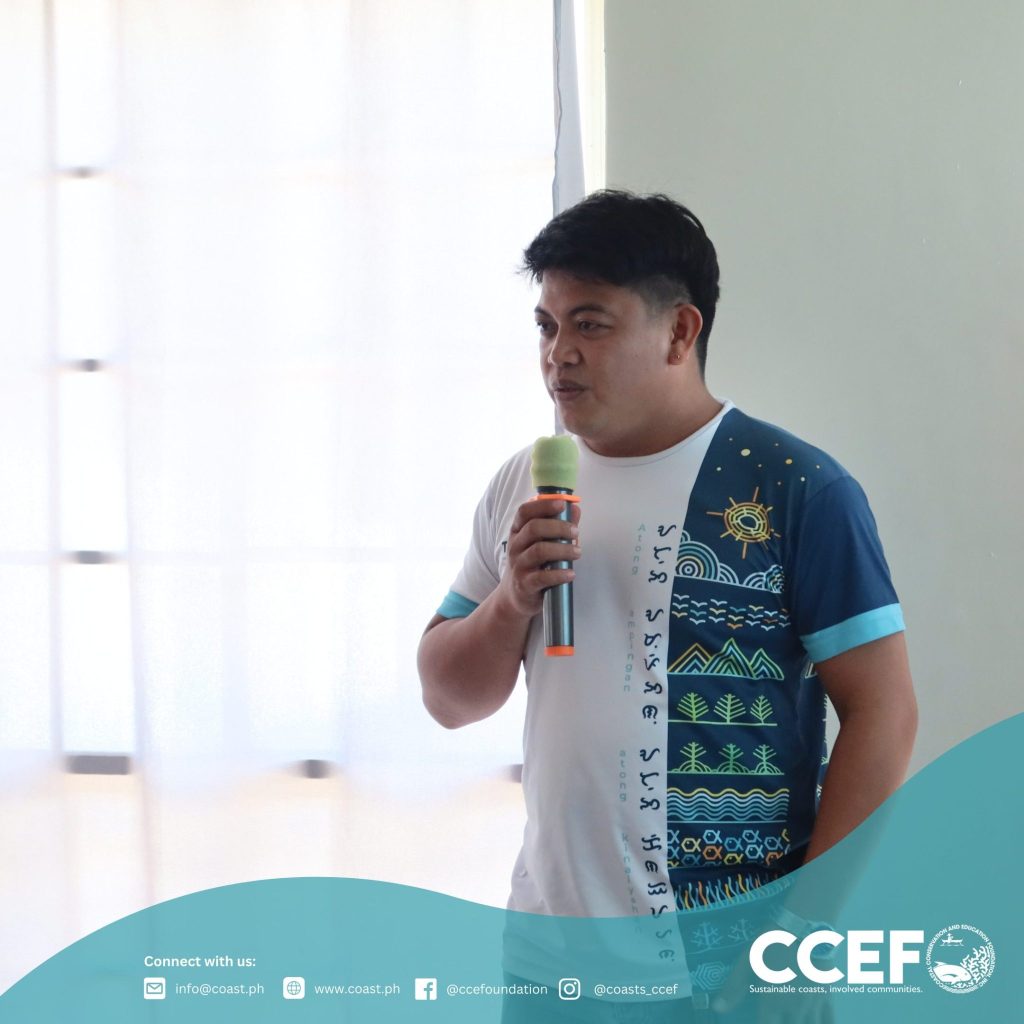

This three-day training strengthened local capacity in mangrove conservation, an essential pillar of healthy coastal ecosystems and climate-resilient communities.
The program was designed to equip Nagkahiusang Mananagat sa Taloot (NAGMATA) and other local stakeholders with the scientific grounding and practical skills needed to lead effective mangrove rehabilitation efforts. Specifically, the training aimed to:
- Enhance participants’ ability to identify and characterize mangrove species while deepening their understanding of mangrove biology and ecology
- Provide step-by-step techniques and requirements for establishing and maintaining functional mangrove nurseries
- Guide communities in developing a practical, science-based, and locally responsive Mangrove Rehabilitation Plan
Day 1 — Foundations of Mangrove Science and Management
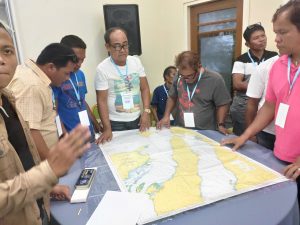
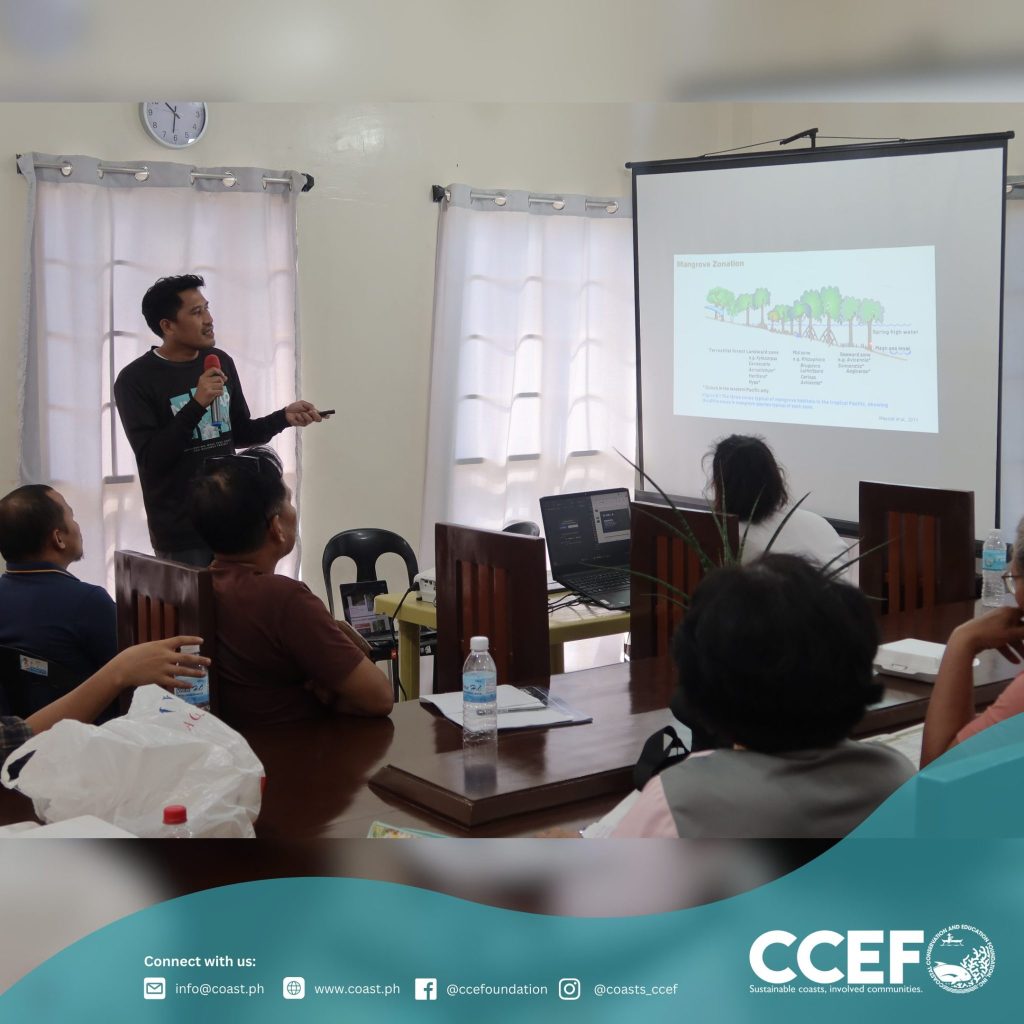
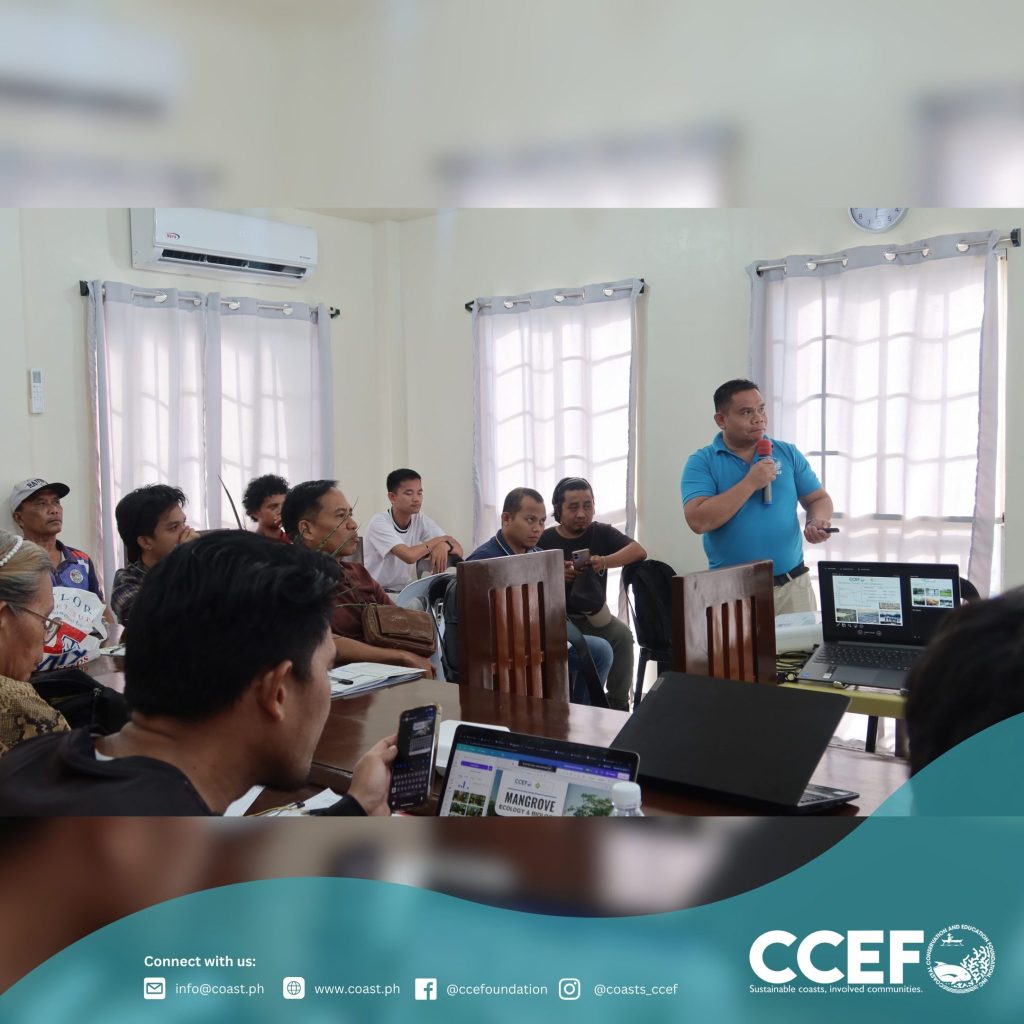
The training opened with a pre-test and expectation setting, followed by Modules 1–6. These sessions covered core topics such as Mangrove Biology and Ecology, Conservation and Management, Legal Policies, Nursery Techniques, Outplanting, and Monitoring, Protection, and Maintenance. The modules provided a strong scientific and technical foundation for sustainable mangrove management.
Day 2 — Hands-On Field Application
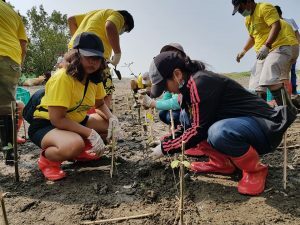
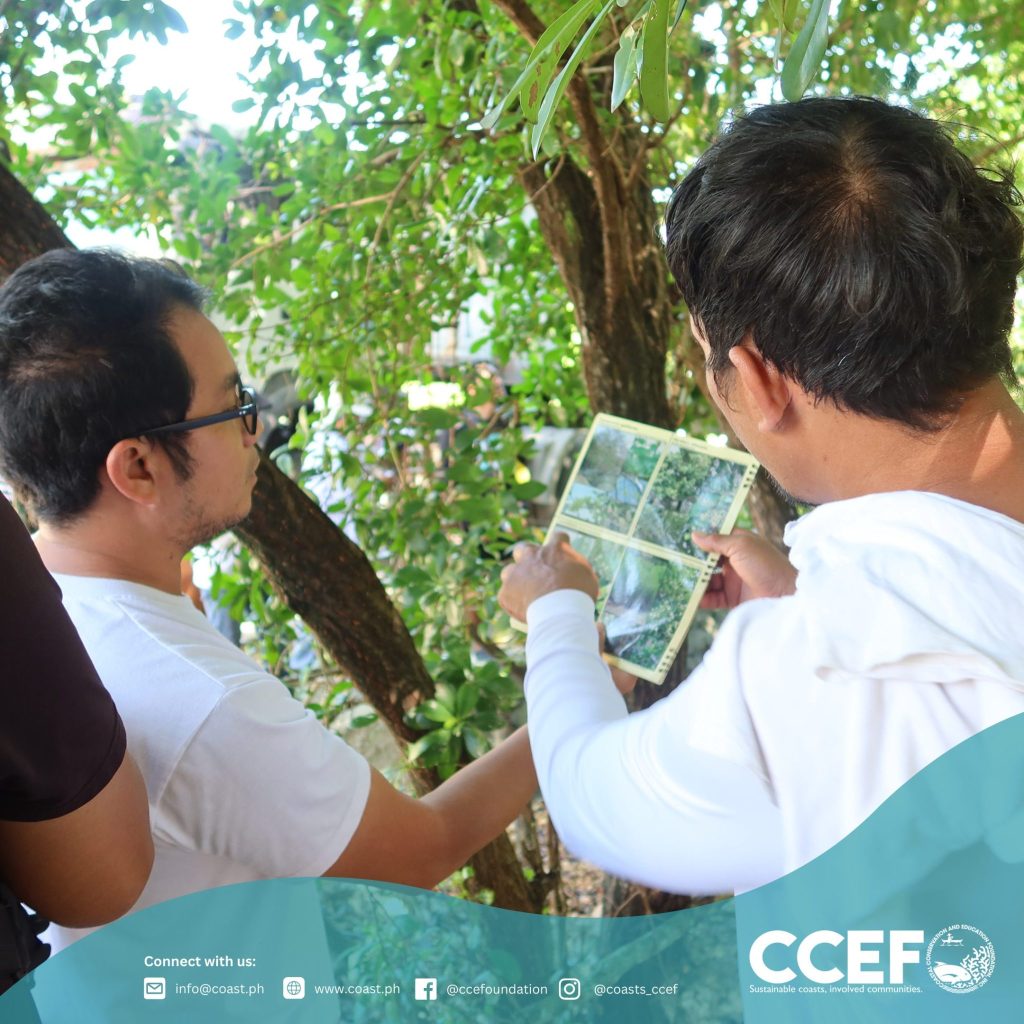
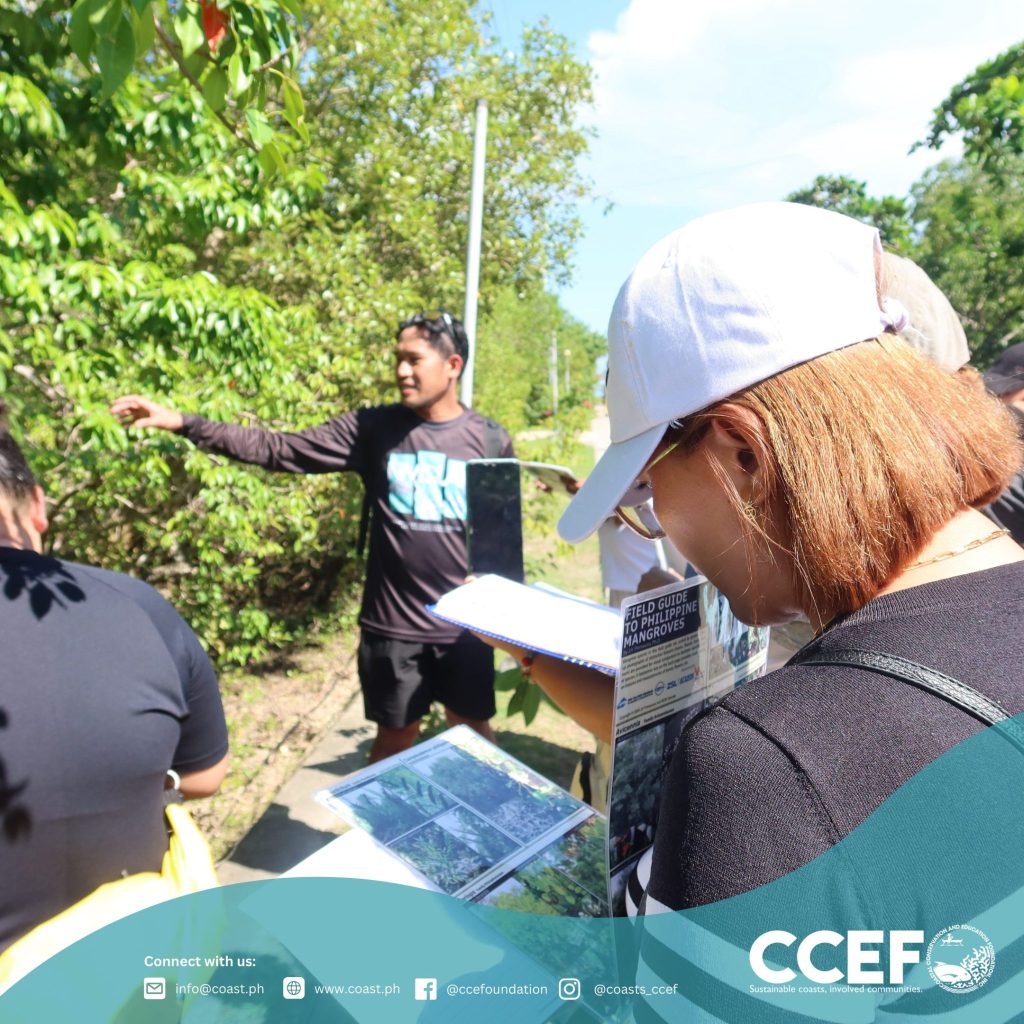
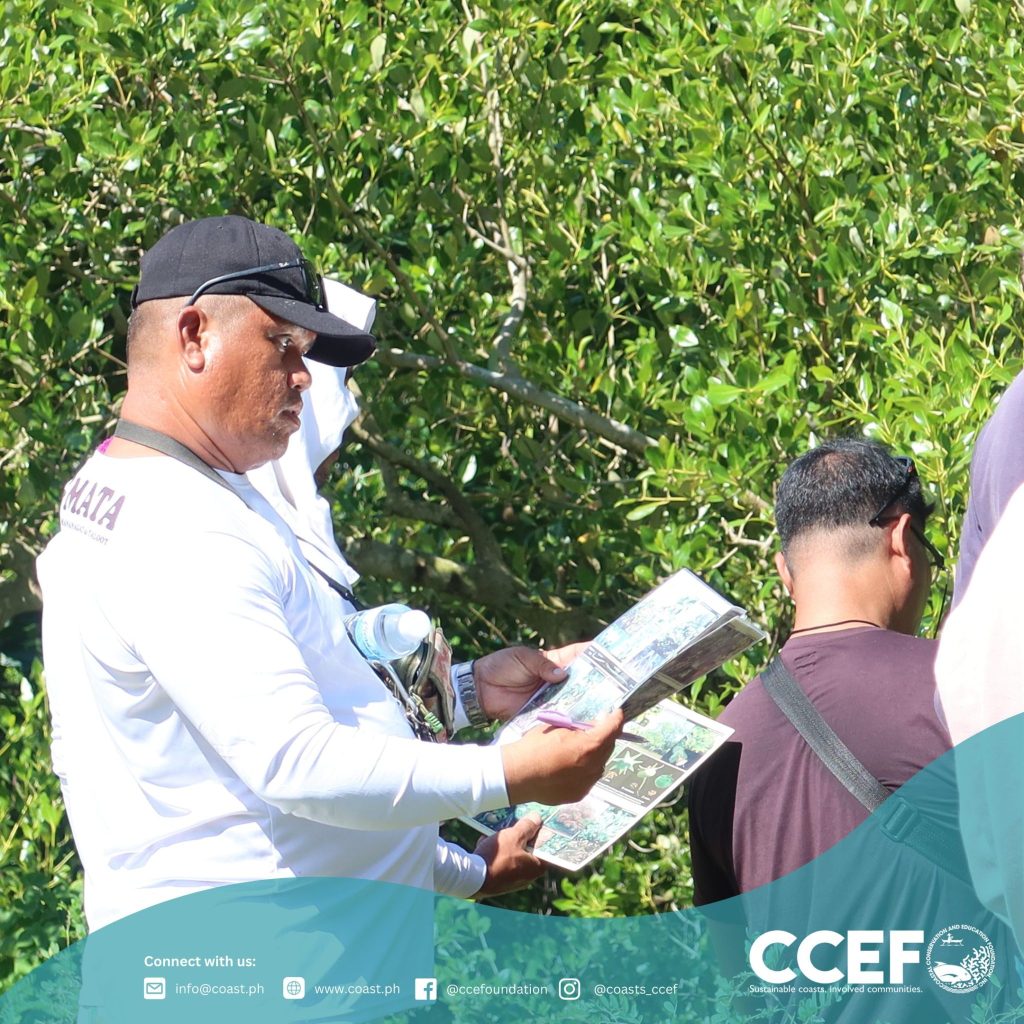
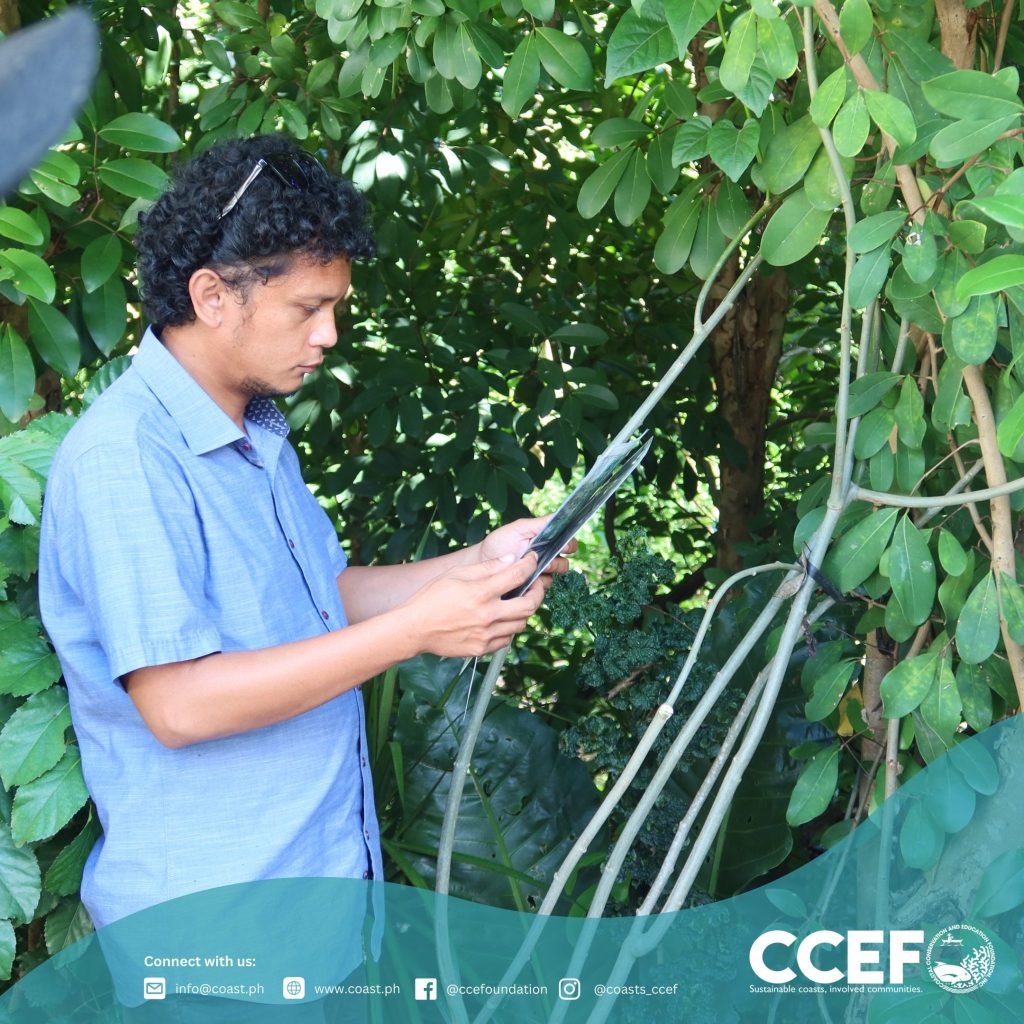
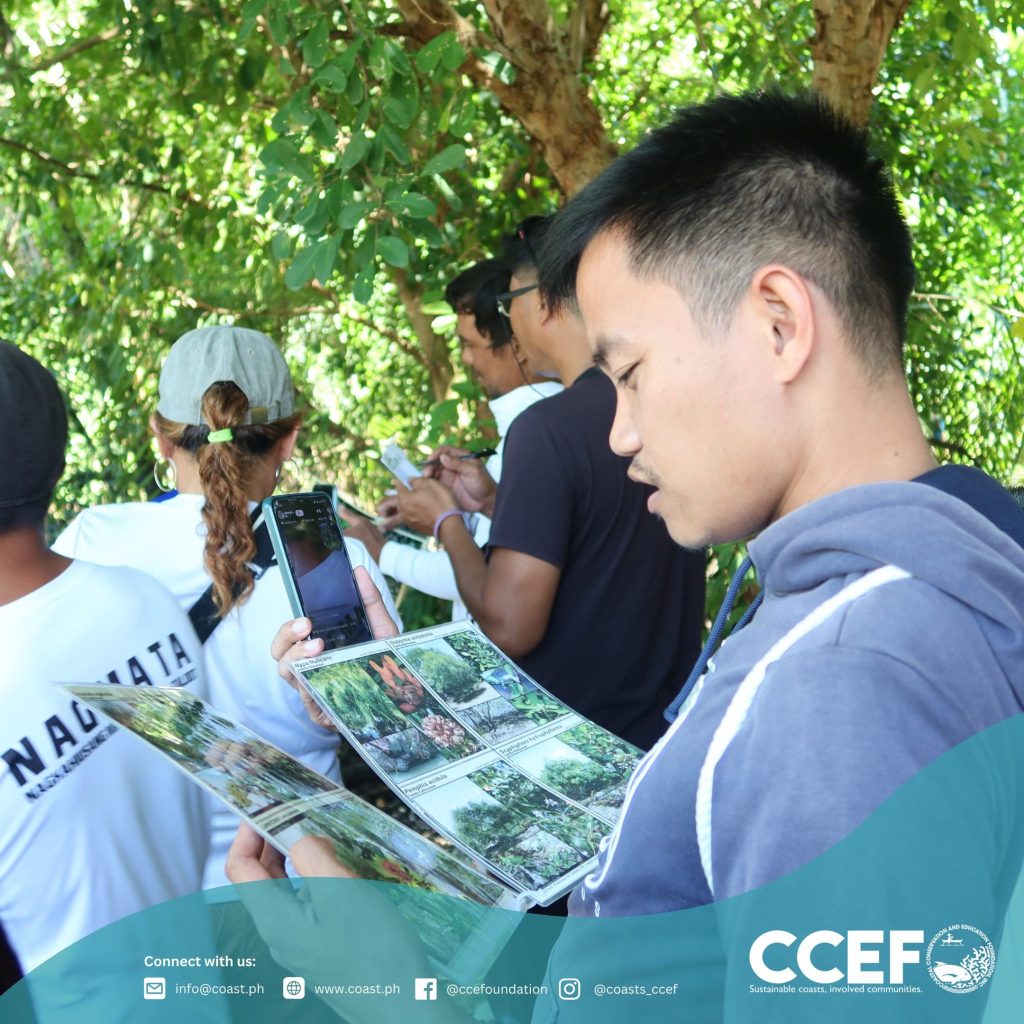
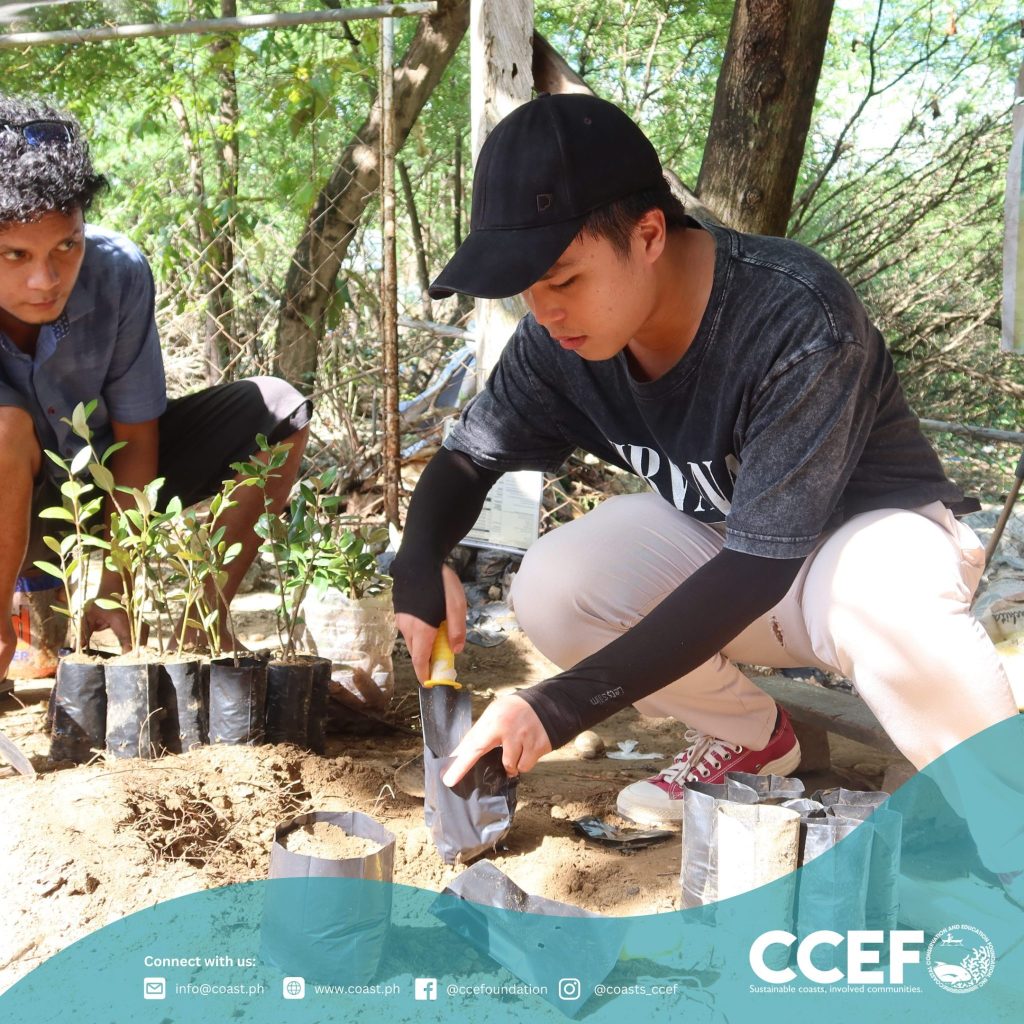
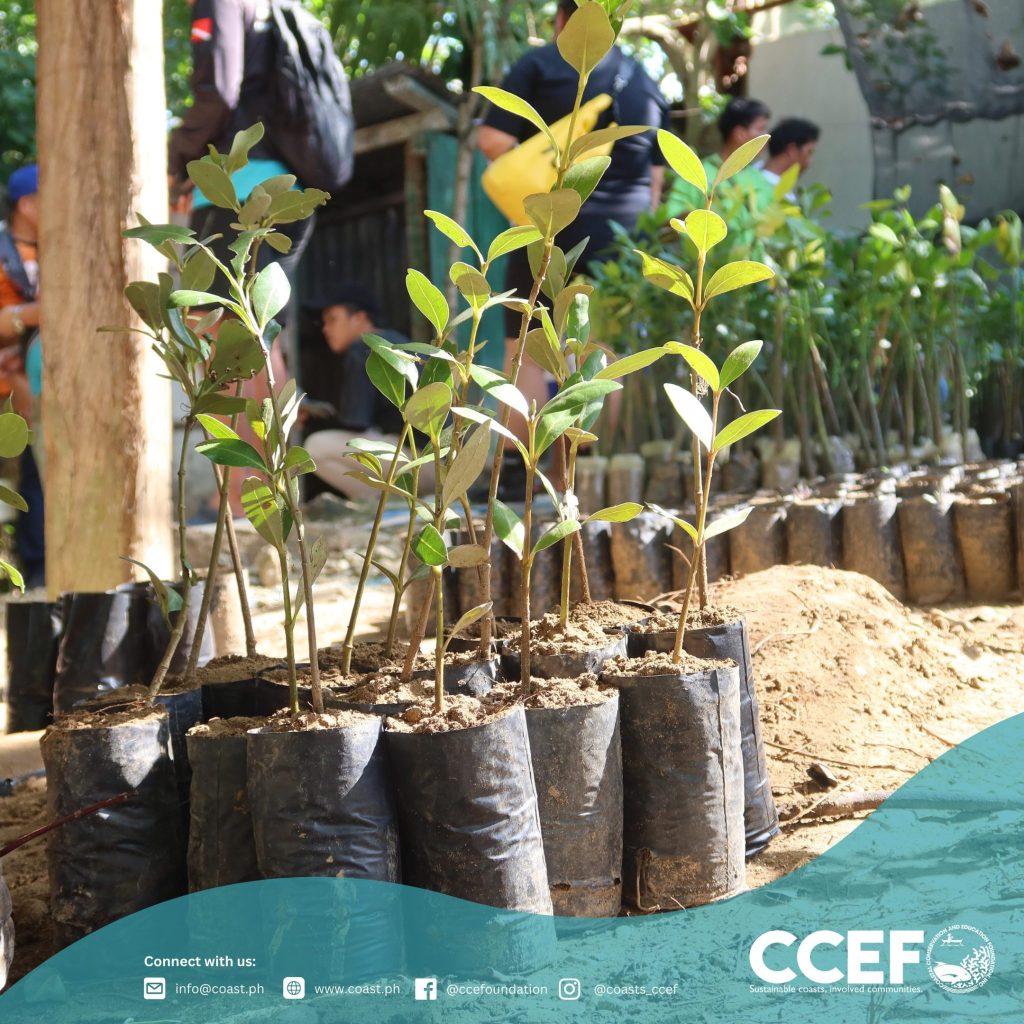
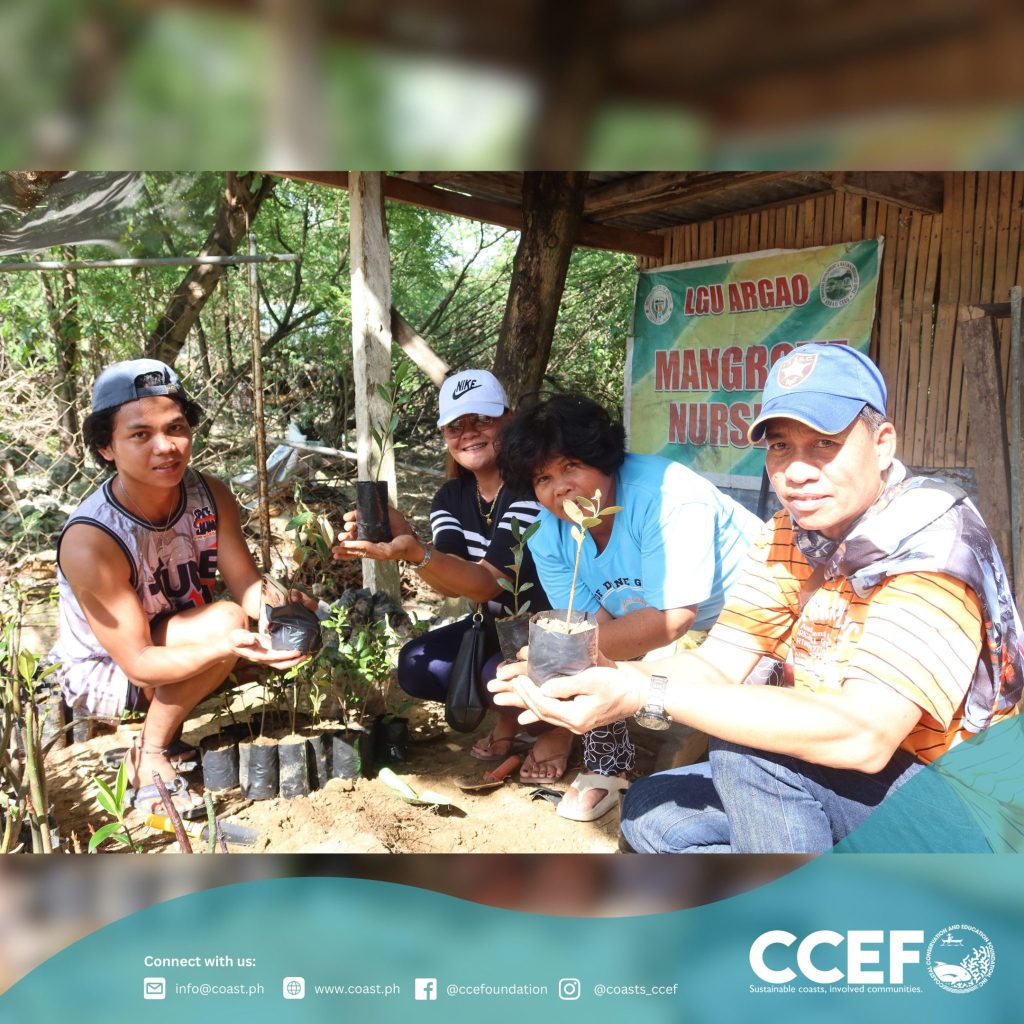
Participants engaged in a field demonstration where they practiced mangrove species identification, nursery bagging, outplanting, and monitoring techniques. This experiential learning allowed them to translate classroom concepts into real-world application, an essential step in building confidence and competence.

Day 3 — Planning for Community-Led Rehabilitation
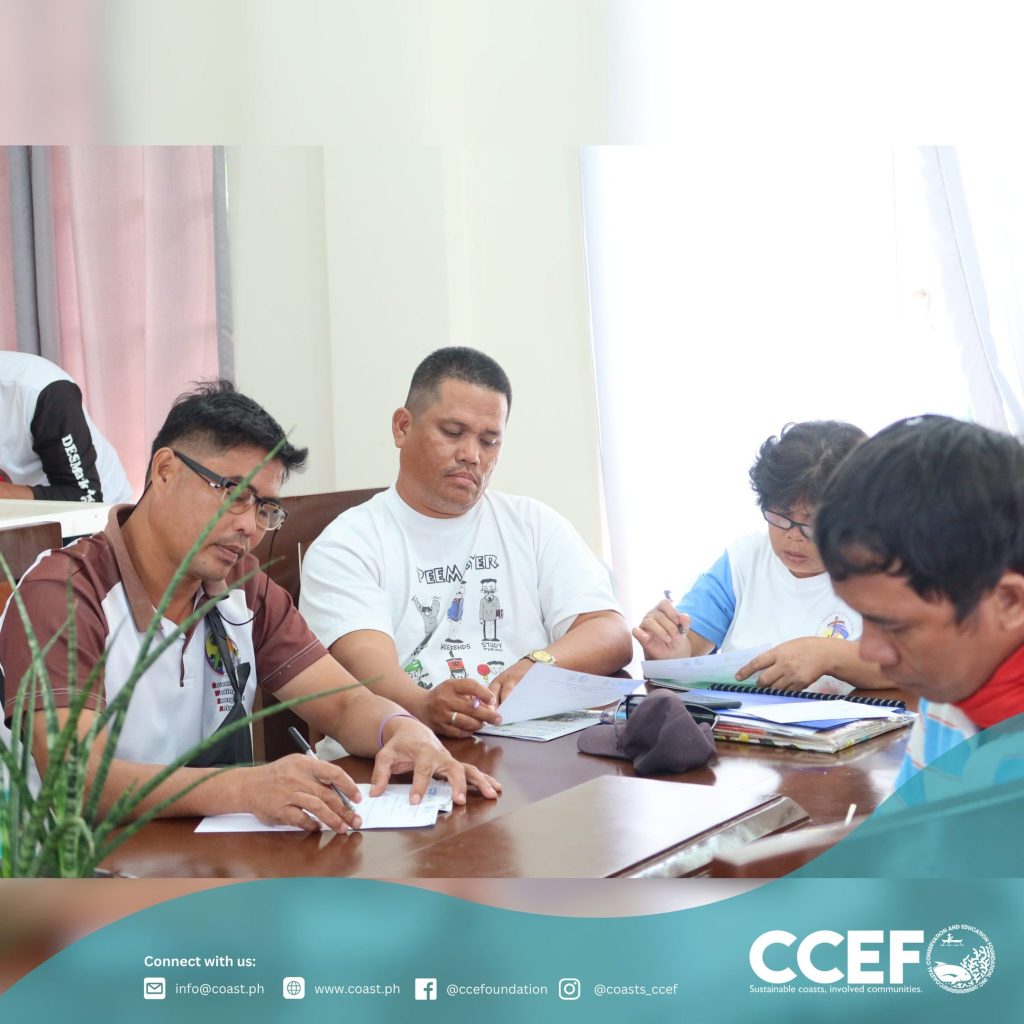
The final day included a recap of previous sessions and the delivery of Module 7: Mangrove Rehabilitation Plan, guiding participants in crafting actionable, community-driven strategies for mangrove restoration. The training concluded with a post-test and a reflective discussion, where participants shared insights, challenges, and commitments moving forward. This training reinforced the vital role of mangroves as natural coastal defenders, buffering communities from storm surges, supporting fisheries, and nurturing biodiversity. But beyond ecological benefits, the training also strengthened local leadership and future livelihood potential.


By equipping NAGMATA with science-based methodologies, proper species zonation techniques, and hands-on nursery management skills, CCEF is helping build a community that is ready to establish and sustain its own mangrove nursery once resources and conditions allow. While the nursery is not yet fully operational, the groundwork has been laid: NAGMATA now has the knowledge, systems, and rehabilitation plan needed to move toward a functional, community-managed nursery.
Once established, this nursery can serve as both a conservation hub and a livelihood opportunity, providing a steady supply of quality seedlings and propagules for local planting efforts, and potentially supplying nearby barangays and partner LGUs. The designated rehabilitation site further anchors this vision, offering a long-term area where NAGMATA can apply their skills, monitor growth, and demonstrate the impact of community-led restoration.
A strong, well-prepared PO has far-reaching implications:
- Healthier, well-zoned mangrove forests that provide long-term coastal protection
- Improved fisheries and food security for local households
- Future livelihood opportunities through seedling production and nursery operations
- Local champions capable of mobilizing volunteers, influencing policy, and sustaining restoration efforts
- A more resilient MPA network, strengthened by empowered grassroots stewardship

This activity marks a meaningful step toward a future where coastal communities are not only beneficiaries of conservation but active custodians and economic stewards of their own marine ecosystems, equipped with the knowledge and plans needed to turn vision into action.