
February 10–12, 2026 | Brgy. Bugas, Badian — The Bugas Farmers Fishermen and Livestock Owners Organization (BUFFALOO) has long showcased the beauty of their coastal community through their floating cottage ecotourism package, a serene cruise along the mangrove-lined waters of Bugas. This livelihood has not only sustained families but also introduced visitors to the natural heritage of their community.
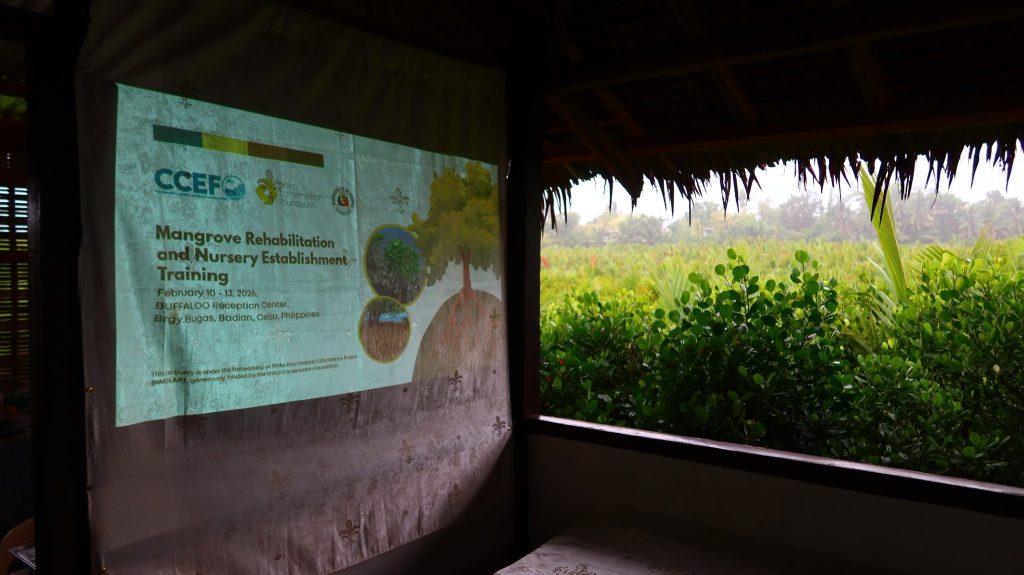
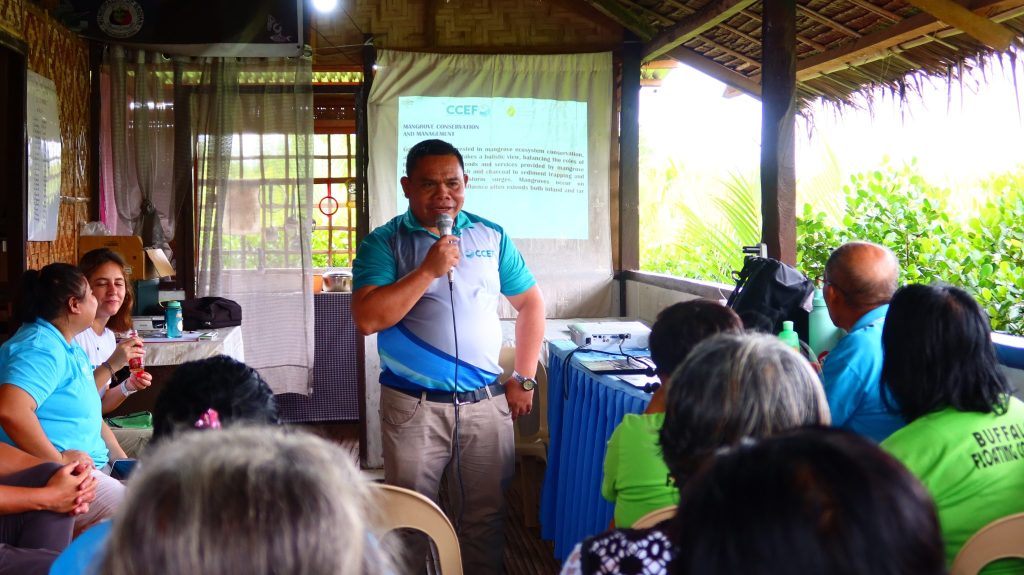
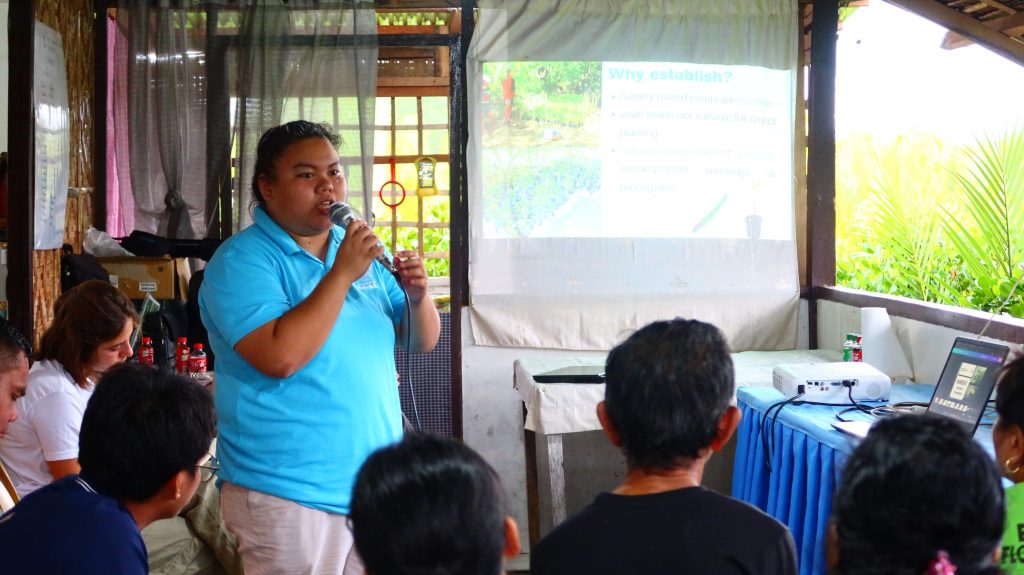
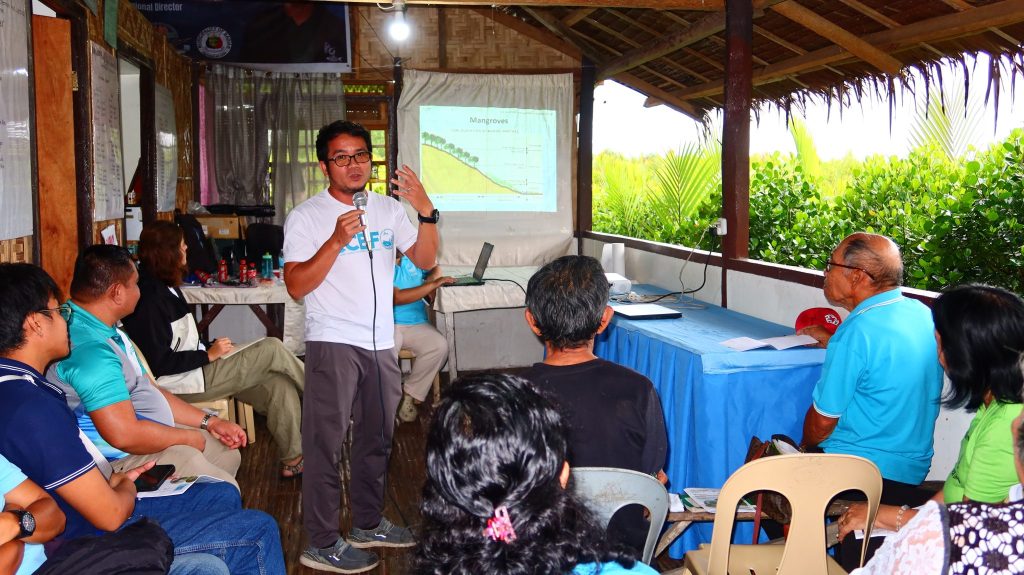
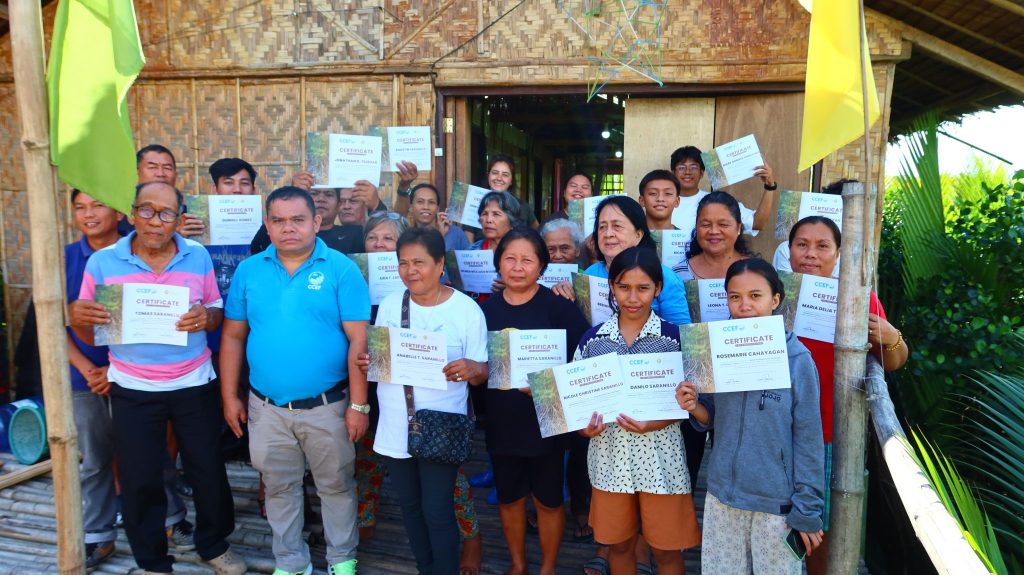
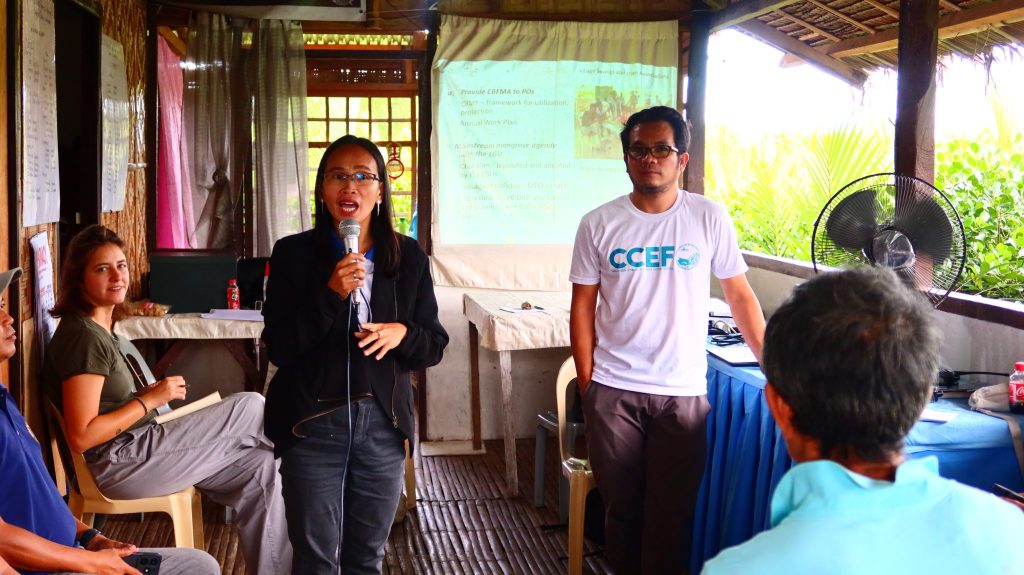
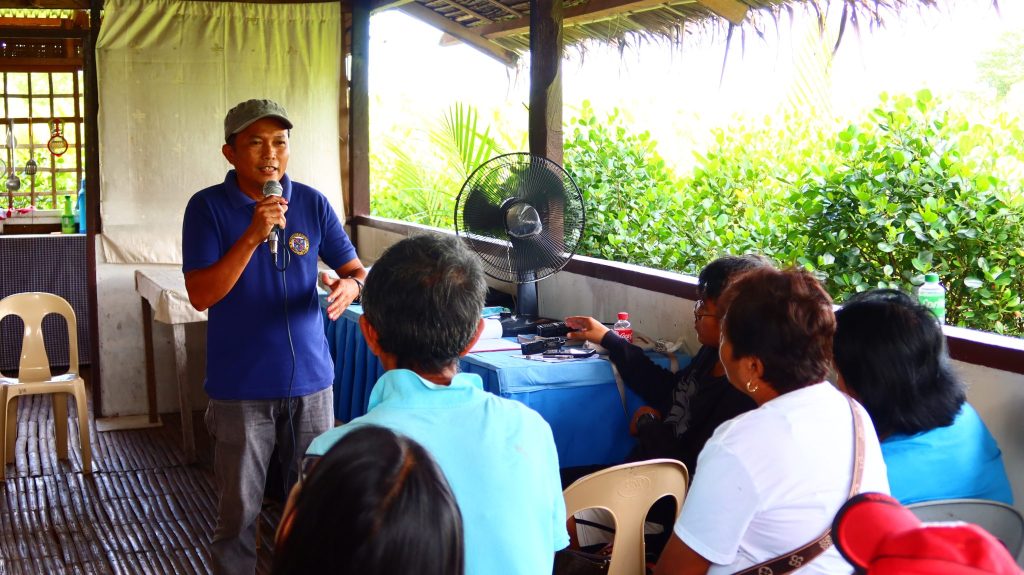
From February 10–12, 2026, BUFFALOO members, together with representatives from the Municipal Agriculture Office (MAO) and the Municipal Environment and Natural Resources Office (MENRO) of Badian, joined the Mangrove Rehabilitation and Nursery Establishment Training facilitated by the Coastal Conservation and Education Foundation, Inc. (CCEF). The training gathered a total of 30 participants.
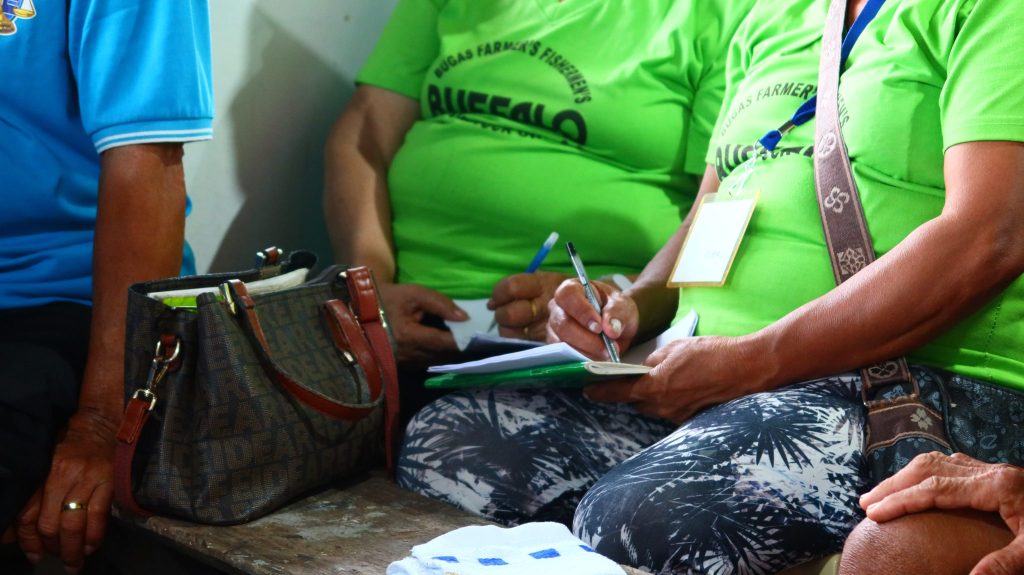
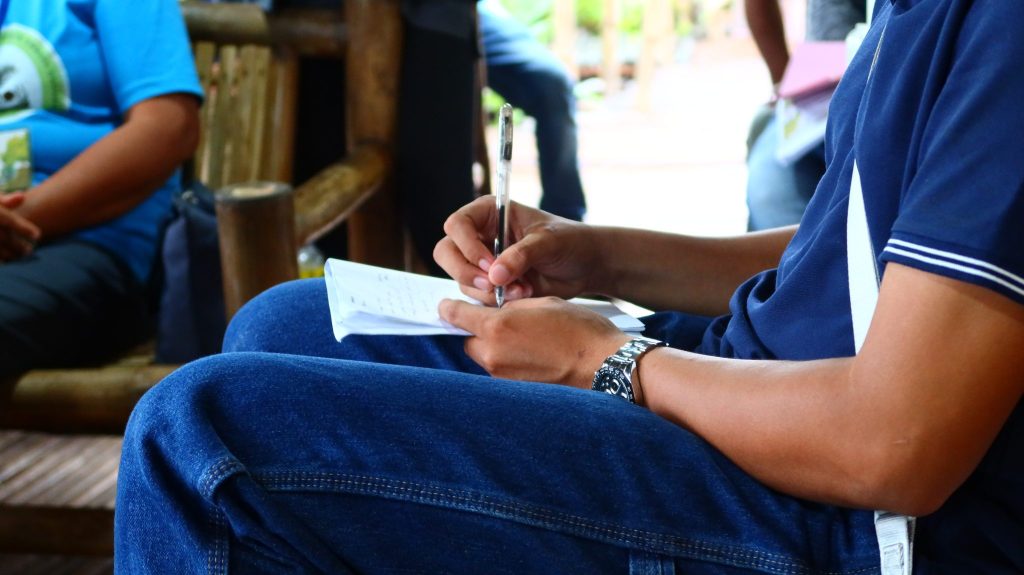
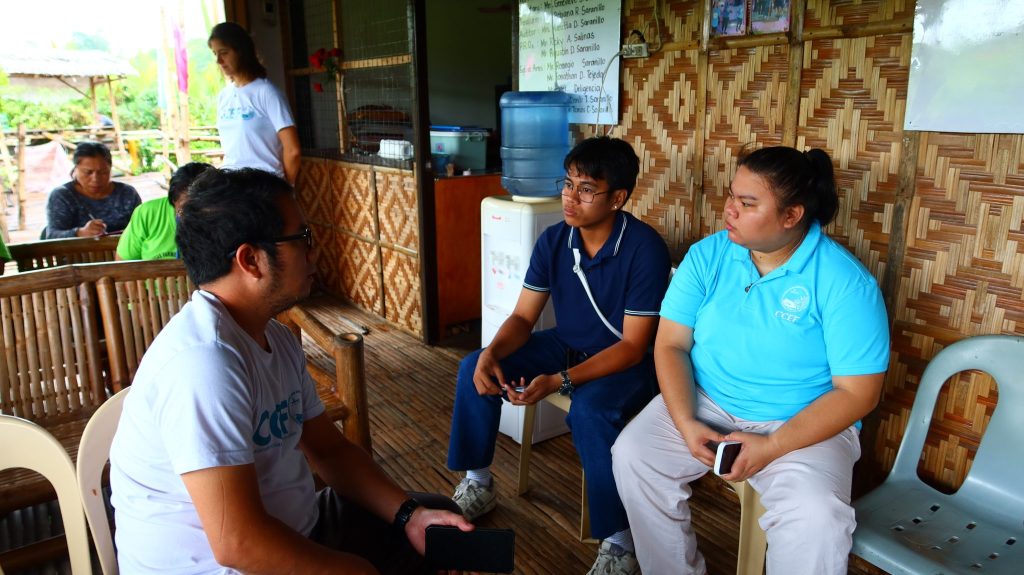
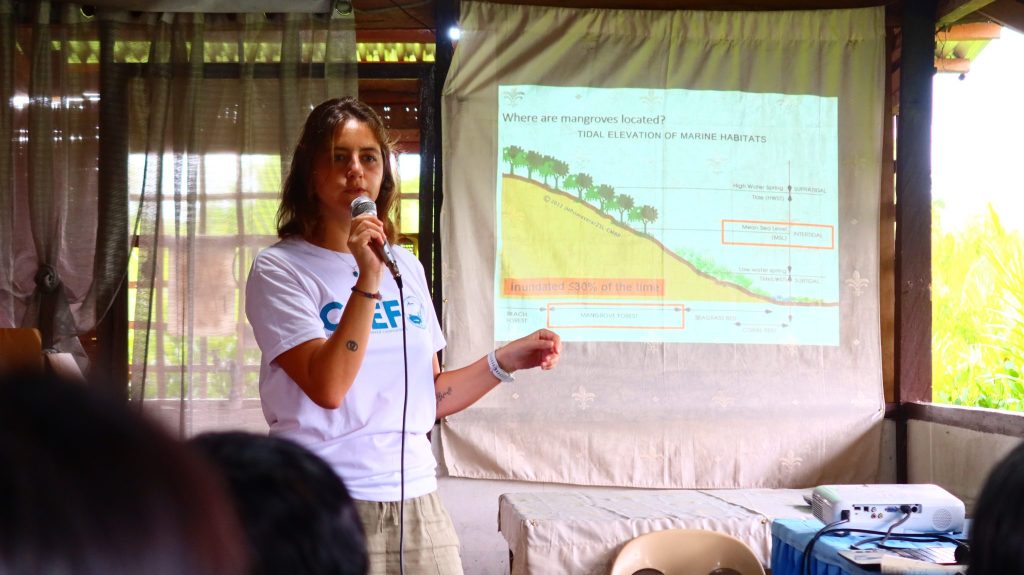
Over the next three days, participants attended lectures on mangrove biology and ecology, conservation and management, legal frameworks, nursery techniques, outplanting, and monitoring. They showed strong interest in nursery establishment, outplanting, and monitoring, actively engaging with facilitators and raising questions about their struggles in enforcing mangrove protection, such as addressing illegal cutting and encouraging community participation.
An Italian marine biologist, Gaia Intonti, who volunteered with CCEF, also joined the training. She presented on mangrove biology and ecology, assisted in pre- and post-test facilitation, and engaged in meaningful conversations with BUFFALOO members. Coming from a temperate country where mangroves are absent, Gaia found the training an opportunity to deepen her skills in mangrove identification, learning both scientific and local names.
🌿 Day 2: Field Demonstration
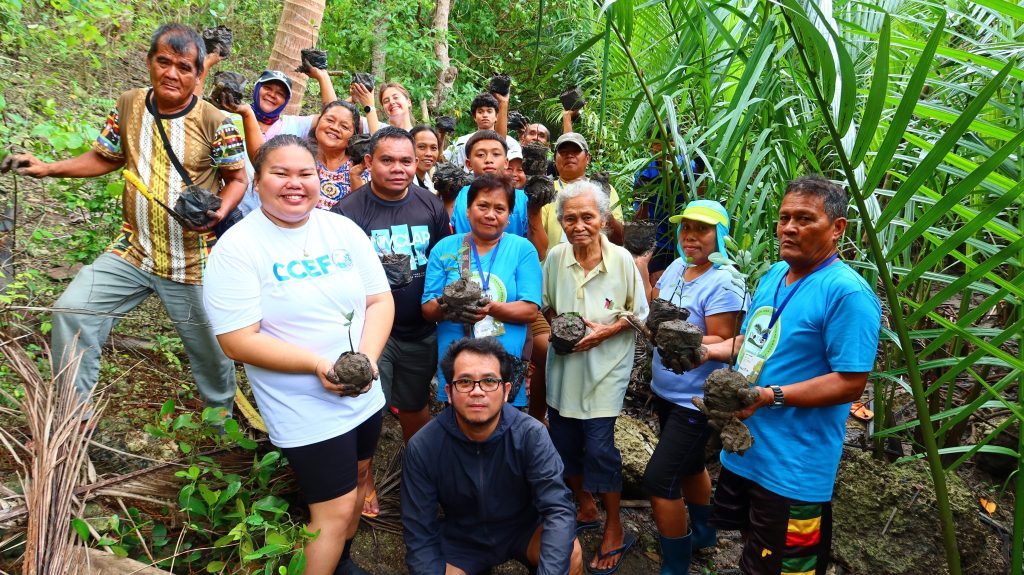
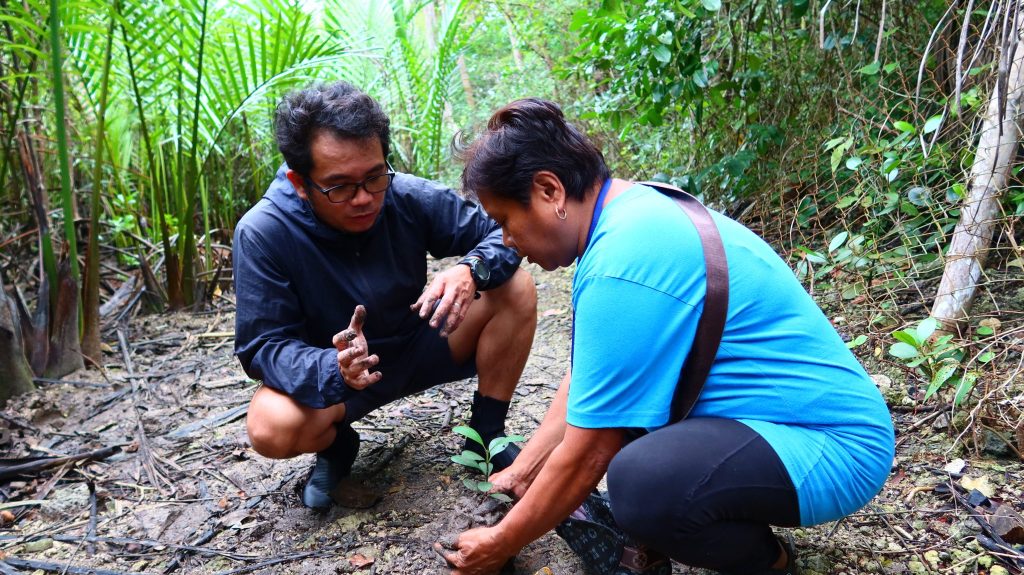
Guided by team leaders Nicholson Tan, CCEF Senior Marine Biologist, and Ranie Ibañez, NMCLAP Project Coordinator, with support from Peeve KC Layague, CCEF Assistant Marine Biologist, Justine Baisac, CCEF Communications and Impact Officer, and volunteer Gaia Intonti, participants carried out mangrove identification exercises in the field.
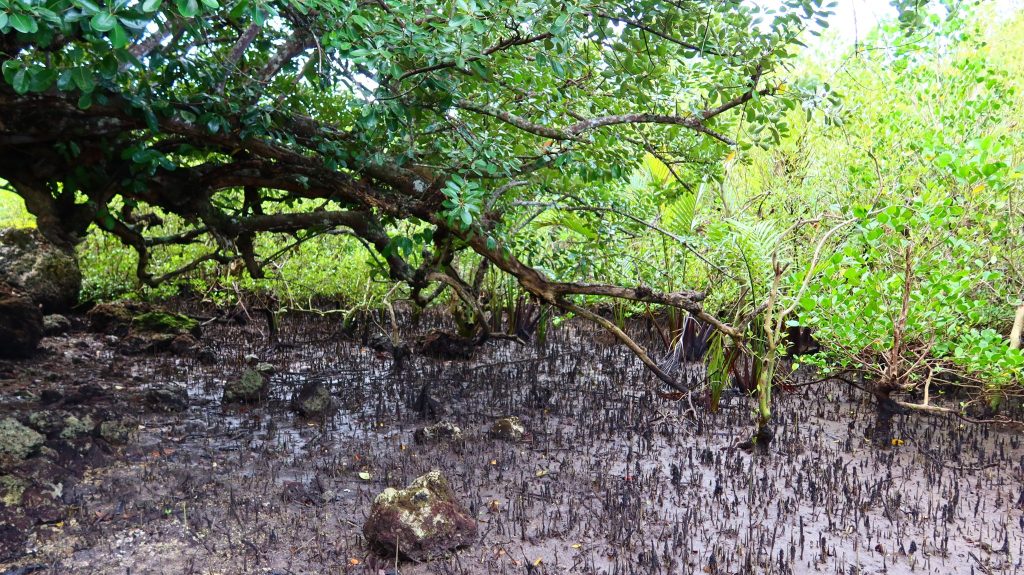
They learned to distinguish species through their distinct morphological features and proper zonation, while also familiarizing themselves with both scientific and local names. By the end of the activity, participants successfully identified nine mangrove species present in their area: Nypa fruticans (nipa), Rhizophora apiculata (bakhaw lalaki), Rhizophora mucronata (bakhaw babae), Rhizophora stylosa (bakhaw bato), Ceriops decandra (baras-baras), Avicennia marina (bungalon), Sonneratia alba (pagatpat), Aegiceras sp. (saging-saging), and Bruguiera sp. (busain).
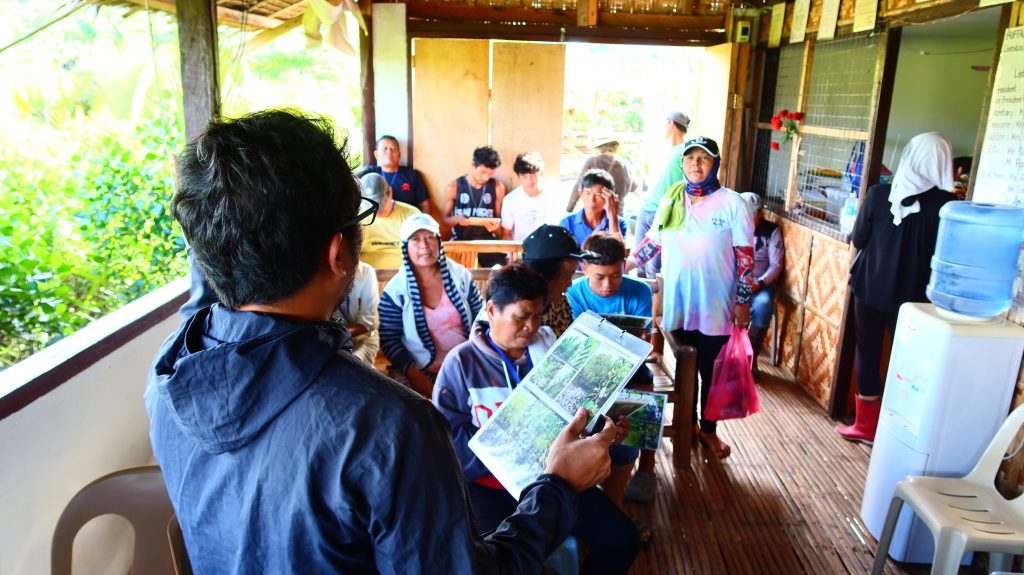
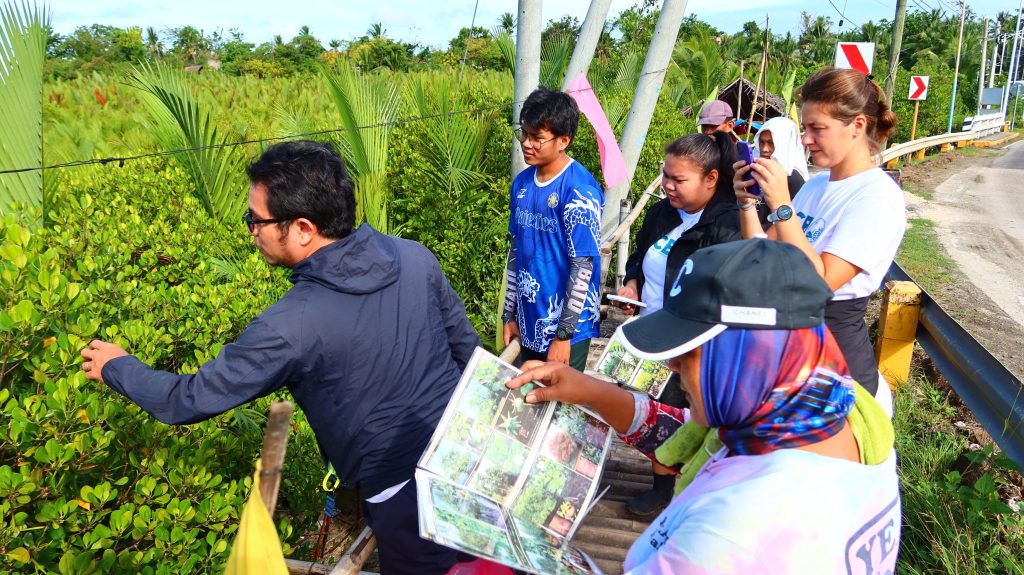
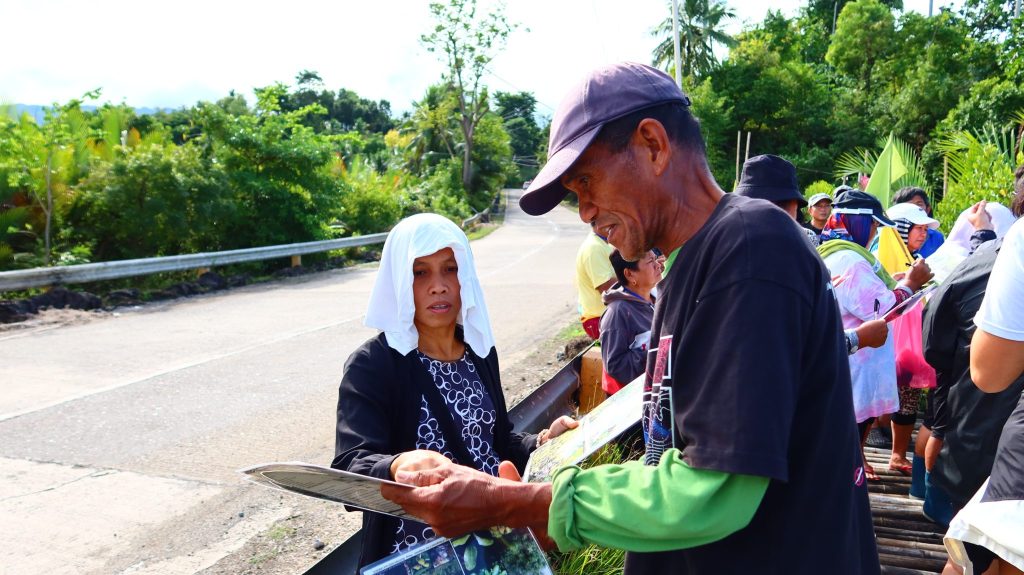
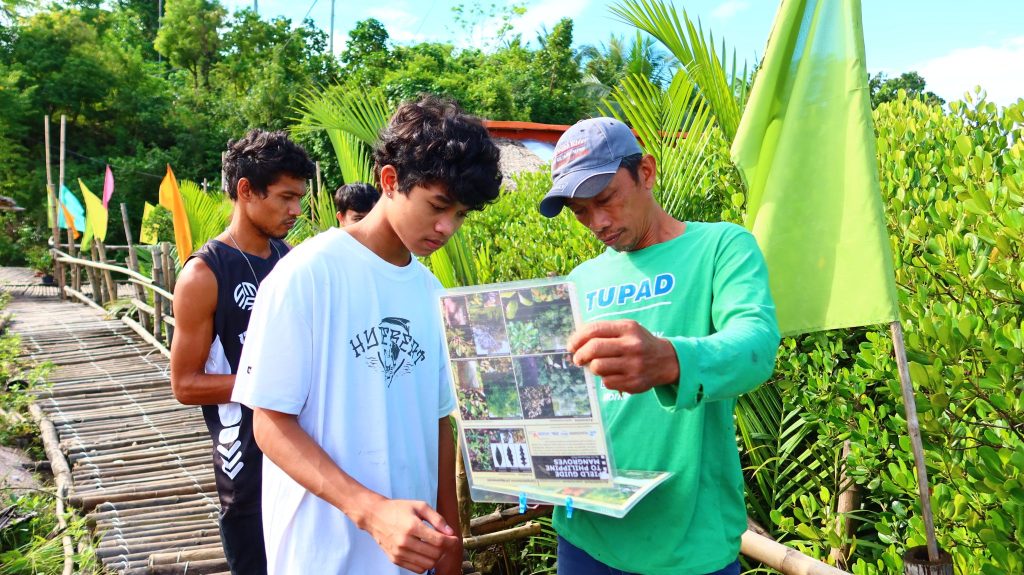
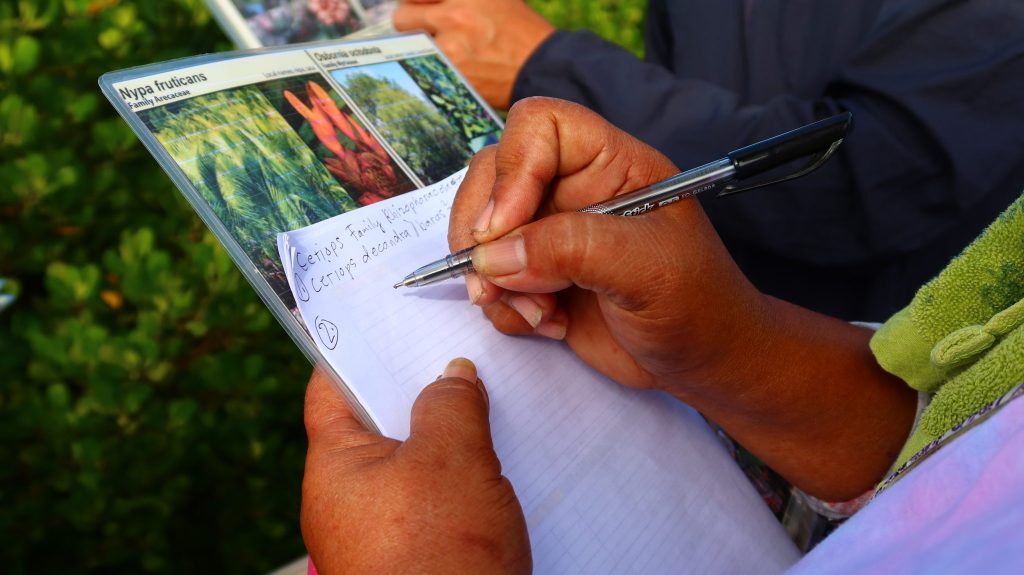
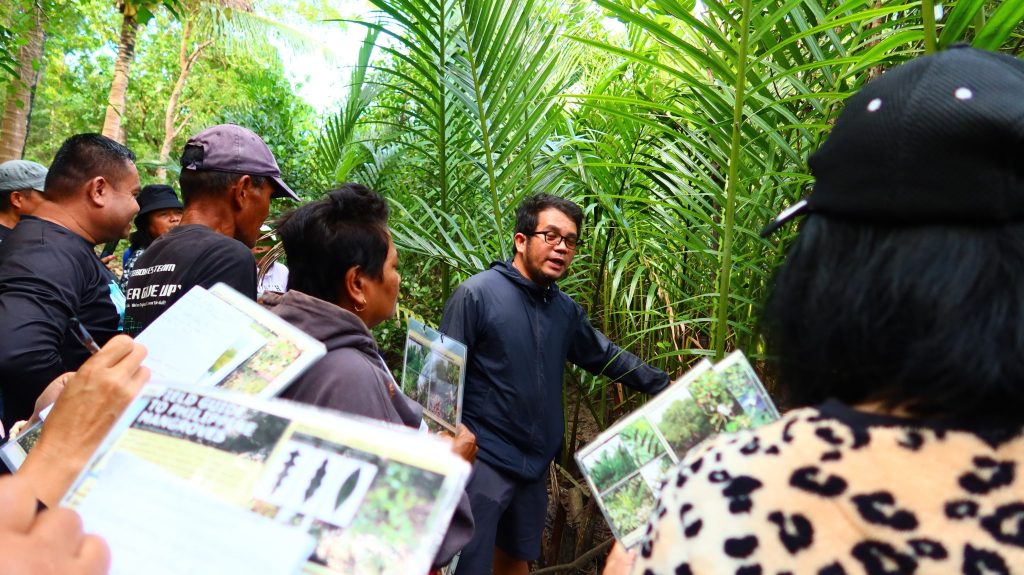
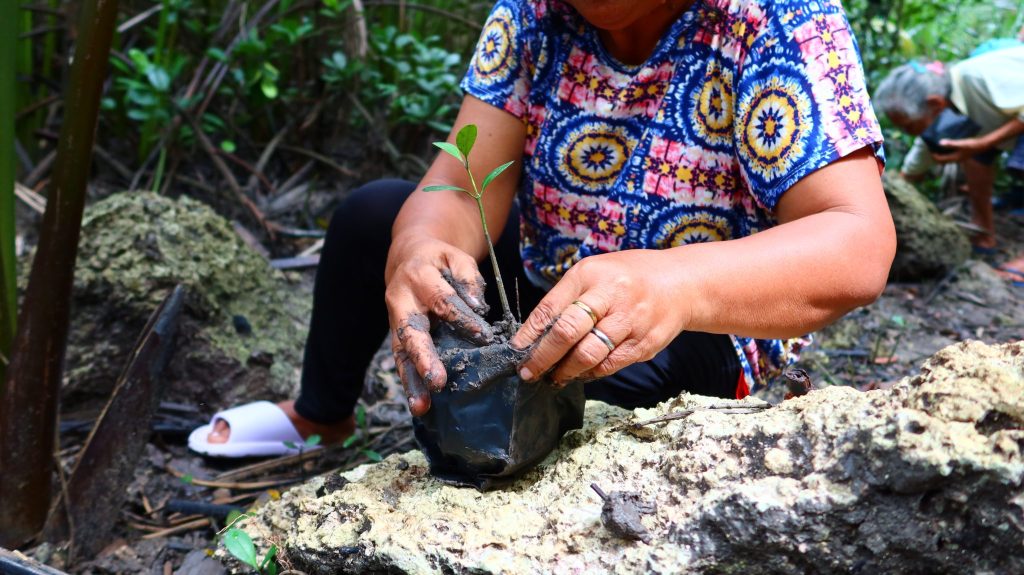
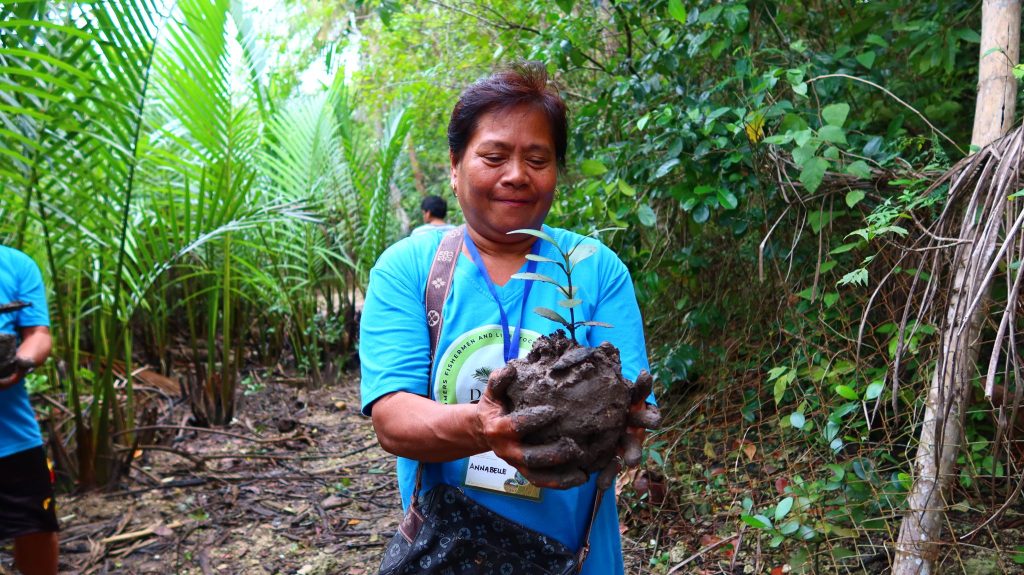
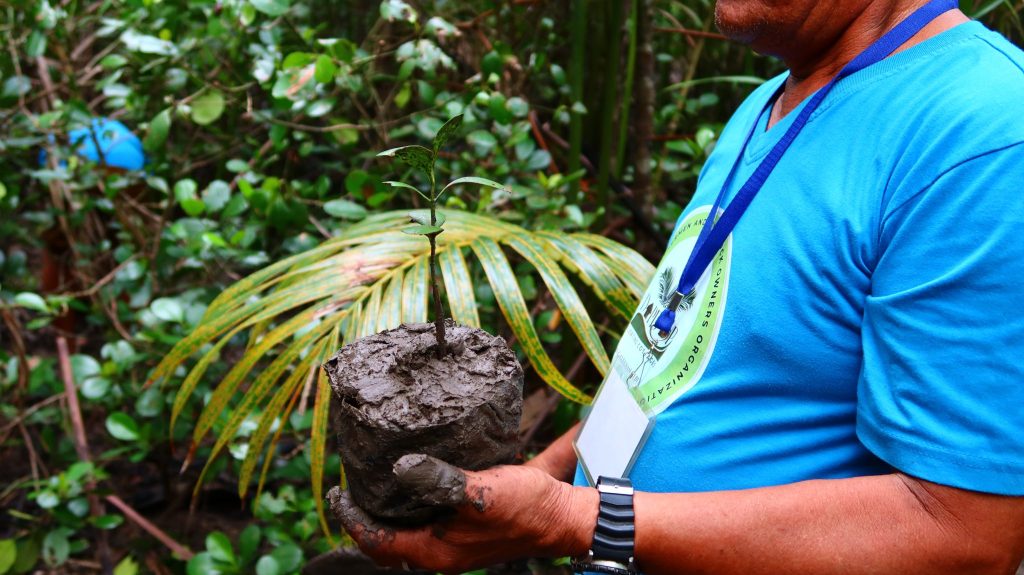
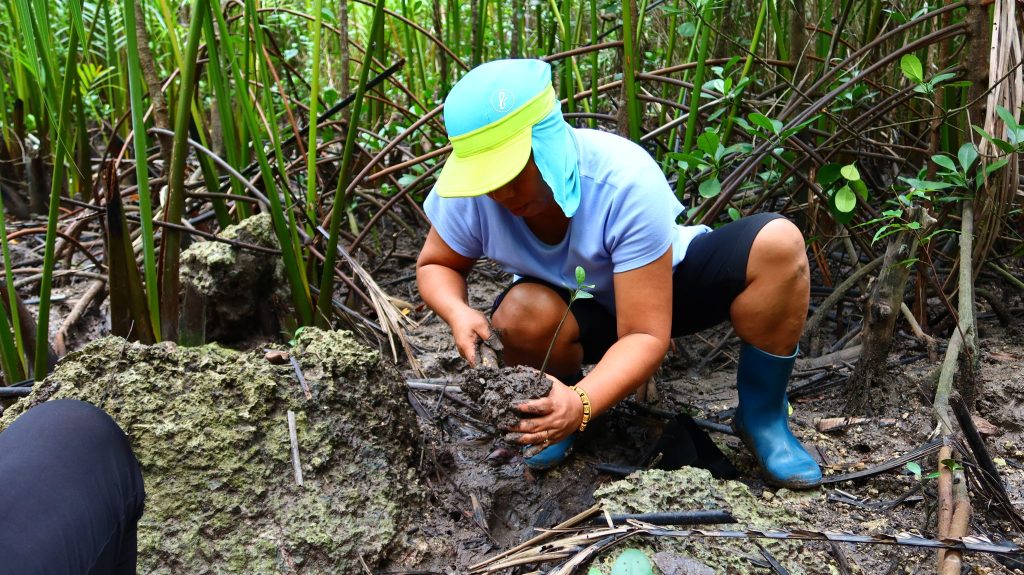
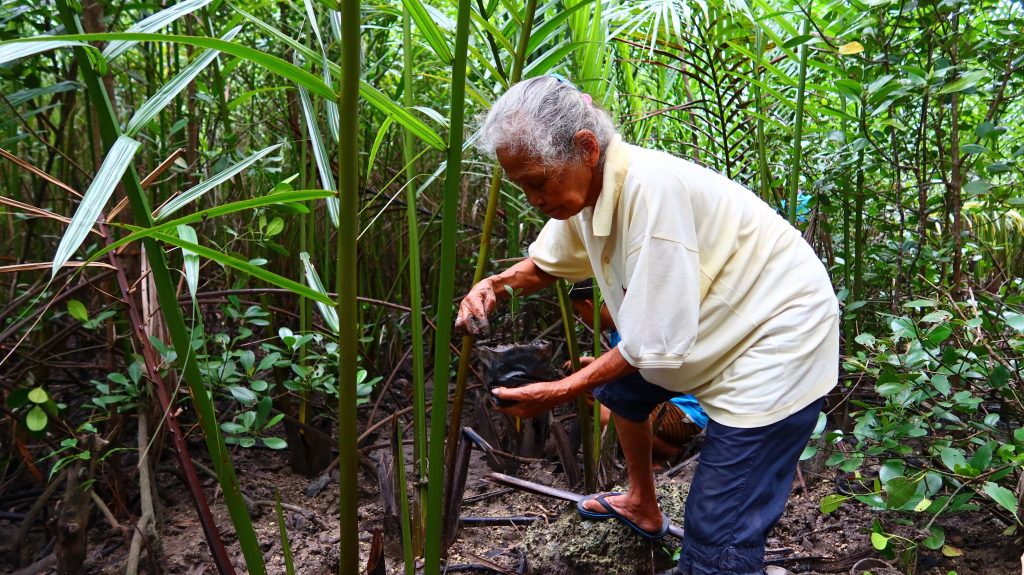
The group then visited BUFFALOO’s selected nursery and outplanting sites, applying the checklist discussed in lectures to assess suitability. Peeve KC Layague facilitated a hands-on demonstration on proper bagging techniques for mangrove wildings, reminding participants of safe collection practices and nursery organization.
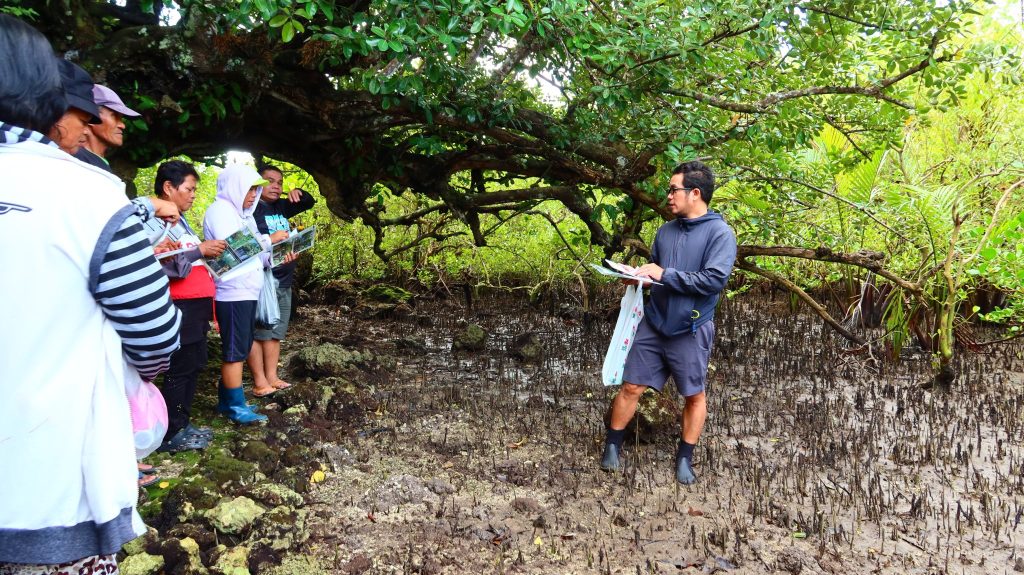
🌱 Day 3: Mangrove Rehabilitation Planning
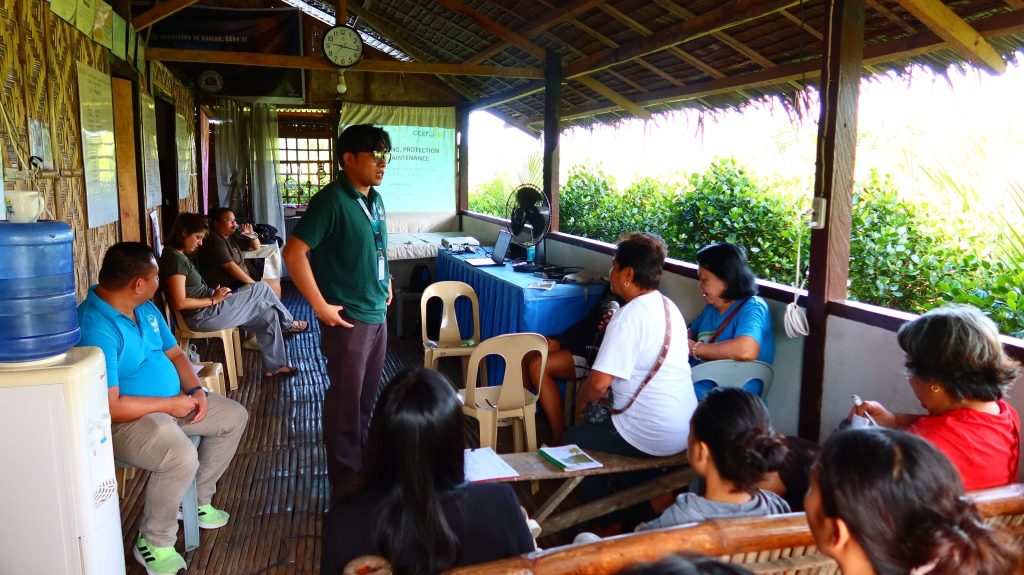
Ranie Ibañez facilitated the rehabilitation planning workshop, where participants actively discussed nursery targets and strategies. A post-test showed improved scores (average 6.88, a 27.41% increase), with one participant achieving a perfect 10. Evaluations reflected positive ratings for topics and facilitators, with participants expressing hope for continued support and suggesting future training on seagrass and coral assessments, guest handling, and bookkeeping.
This initiative is part of the Networking of MPAs thru Coastal LGUs Alliance Project (NMCLAP) and generously funded by the Unico Conservation Foundation. At its core, however, it is the people of BUFFALOO who carry the vision forward, weaving mangrove care into their everyday lives and livelihoods. By establishing a community-managed nursery, they are not only enriching their ecotourism package but also safeguarding the very ecosystems that sustain them.