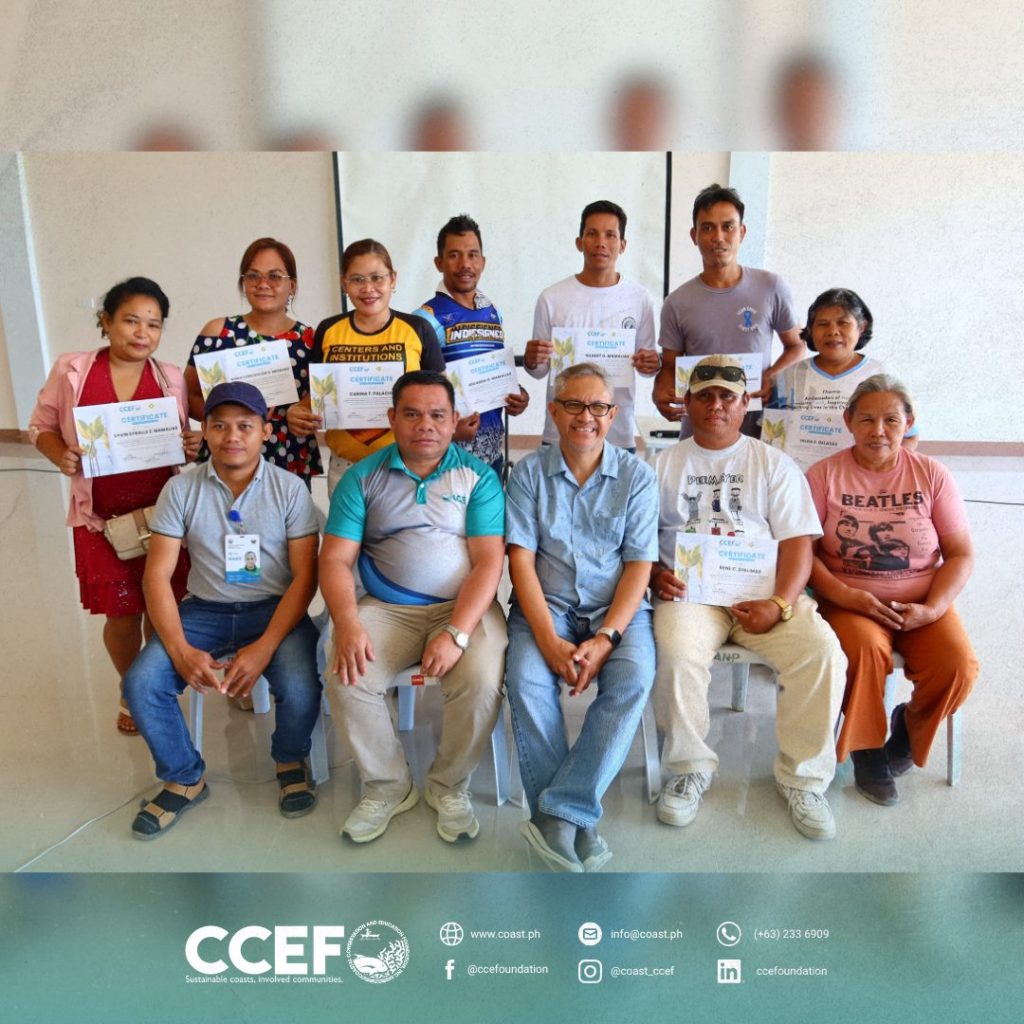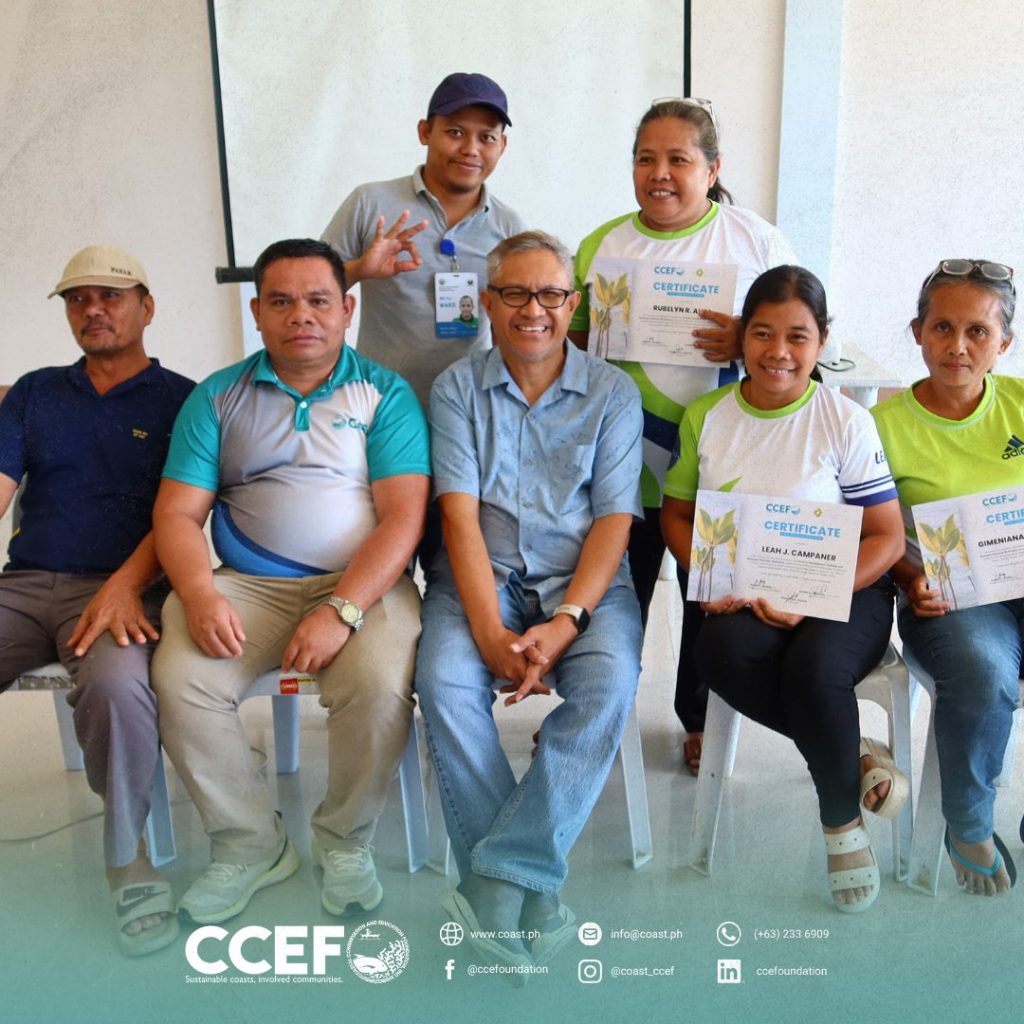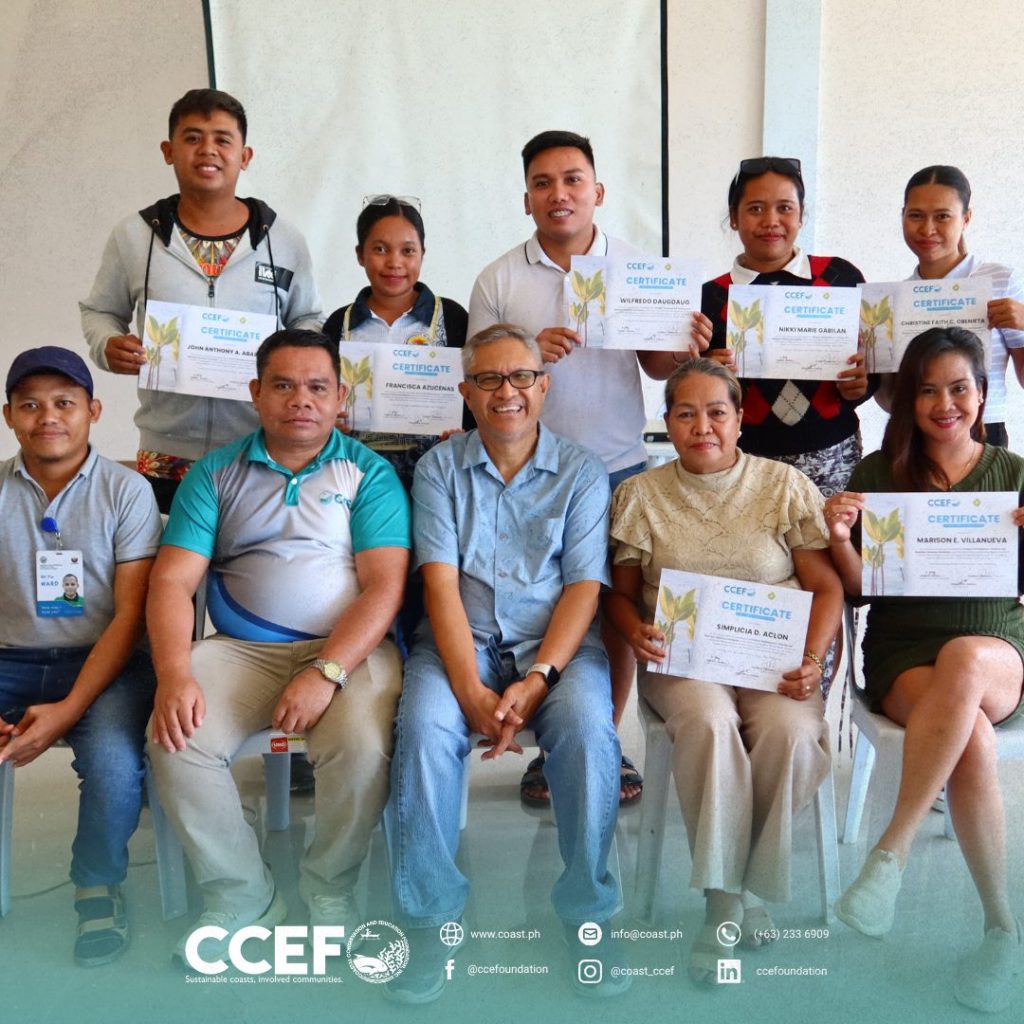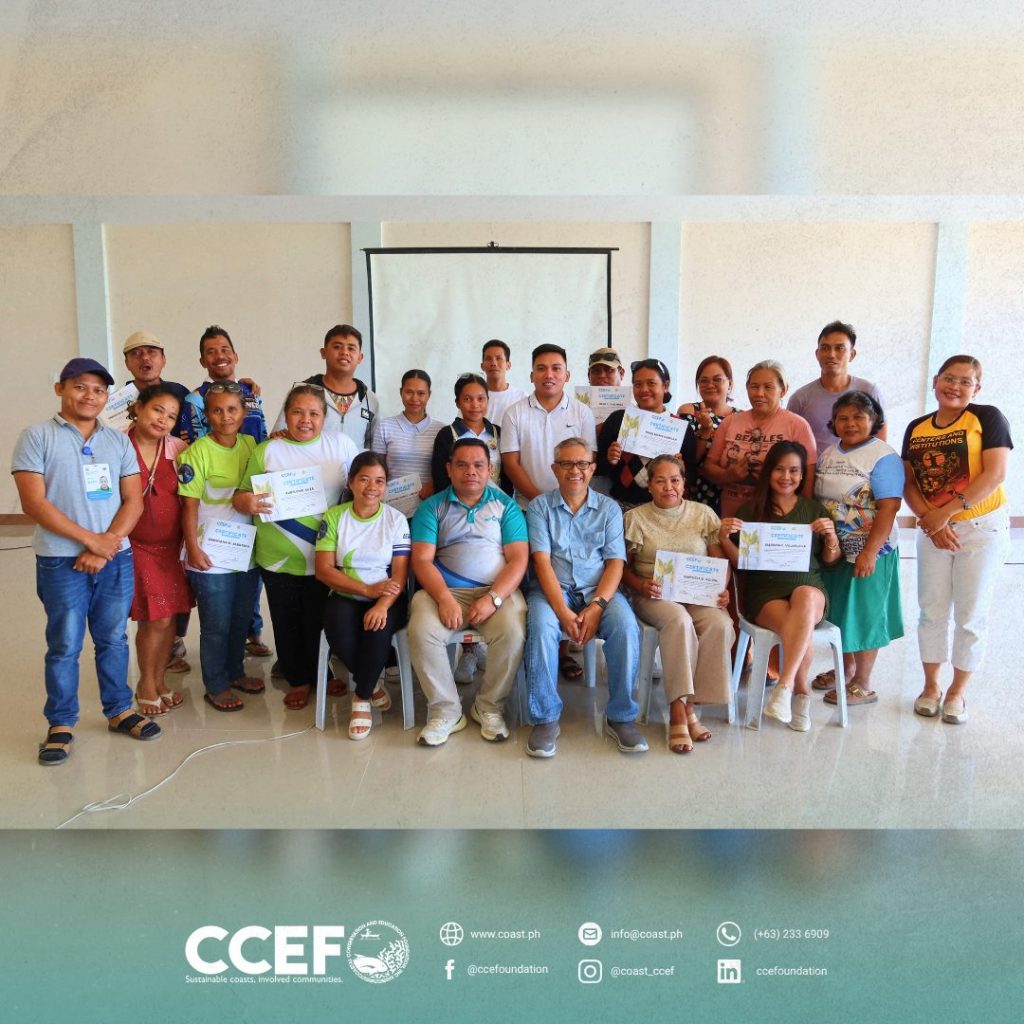
April 21–23, 2026 | Argao Activity Center, Argao, Cebu
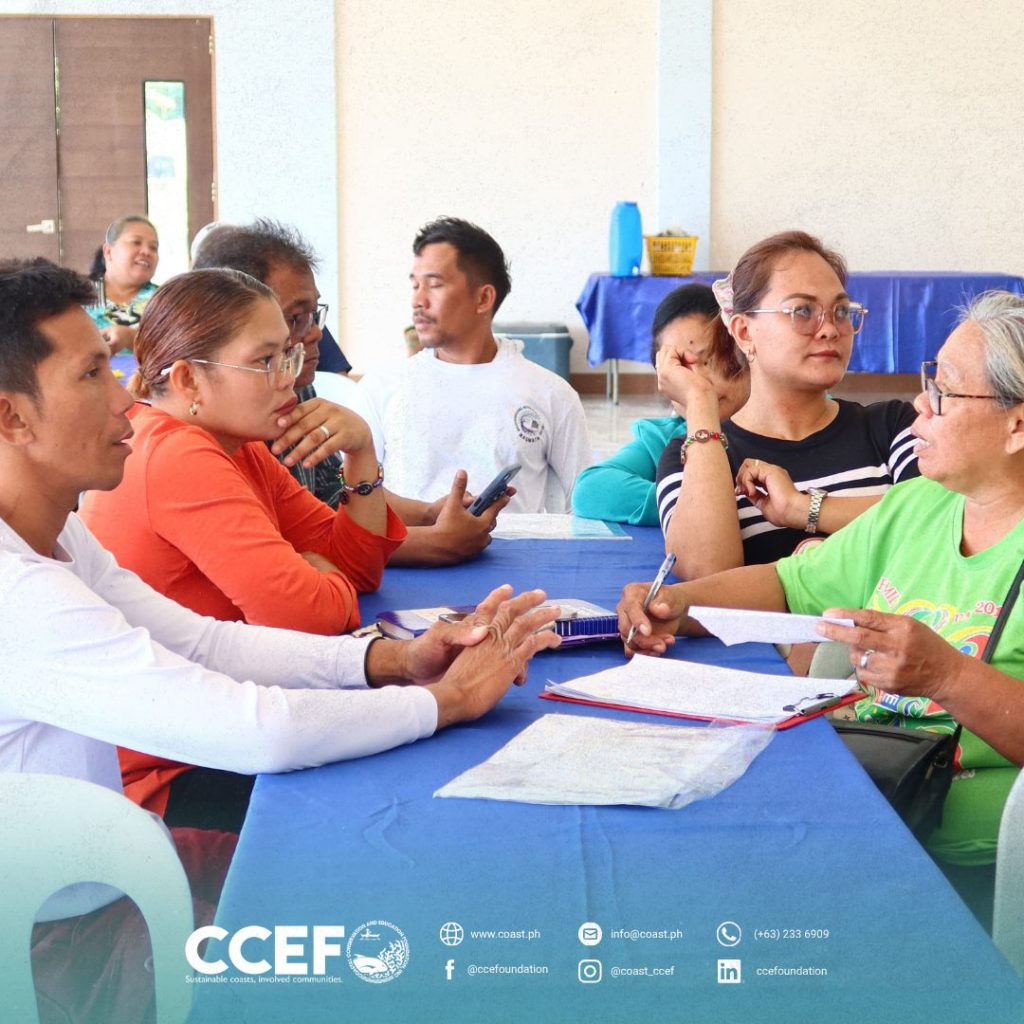
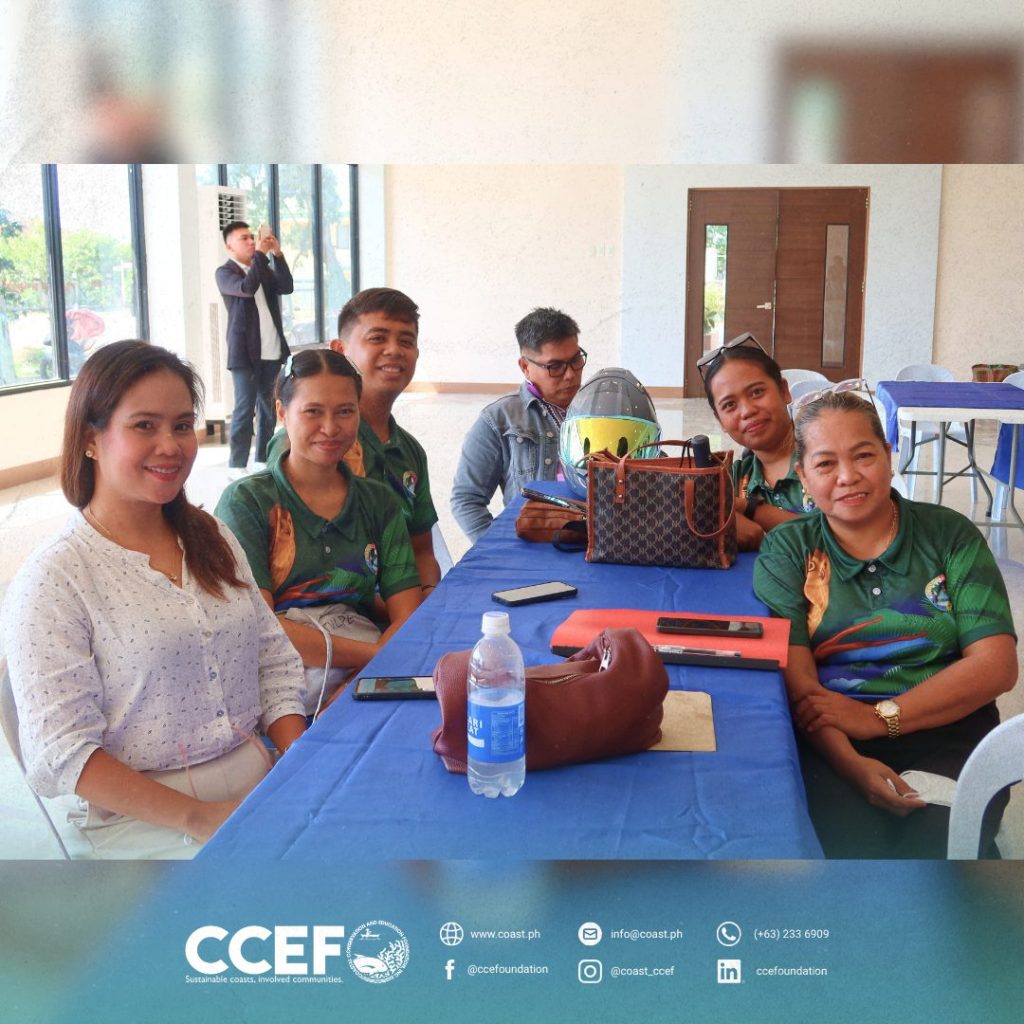
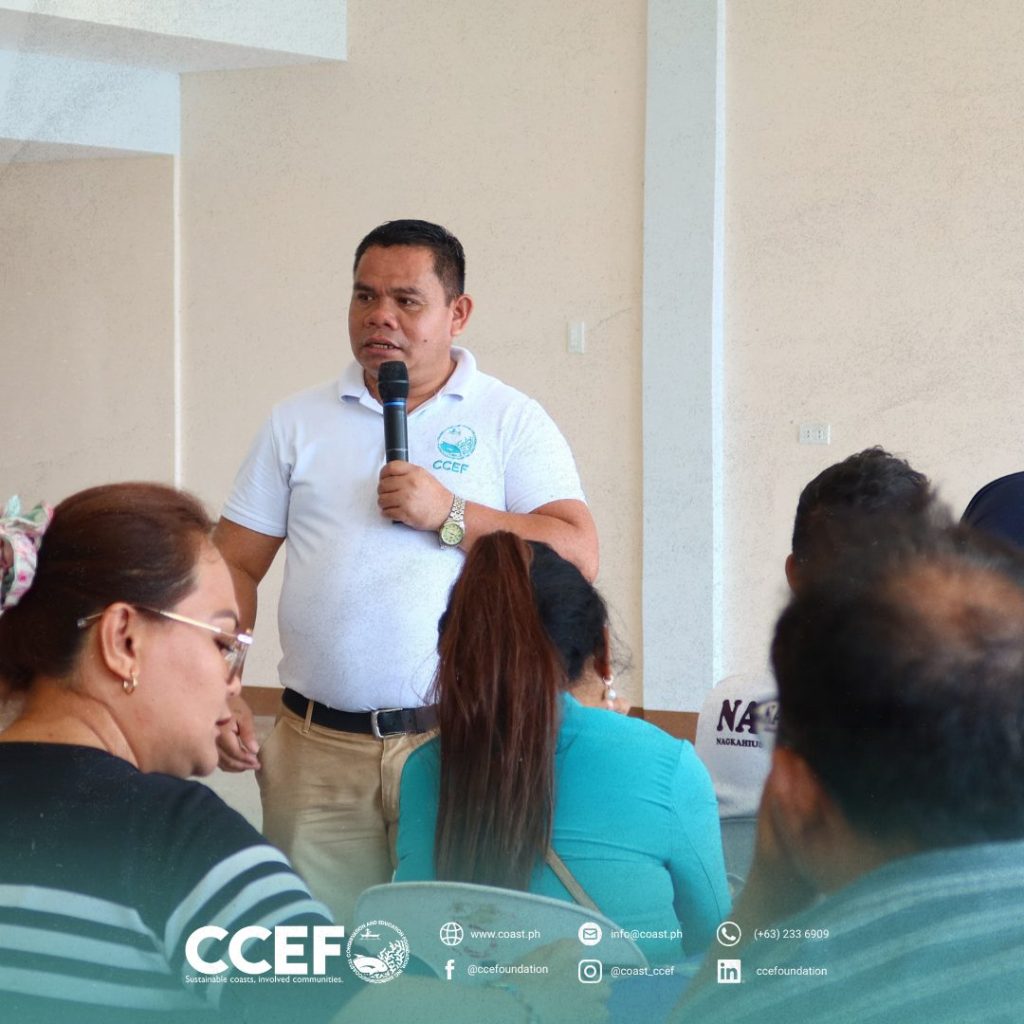
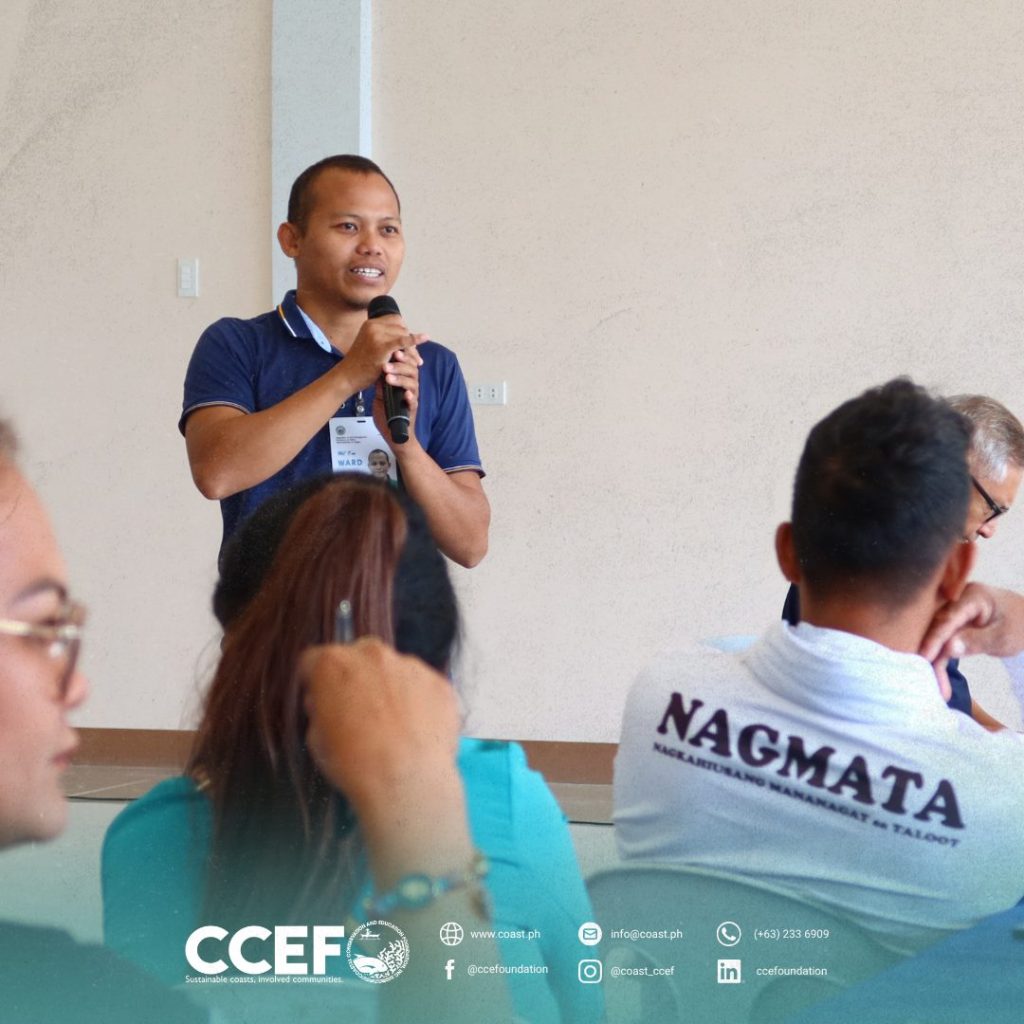
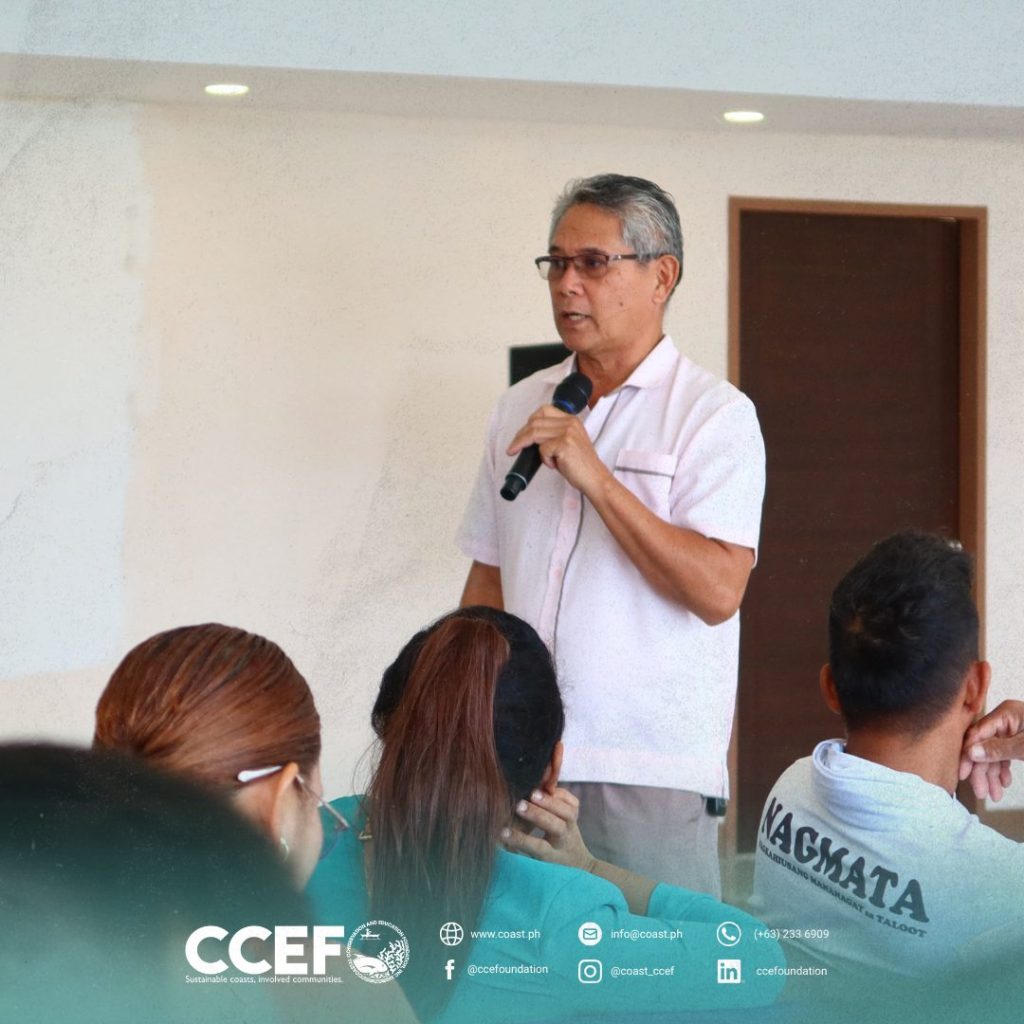
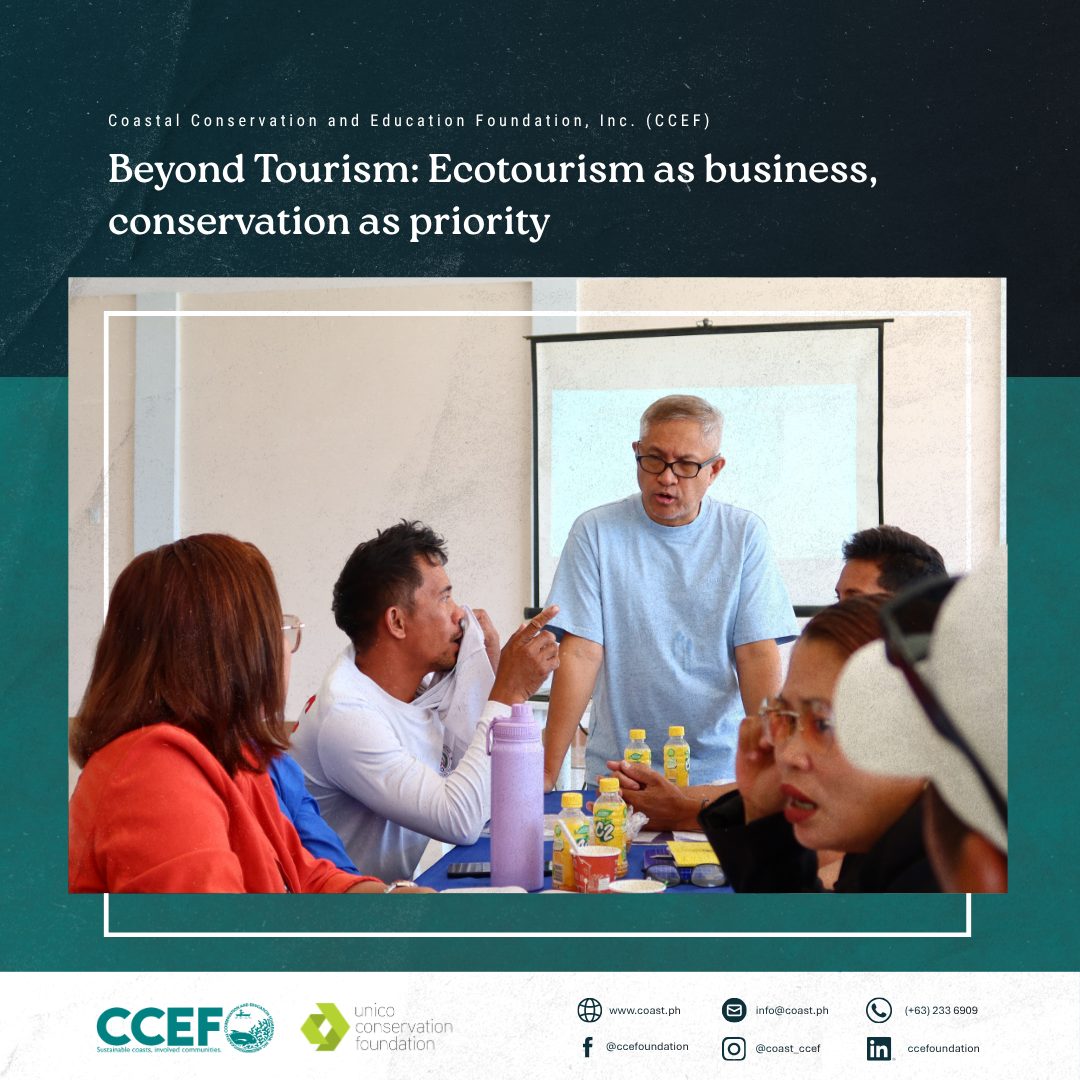
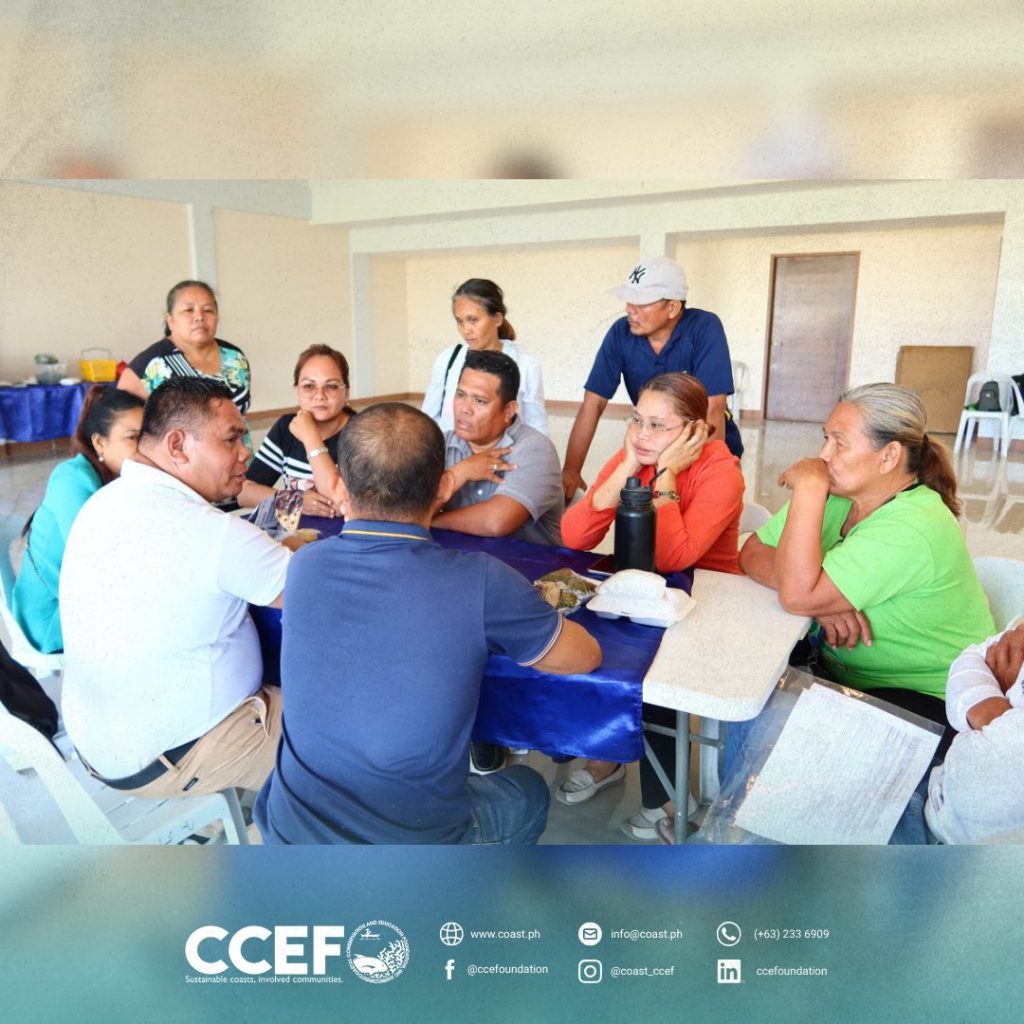
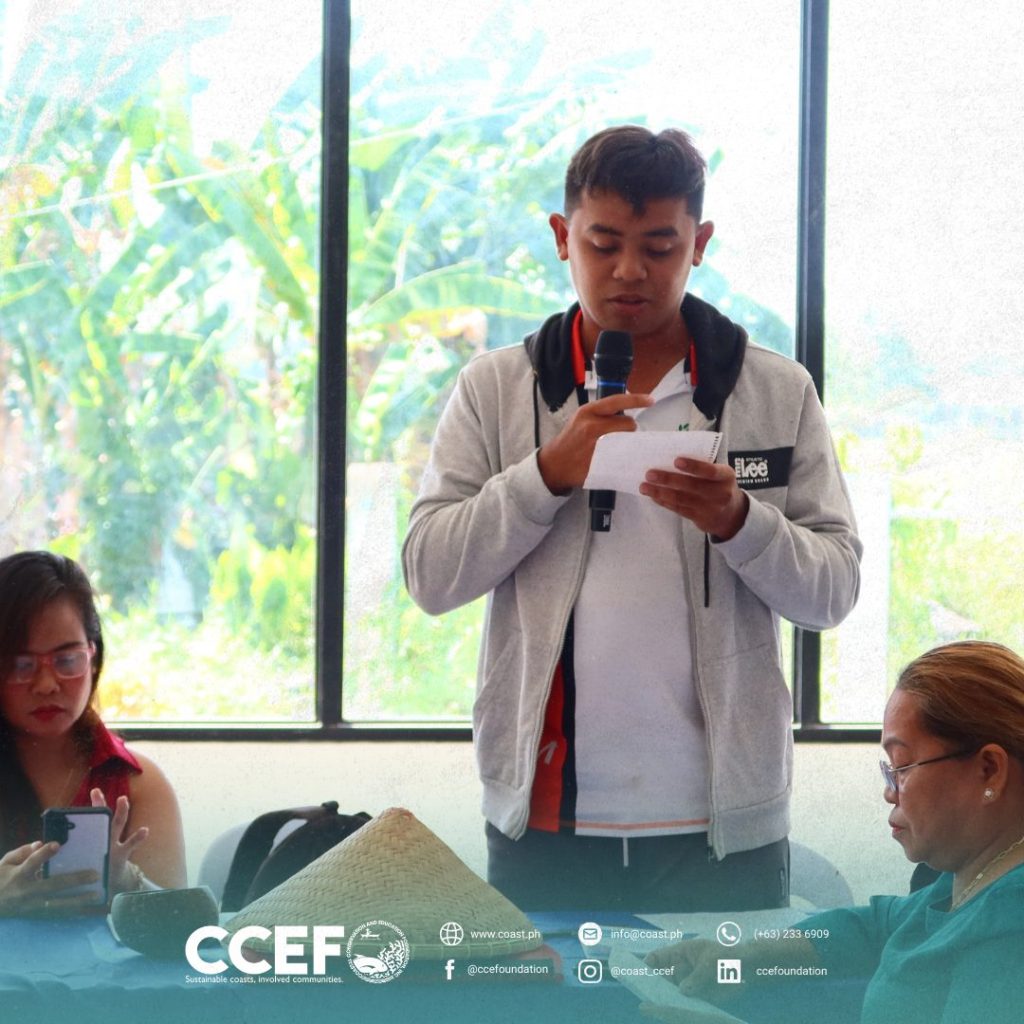
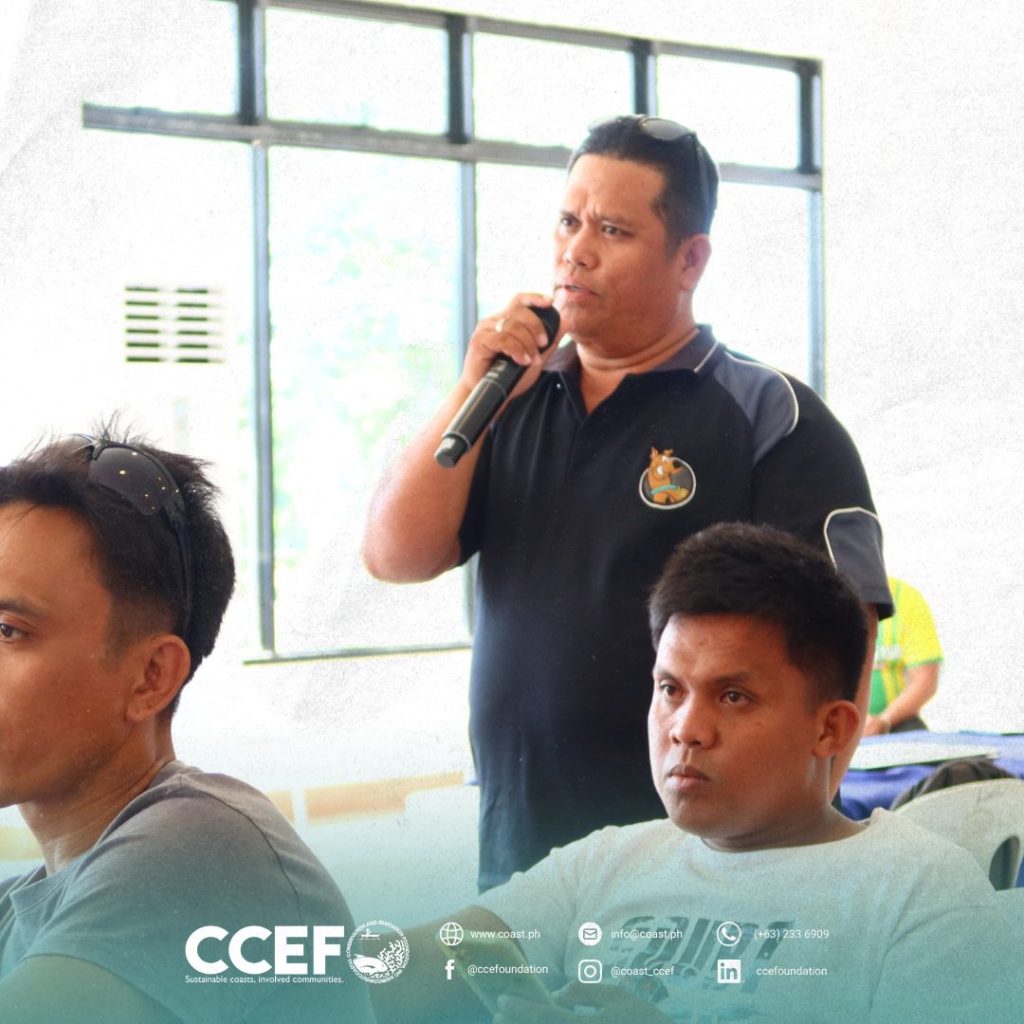
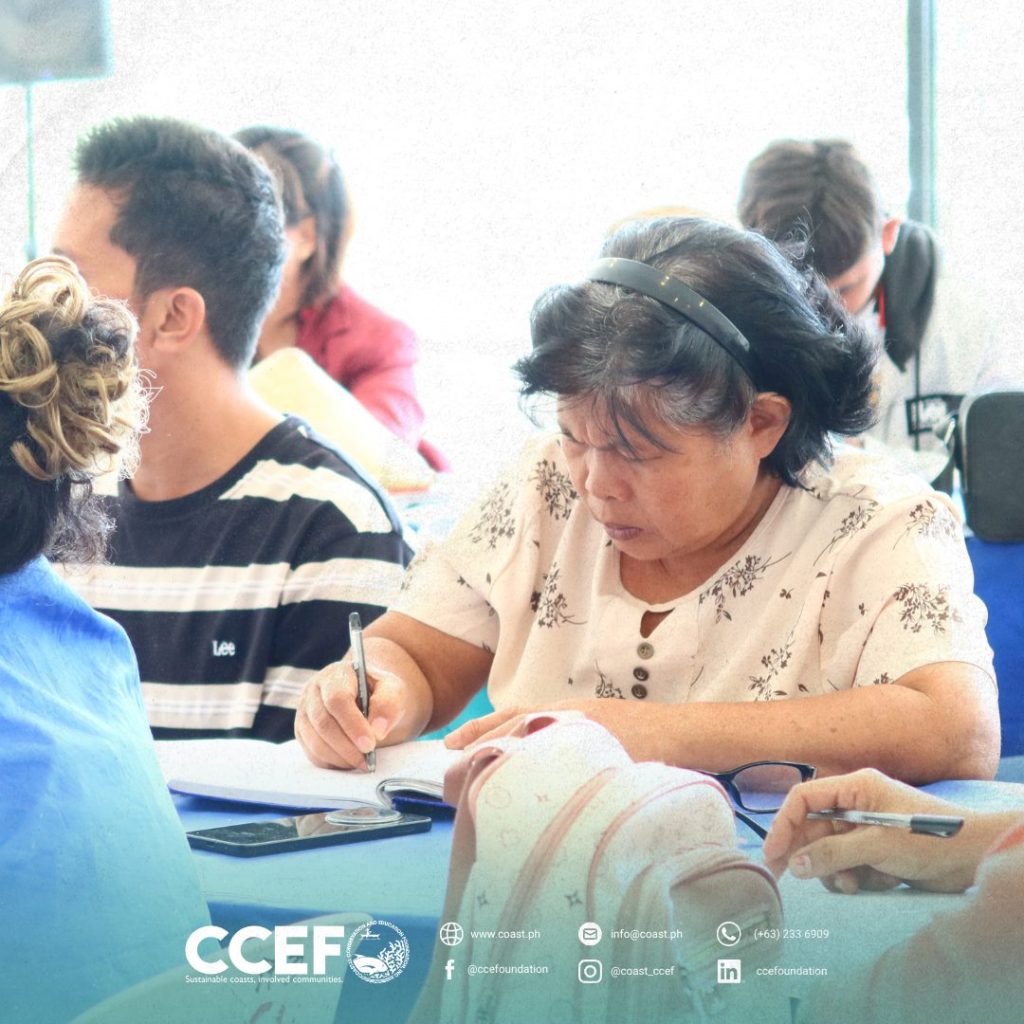
CCEF, through the Promoting Community‑based Ecotourism in Marine Protected Areas and Mangrove Areas (ProComTour) Project funded by the Unico Conservation Foundation (UCF), convened 22 participants from Argao and Alcoy for a three‑day Product Development Training and Business Planning Workshop. Representing the Nagkahiusang Mananagat sa Taloot, Argao (NAGMATA), Tawog Pagatpatan Service Cooperative (TPSC), and the Alcoy Eco Tourism Workers Association (AEWA), participants engaged in sessions designed to strengthen organizational identity, sharpen practical tools, and reinforce stewardship. More than a training, the workshop positioned these community groups to lead ecotourism as a business rooted in conservation, ensuring livelihoods grow hand in hand with ecosystem protection.
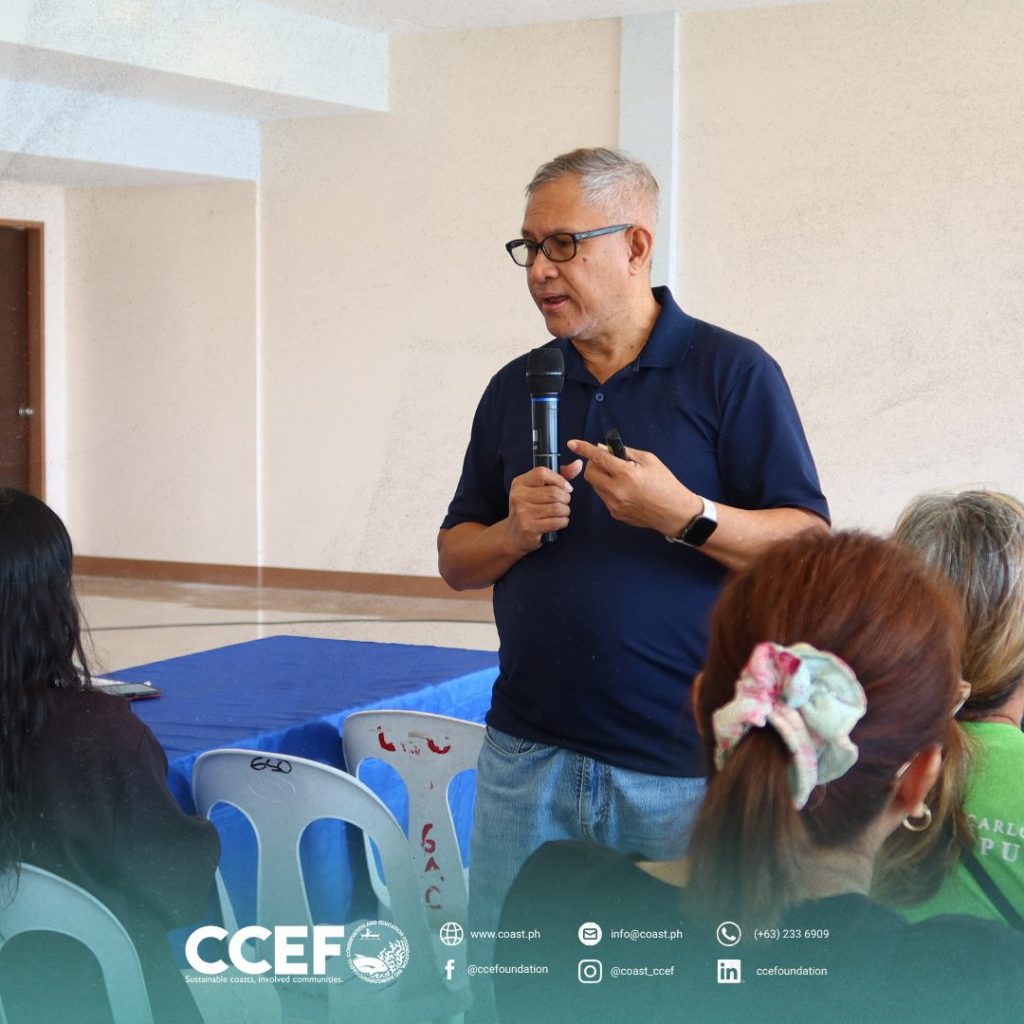
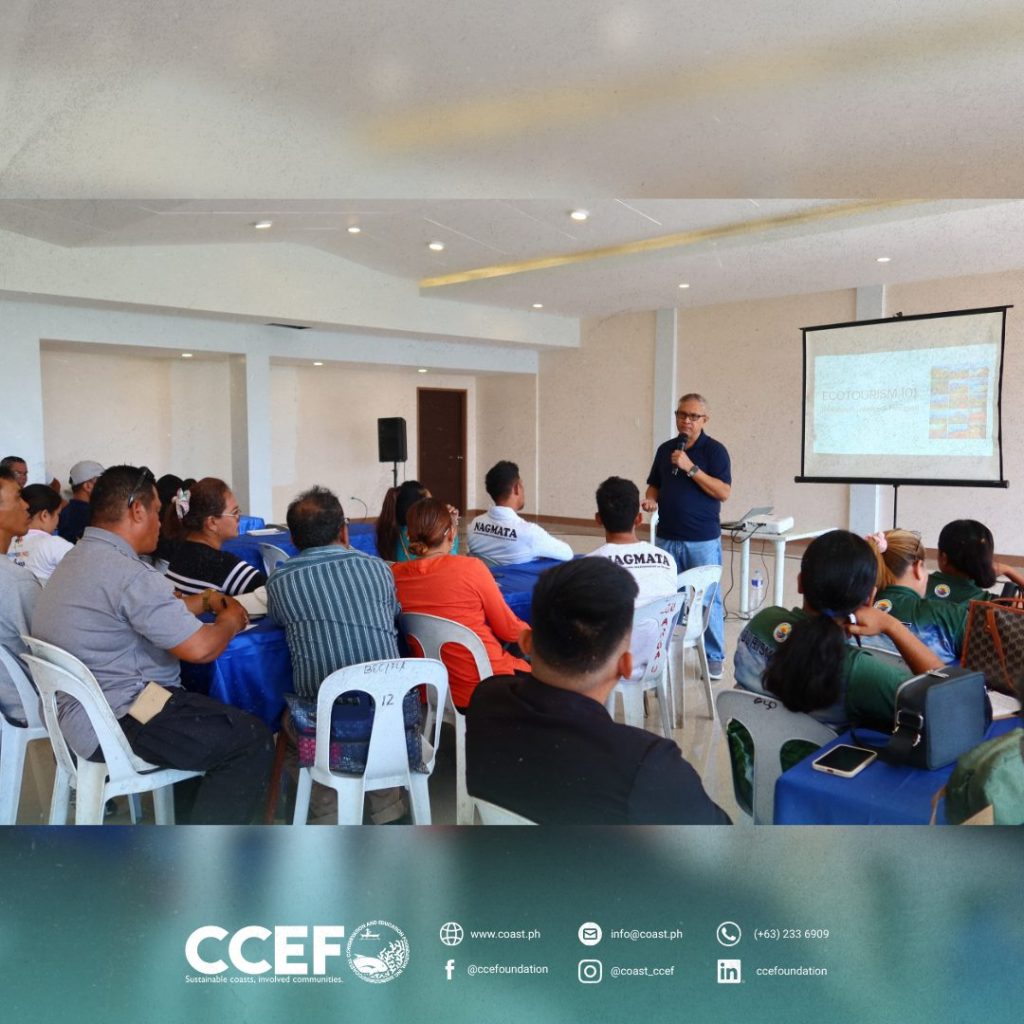
Joselito “Boboi” Costas opened with a challenge that reframed the entire workshop: “Community-based ecotourism is, above all, a business. Income must first support conservation, with livelihoods following as a priority.”
This statement shifted the mindset of participants. Ecotourism was no longer seen as a side activity or a simple livelihood option , it became a strategic investment in resilience, sustainability, and community pride.
The workshop was designed not just to inform, but to equip communities with tools they could immediately apply:
- Ecotourism 101 gave participants a new lens: tourism is not just travel; it is a responsibility to conserve ecosystems and empower locals.
- The 5Cs of Ecotourism (Conservation, Community, Culture, Commerce, Carrying Capacity) became a practical roadmap, ensuring that growth is balanced and never at the expense of nature or people.
- National policies like the Tourism Act of 2009 (RA 9593) and eNIPAS Act (RA 11038) were connected to grassroots realities, grounding community efforts in law and sustainability.
- The Circular Economy Model in Tourism turned abstract sustainability into concrete strategies, from climate-conscious meals to low-emission transport, participants saw how waste reduction and innovation can strengthen both conservation and profitability.
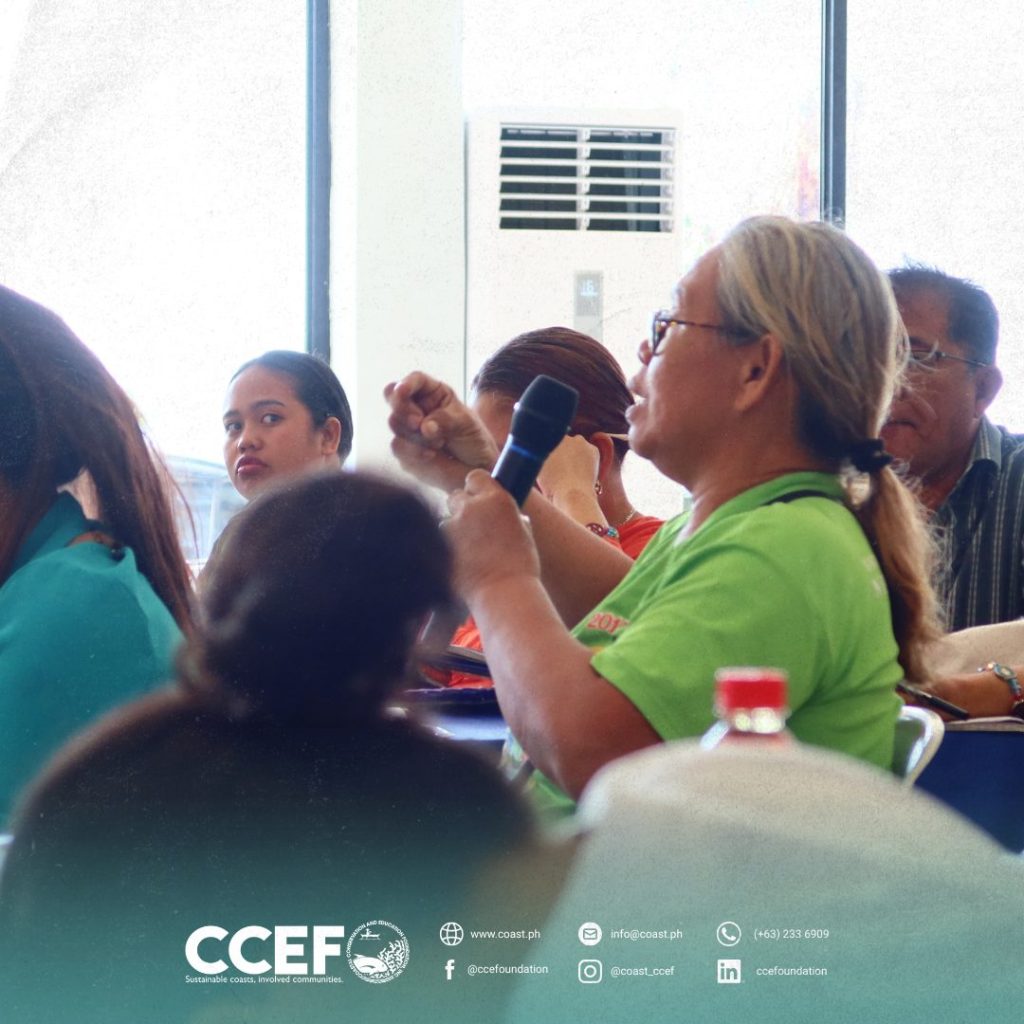
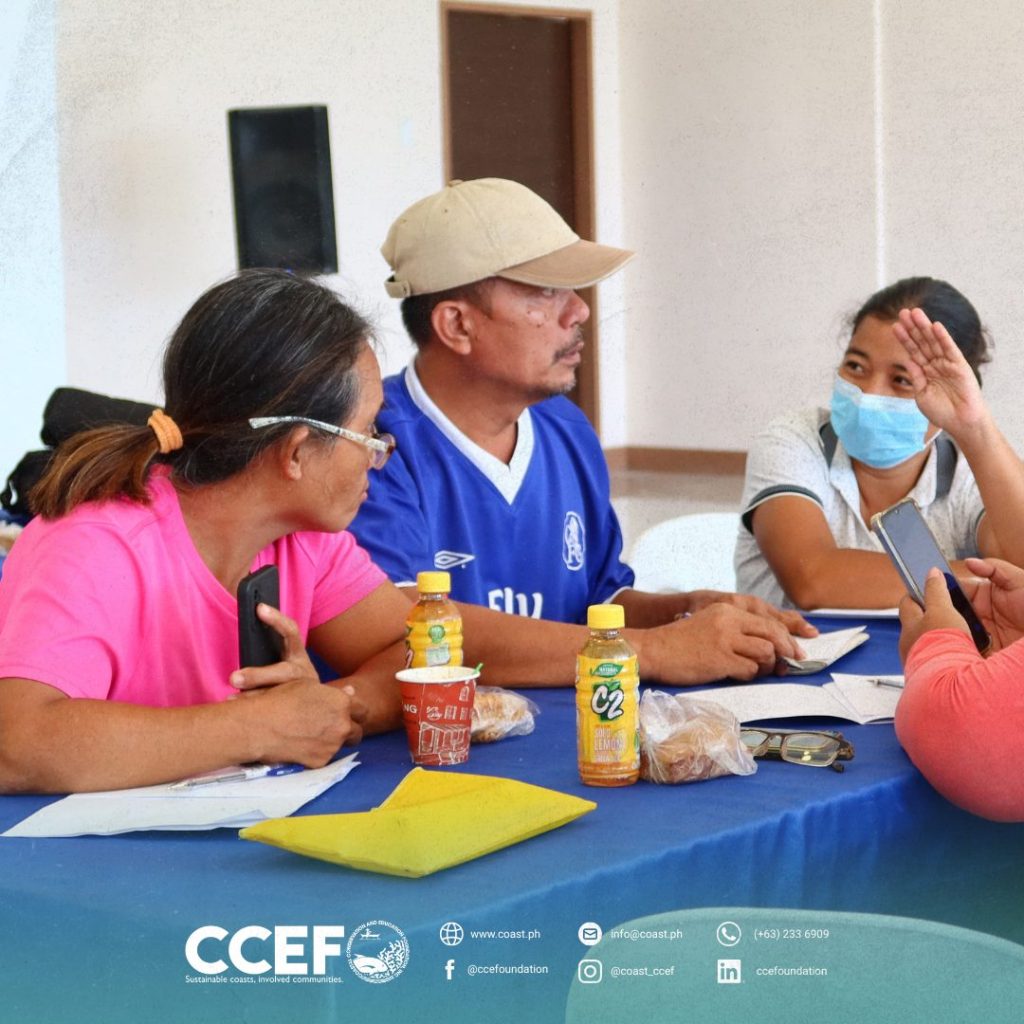
Beyond concepts, participants produced outputs that strengthened their organizations:
- Revamped logos and branding gave them a clearer identity and voice, positioning their communities as authentic stewards of mangroves, reefs, and culture.
- Drafted roadmap-style business plans transformed strategies into actionable steps for governance, operations, and financial sustainability.
- Market-ready ecotourism products were designed with climate-smart and waste-conscious principles, proving that sustainability can be profitable.
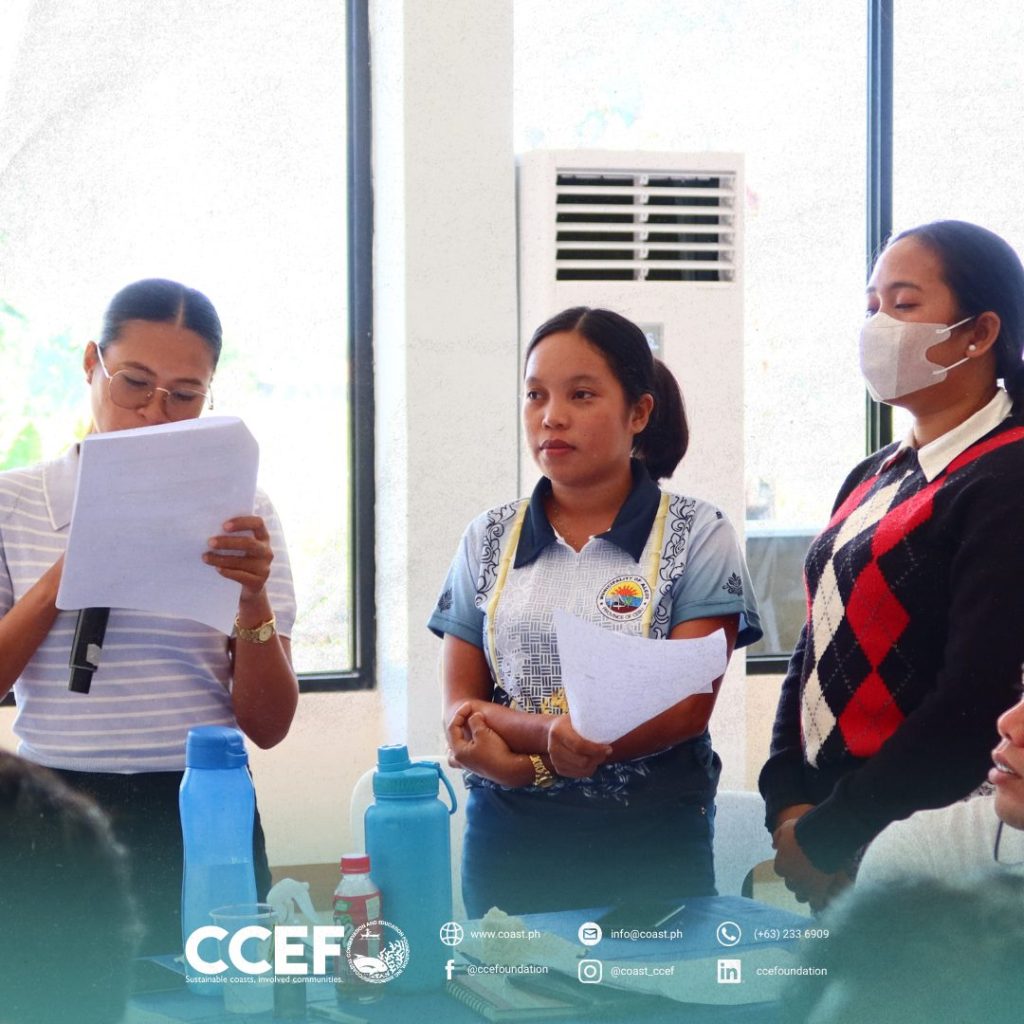
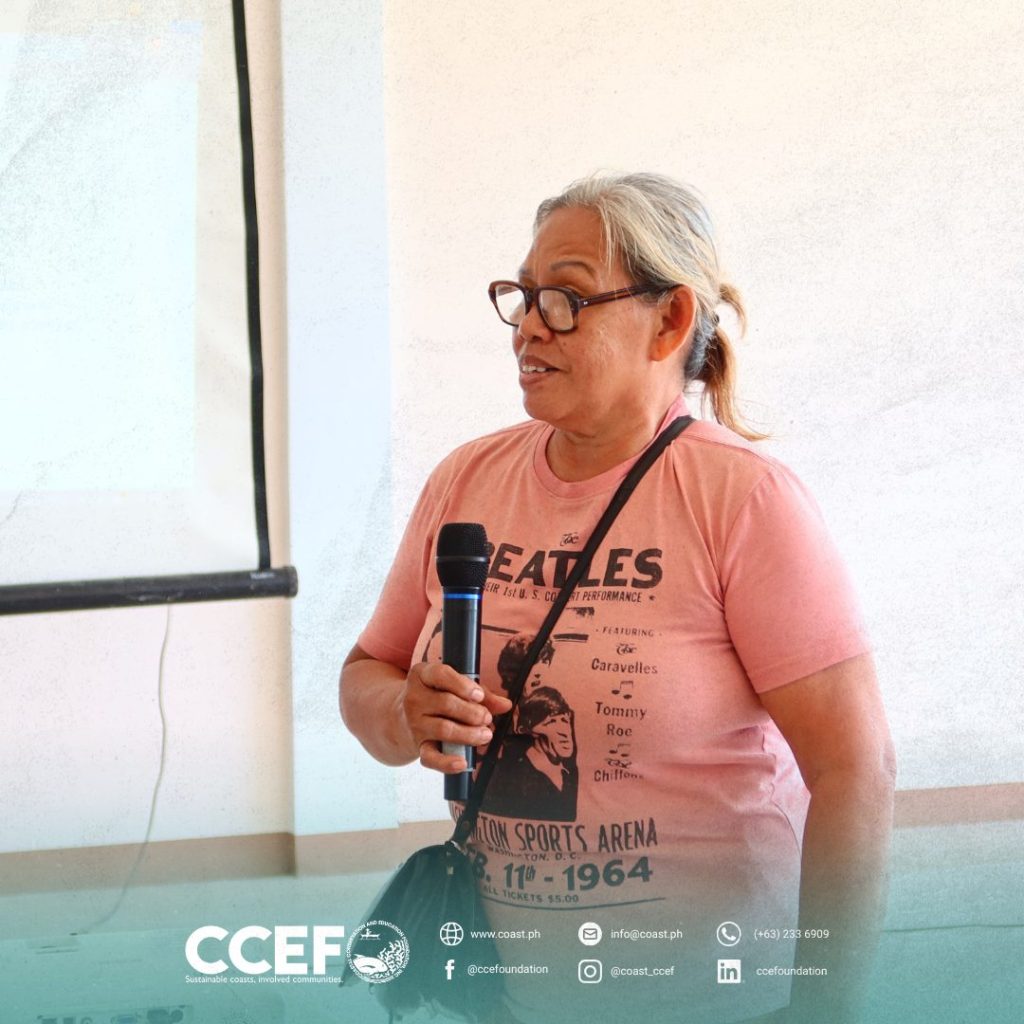
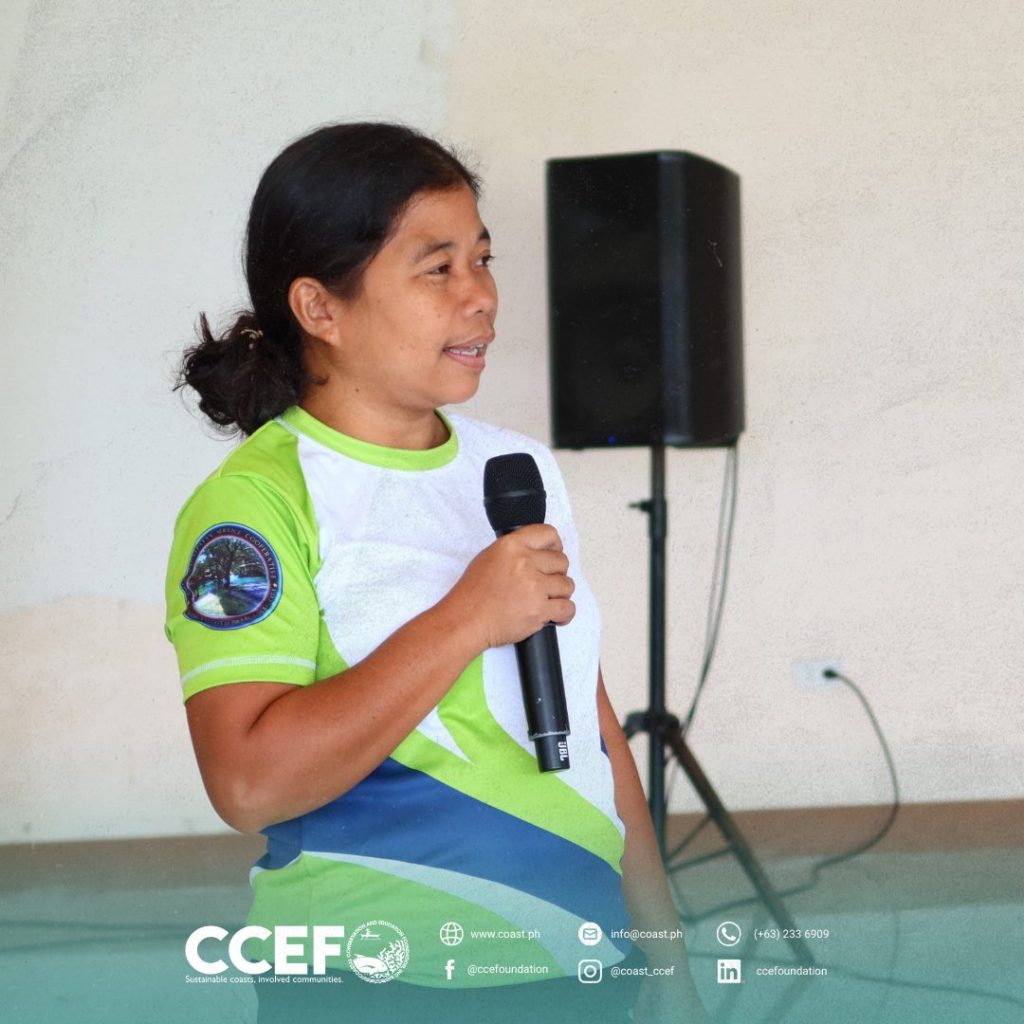
The richness of the program was felt in the voices of participants:
- “We were overwhelmed by the amount of information, but motivated to do our best and carefully consider what’s best for our organization.”
- “We now have notes, corrections, and guidance we can carry with us, this is the start of something bigger for our organizations.”
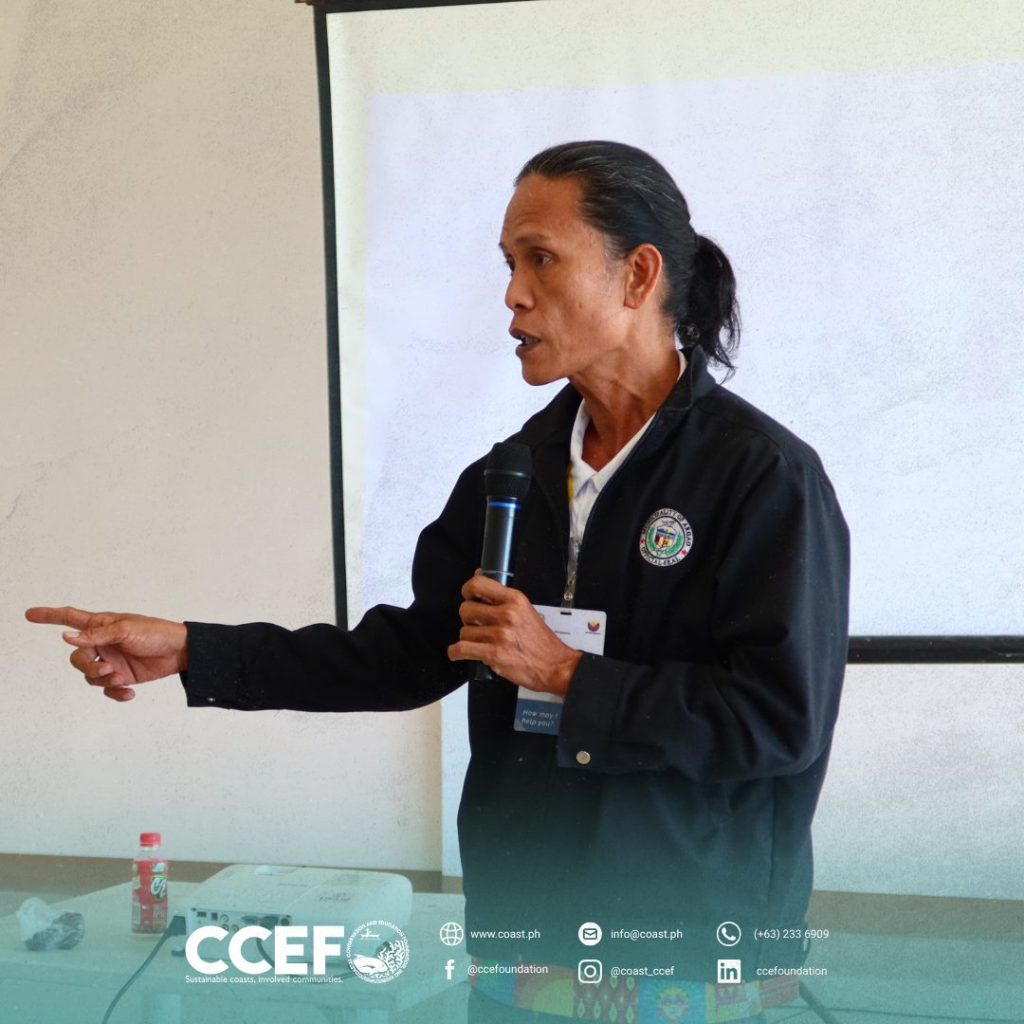
Jose Rechie delos Reyes, grounded the lessons in reality: “Success depends not on politics, but on the commitment of members to stay responsible and hardworking.” He reminded participants that waste management and environmental responsibility must remain central to their plans.
This workshop extended far beyond designing tour packages or drafting business plans. It focused on strengthening organizational roots and shaping sustainable futures. Communities recognized their mangroves, reefs, and culture not as mere attractions, but as assets to be protected, reinvested in, and shared responsibly. With stronger identities, practical tools, and clear strategies, participants left prepared to lead ecotourism as a business that thrives only when conservation comes first. In this way, community‑based ecotourism becomes more than livelihood, it stands as a lasting legacy of stewardship and resilience.