March 30–31, 2026 | Eusebio Sestoso Memorial Gymnasium, Alcoy, Cebu
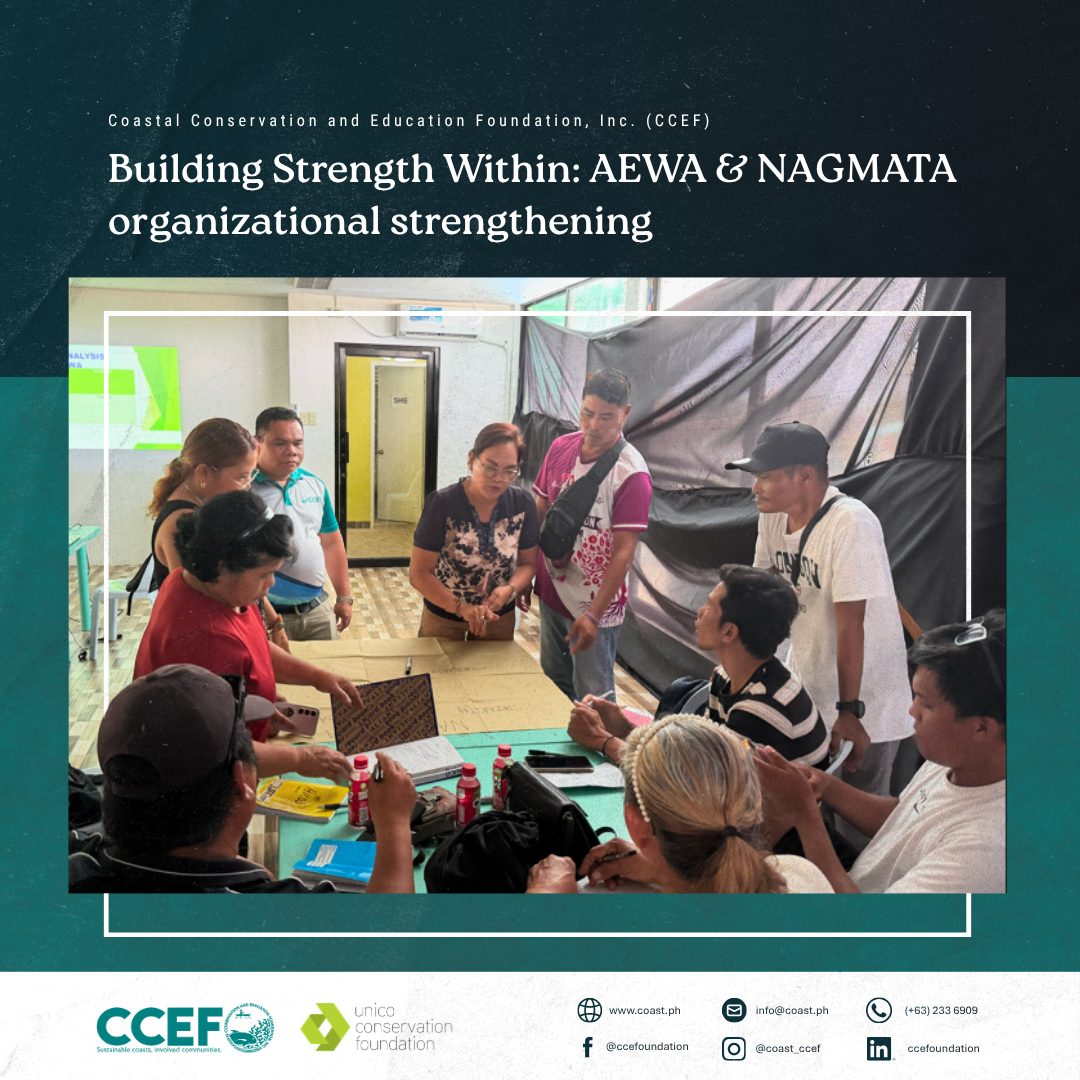
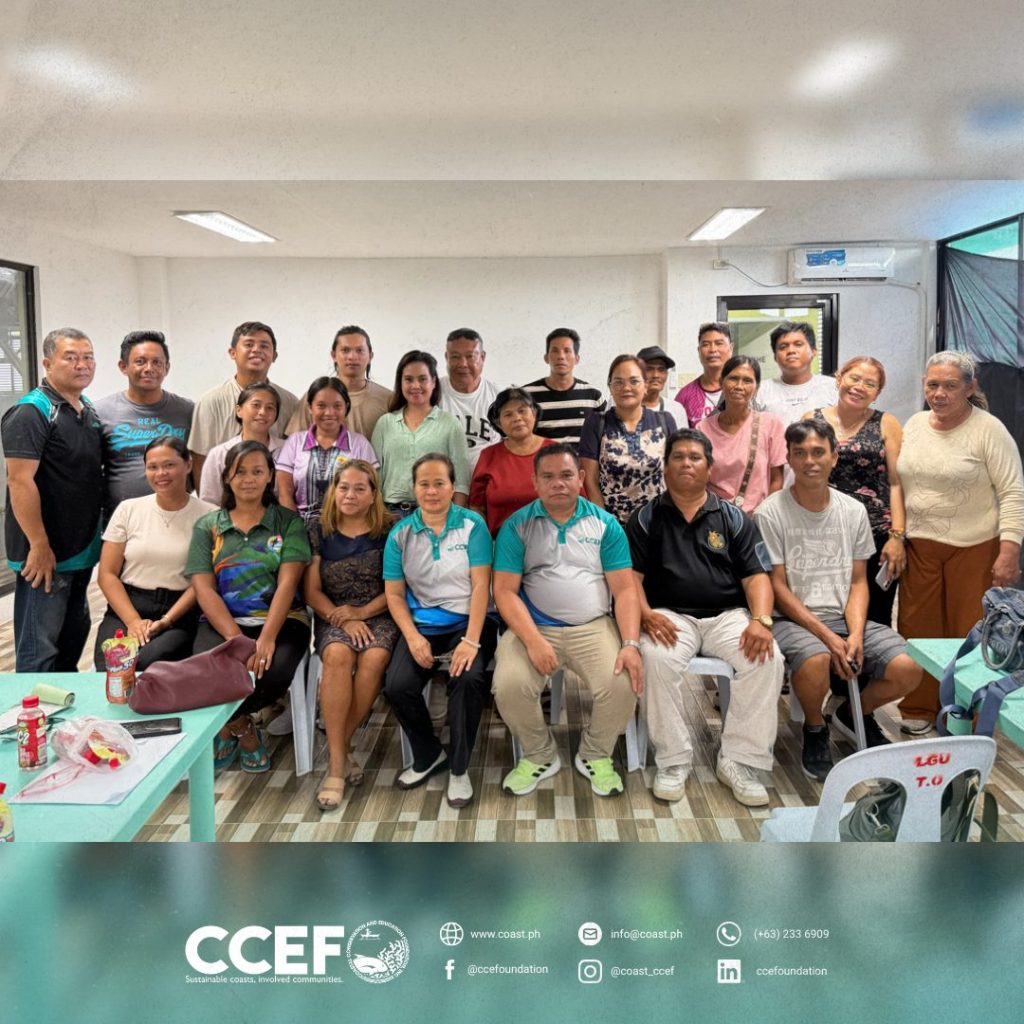
The Coastal Conservation and Education Foundation (CCEF) conducted the Organizational Strengthening for People’s Organizations: Leadership Training, proudly joined by 20 officers from the Alcoy Eco Tourism Workers Association (AEWA) and the Nagkahiusang Mananagat sa Taloot, Argao (NAGMATA). This activity is under Promoting Community-based Ecotourism in MPA & Mangrove Areas (ProComTour) Project, generously funded by Unico Conservation Foundation.
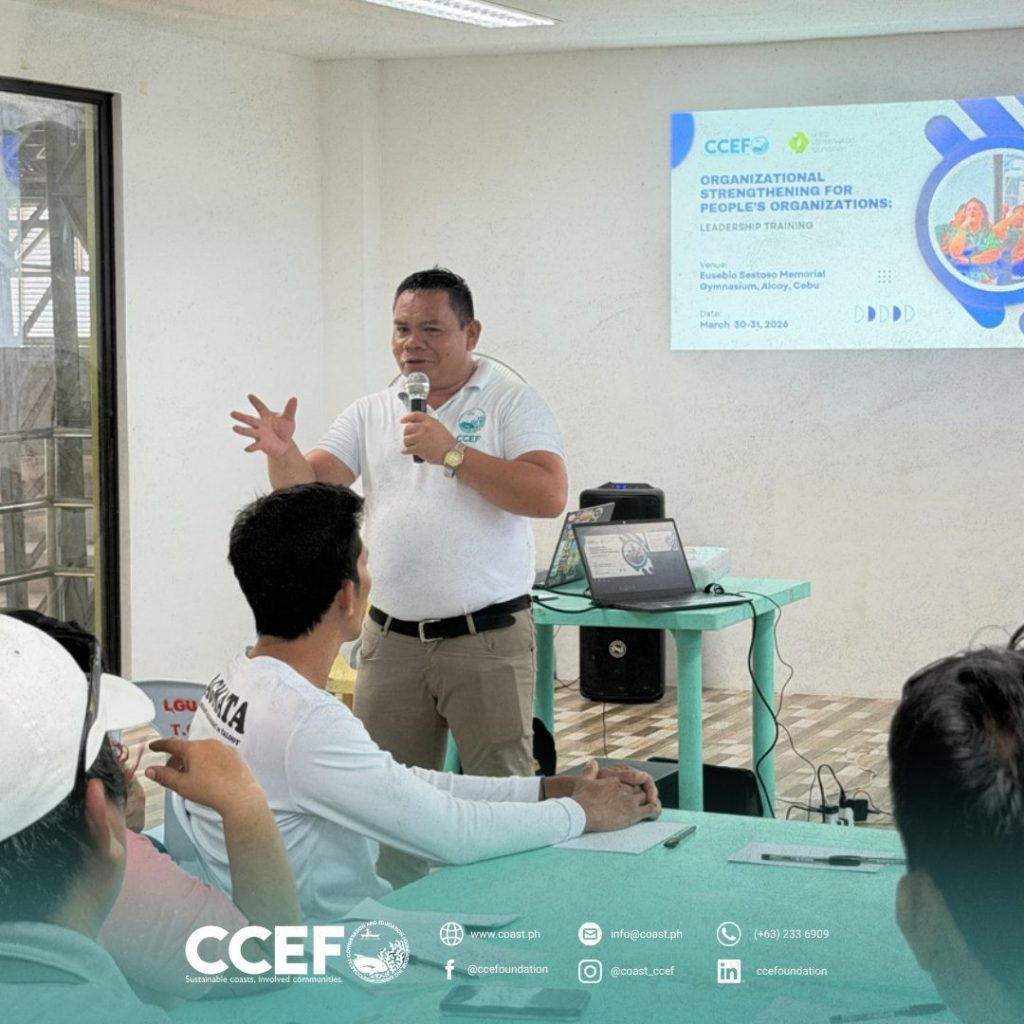
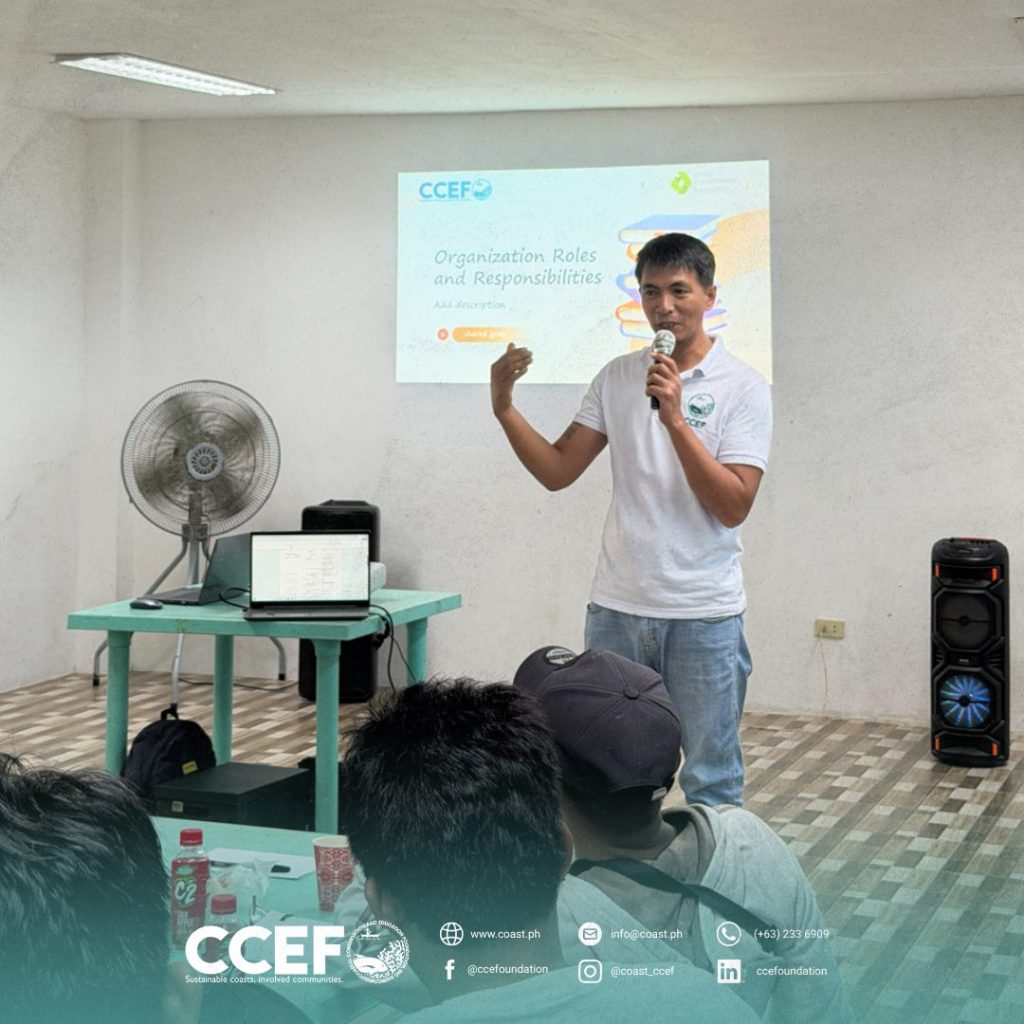
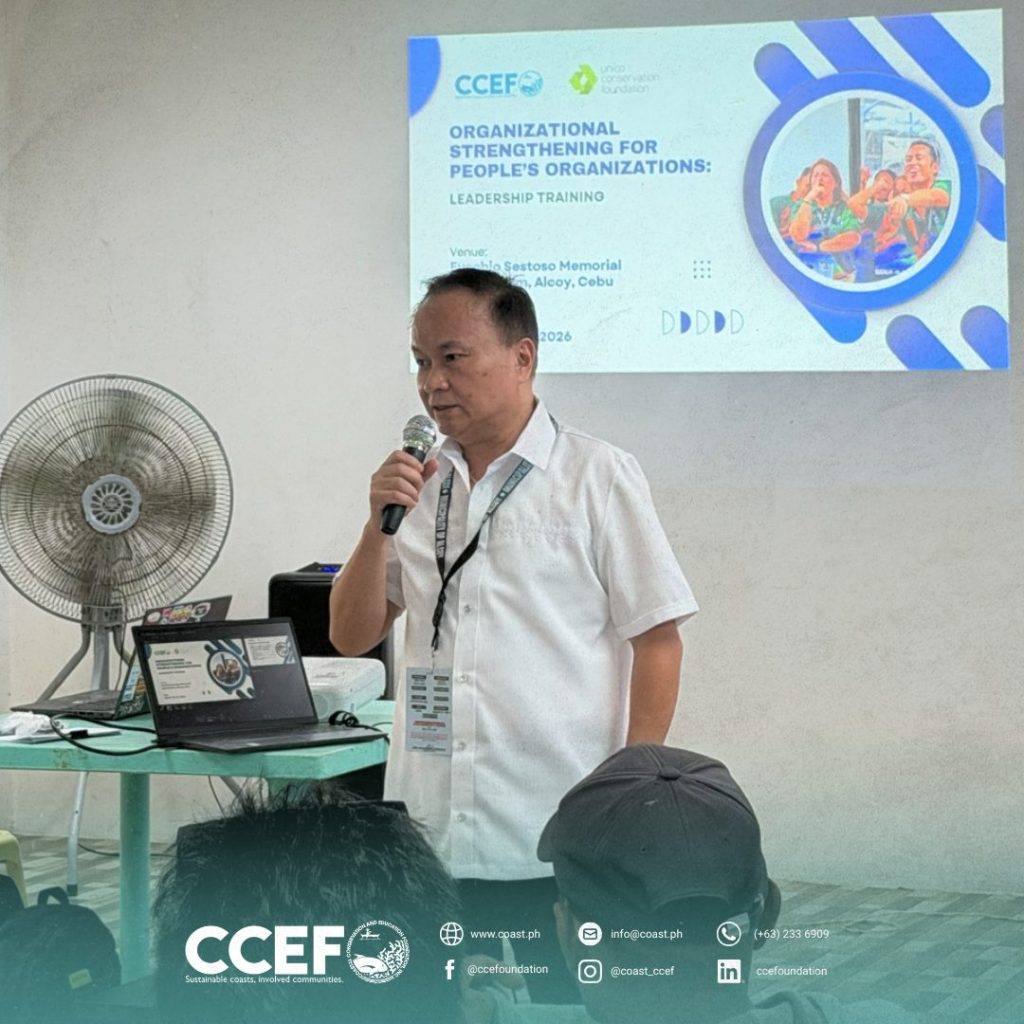
For communities to thrive through eco‑tourism, organizations must first be strong within. This training was designed to capacitate members to become effective managers of sustainable eco‑tourism livelihoods in their municipalities, leaders who can balance conservation with community development.
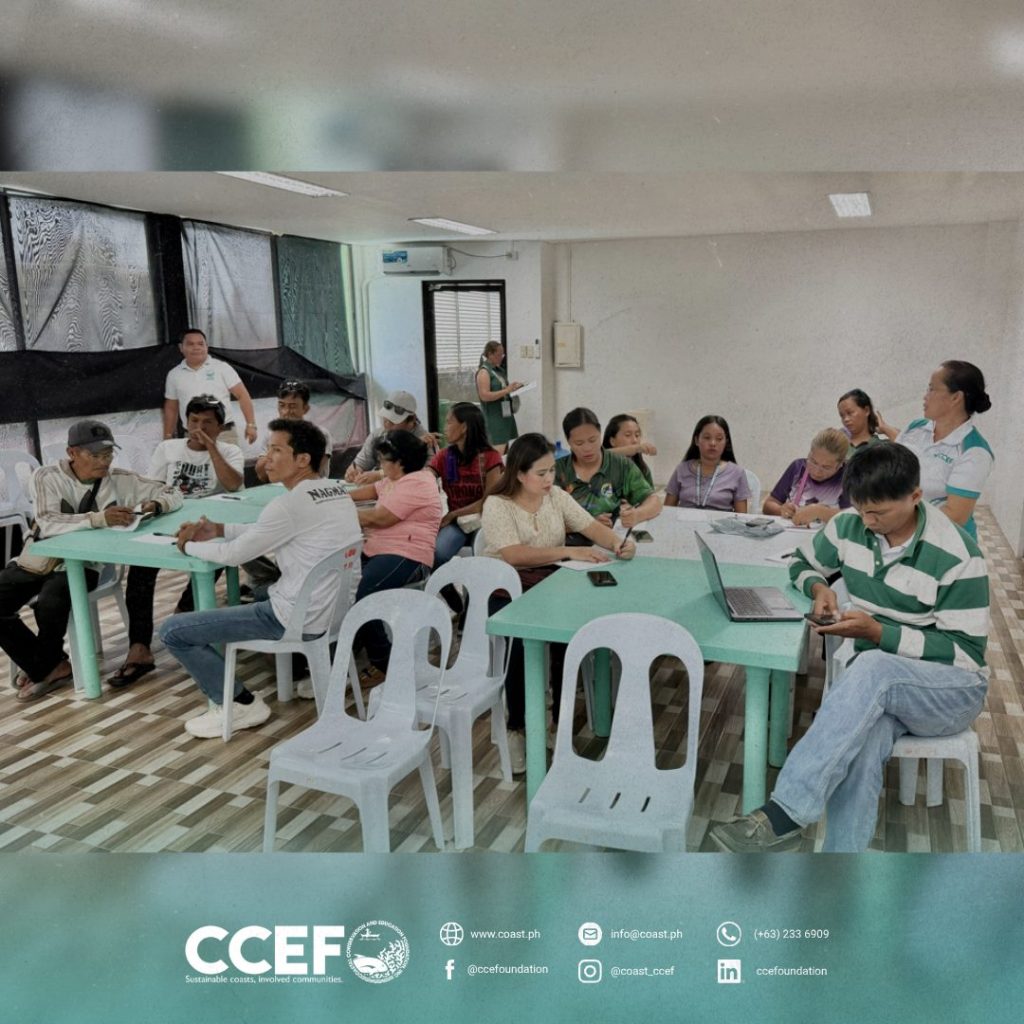
Through a Strengths, Weaknesses, Opportunities, Threats (SWOT) analysis, participants took a hard look at their current capacities, identifying strengths to build on, weaknesses to address, opportunities to seize, and threats to prepare for. This exercise was not just technical, it was deeply personal. It allowed members to reflect on their journey as organizations, their shared challenges, and the aspirations they hold for their communities.
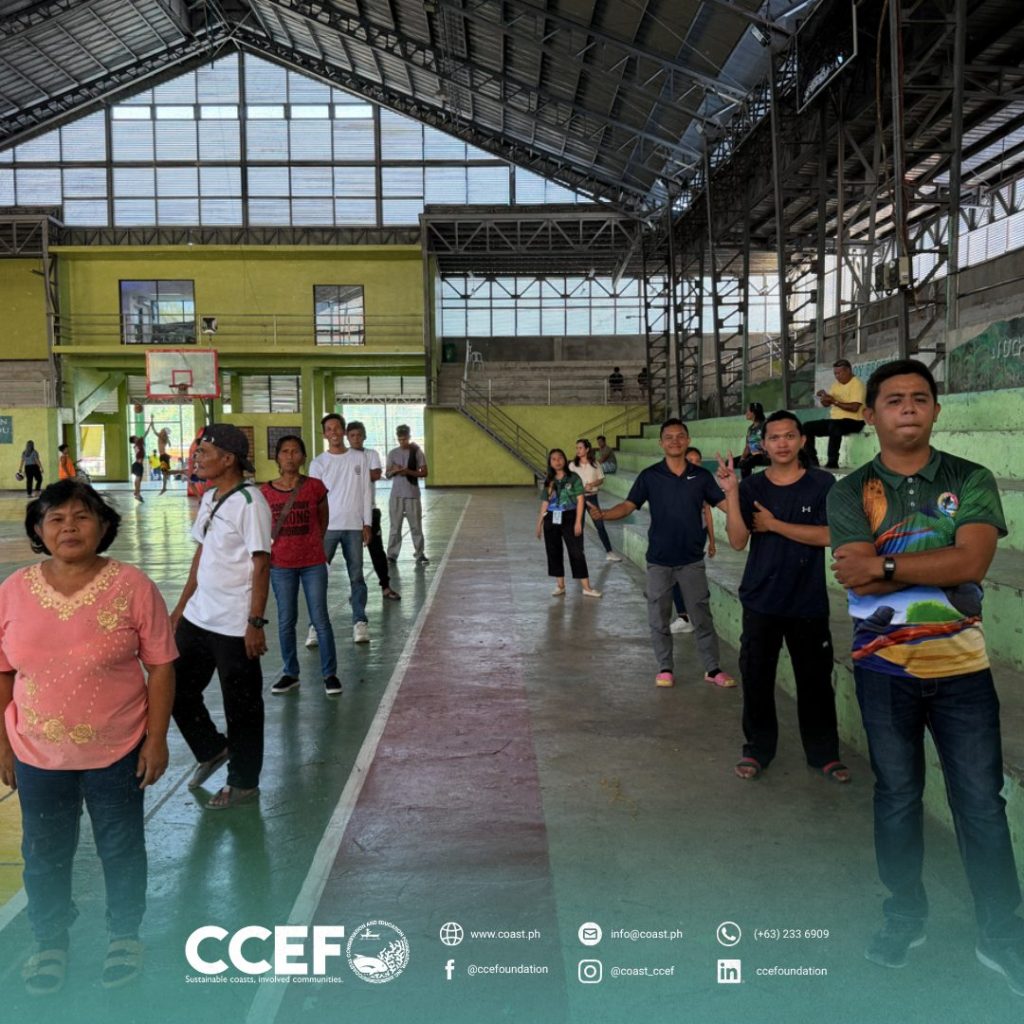
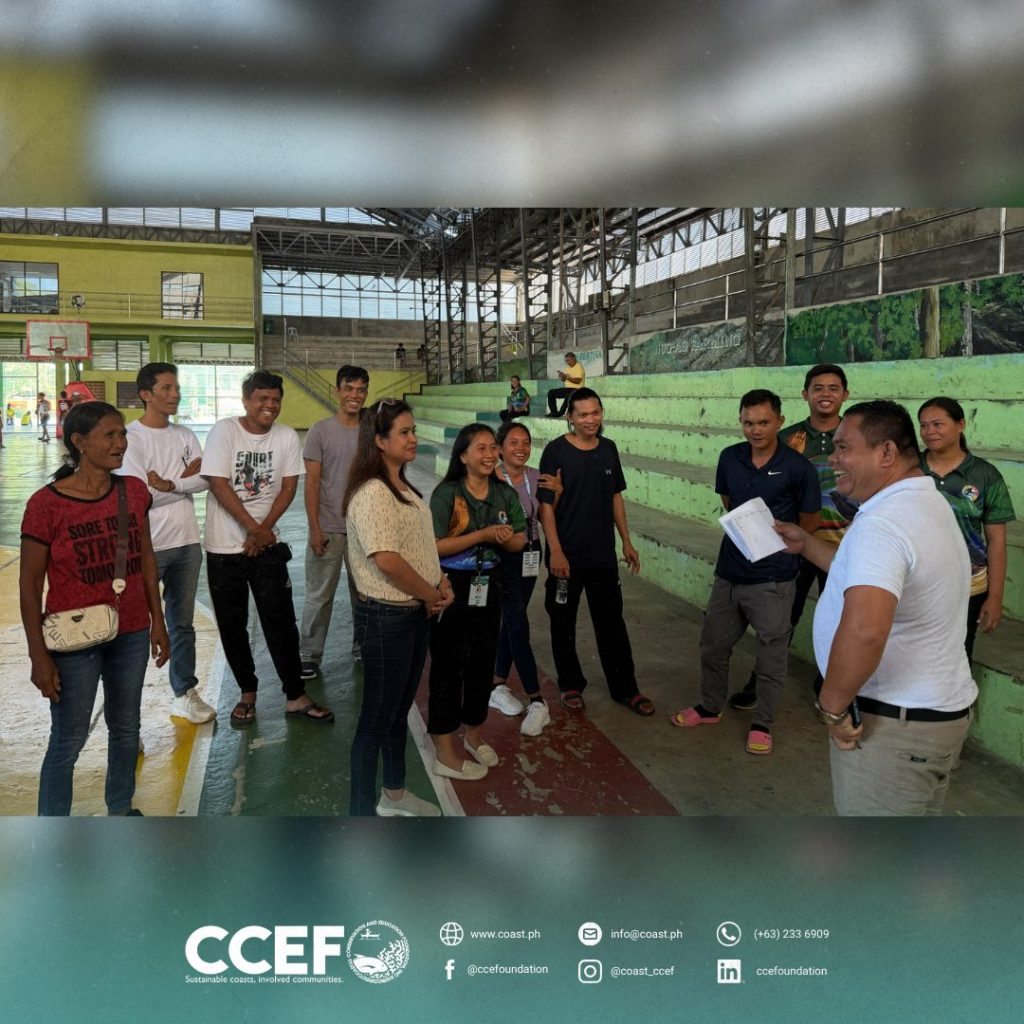
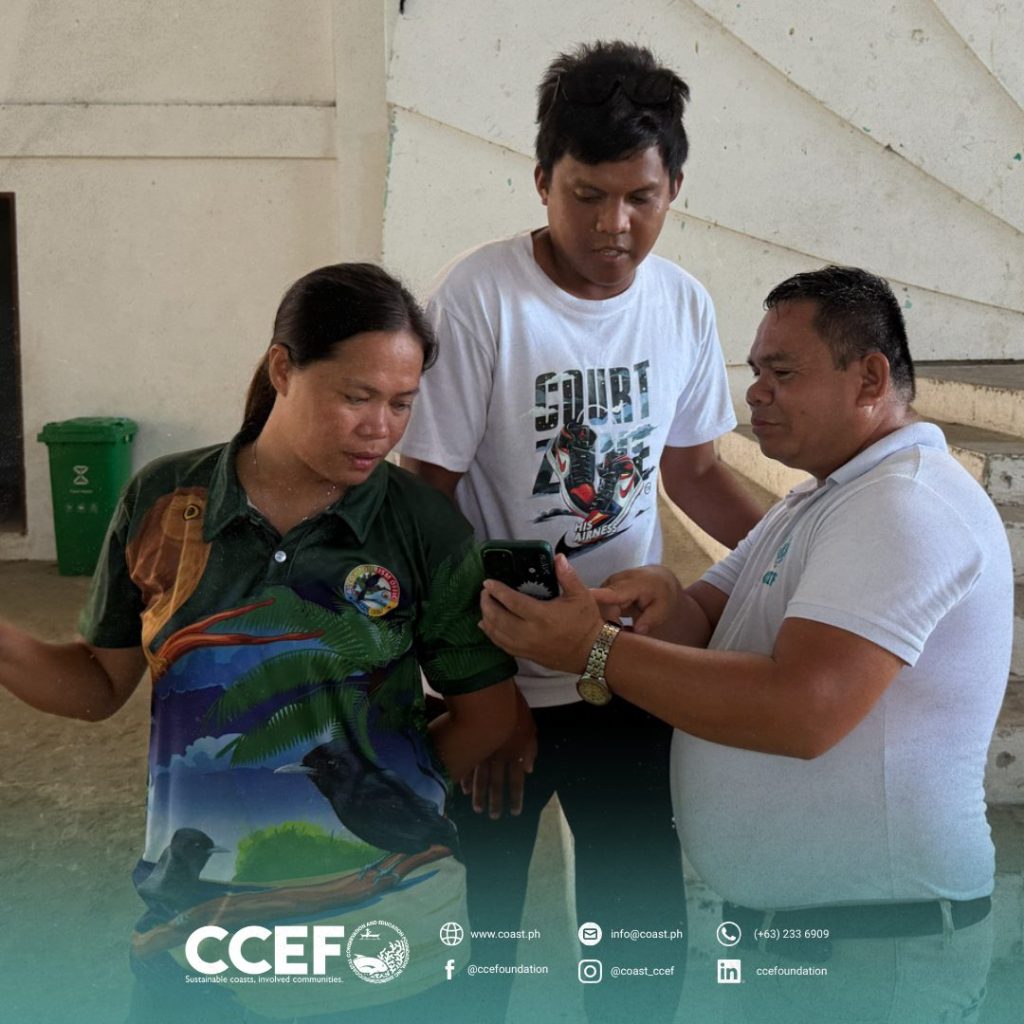
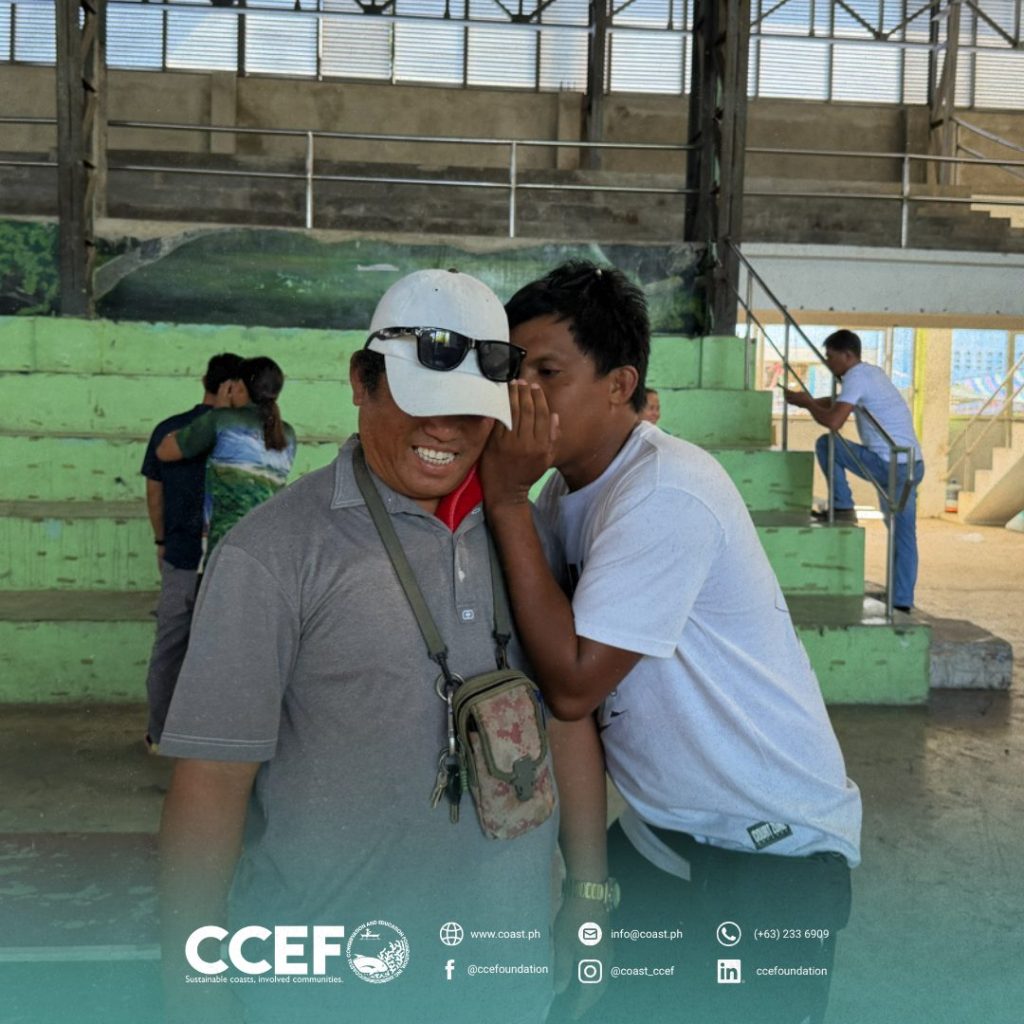
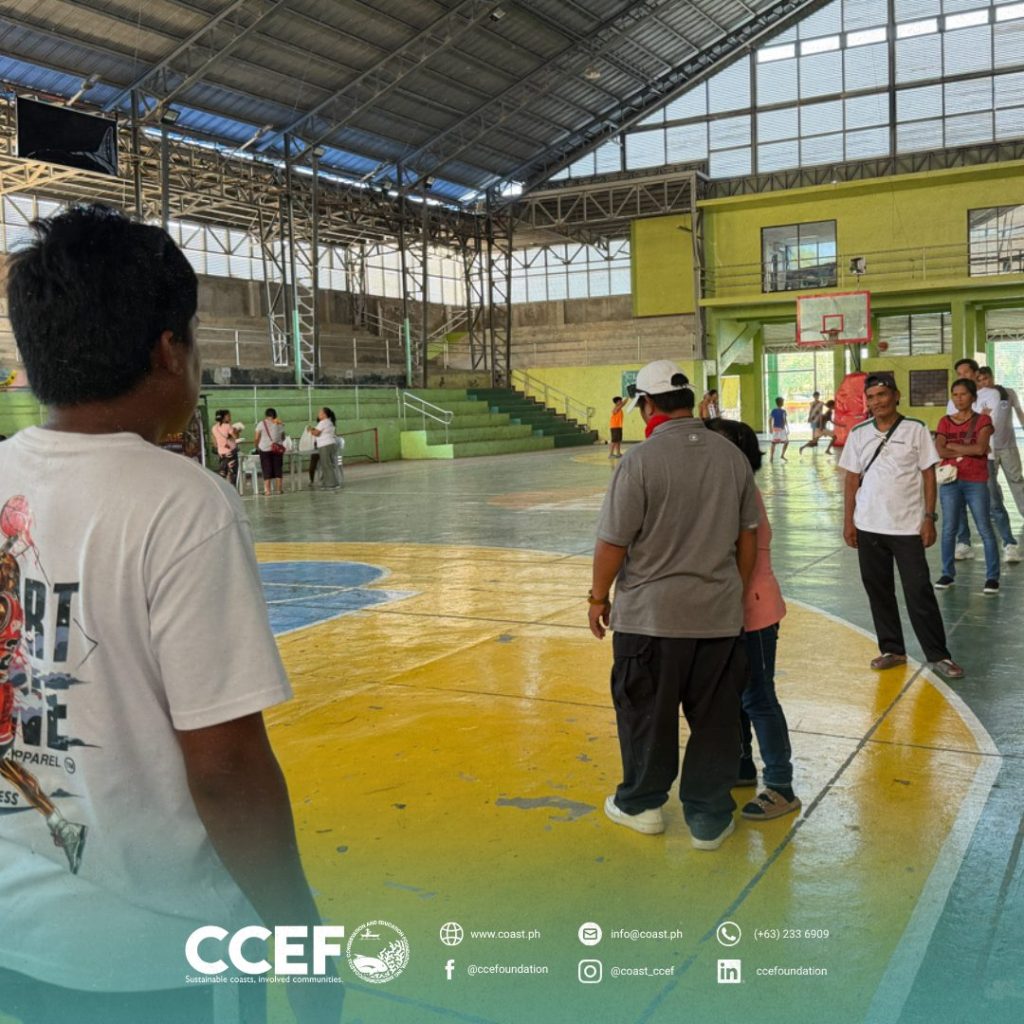
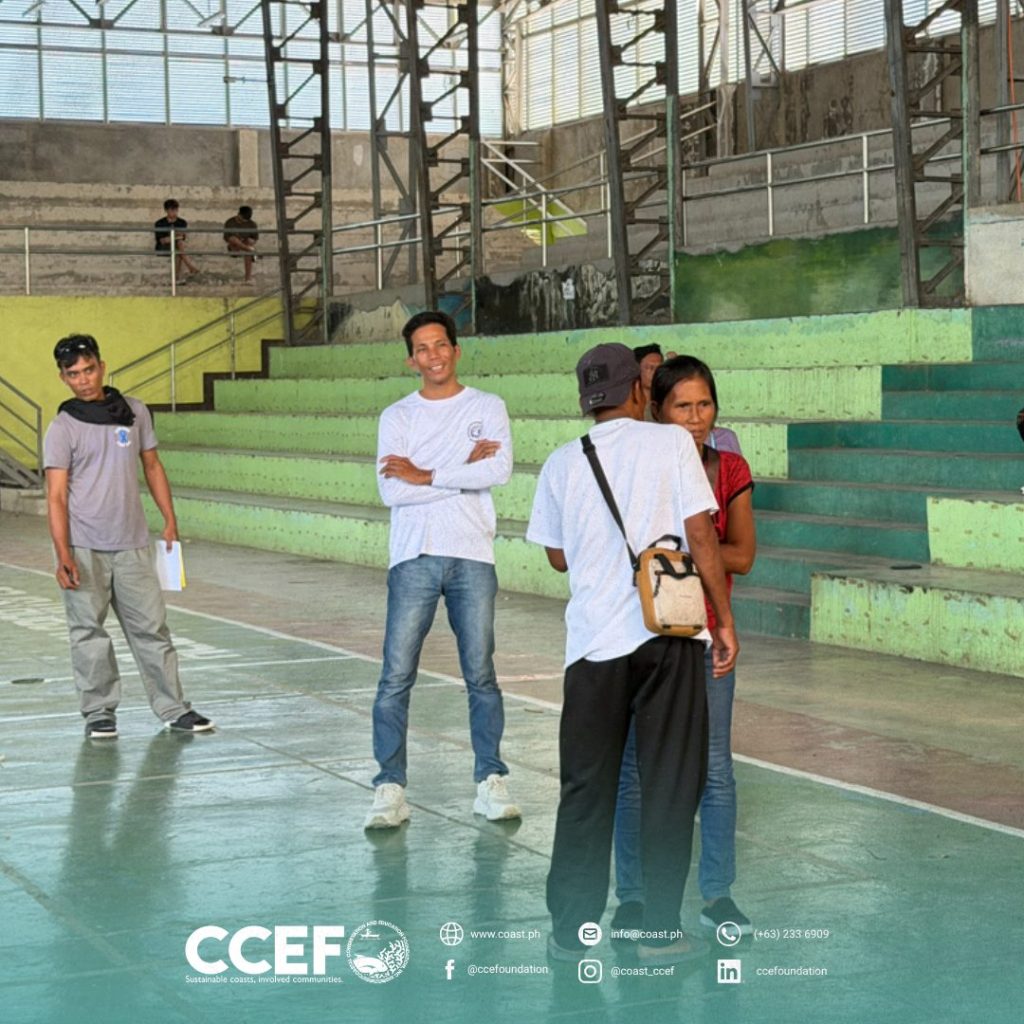
People’s Organizations are more than structures; they are made up of individuals who carry the hopes of their neighbors and the responsibility of protecting shared resources. Strengthening them means empowering fisherfolk, eco‑tourism workers, and community leaders to stand united, make informed decisions, and act with confidence. It means giving them the tools to lead conservation efforts while guiding eco‑tourism as a sustainable livelihood pathway.
The training went beyond leadership basics, diving into areas that will shape the future of these organizations:
- Governance & Accountability — Participants learned how transparent leadership and financial management build trust. For communities, this means confidence that eco‑tourism revenues are managed responsibly and reinvested for collective benefit.
- Community Engagement — Discussions highlighted the importance of involving fisherfolk, youth, and women. When more voices are heard, conservation becomes a shared mission, not just the task of a few.
- Conflict Resolution — Practical tools were introduced to help leaders resolve disputes and build consensus. This ensures unity even when challenges arise, keeping organizations focused on their goals.
- Strategic Planning — By translating SWOT insights into actionable strategies, participants began charting a roadmap for eco‑tourism that is both sustainable and resilient.
- Leadership Advocacy — Training leaders to be effective communicators and conservation champions means they can inspire others, represent their organizations in wider forums, and mobilize support for marine protection.
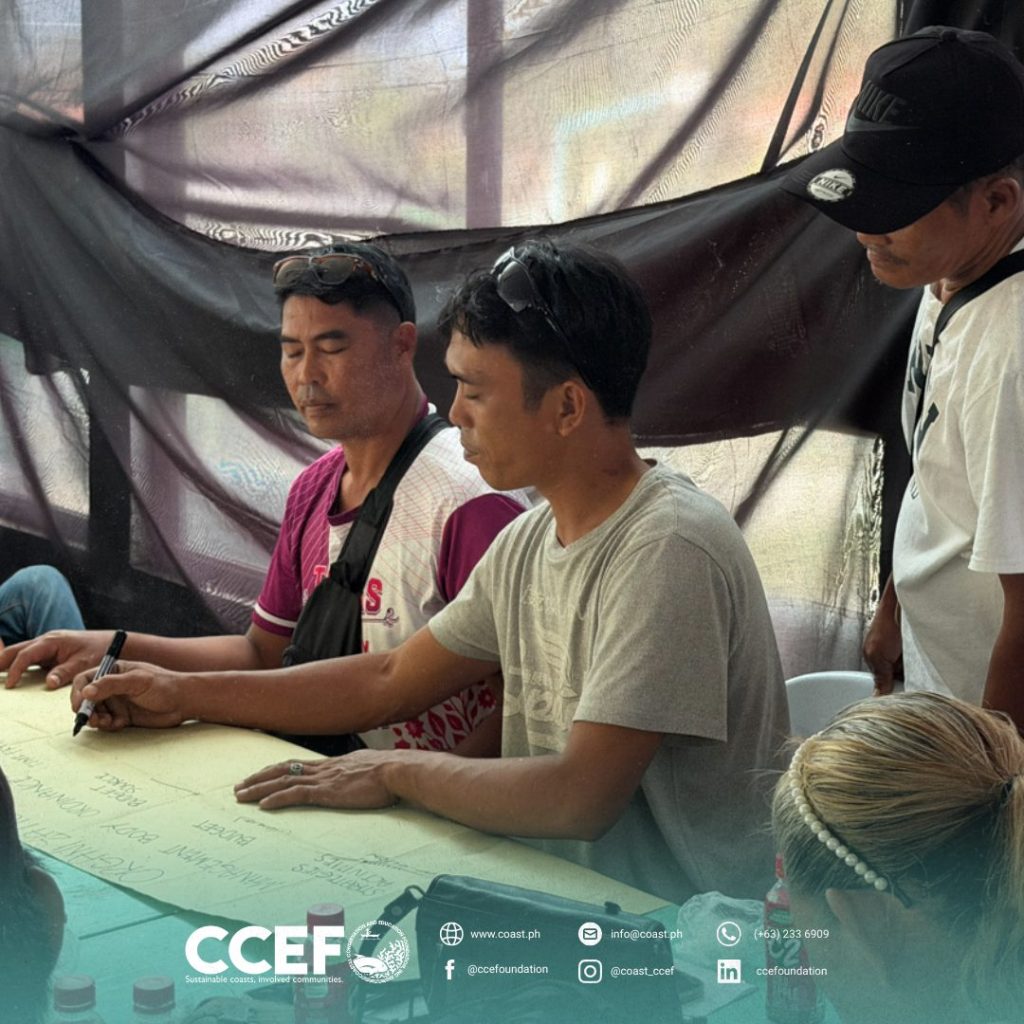
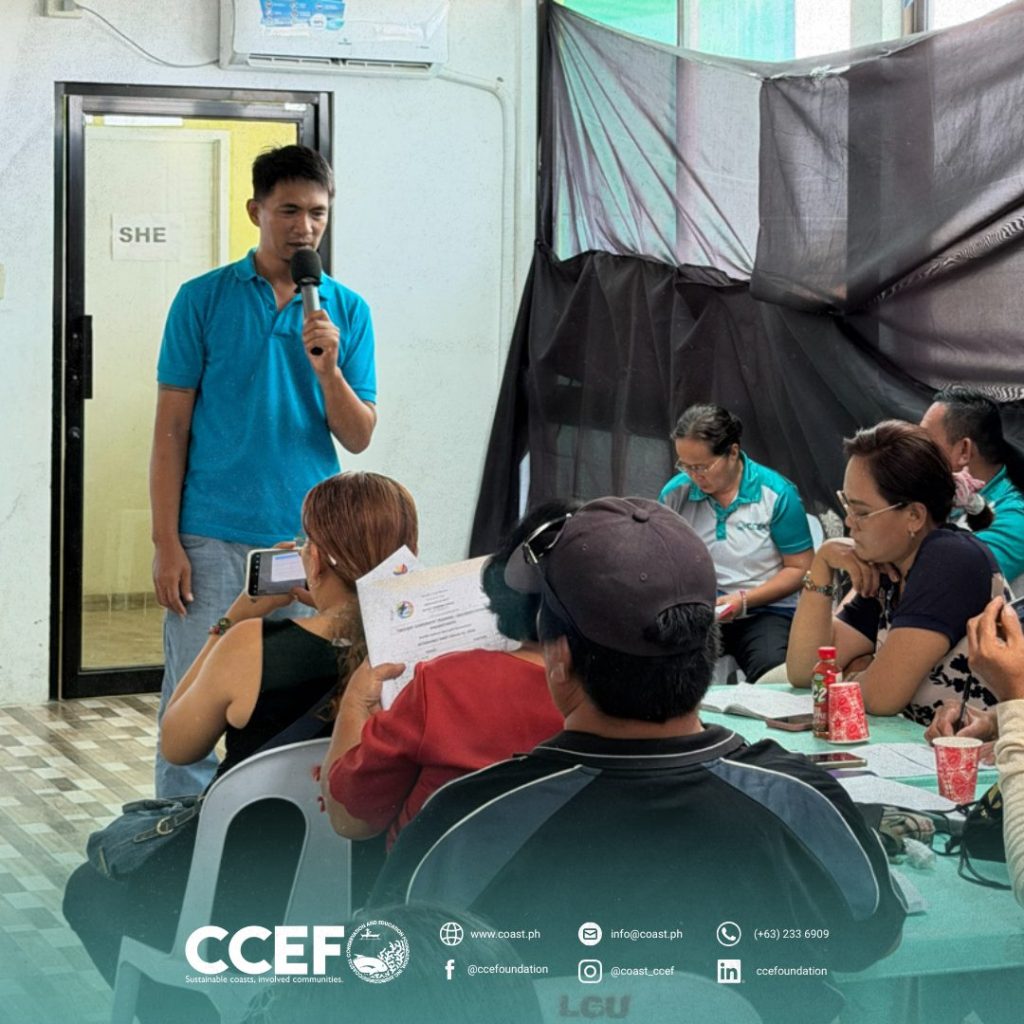
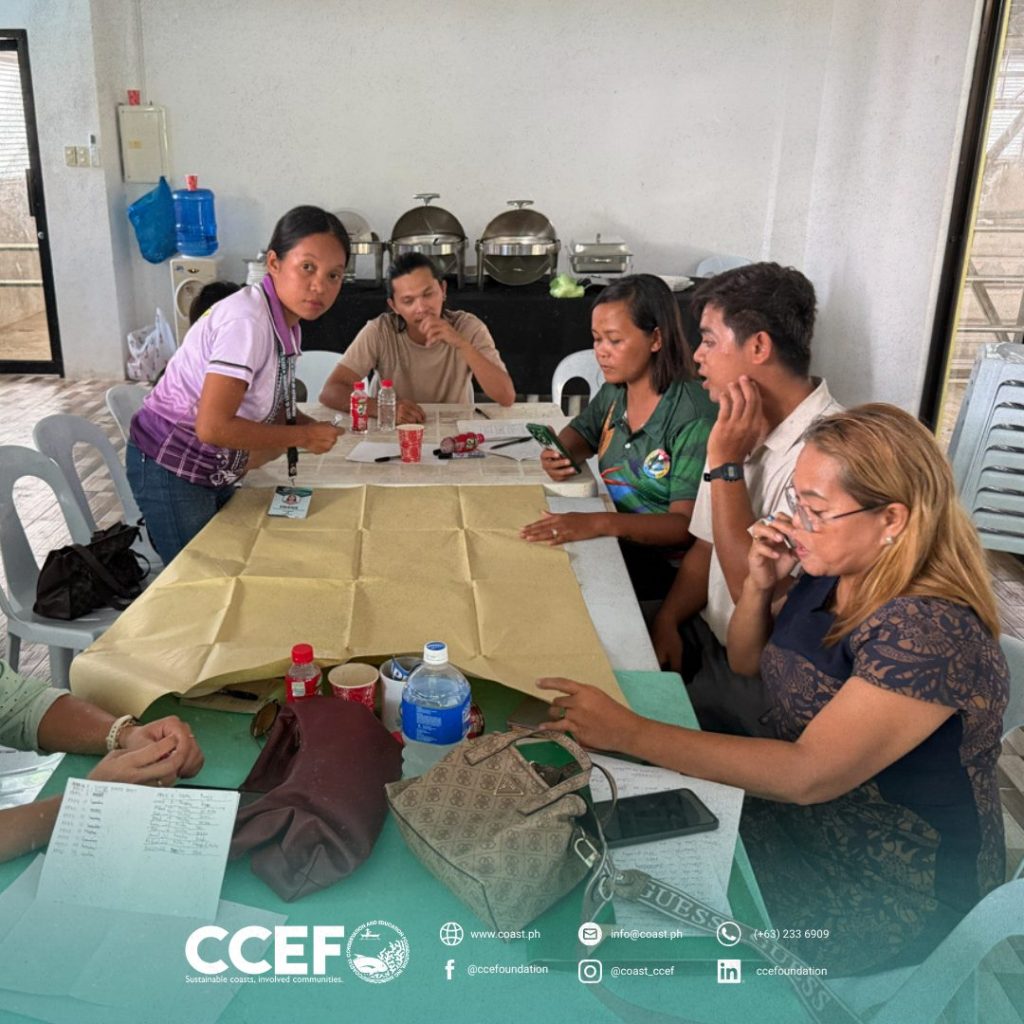
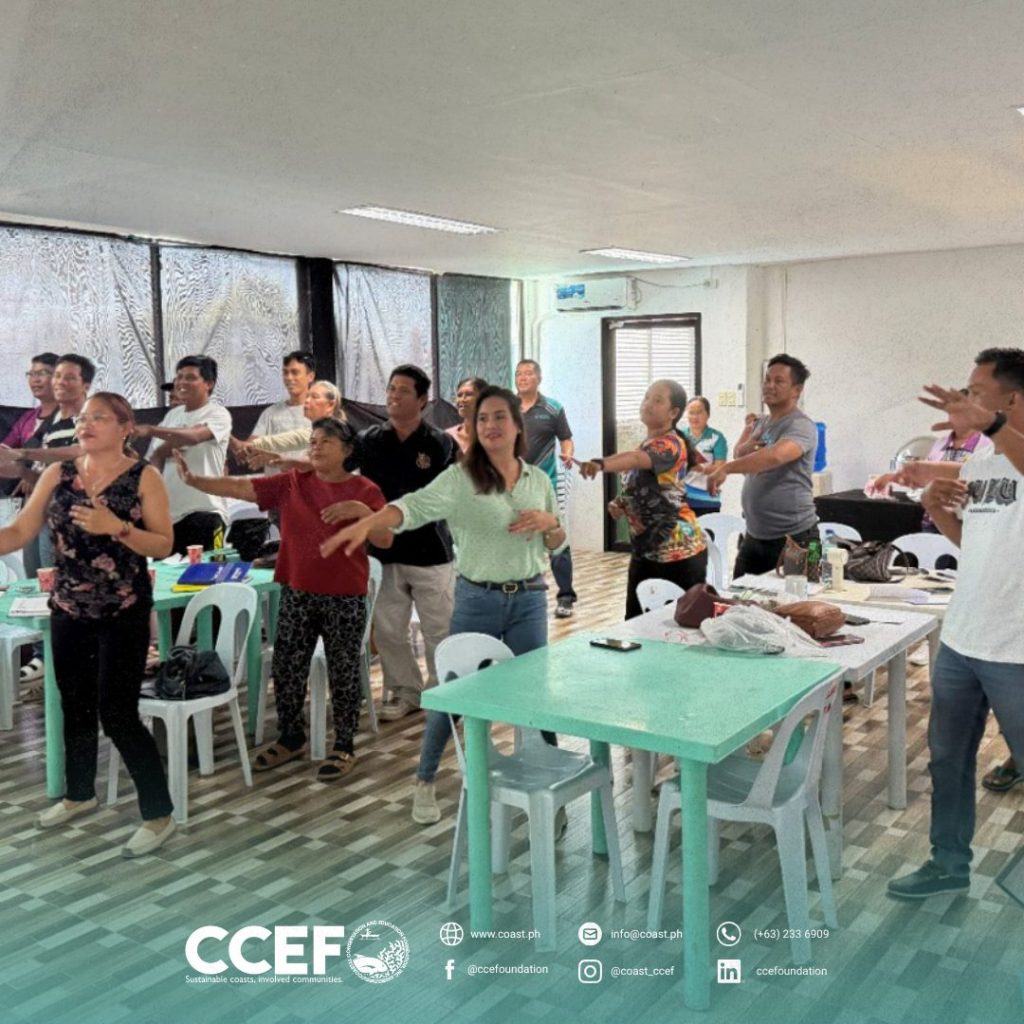
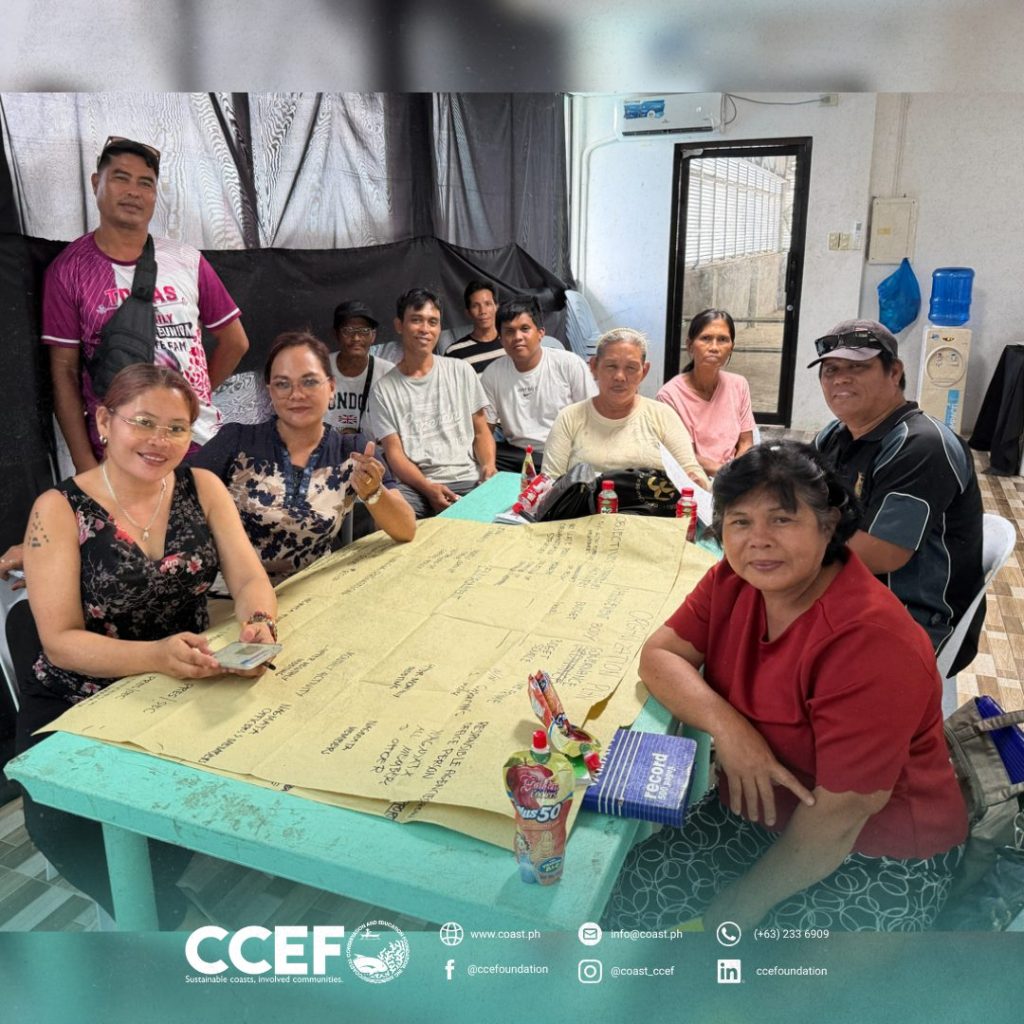
One of the most impactful outcomes was guiding participants in drafting their organizational plans. This step transformed discussions into concrete strategies, helping AEWA and NAGMATA set clear goals, define responsibilities, and align their objectives with conservation values. For members, it was a moment of ownership: putting pen to paper to chart the future of their organizations and the communities they serve. This initiative was not just about capacity; it was about people. It gave AEWA and NAGMATA members the confidence to lead, the clarity to set goals, and the resilience to face challenges.
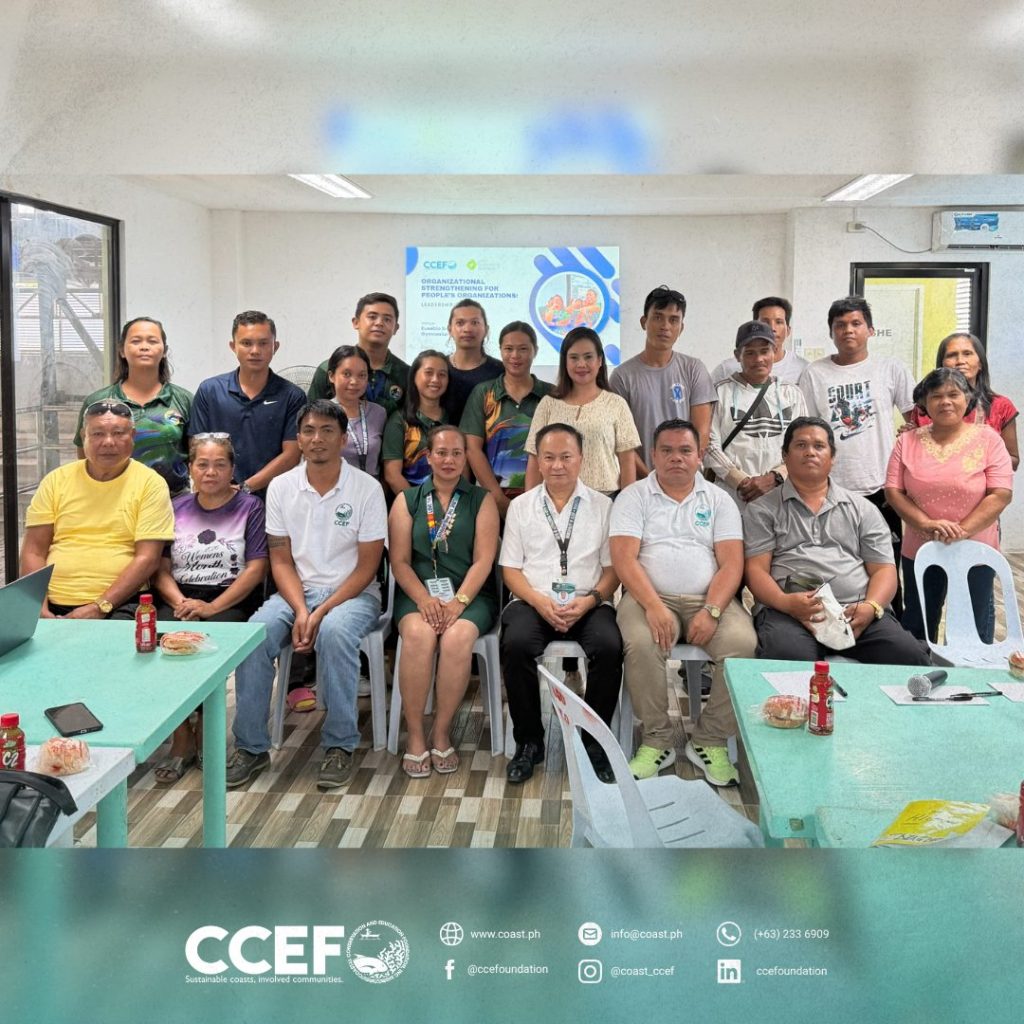
Stronger organizations are not only able to unite their members but also to manage eco‑tourism effectively. When eco‑tourism is managed well, it becomes more than a livelihood, it becomes a tool for sustainable conservation of coastal ecosystems. By aligning organizational strength with conservation values, these People’s Organizations can safeguard marine resources while ensuring that communities meet their needs in ways that are both responsible and enduring.
The implications are profound: stronger organizations mean stronger communities, stronger communities mean healthier coasts, and healthier coasts mean a more sustainable future for generations to come.