
Following the recent Mangrove Rehabilitation and Nursery Establishment Training, two partner coastal communities have now established their own community-managed mangrove nurseries, a milestone that connects conservation with livelihood and strengthens climate resilience.
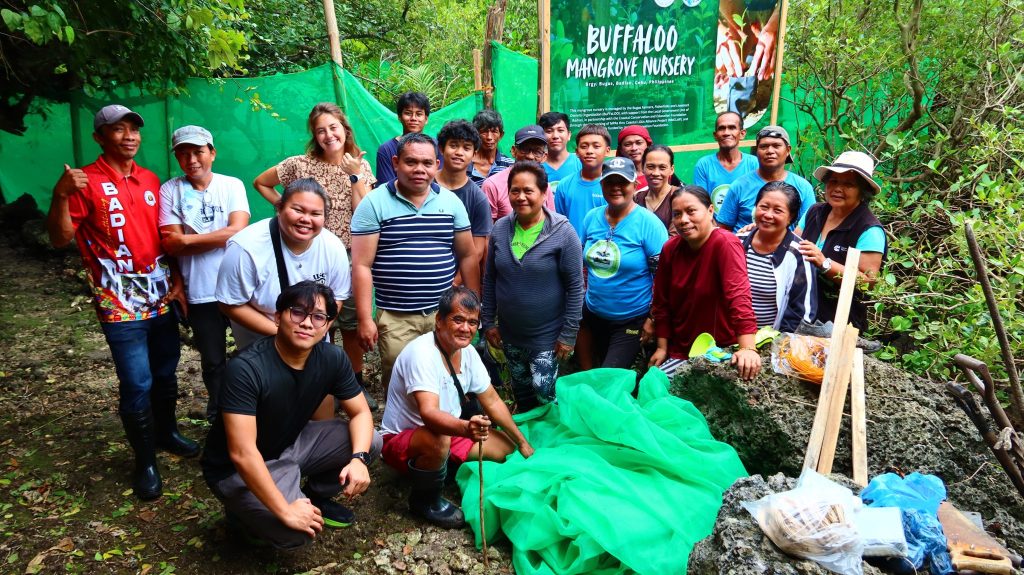
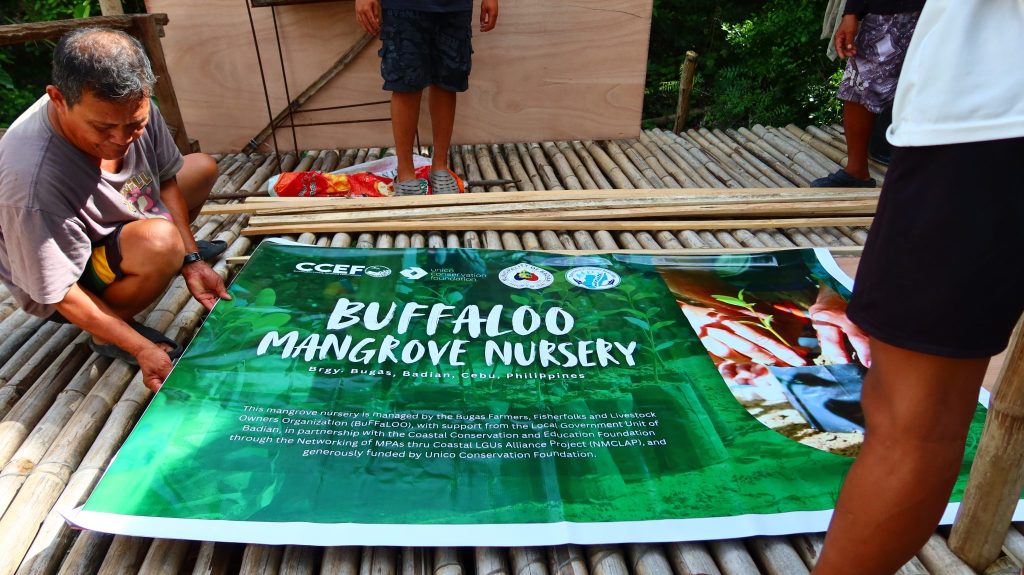
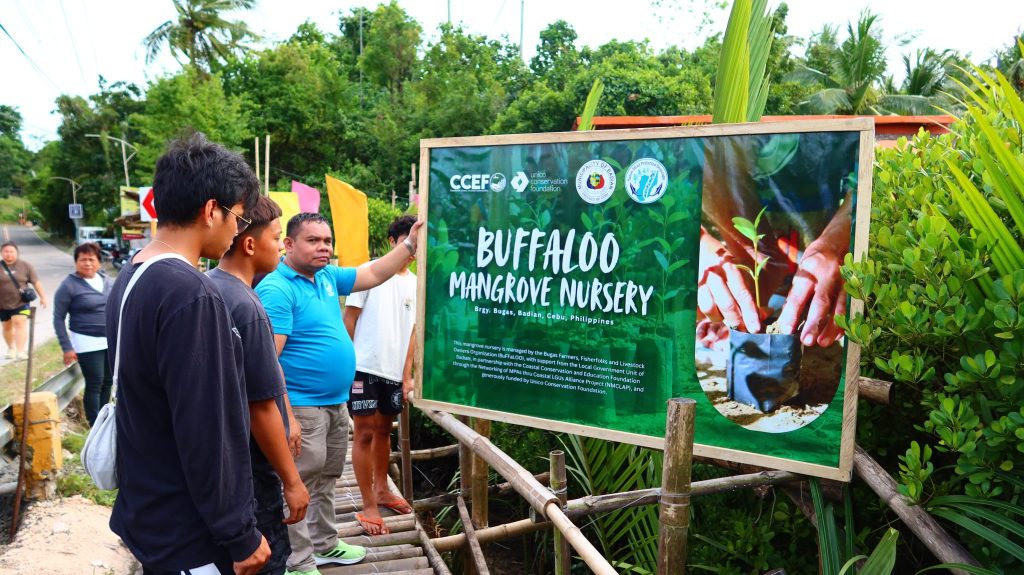
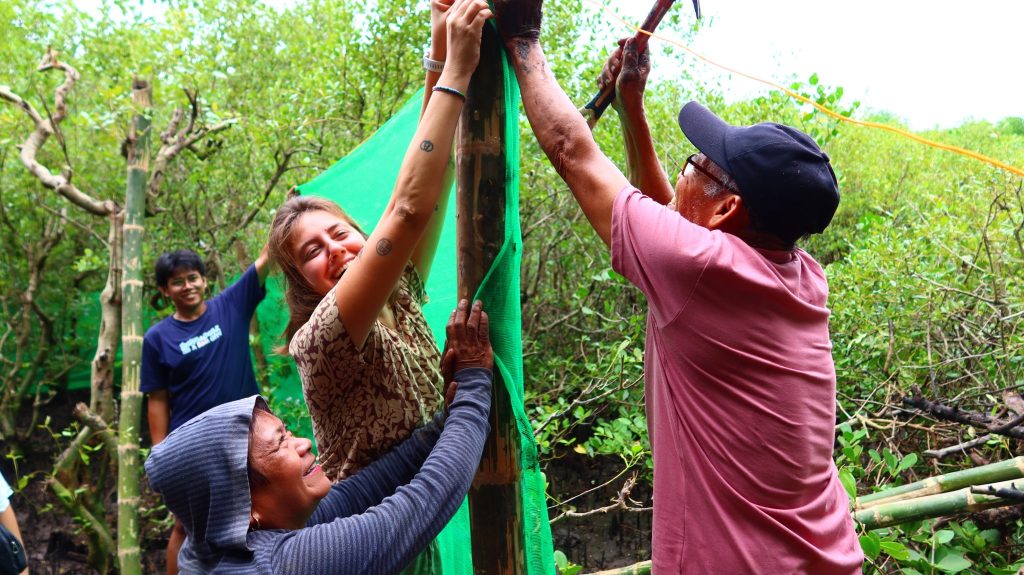
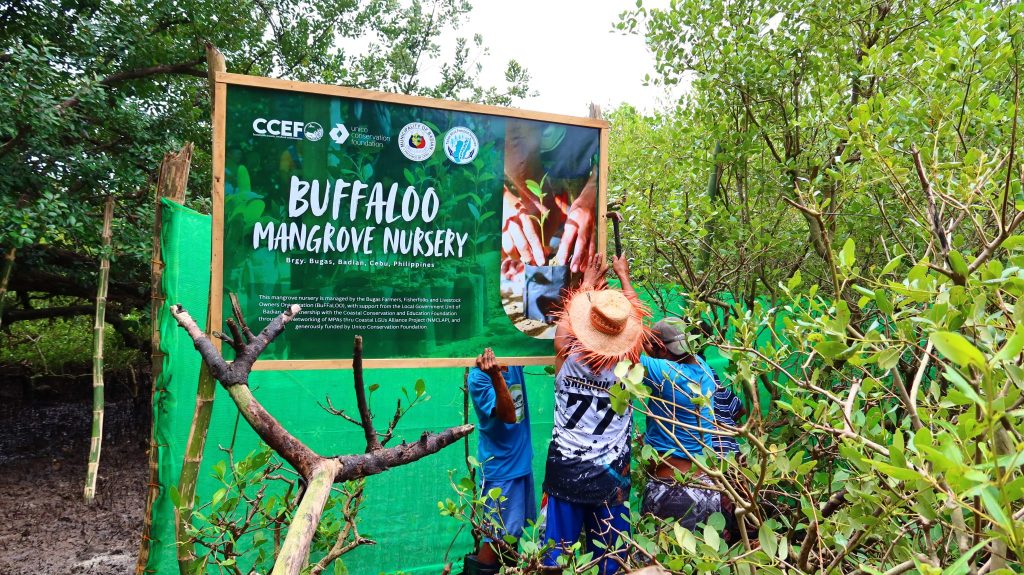
On February 13, 2026, the Bugas Farmers Fishermen and Livestock Owners Organization (BUFFALOO) in Brgy. Bugas, Badian, Cebu established a mangrove nursery covering 10 m², with an initial stock of 3,707 seedlings. Species planted include Avicennia marina (bungalon), Ceriops decandra (baras-baras), Excoecaria agallocha (tungog), Aegiceras sp. (saging-saging), and Rhizophora spp. (bakhaw). The nursery has the capacity to produce 10,000 seedlings annually, supporting both rehabilitation efforts and BUFFALOO’s ecotourism package.
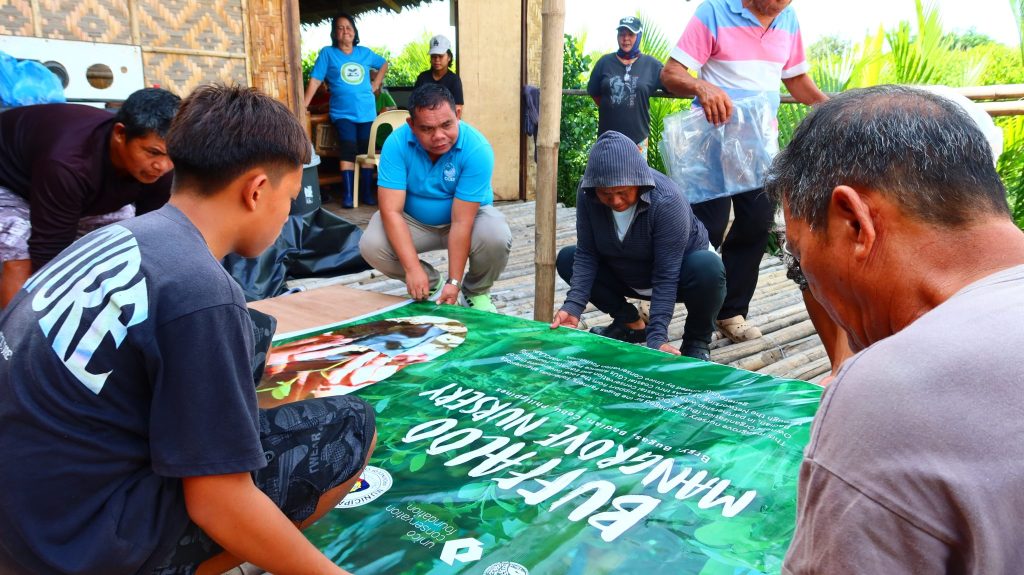
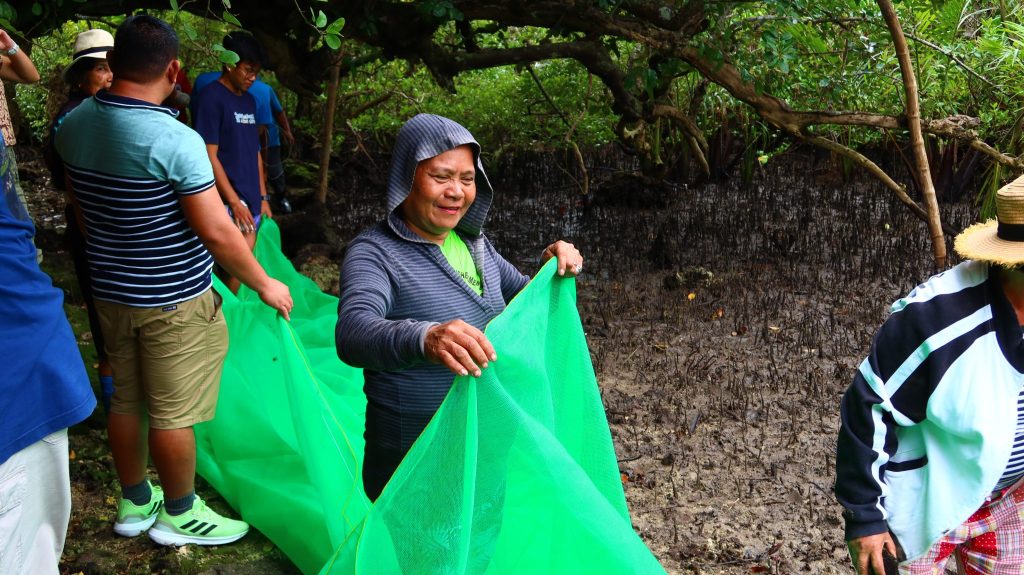
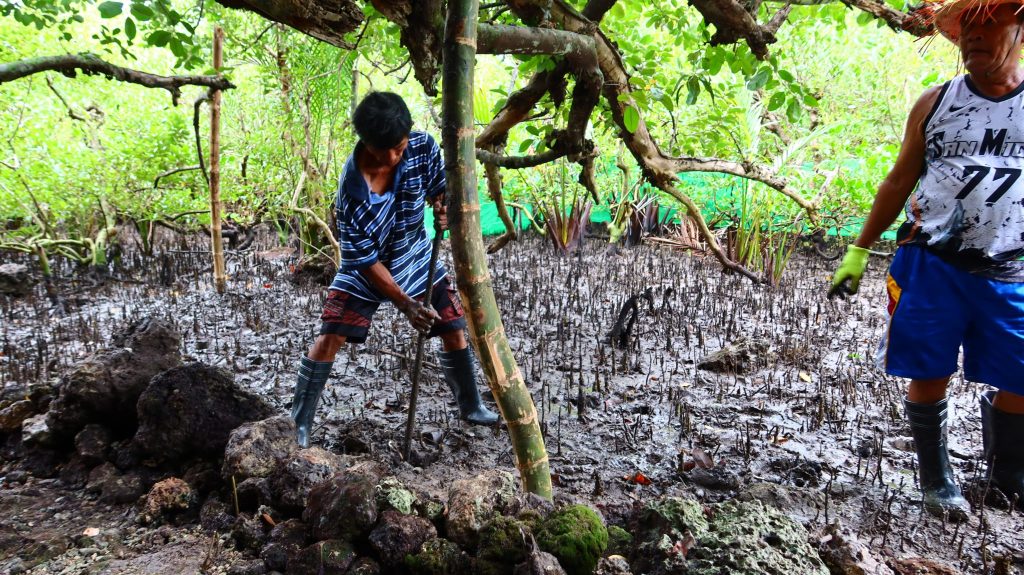
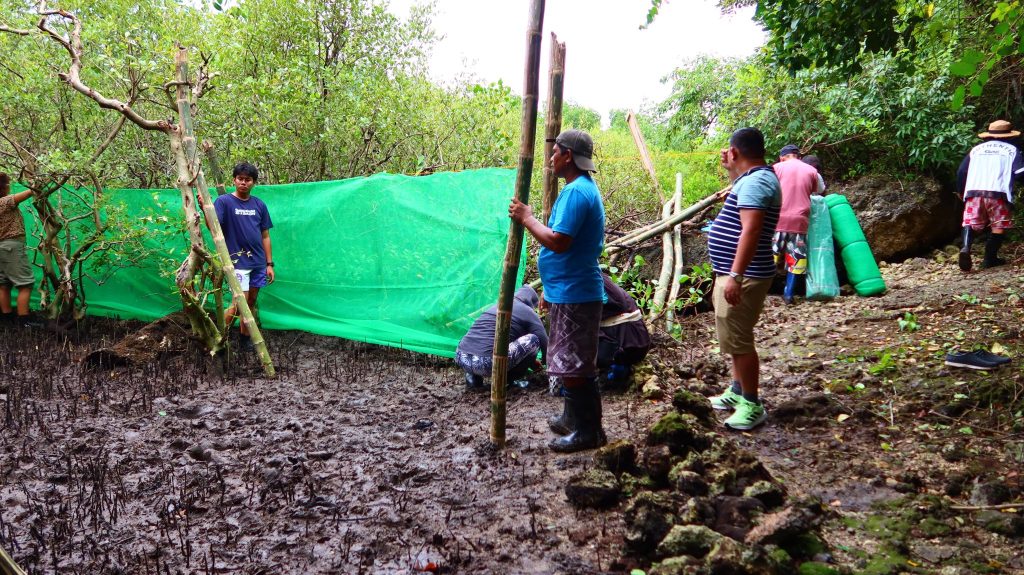
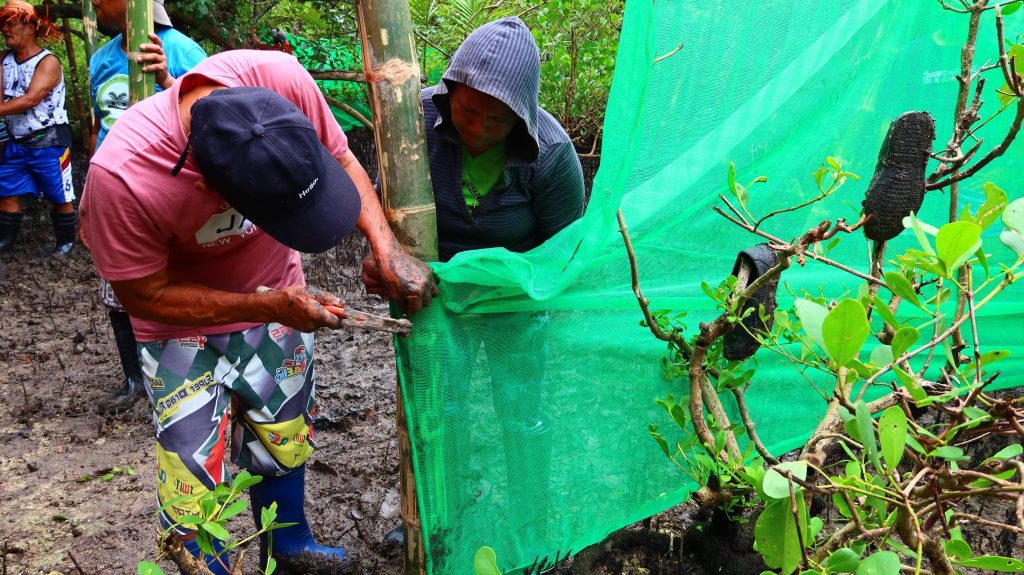
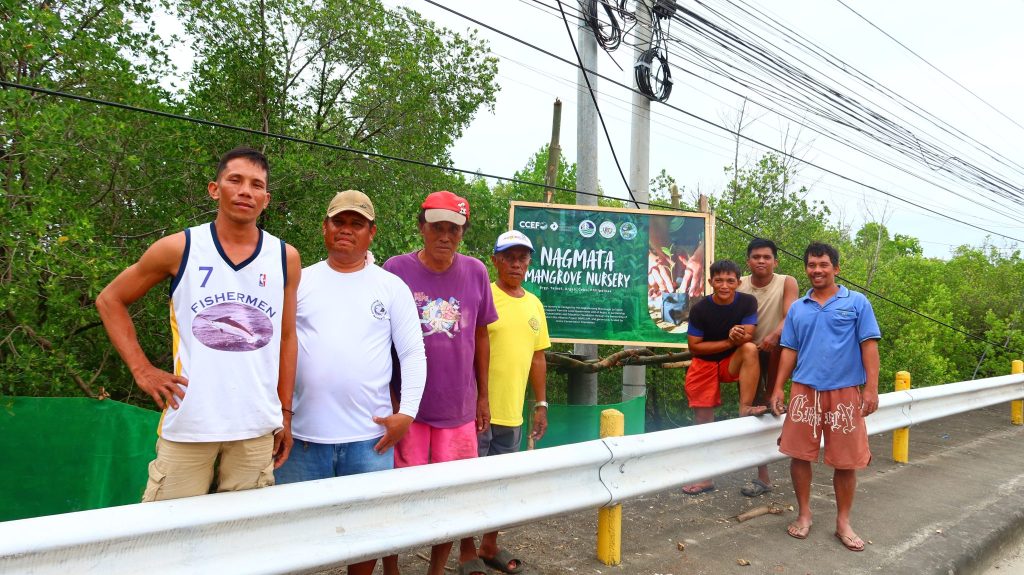
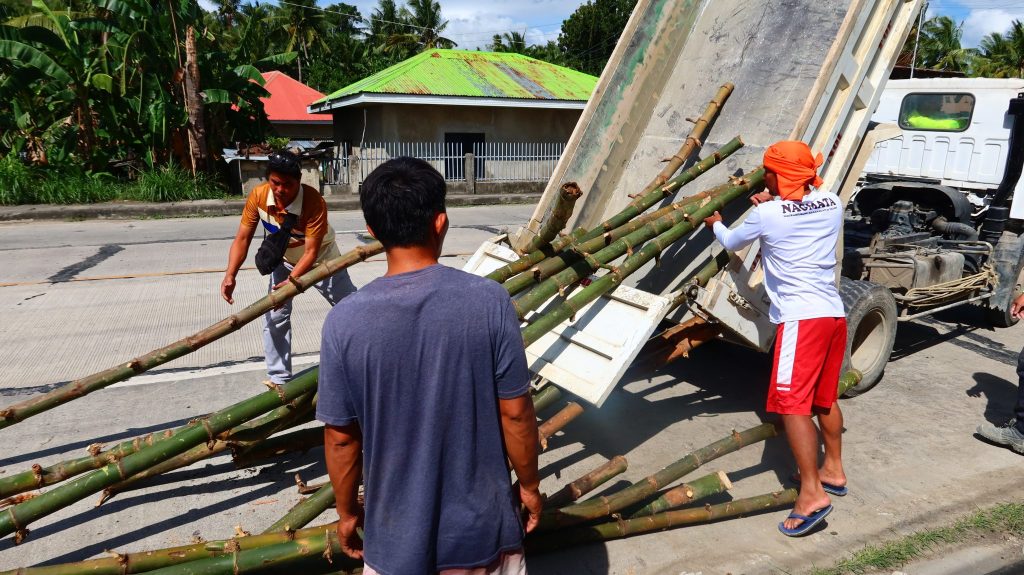
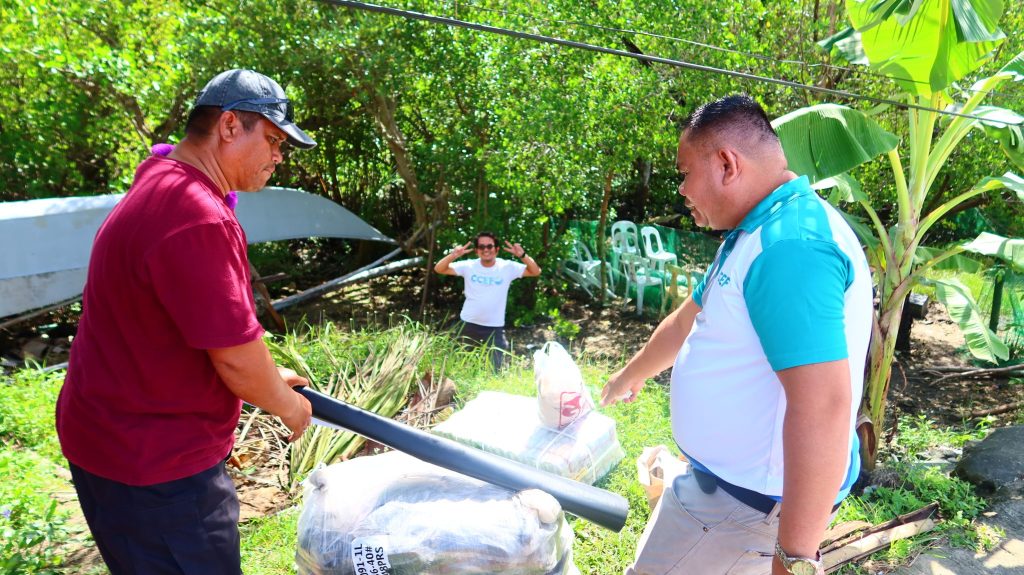
On February 18–19, 2026, the Nagkahiusang Mananagat sa Taloot (NAGMATA) in Brgy. Taloot, Argao, Cebu established a larger nursery measuring 200 m², with an initial stock of 900 seedlings. Species planted include bungalon, culasi, tabigi, and bakhaw. This nursery also has the capacity to produce 10,000 seedlings annually, strengthening NAGMATA’s role in local conservation and community-based livelihood.
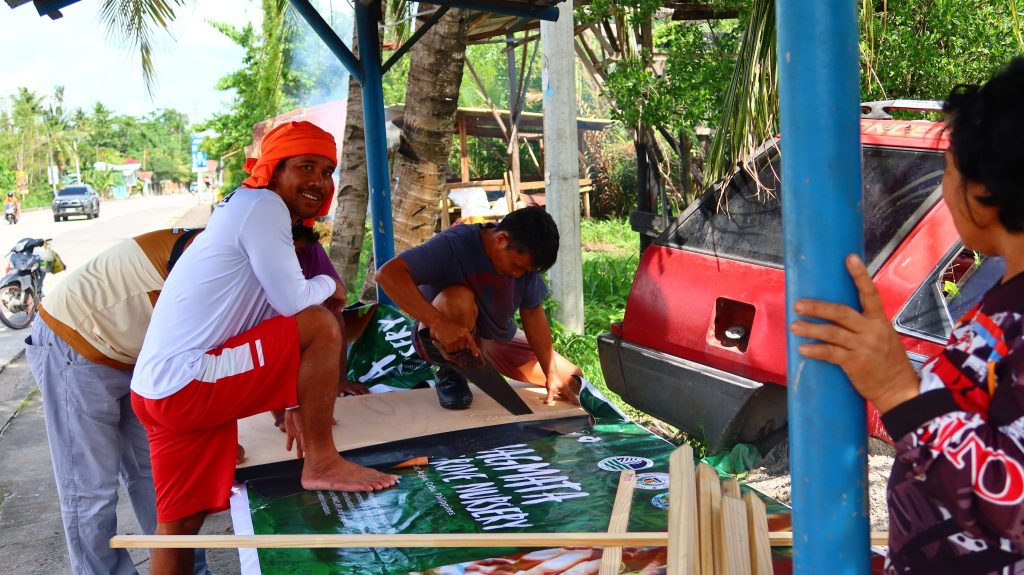
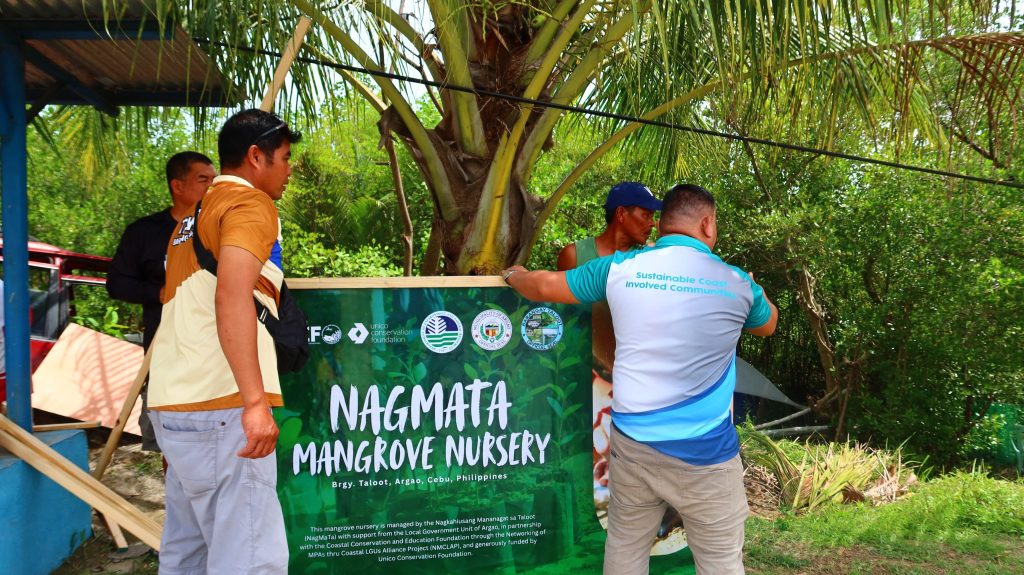
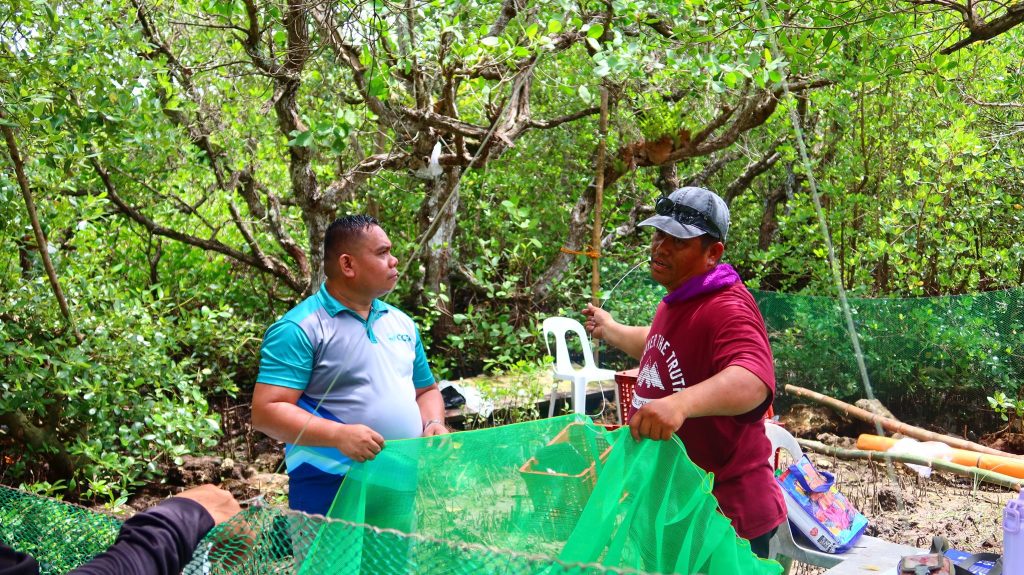
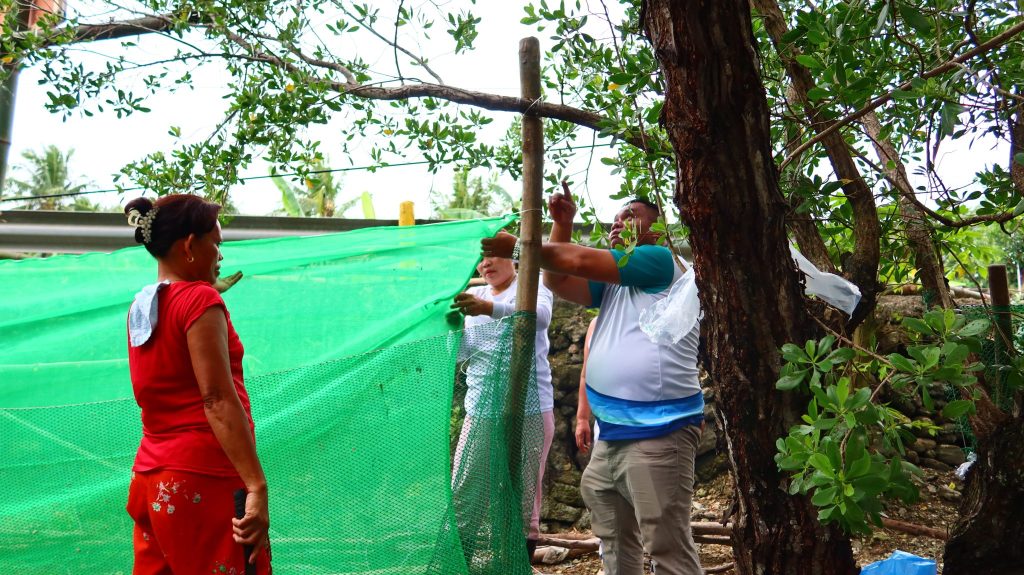
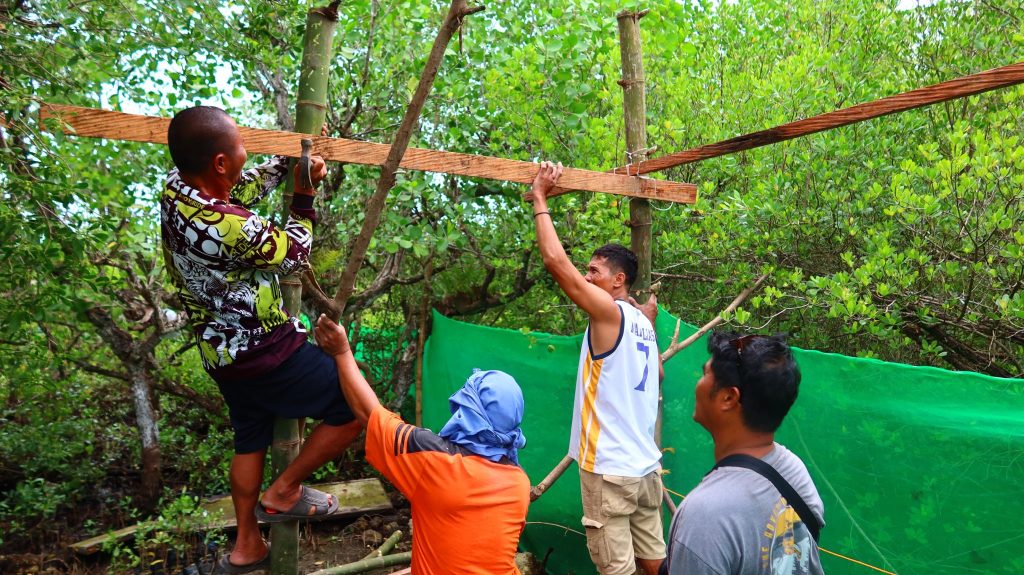
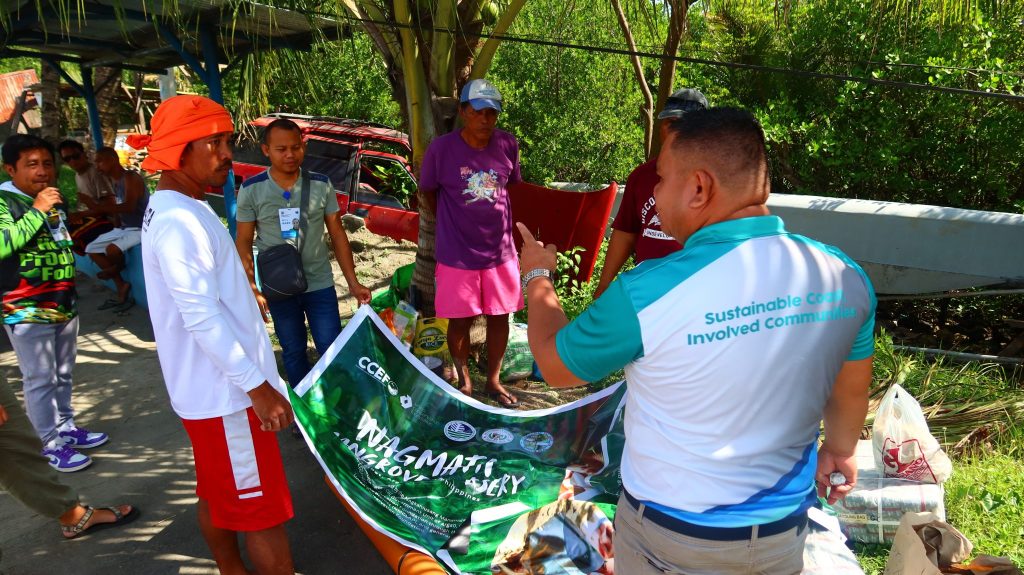
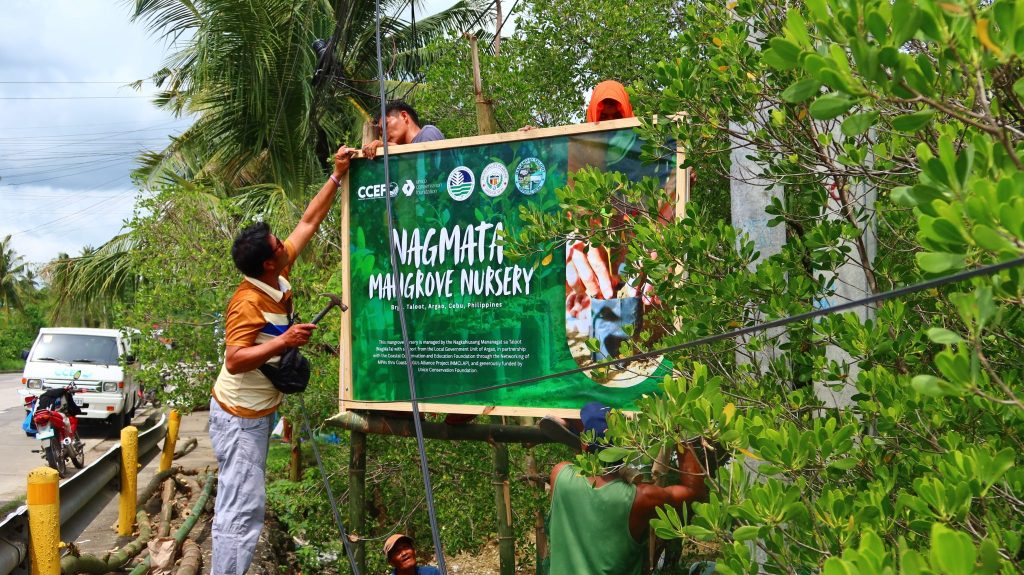
The establishment of these nurseries was guided by clear objectives: to create sustainable, community-managed facilities; to restore degraded coastal and intertidal areas; to enhance coastal protection and climate resilience; to promote responsible seedling production and outplanting; to conserve biodiversity and support fisheries; and to generate baseline data for future planning.
What makes these objectives significant is how they translate into lived realities for the communities. For BUFFALOO, the nursery is not just a technical achievement but an extension of their ecotourism identity, adding depth to their floating cottage tours and offering visitors a tangible connection to mangrove stewardship. For NAGMATA, the nursery represents both ecological responsibility and livelihood diversification, opening pathways for eco-guiding, seedling production, and community enterprises.
By meeting biophysical criteria (such as site suitability and substrate conditions) and socio-economic criteria (LGU buy-in, organizational readiness, and partner support), the nurseries are positioned to succeed not only ecologically but socially. The process itself strengthened collaboration between local government, people’s organizations, and partner institutions, ensuring that mangrove rehabilitation is rooted in community agency rather than external intervention.
At the heart of these nurseries are the commitments of BUFFALOO and NAGMATA. Their willingness to invest time, labor, and vision reflects a deep understanding that mangroves are more than trees, they are shields against storms, nurseries for fish, and symbols of resilience. CCEF’s role has been to provide technical guidance and capacity-building, but the ownership of these nurseries rests firmly with the communities who will nurture them day by day. This initiative is part of the Networking of MPAs thru Coastal LGUs Alliance Project (NMCLAP) and generously funded by the Unico Conservation Foundation.