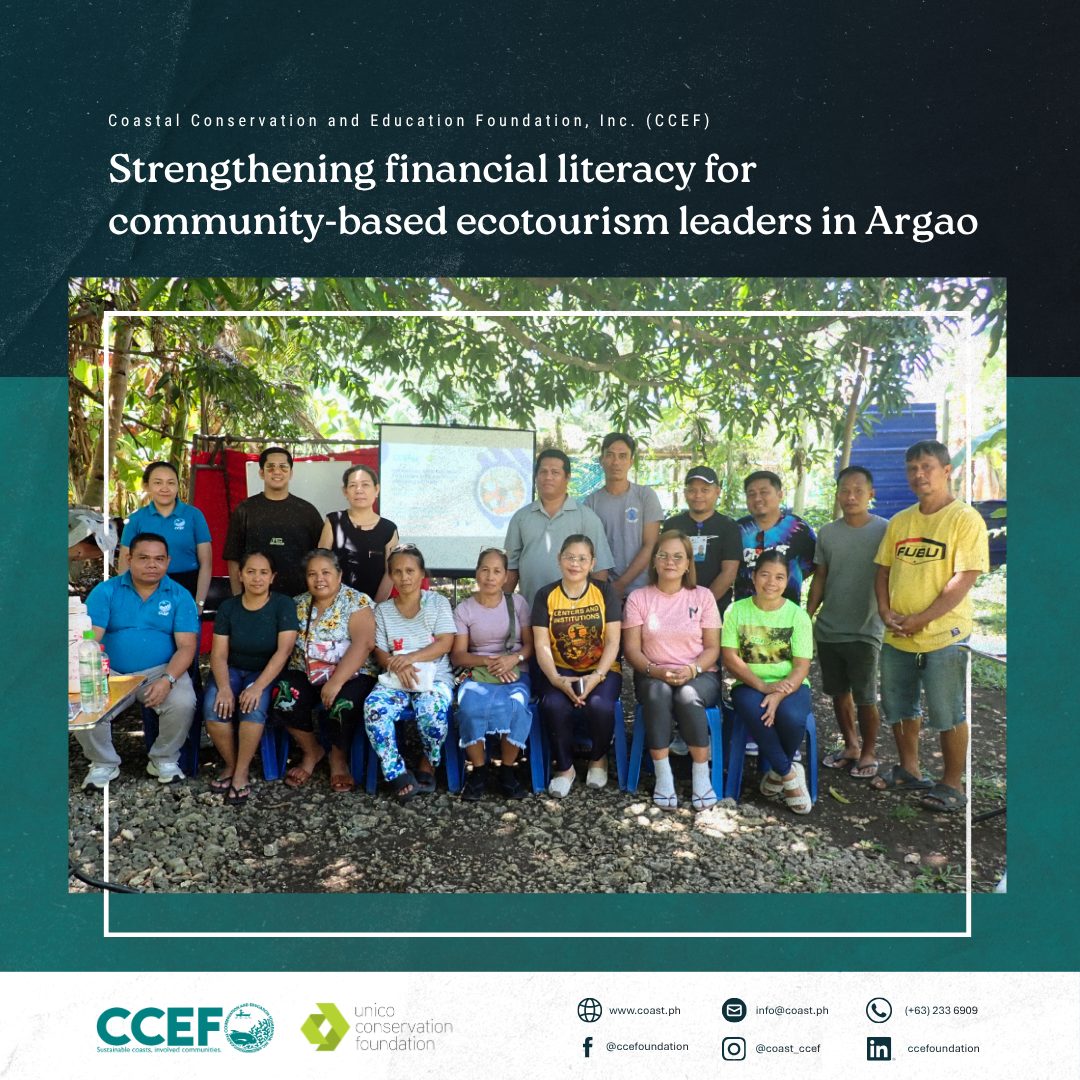
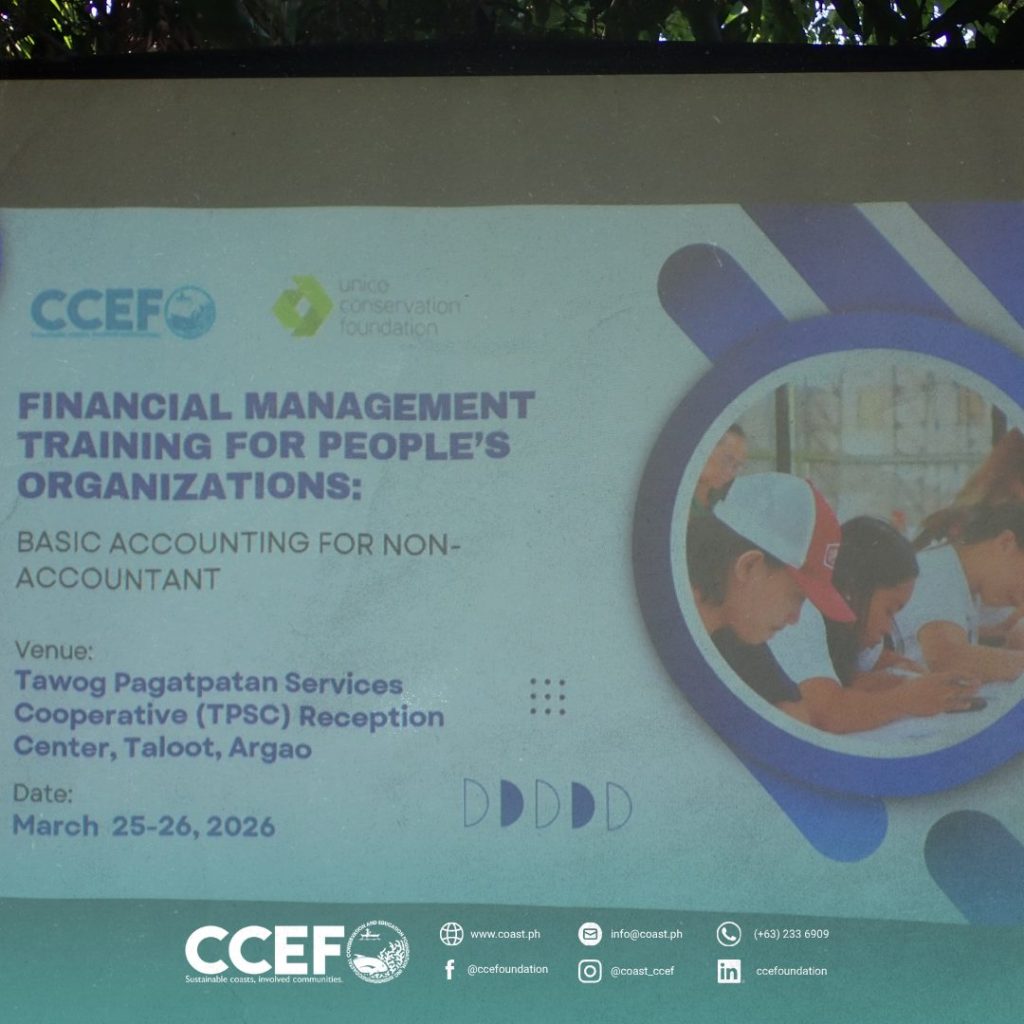
March 25–26, 2026 | Argao, Cebu
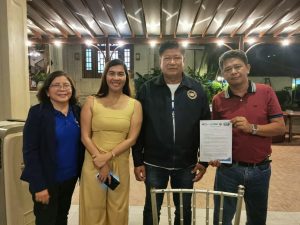
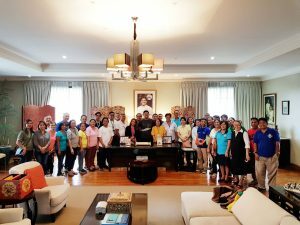
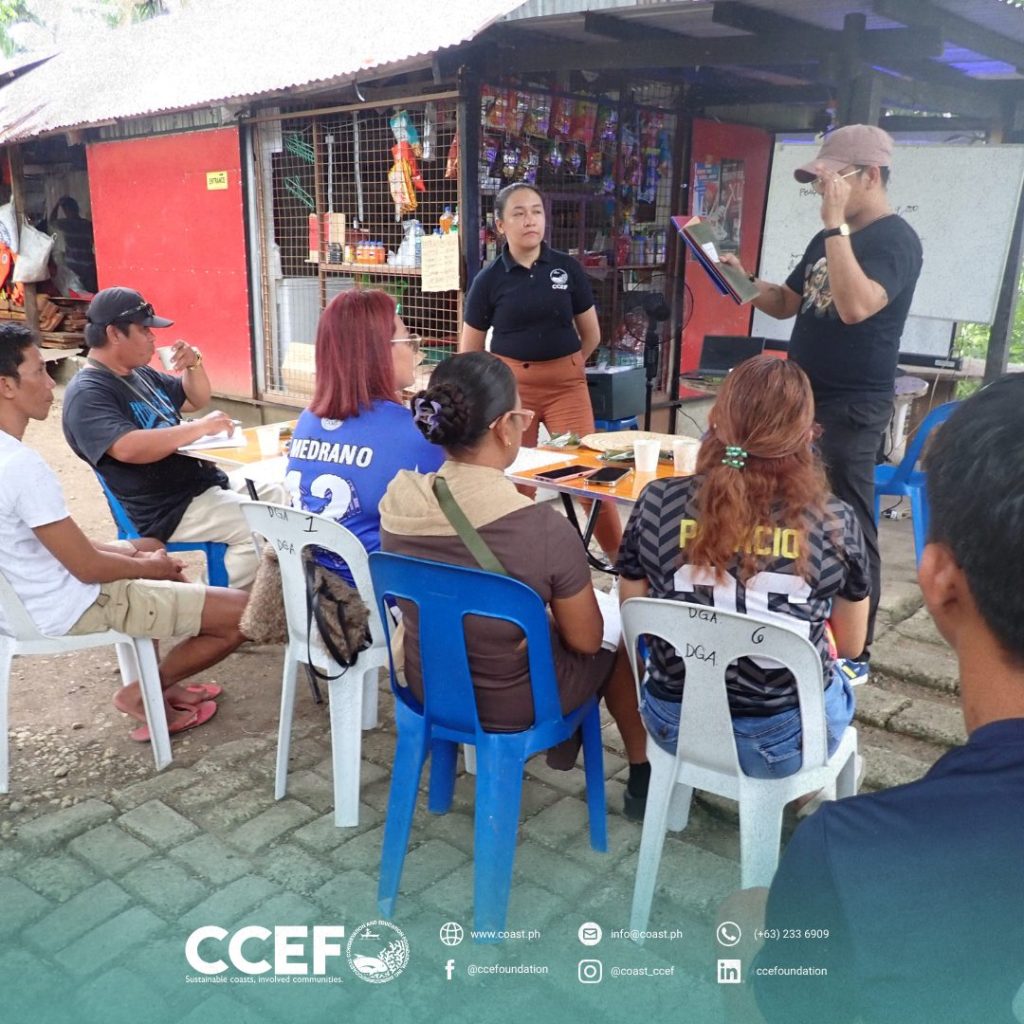
CCEF, in partnership with the Local Government Unit of Argao, conducted a Basic Accounting for Non‑Accountants Workshop for 15 members of the Nagkahiusang Mananagat sa Taloot, Argao (NAGMATA) and the Tawog Pagatpatan Service Cooperative (TSPC). Facilitated by the CCEF finance team under the Promoting Community‑based Ecotourism in Marine Protected Areas and Mangrove Areas (ProComTour) Project, generously funded by the Unico Conservation Foundation, the training equipped grassroots leaders with essential financial skills to sustain their ecotourism enterprises.
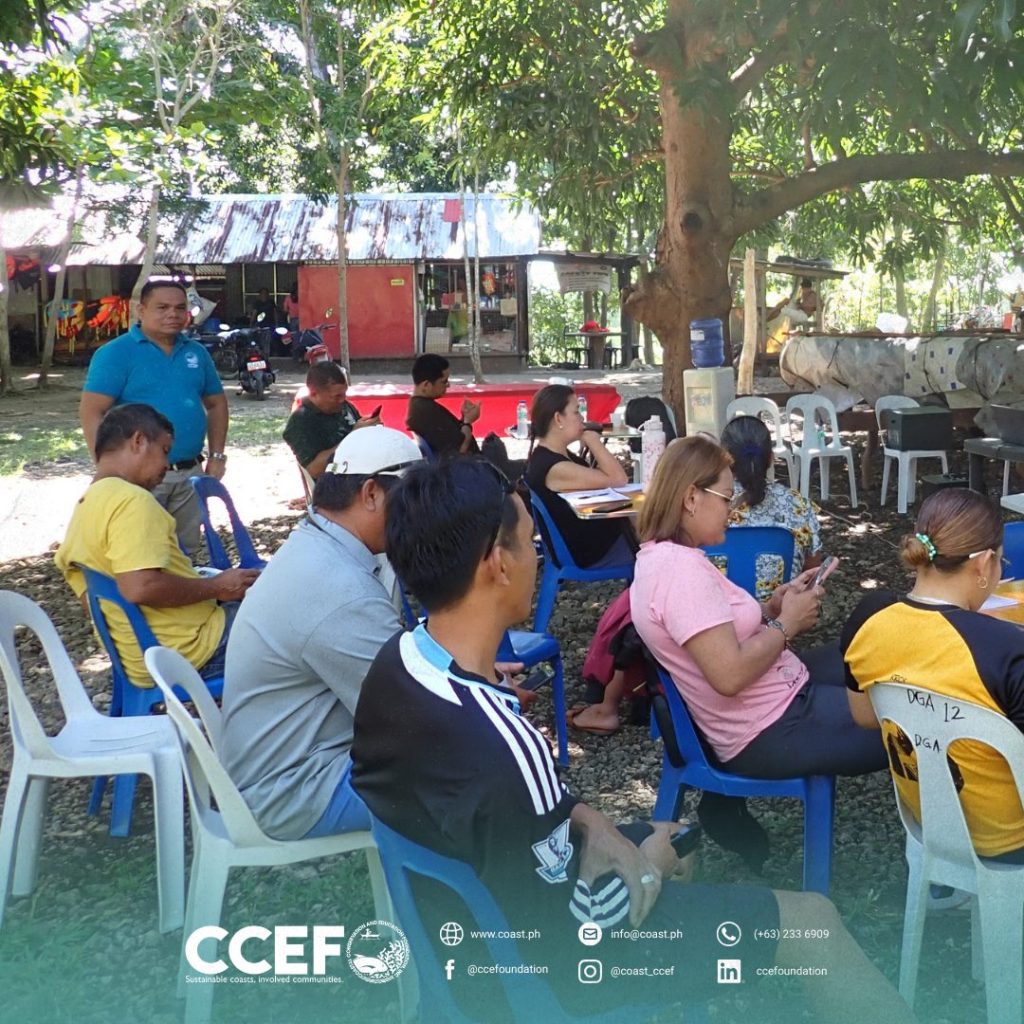
Finance is the language of sustainability. For community organizations managing ecotourism livelihoods, financial literacy is not simply about numbers, it is about understanding the lifeblood of their enterprises. Without the ability to interpret financial reports, leaders risk mismanaging resources, overlooking liabilities, or failing to recognize opportunities for growth. In grassroots settings, where every peso counts, the absence of financial literacy can mean the difference between a thriving livelihood project and one that collapses under poor record‑keeping. By learning to read and manage accounts, leaders gain the power to safeguard transparency, build trust among members, and ensure that conservation‑linked enterprises remain viable for the long term.
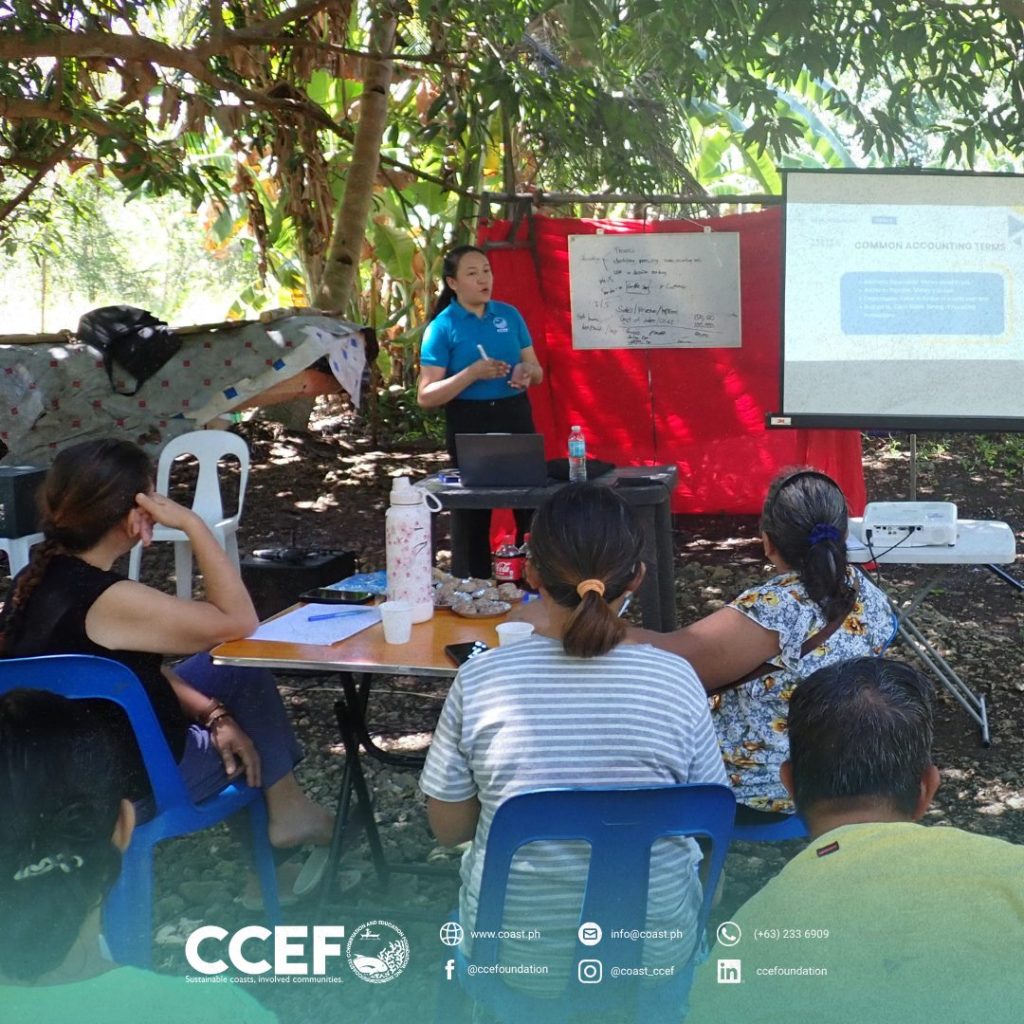
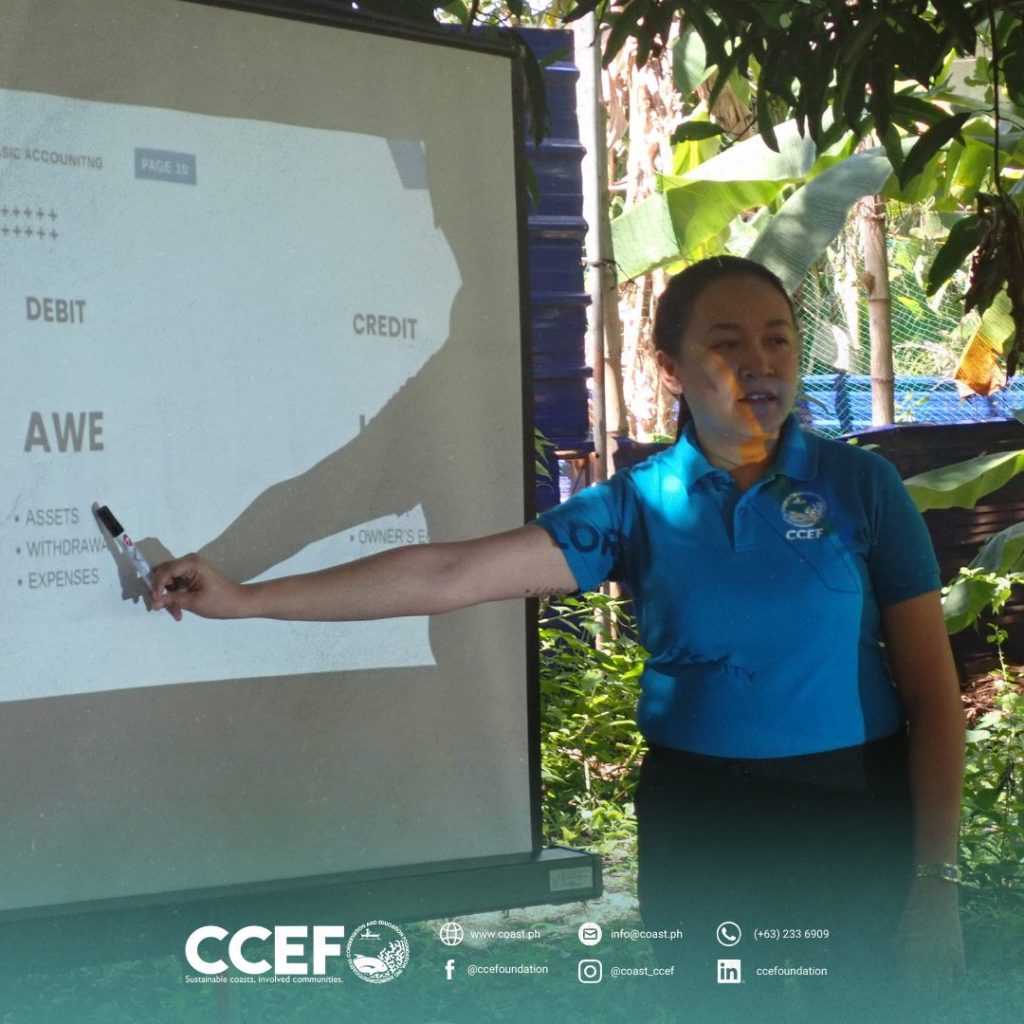
Participants were introduced to the fundamentals of assets, liabilities, equity, revenue, and expenses, the building blocks of any enterprise. These concepts were not taught in abstraction; they were grounded in the realities of community operations, from managing cottage rentals to catering services in mangrove areas. The facilitator emphasized that when these fundamentals are not properly identified, organizations risk overstating income, underestimating costs, or misallocating resources, pitfalls that can erode both credibility and sustainability. By mastering these basics, participants now understand how to balance what they own against what they owe, how to measure performance, and how to ensure that their ventures remain financially sound. They also learned to navigate the three critical financial reports, Balance Sheet, Income Statement, and Cash Flow Statement, which serve as mirrors of organizational health and tools for accountability.
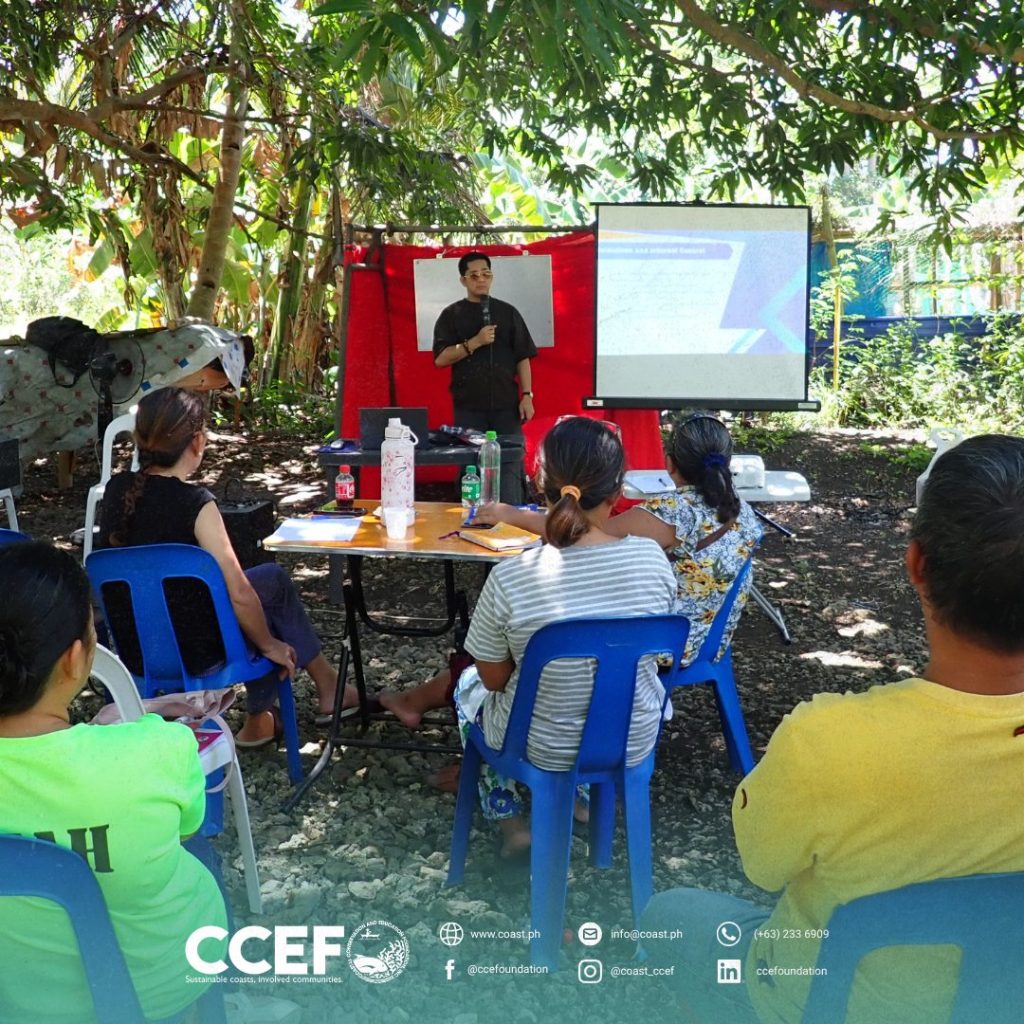
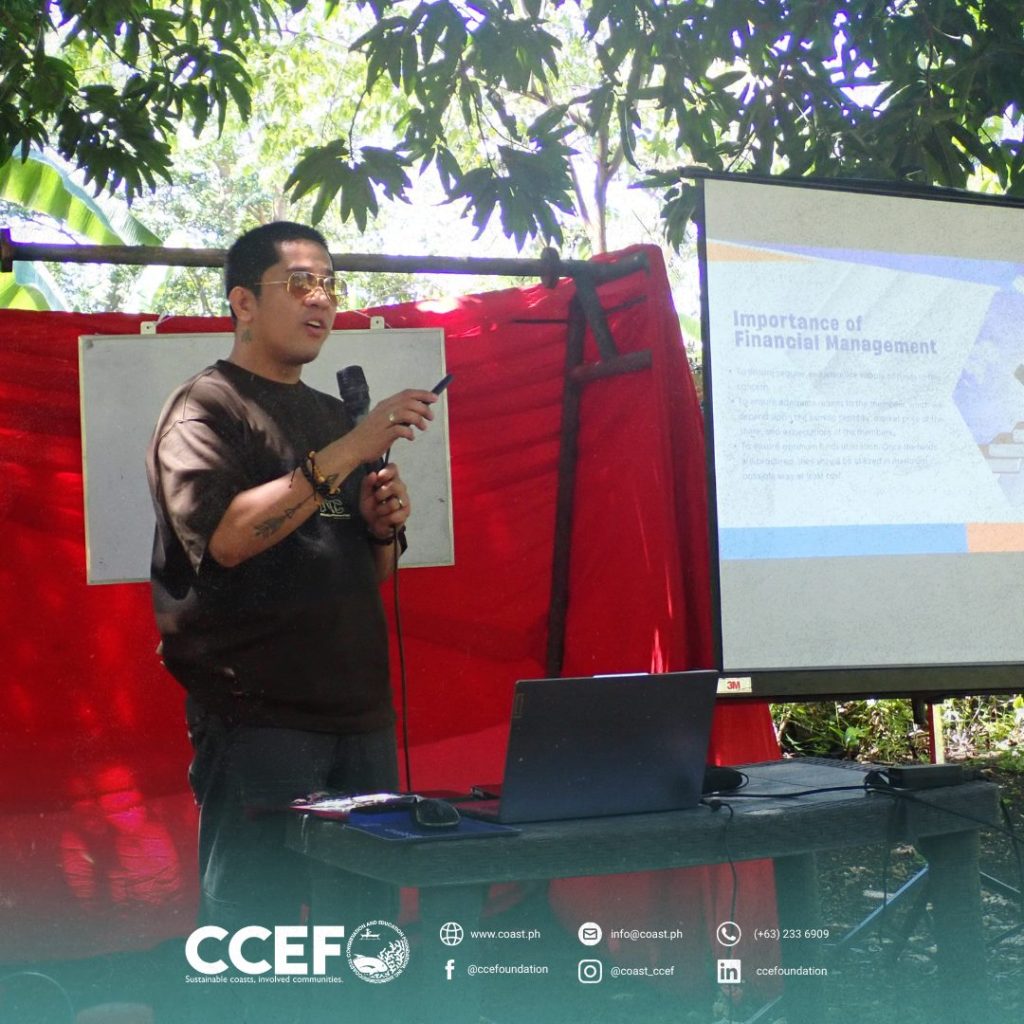
The workshop produced more than awareness; it built confidence. Participants left with the ability to interpret financial reports, ask sharper questions, and engage meaningfully in financial discussions, skills that elevate them from passive recipients of information to active stewards of their organizations. With templates and guidance provided by the facilitators, they will begin setting up simple bookkeeping systems, assigning clear roles for financial record‑keeping, and drafting basic financial reports for presentation during assemblies. These practices will not only strengthen internal governance but also enhance their credibility with donors, partners, and the communities they serve.
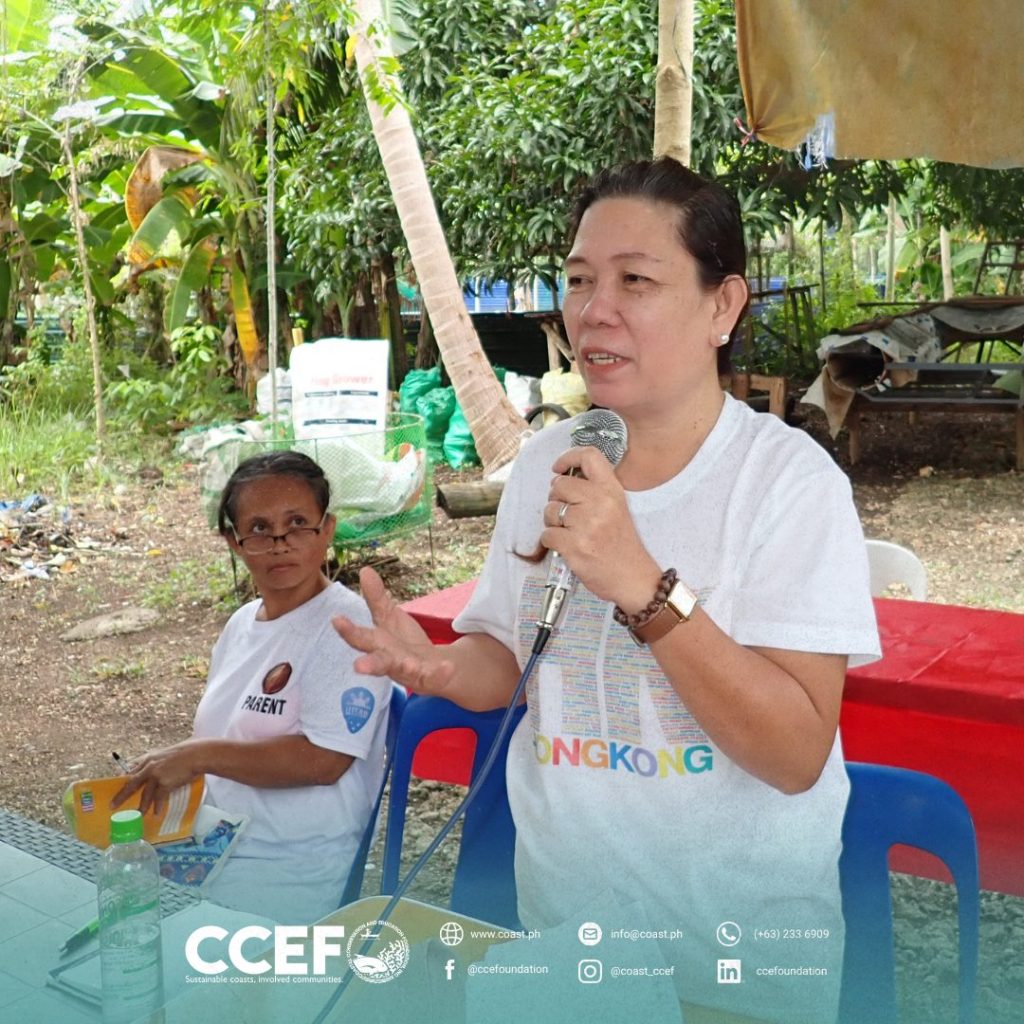
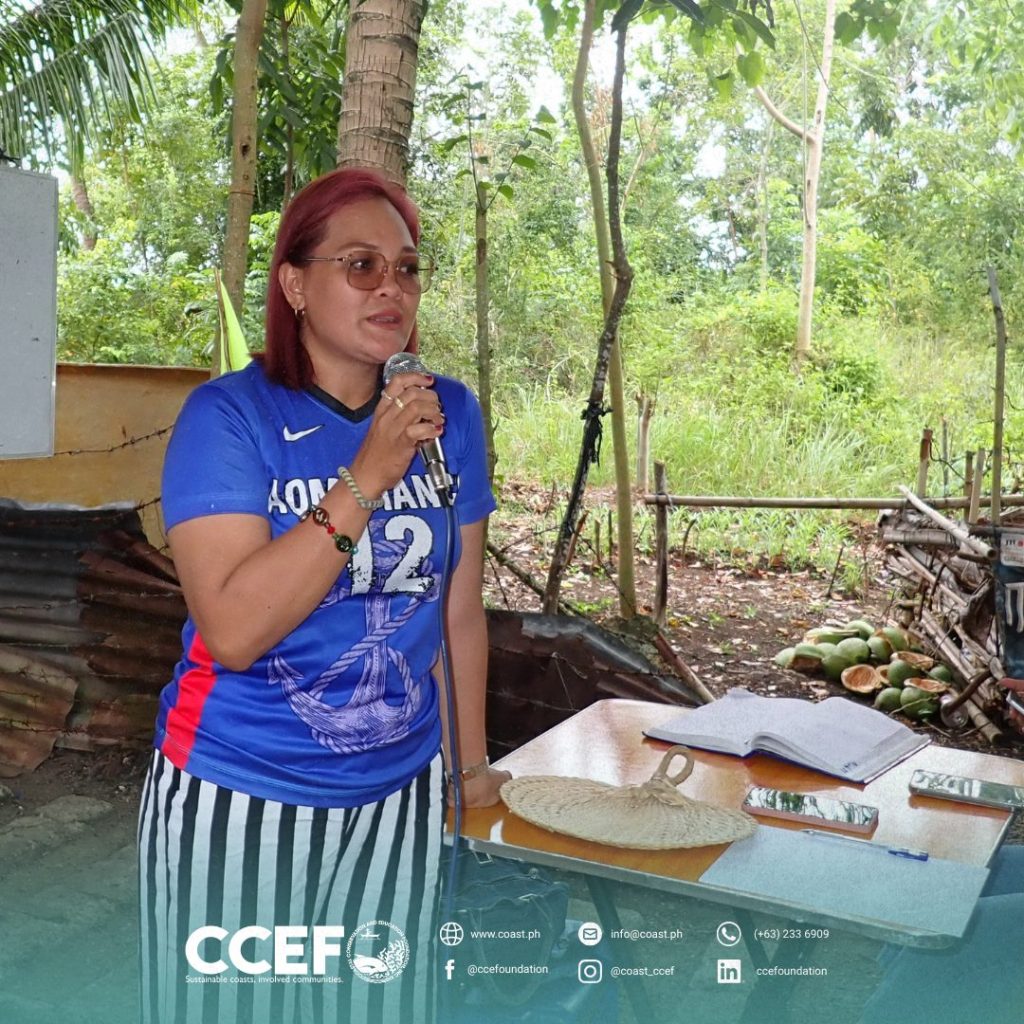
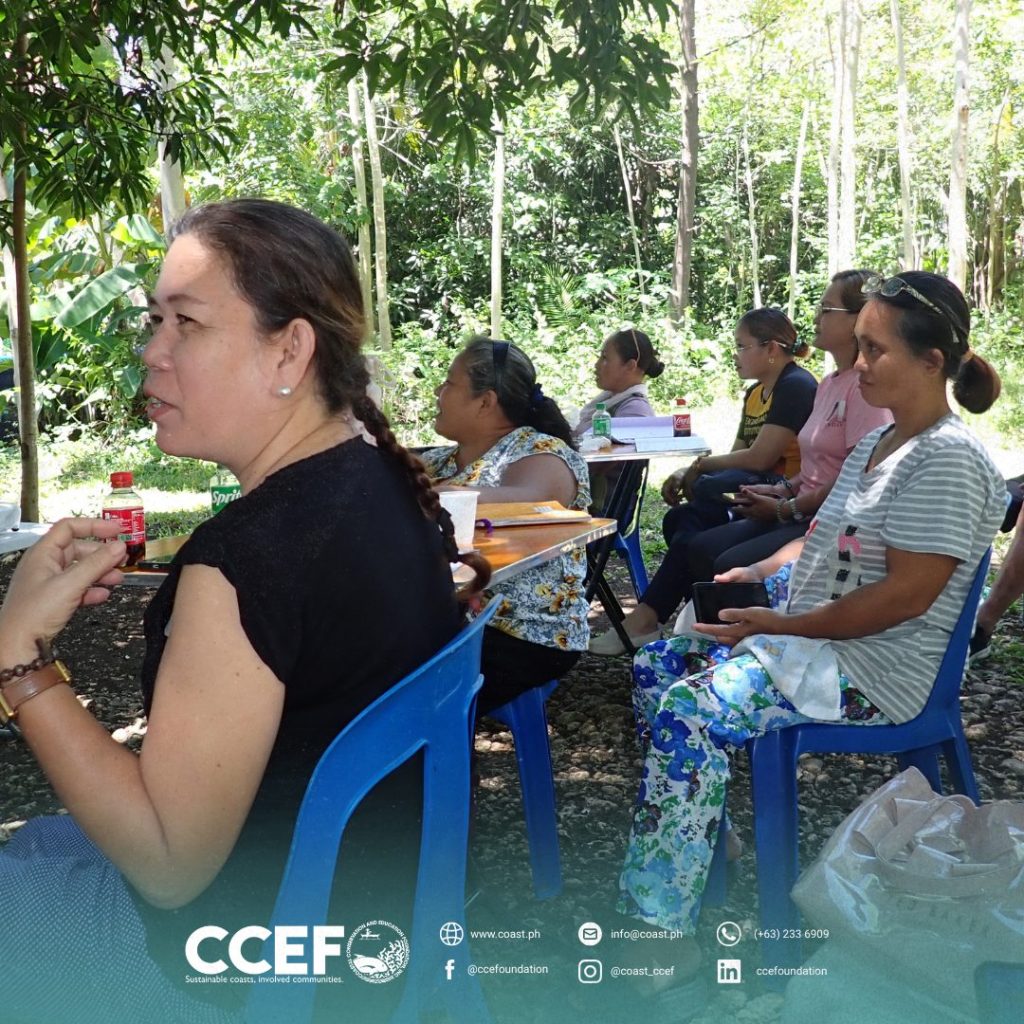
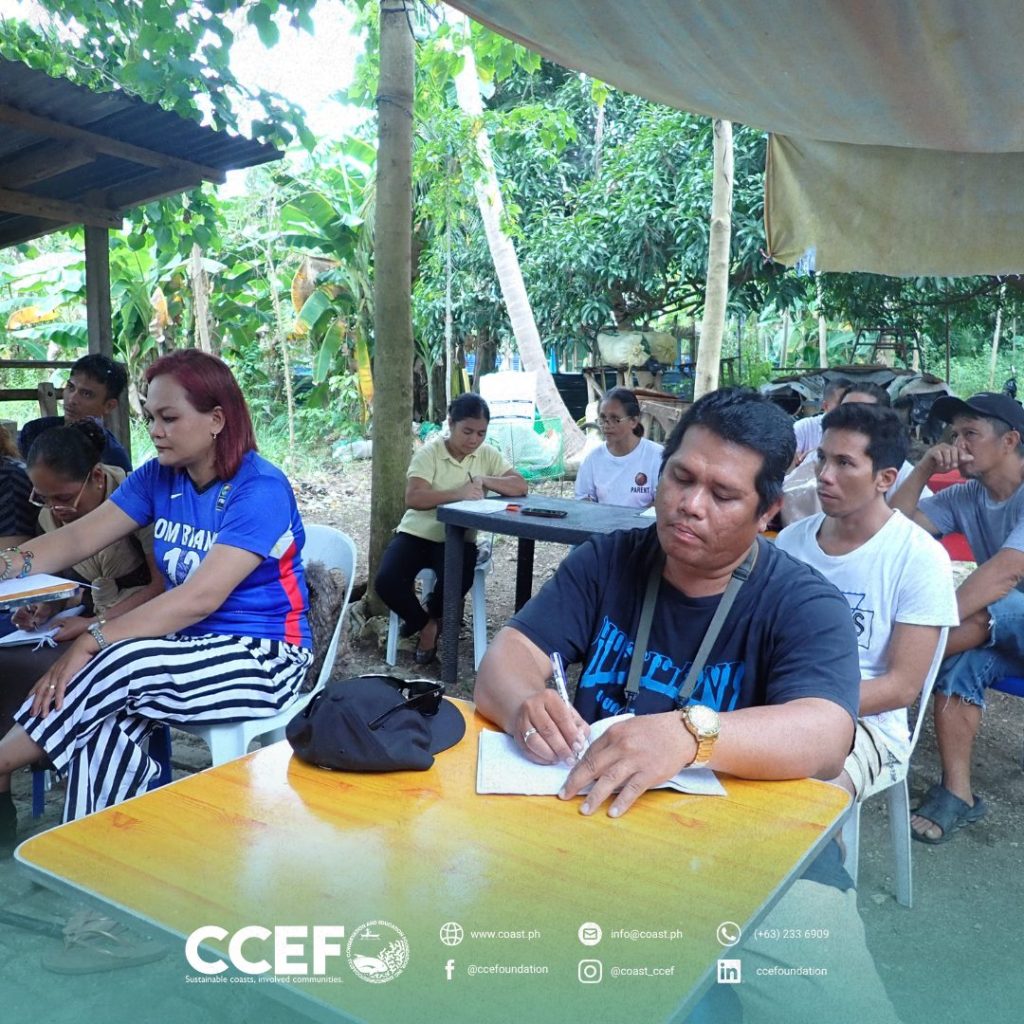
The ProComTour Project links coastal conservation with sustainable economic opportunities by strengthening community‑based ecotourism in Southeast and Southwest Cebu, particularly in Argao, Alcoy, and Badian. In Argao, NAGMATA and TAWOG Pagatpatan manage mangrove areas that serve both ecological and livelihood functions. TAWOG operates cottages and offers seaside experiences, while NAGMATA provides catering services and continues to expand livelihood ventures tied to mangrove conservation. Both organizations have benefited from the project’s trainings, which integrate ecological stewardship with enterprise development. Over the next three years, ProComTour will continue to support these groups by providing technical assistance, capacity‑building, and sustaining reef rehabilitation, mangrove enrichment, and climate resilience initiatives, ensuring that conservation and livelihood development progress hand in hand.
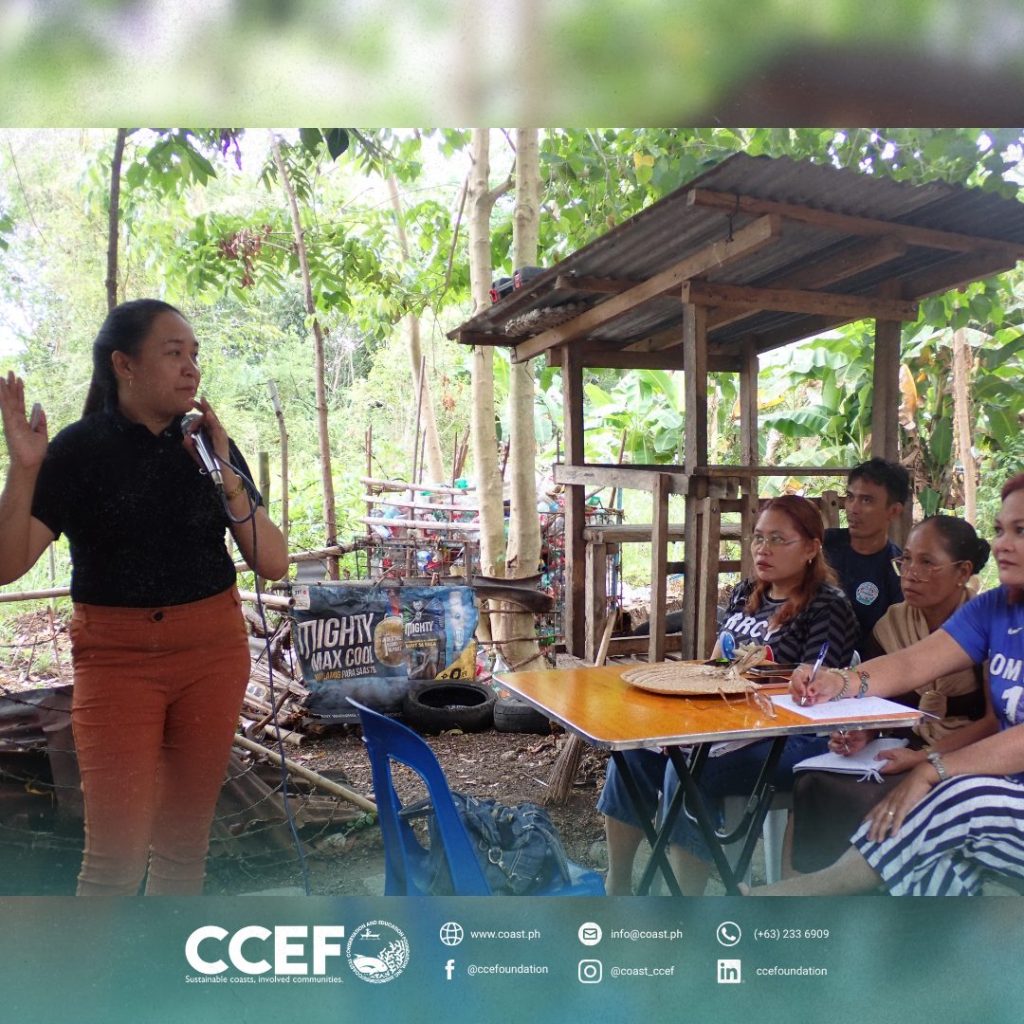
Integrating financial literacy into ecotourism development is transformative. A financially literate people’s organization can accurately assess its financial standing, manage operations in line with available resources, and make informed investments that strengthen both livelihood and conservation goals. With clear records, they can plan strategically, avoid debt traps, and build resilience against economic shocks. Most importantly, they gain the confidence to expand their enterprises while ensuring that natural resources are protected. For CCEF, capacitating communities in this way is not only about protecting coasts and reefs, it is about empowering the people behind them to thrive, sustain their livelihoods, and carry forward the mission of conservation with dignity and strength.